
View of Tashichoedzong, Bhutan and Foot Bridge — History & Facts
In the stillness of memory, landscapes emerge, transforming chaos into a serene testament of existence. Look to the left at the intricate footbridge, its delicate wooden slats appearing to sway gently under the weight of time. The bridge, a delicate thread weaving through the composition, draws the eye toward the majestic Tashichoedzong, the fortress radiating strength and tranquility amidst the lush backdrop. Notice how the colors harmonize—the rich greens of the valley embracing the structure’s earthy hues, while the distant mountains stand sentinel, cloaked in soft blues and purples.
The light dances across the scene, caressing every detail, capturing the essence of a day marked by fleeting shadows. Yet, there is a tension present, a contrast between the ephemeral nature of the footbridge and the enduring solidity of the fortress. Each brushstroke hints at memories intertwined with the landscape—a fleeting moment cherished in the artist's mind. The distance between elements invites contemplation: the bridge symbolizing the passage of time, while the Tashichoedzong represents permanence.
Together, they evoke nostalgia, the viewer's imagination wandering through its pathways, lost in reverie. The artist created this piece during a time of exploration and self-discovery. Though the exact date remains unknown, Samuel Davis was active in the late 19th to early 20th century, a period rich with artistic curiosity and a yearning for the natural world. His travels to Bhutan allowed him to capture this moment, intertwining personal memory with the grandeur of a culture steeped in history and spirituality.
More Artworks by Samuel Davis
Browse all →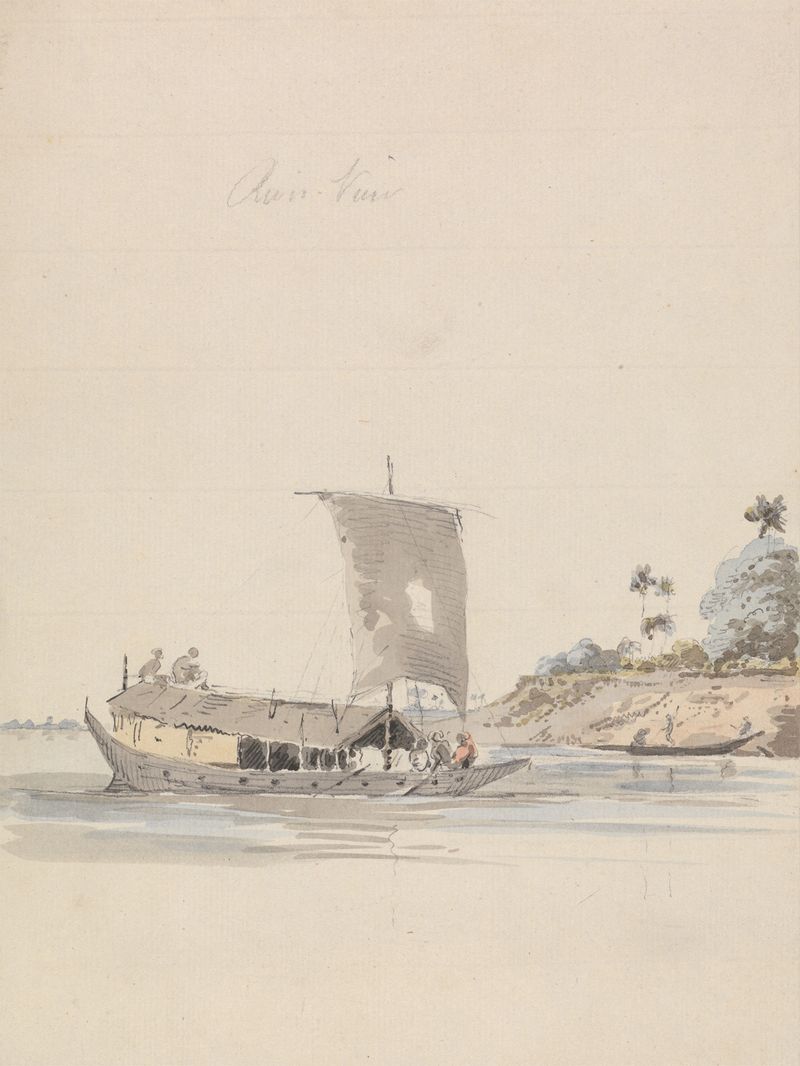
River View with a Junk (near Rajmahal)
Samuel Davis
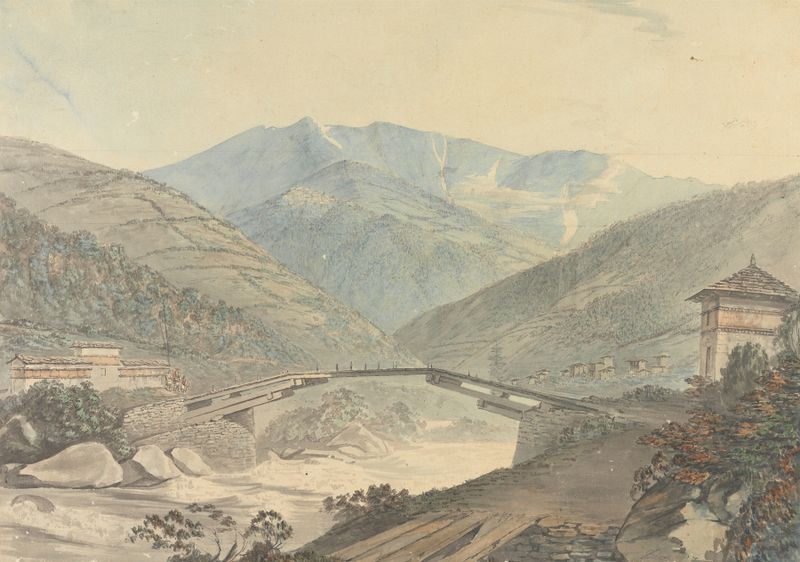
View near Tassisudon [Tashicho Dzong] in Bhutan
Samuel Davis
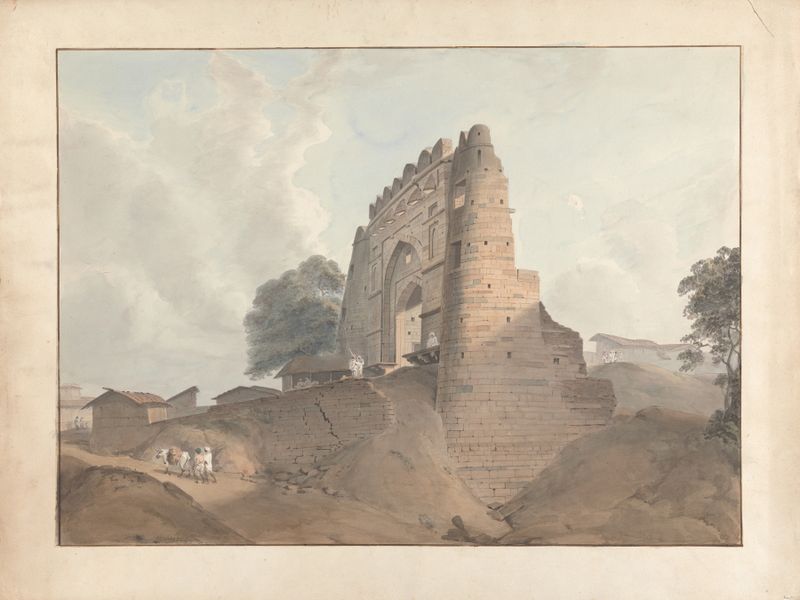
Gate of the Old Fort at Old Benares
Samuel Davis
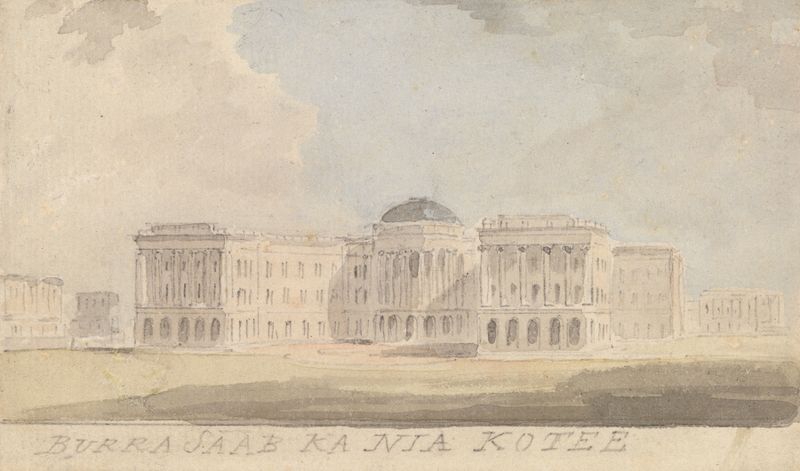
New Government House at Calcutta
Samuel Davis
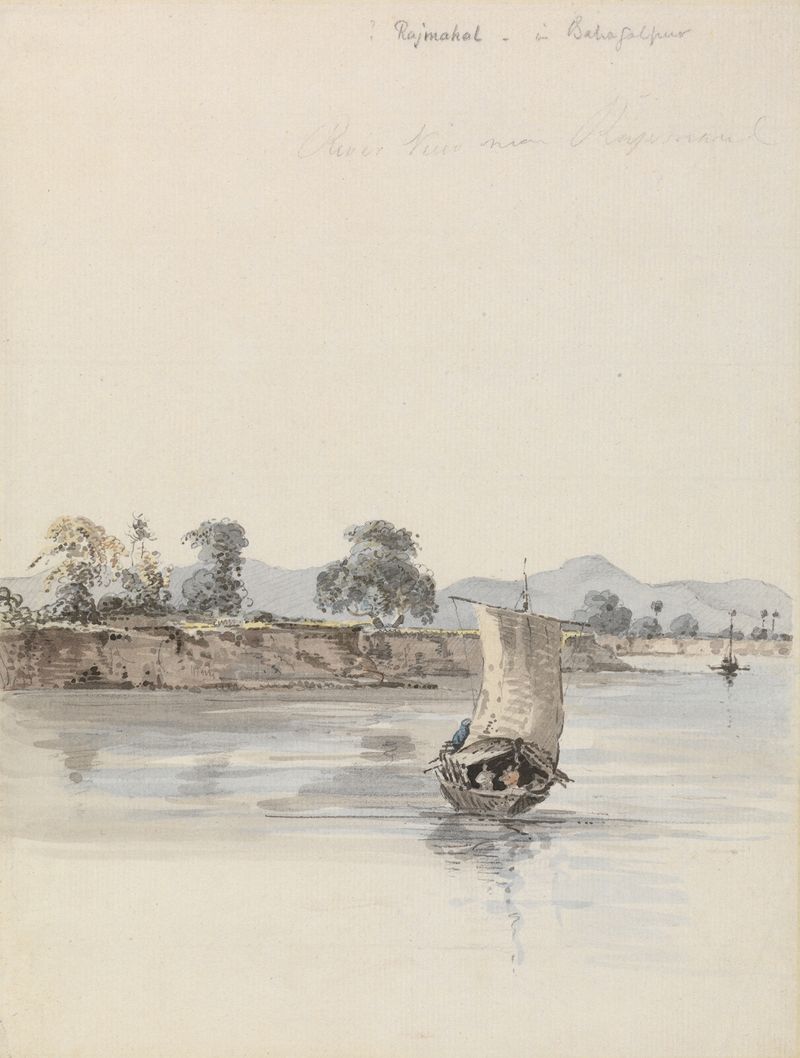
River View near Rajmahal
Samuel Davis
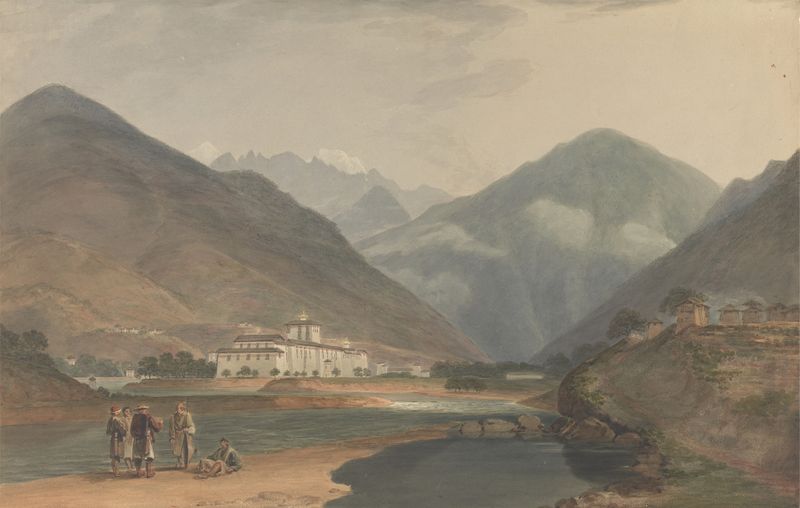
The Former Winter Capital of Bhutan at Punakha Dzong
Samuel Davis
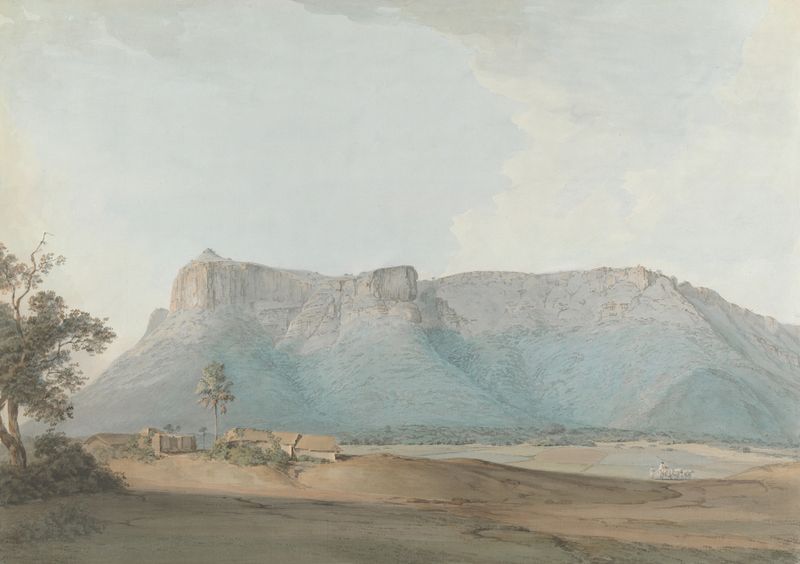
Rhotas from Akberpore
Samuel Davis
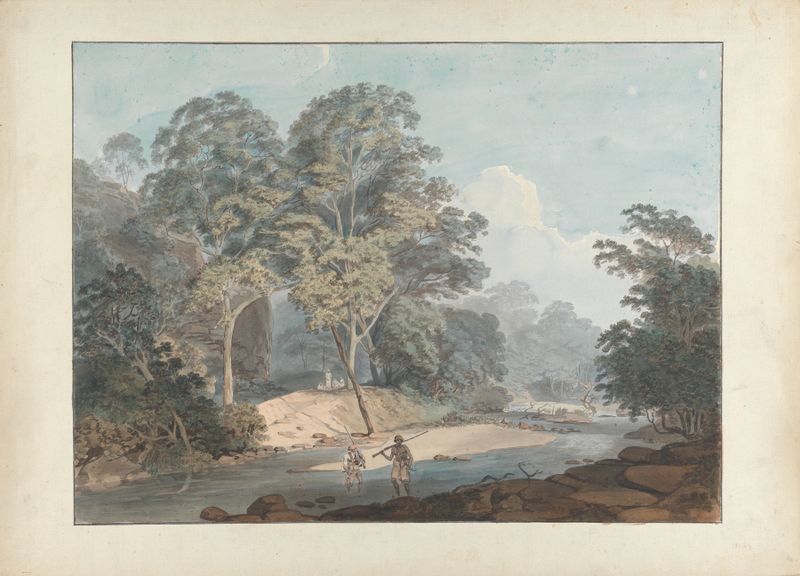
Rocky River Scene with Sepoys
Samuel Davis
West Country Town by a River
Samuel Davis
The Annual Resort of Hindoos to Mundar Hill near Bhagulpore [Bhagalpur]
Samuel Davis





