View of the Castello di San Giuliano,near Trapani Sicily — History & Facts
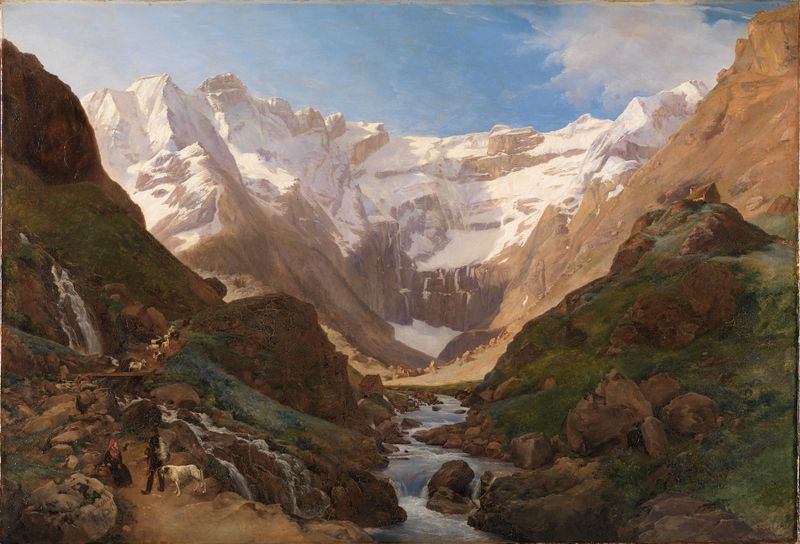
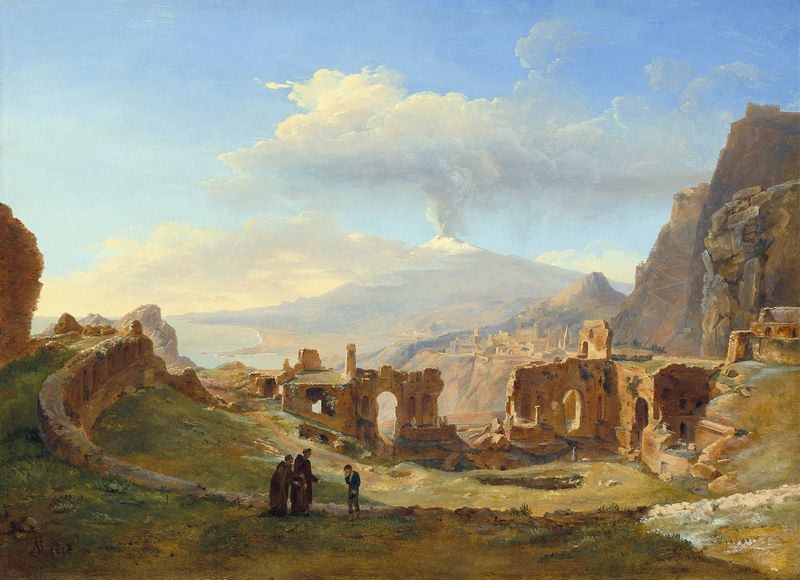
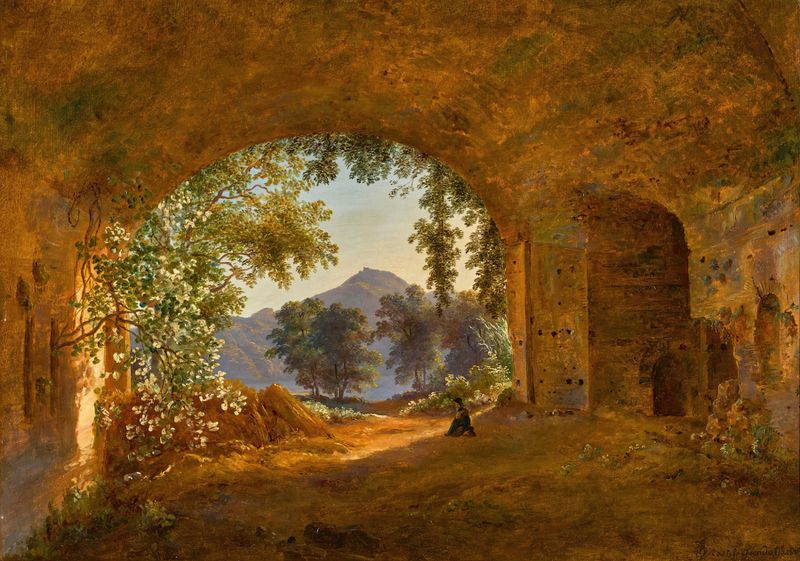
Could beauty survive in a century of chaos? The question lingers in the air, echoing through the landscapes that have witnessed both turmoil and tranquility. Look closely at the foreground, where the verdant hills cradle the majestic Castello di San Giuliano. Notice how the artist’s brushwork captures the interplay of light and shadow, casting a golden hue across the stone edifice, which stands resolute against the sky. Warm earth tones blend seamlessly with vibrant greens, invoking a sense of serenity as the castle emerges from its natural setting.
The subtle detail in the clouds above hints at a fleeting moment, a breath caught in time, inviting viewers to linger in this exploration of nature and architecture. In this composition, contrasts abound—between the sturdy stone structure and the softness of the surrounding landscape, between the looming presence of history and the ephemeral quality of light. The careful arrangement suggests a dialogue, a balance between the manmade and the natural. Each brushstroke seems to ask whether the legacy of human creation can coexist harmoniously within the beauty of the untamed wilderness. Created between 1824 and 1826, this work emerged during a time when Louise-Joséphine Sarazin de Belmont was establishing her voice in a male-dominated art world.
Living in France but often drawing inspiration from Italian landscapes, she painted against the backdrop of Romanticism, which sought to capture emotion and the sublime in nature. This piece reflects not just her personal journey but also a wider artistic awakening, as artists began to embrace the inherent beauty found in the world around them.