
View of The Hague — History & Facts
What secret hides in the quiet of the canvas? Cornelis Springer's View of The Hague invites us to explore the delicate interplay of awakening light and tranquil silence that envelops the city. Focus first on the soft hues of dawn that wash over the rooftops, illuminating the intricate details of the architecture. Notice how the light falls upon the gabled houses, accentuating the calm surface of the water that reflects the pastel skies. The lush greenery in the foreground serves as a contrast, grounding the scene while inviting the viewer’s gaze deeper into the composition. Hidden beneath the serene surface lies an emotional undercurrent.
The interplay between light and shadow hints at the passage of time, evoking both nostalgia and anticipation. The carefully placed figures, seemingly absorbed in their own worlds, suggest a collective awakening, embodying the quiet pulse of a city coming to life in the early hours. Each element works harmoniously, creating a sense of unity that encapsulates both the beauty and brevity of everyday moments. During the years View of The Hague was created, Springer was rooted in the thriving art scene of mid-19th century Holland.
Having established a reputation for his cityscapes, he was influenced by the burgeoning Romantic movement and the emphasis on capturing natural beauty. This work reflects a period marked by a growing appreciation for the interplay of light and color, as well as a shift towards depicting the subtleties of urban life.
More Artworks by Cornelis Springer
Browse all →
The Royal Palace and the Nieuwe Kerk on the Dam, Amsterdam
Cornelis Springer
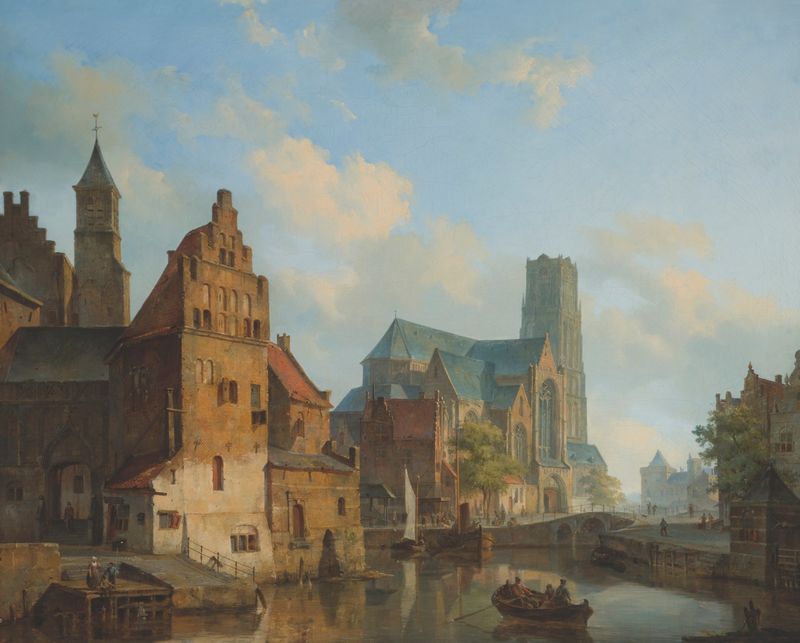
A View Of The Delftse Vaart And St Laurens Church, Rotterdam
Cornelis Springer

The Kerkgracht In Leiden
Cornelis Springer
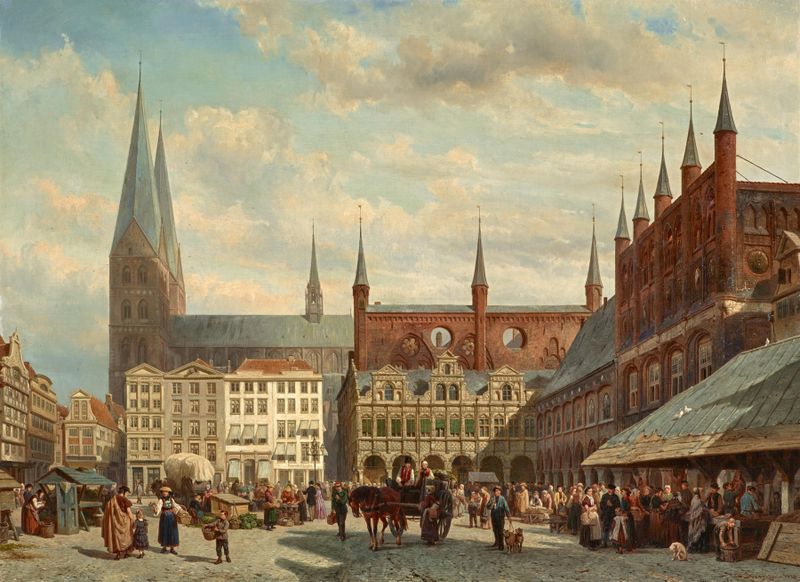
Ansicht des Lübecker Marktes
Cornelis Springer

View of The Hague
Cornelis Springer
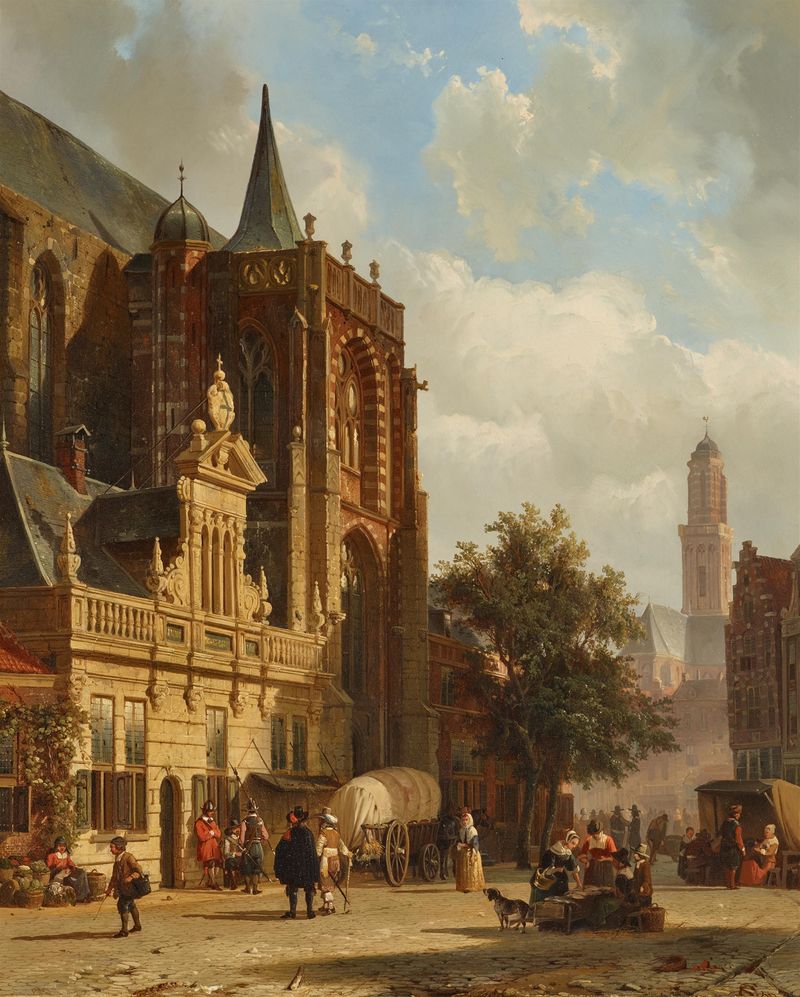
Der Grote Markt in Zwolle
Cornelis Springer
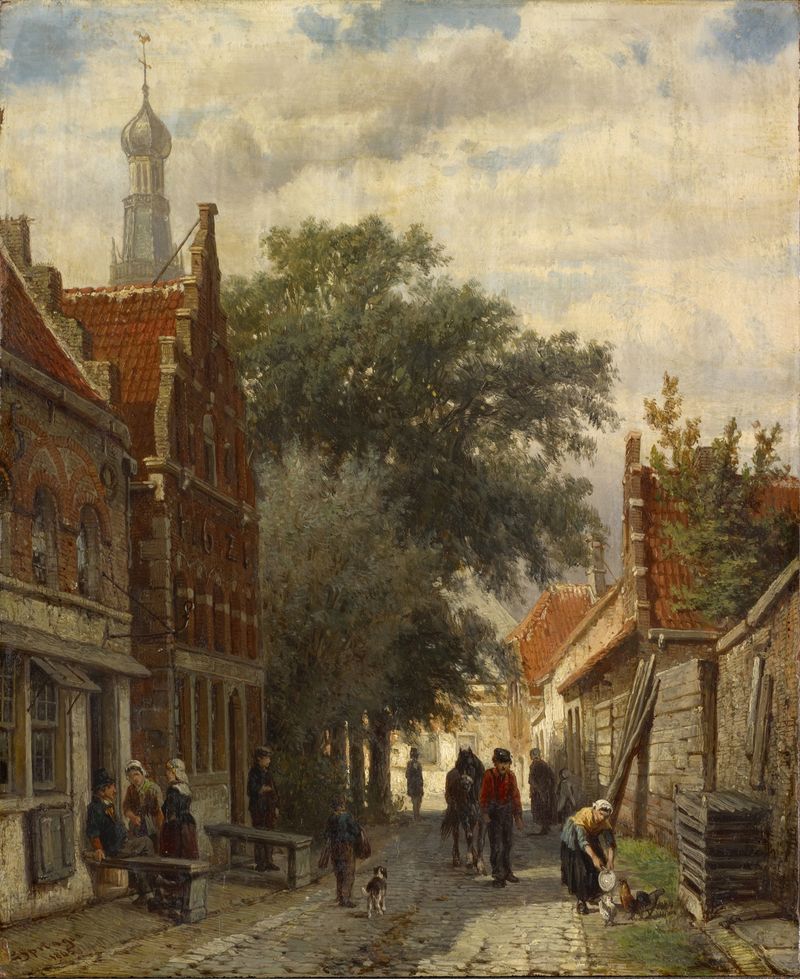
Street in Enkhuizen
Cornelis Springer

View of The Hague from the Delftse Vaart in the Seventeenth Century
Cornelis Springer
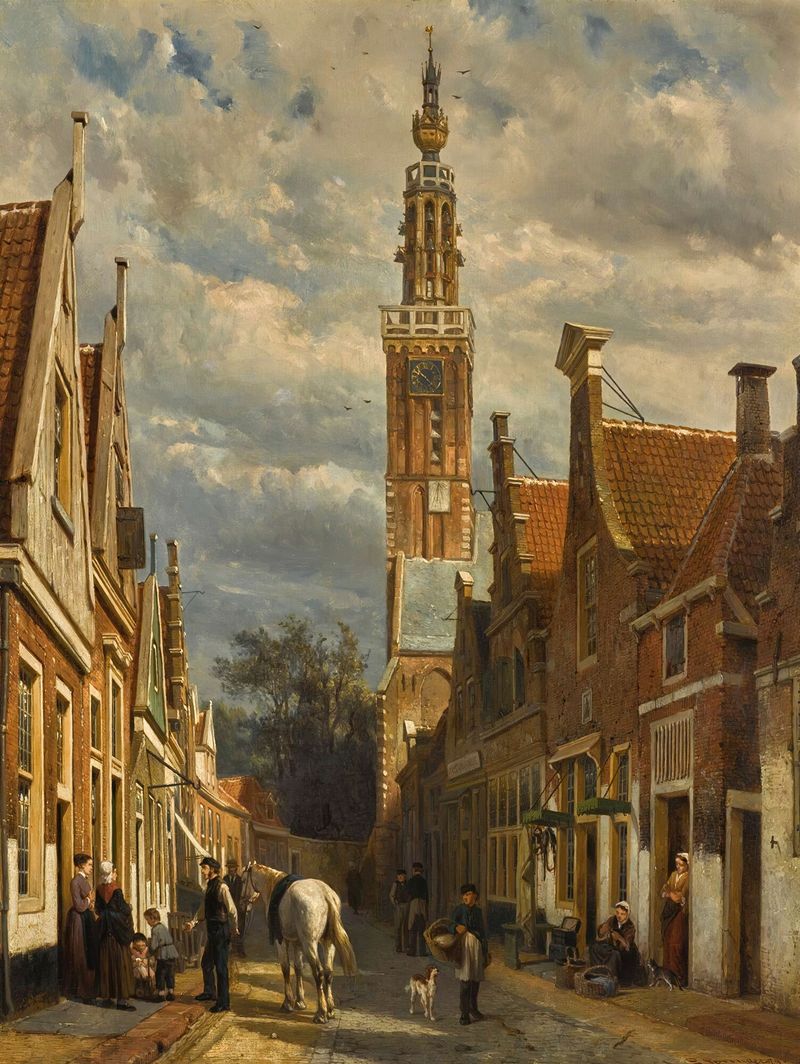
The carillon tower in Edam
Cornelis Springer
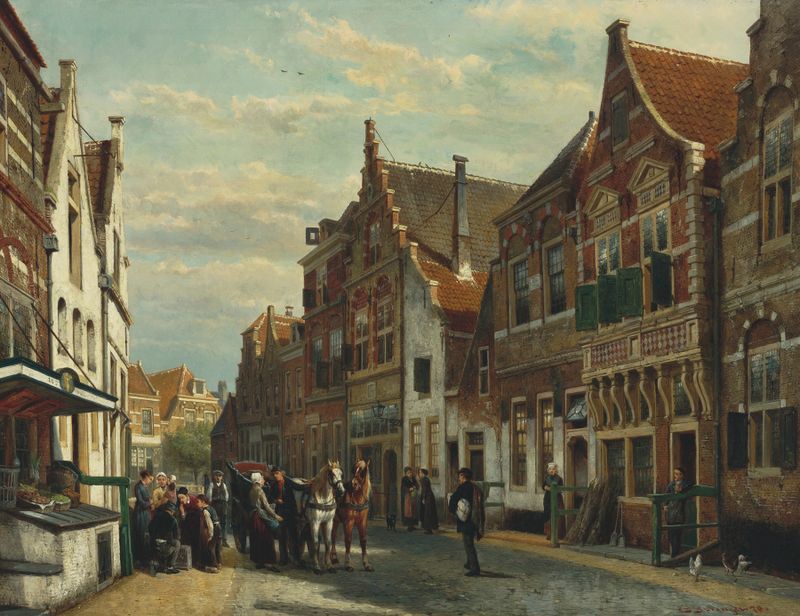
The Wijdstraat, Oudewater, in summer
Cornelis Springer





