
View of the Massif of Mont Blanc — History & Facts
Is this a mirror — or a memory? In View of the Massif of Mont Blanc, Jean-Antoine Linck invites us into a dreamscape where stillness meets grandeur, and the mountains stand as silent witnesses to time’s passage. Look to the left where the craggy peaks rise sharply against the delicate hues of dawn, capturing the light in soft pinks and deep blues. The foreground features a tranquil lake, its glassy surface reflecting the majestic mountains, creating a seamless harmony between reality and illusion. Linck employs a blend of gentle brushwork and vibrant colors, allowing the scene to breathe with an ethereal quality that beckons the viewer to linger. Beneath the surface lies a poignant interplay of solitude and awe.
The vast expanse suggests the insignificance of the individual in the face of nature's majesty, evoking a sense of both humility and wonder. The tranquil water acts as a threshold between the viewer and the sublime, hinting at the transformative power of nature and the human spirit’s quest for connection with the divine. Created in the late 18th to early 19th century, Linck crafted this work during a time of burgeoning Romanticism, when artists began to explore deeper emotional landscapes and the sublime in nature. Living in France, he was influenced by the picturesque movement, which sought to capture the beauty and majesty of landscapes, particularly in the wake of the Enlightenment's focus on reason and observation.
This painting reflects not only his personal vision but also the collective yearning of a society drawn to the awe-inspiring power of the natural world.
More Artworks by Jean-Antoine Linck
Browse all →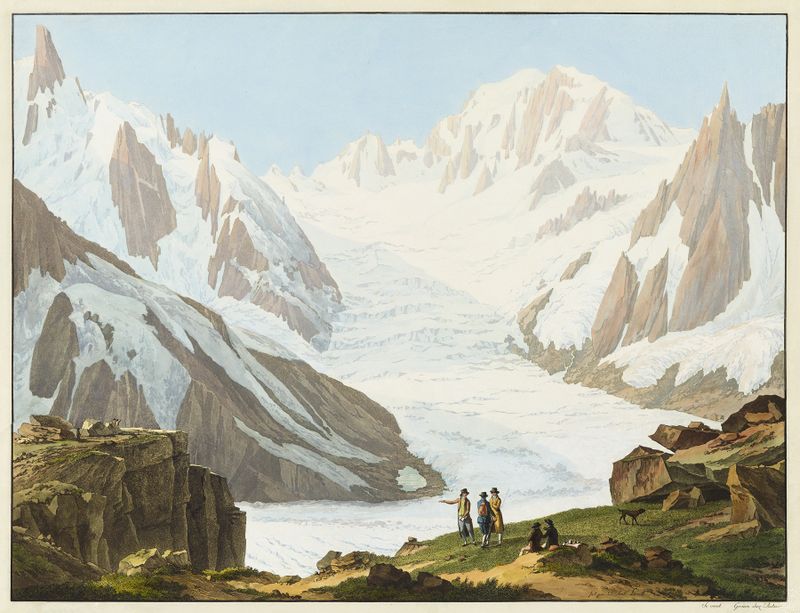
Vue du Mont-Blanc, des Aiguilles du Midi, des Blaitieres, du Géant, du Glacier du Tacul, prise du Sommet du Rocher du Couvercle
Jean-Antoine Linck
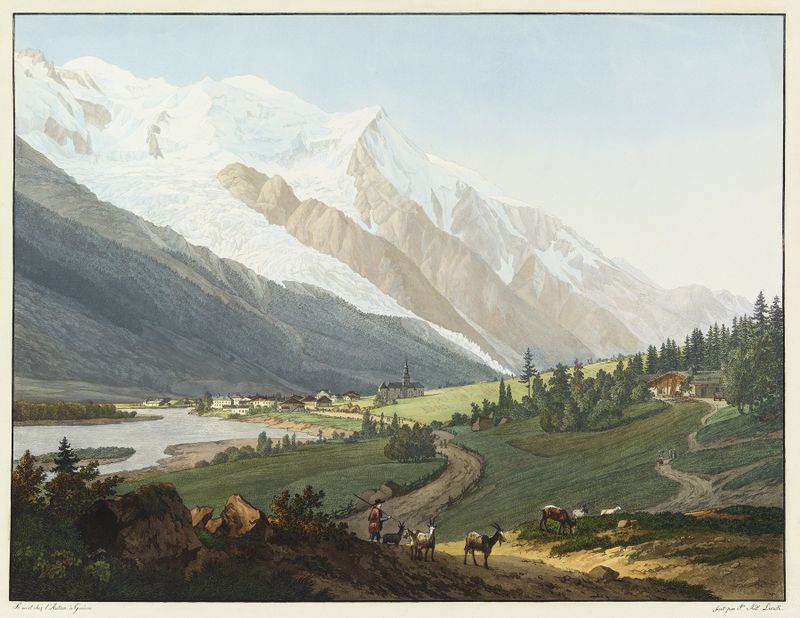
Vue du Prieuré de Chamouni, du Mont-Blanc, de l’Aiguille du Gouté, et du Glacier des Buissons
Jean-Antoine Linck
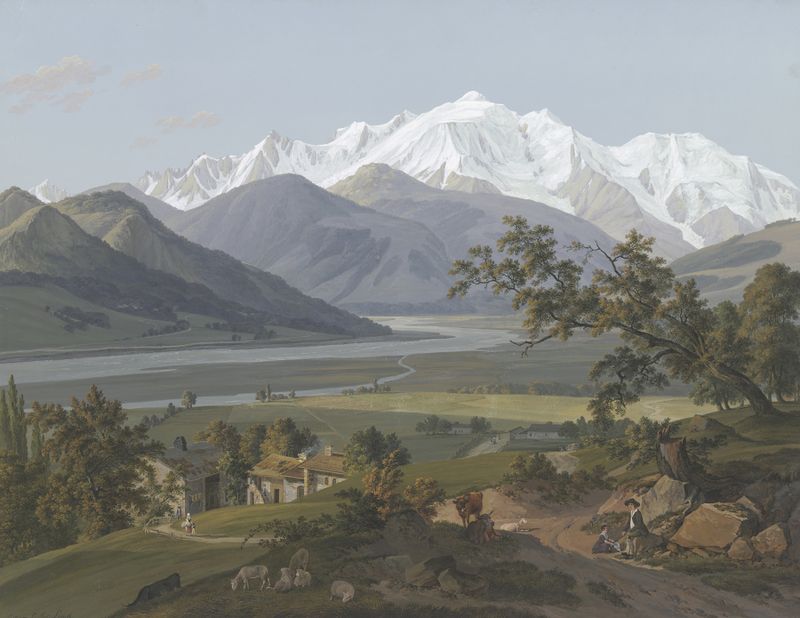
Vue du Mont-Blanc prise près de Salanche
Jean-Antoine Linck
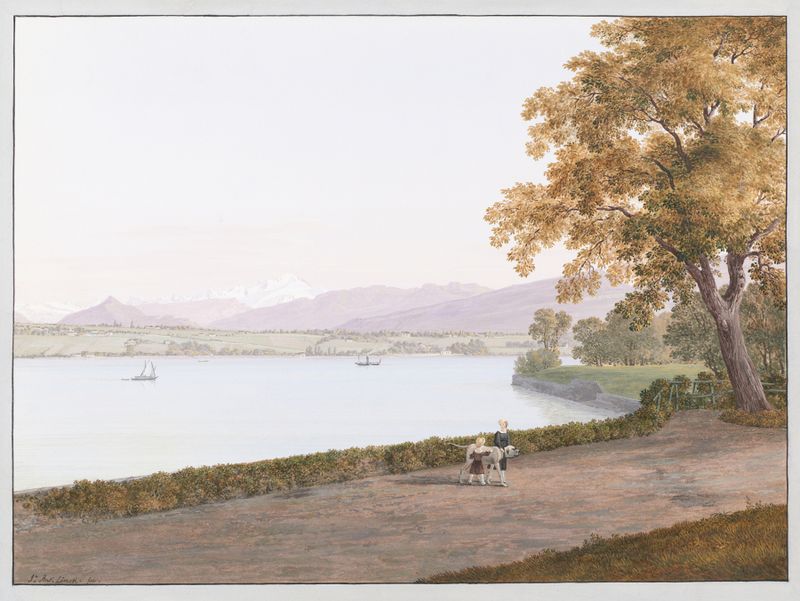
Vue du Lac Léman près de Genève
Jean-Antoine Linck
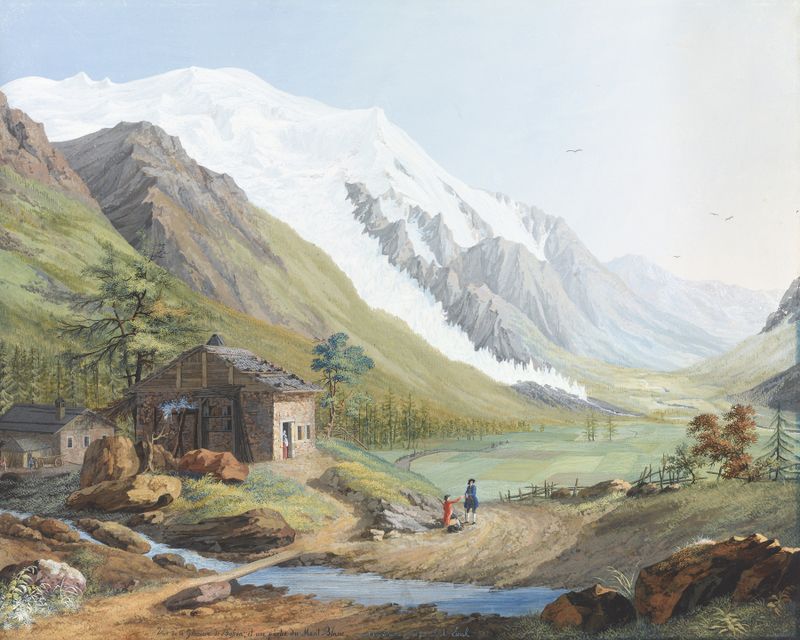
Vue de la Glaciere de Bosson, et une partie du Mont Blanc
Jean-Antoine Linck
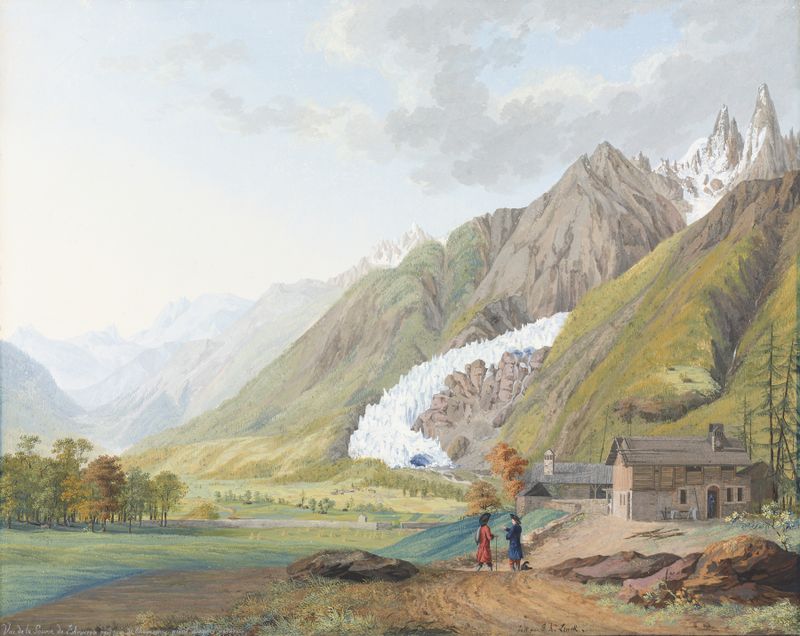
Vue de la Sourse de l’Arveron prit près de Chamouny peint d’après nature
Jean-Antoine Linck
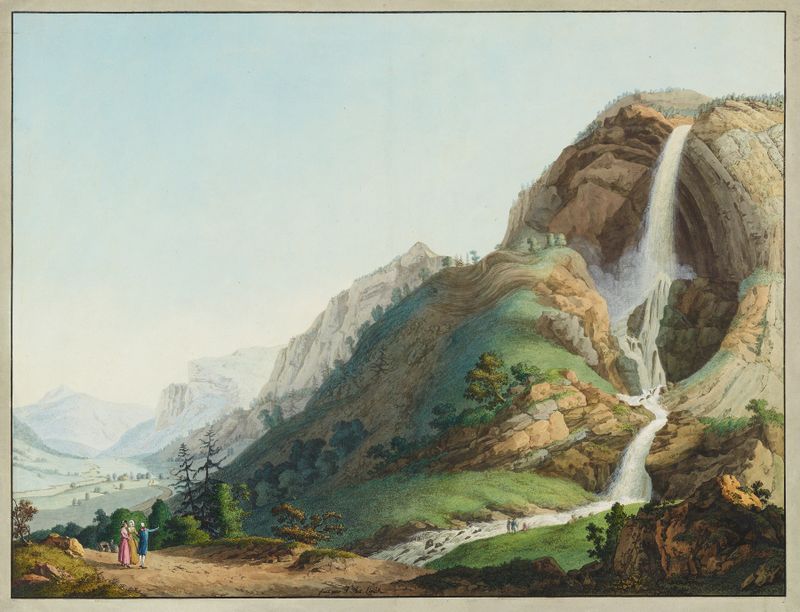
Vue de la Cascade de l’Arpenas
Jean-Antoine Linck
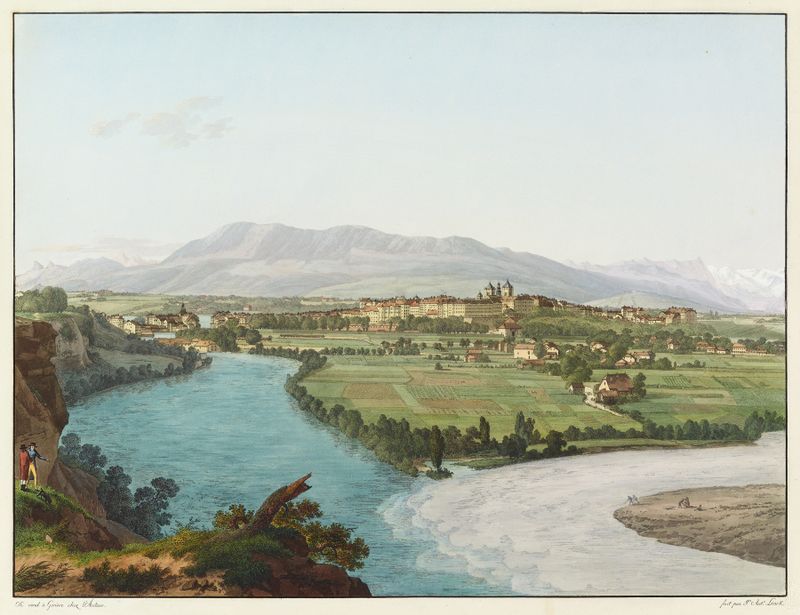
Vue de Genève & Jonction de l’Arve avec le Rhône
Jean-Antoine Linck
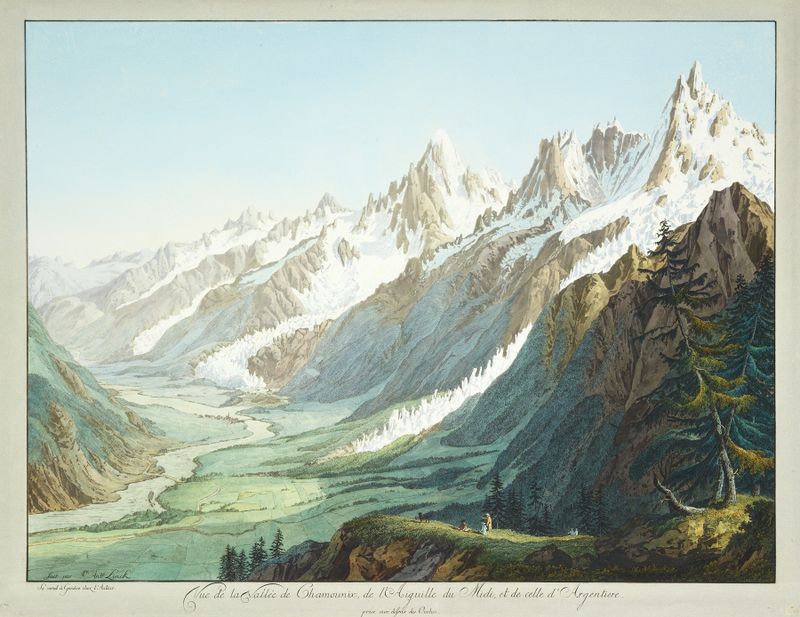
Vue de la Vallée de Chamounix, de l’Aiguille du Midi, et de celle d’Argentiere
Jean-Antoine Linck
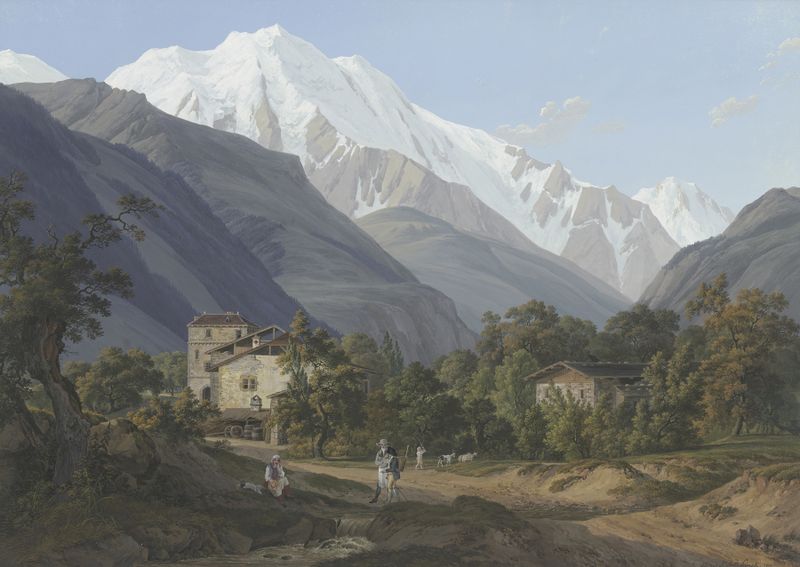
Vue de St. Gervais, de l’Aiguille blance, & du bon homme
Jean-Antoine Linck





