
Vue de St. Gervais, de l’Aiguille blance, & du bon homme — History & Facts
In Vue de St. Gervais, de l’Aiguille blance, & du bon homme, transformation unfolds before our eyes, revealing both nature's beauty and our own evolution within it. Look to the horizon, where soft blues and whites blend seamlessly into each other, crafting a celestial backdrop. The peaked majesty of the Aiguille blanche rises gracefully against the sky, commanding attention with its dramatic contours.
Notice how the lush greens of the valley floor curl up towards the mountains, accented by dappled sunlight, creating a rhythm that invites viewers to explore the depths of the landscape. The meticulous brushwork captures each blade of grass and jagged rock, breathing life into this serene tableau. Hidden within the tranquil surface are contrasts that speak volumes. The soft light suggests warmth and serenity, yet the sharp peaks evoke a sense of challenge, reflecting life's myriad paths.
Here, the viewer can sense both the grandeur of nature's omnipotence and the fragility of human existence, a dialogue between stillness and the tumult of change. Perhaps this scene is a metaphor for the transformation that each season brings, as life adapts to the whims of the earth. In 1805, Linck painted this view amidst a burgeoning Romantic movement that sought to capture the sublime beauty of nature. He was in the French Alps, deeply influenced by the stunning landscapes surrounding him, as well as the artistic shifts prioritizing emotion and individual perspective.
This work reflects not only his personal journey but also the broader cultural transition of the time, as artists began to explore the relationship between man, nature, and the emotional landscape of existence.
More Artworks by Jean-Antoine Linck
Browse all →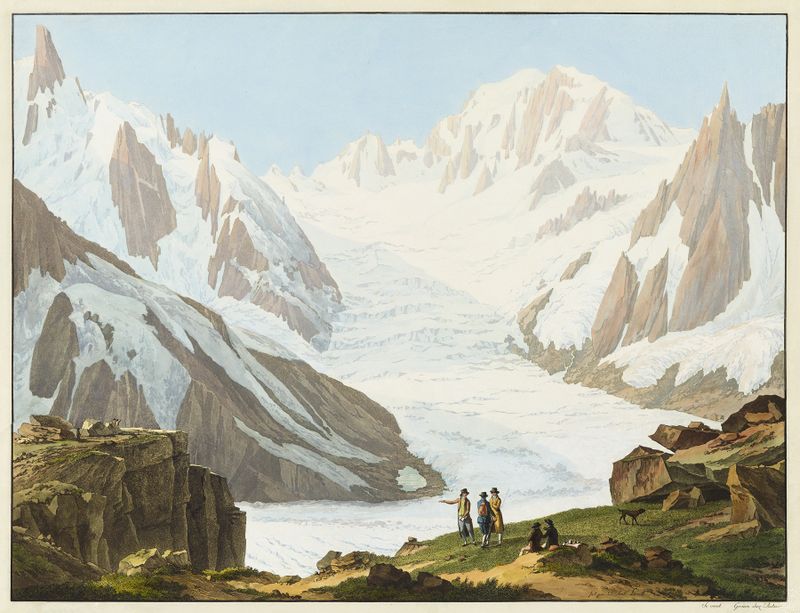
Vue du Mont-Blanc, des Aiguilles du Midi, des Blaitieres, du Géant, du Glacier du Tacul, prise du Sommet du Rocher du Couvercle
Jean-Antoine Linck
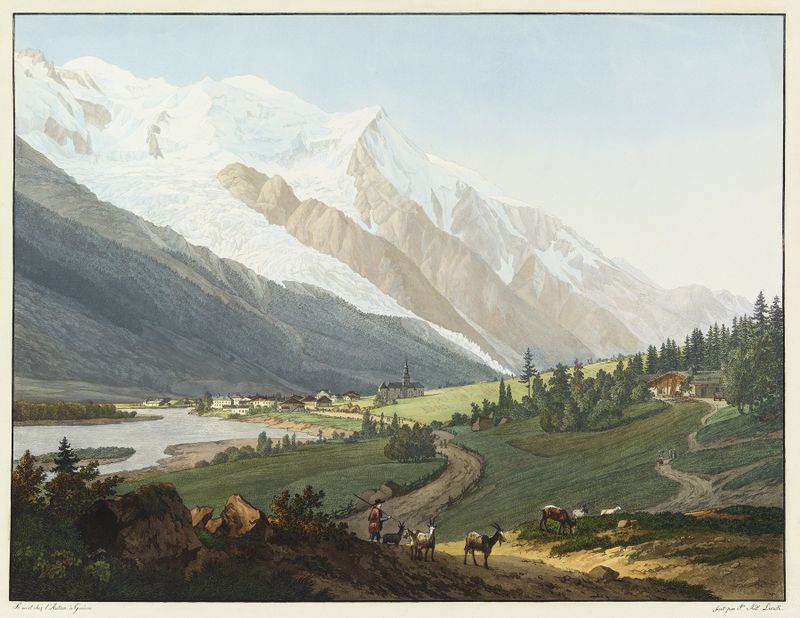
Vue du Prieuré de Chamouni, du Mont-Blanc, de l’Aiguille du Gouté, et du Glacier des Buissons
Jean-Antoine Linck
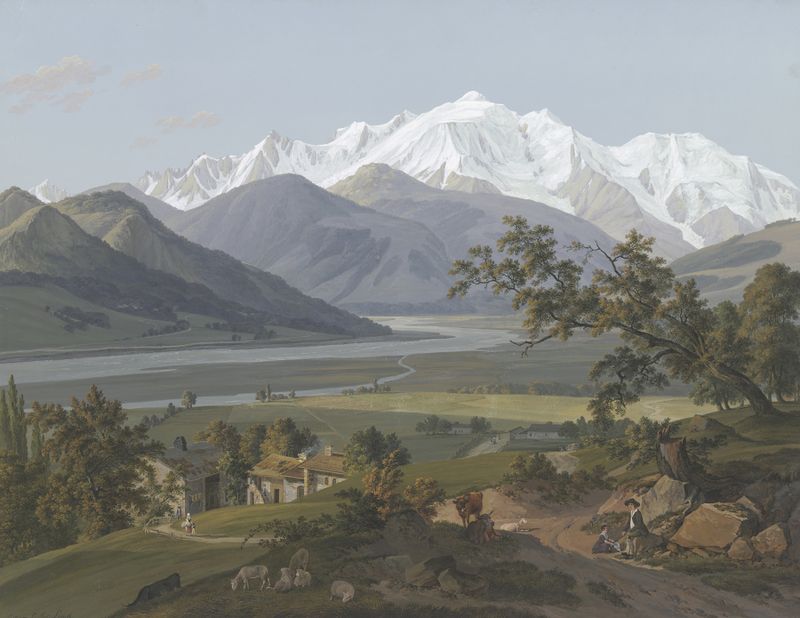
Vue du Mont-Blanc prise près de Salanche
Jean-Antoine Linck
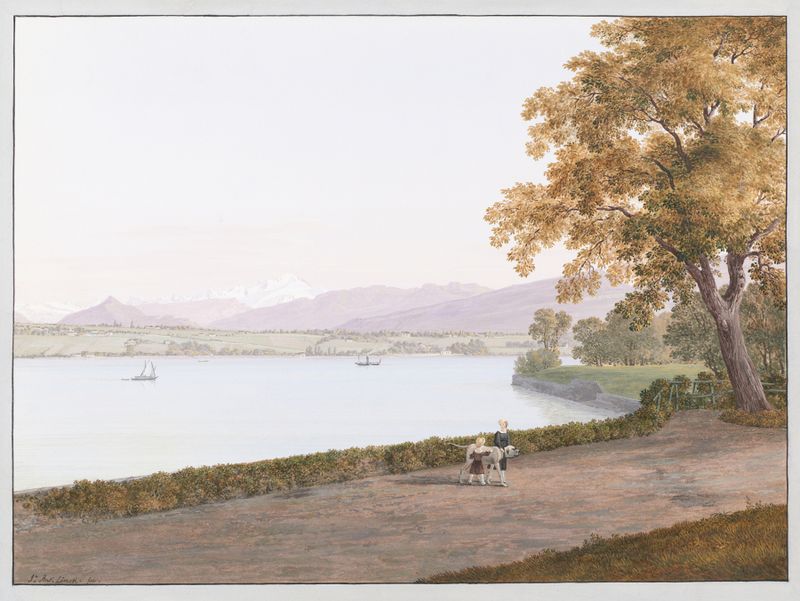
Vue du Lac Léman près de Genève
Jean-Antoine Linck
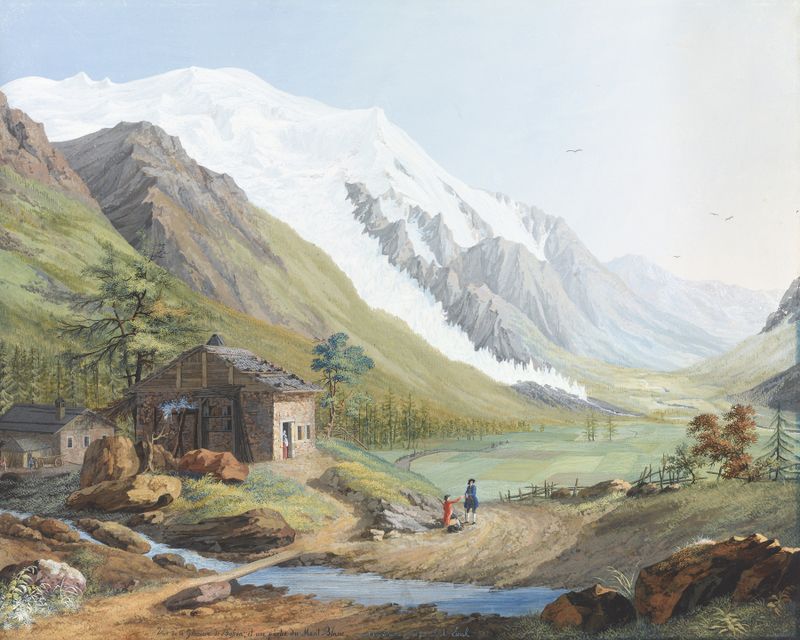
Vue de la Glaciere de Bosson, et une partie du Mont Blanc
Jean-Antoine Linck
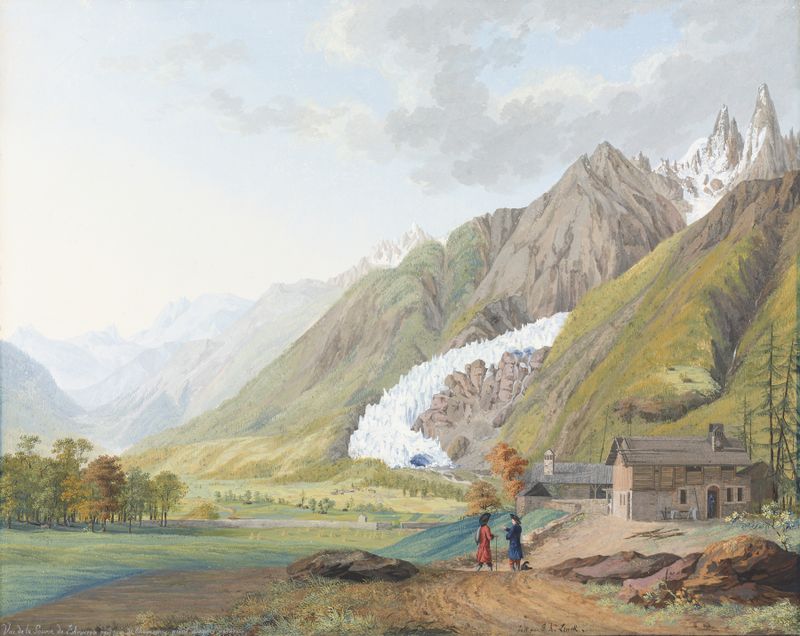
Vue de la Sourse de l’Arveron prit près de Chamouny peint d’après nature
Jean-Antoine Linck
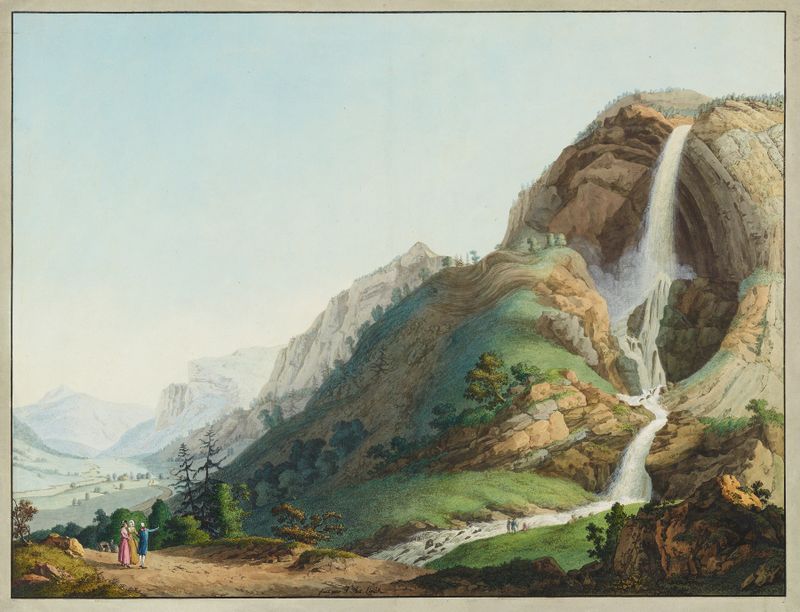
Vue de la Cascade de l’Arpenas
Jean-Antoine Linck
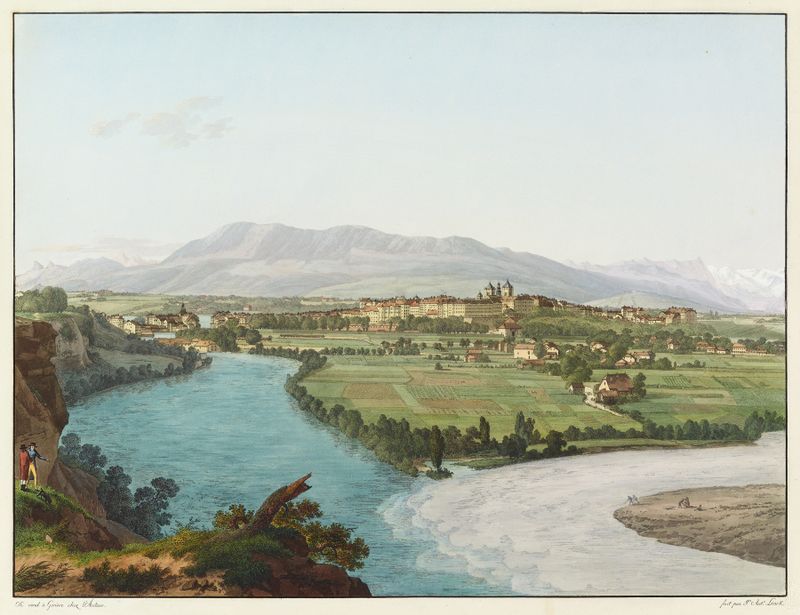
Vue de Genève & Jonction de l’Arve avec le Rhône
Jean-Antoine Linck
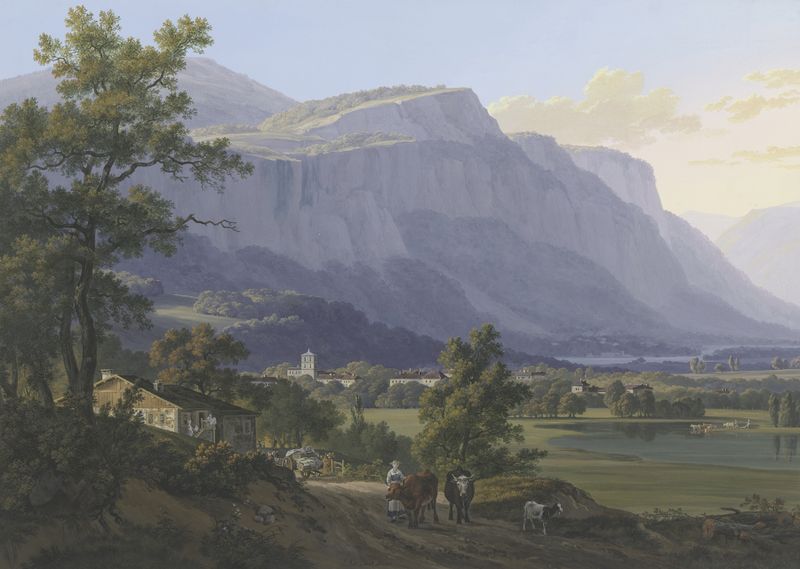
Vue de la ville de St. Jeoire à 5. lieus de Genève, et des Montagnes de Machily, et Fausigny
Jean-Antoine Linck
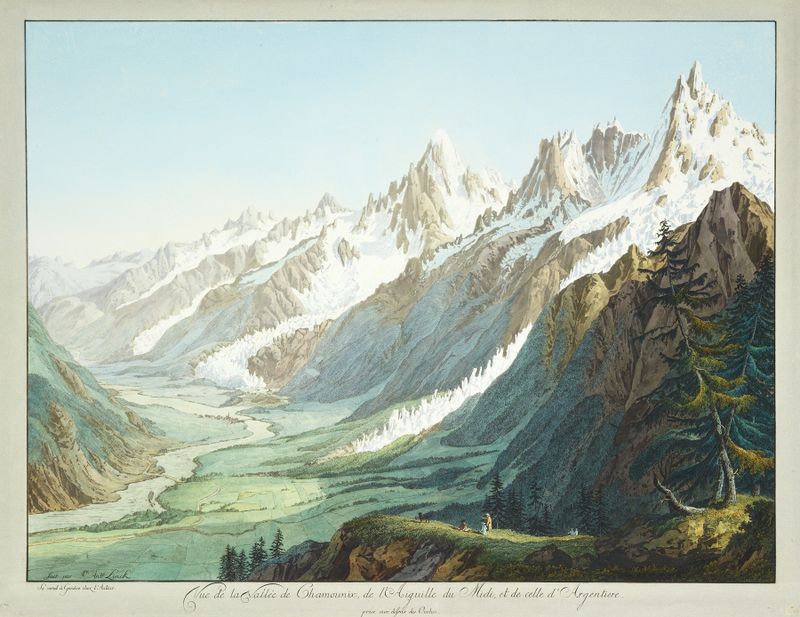
Vue de la Vallée de Chamounix, de l’Aiguille du Midi, et de celle d’Argentiere
Jean-Antoine Linck





