
View of the Mondsee — History & Facts
When did color learn to lie? In View of the Mondsee, Hans Gude invites us to wrestle with the paradox of nature's truths, woven into a tapestry of vibrant hues that both reveal and conceal. Look to the center, where the sun-kissed lake shimmers, its surface a deceitful mirror reflecting the surrounding mountains in stunning clarity. The artist deftly employs a palette of blues and greens, each stroke suggesting the freshness of the landscape. Notice how the light dances across the water, illuminating the gentle curves of the hills and the serene sky above, while the delicate brushwork adds a sense of vibrancy that pulses with life.
Every element, from the lush foreground to the distant peaks, composes a harmonious whole, yet each layer conceals deeper truths about perception and reality. In the foreground, the juxtaposition between the calm of the lake and the ruggedness of the mountains hints at the emotional duality present in the natural world. The bright flowers, though joyful, stand as a reminder of the transience of beauty, while the looming mountains evoke a sense of permanence and solitude. This interplay of contrasting elements creates an underlying tension, challenging the viewer to consider what lies beneath the picturesque surface—a contemplation of nature's illusions and the viewer's interpretations. Hans Gude painted View of the Mondsee in 1870 during a pivotal period in his career, while living in Norway and deeply engaged in the Romanticism movement.
This artwork emerged as he sought to express the tranquility and majesty of the Norwegian landscape, reflecting not only his personal artistic evolution but also a broader fascination with the sublime beauty found in nature during an era that valued emotional depth and realism.
More Artworks by Hans Gude
Browse all →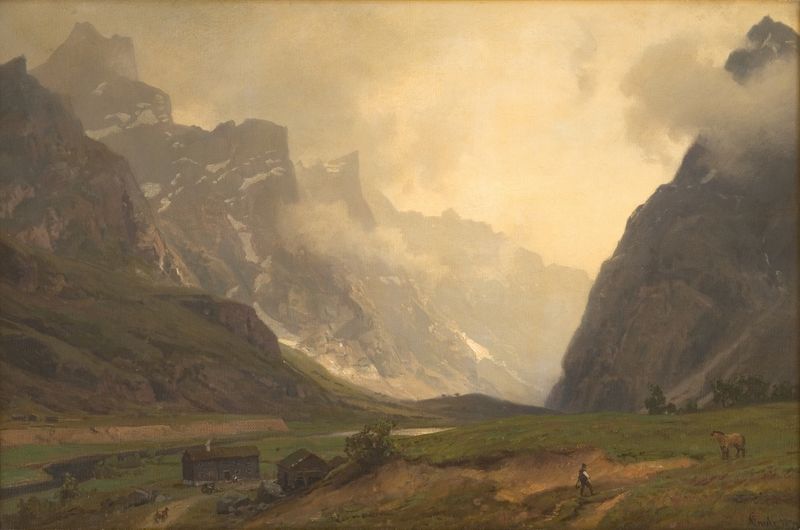
The Troll Peaks in Romsdalen, The Foot of Romsdalshorn to the Right
Hans Gude
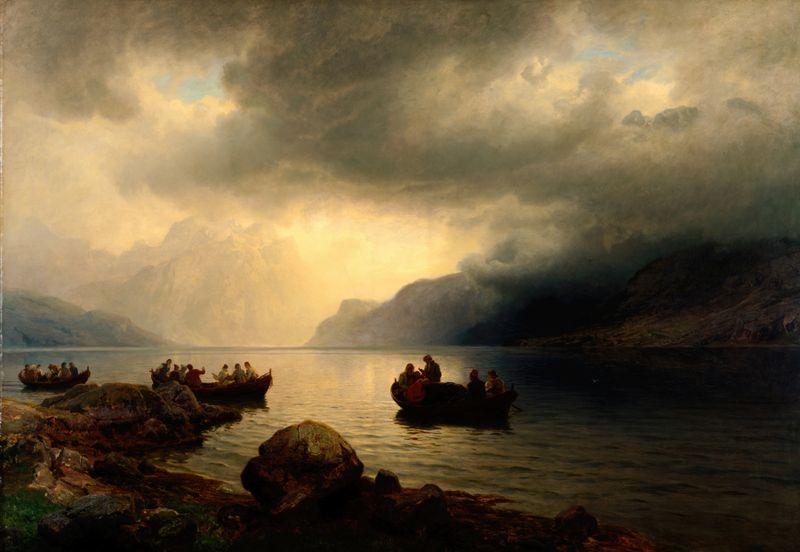
Funeral Procession on the Sogne Fjord
Hans Gude
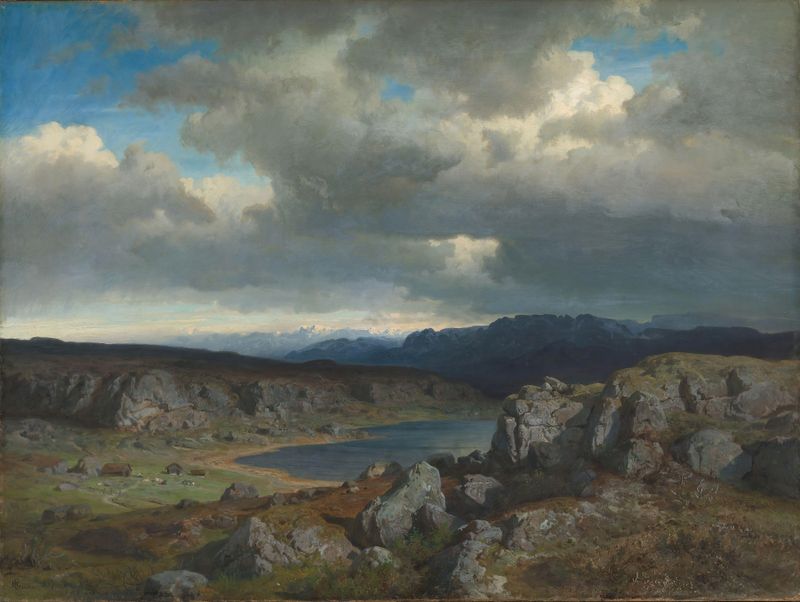
Norwegian Highlands
Hans Gude
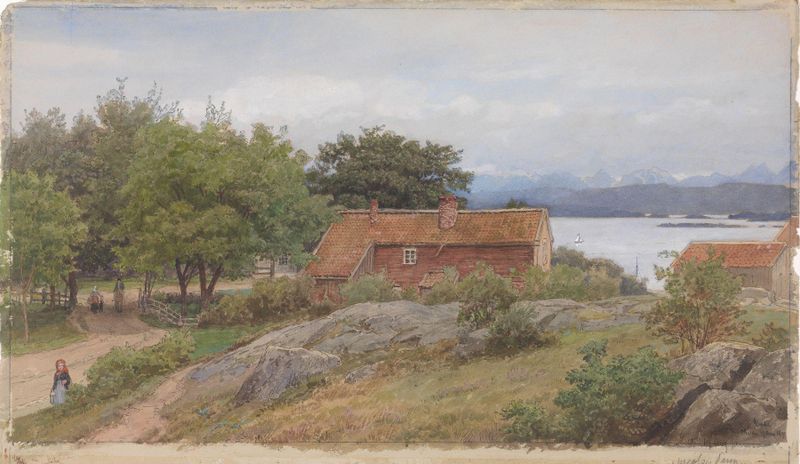
Landskap med bondegård ved Molde
Hans Gude
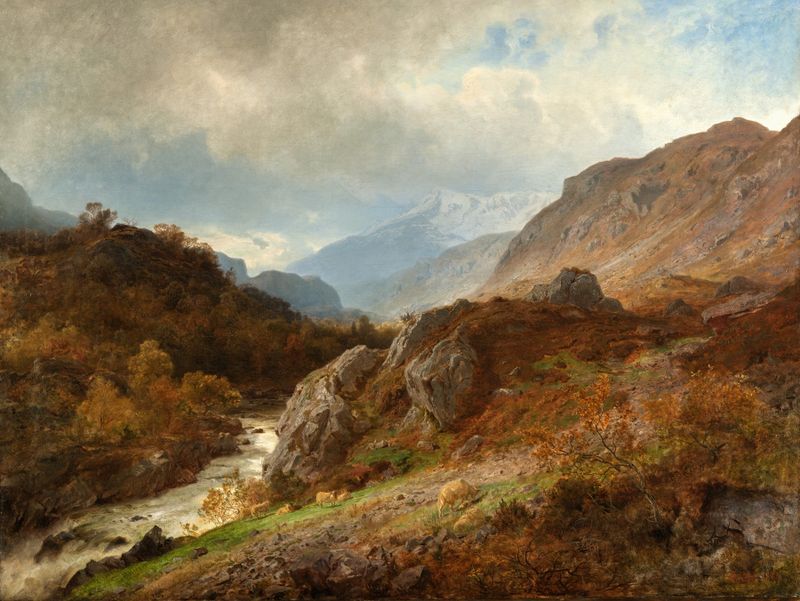
Mountain Landscape
Hans Gude
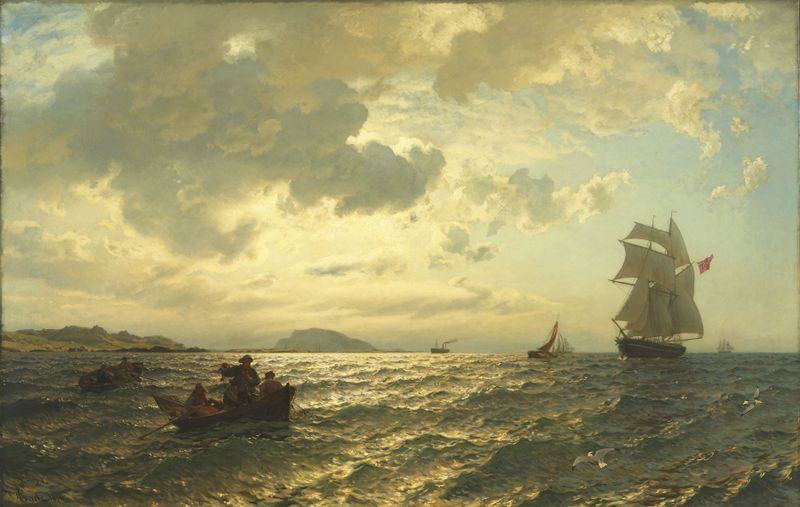
Fresh Breeze on the Norwegian Coast
Hans Gude
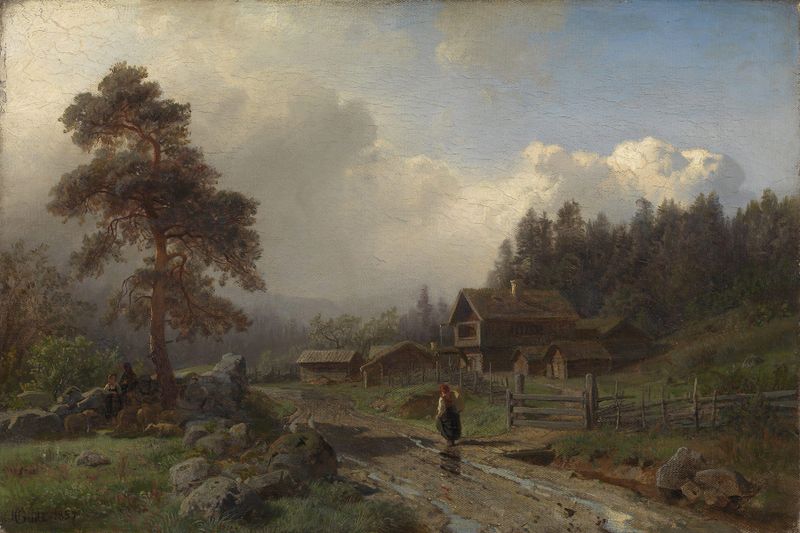
Norwegian Landscape in Rain
Hans Gude
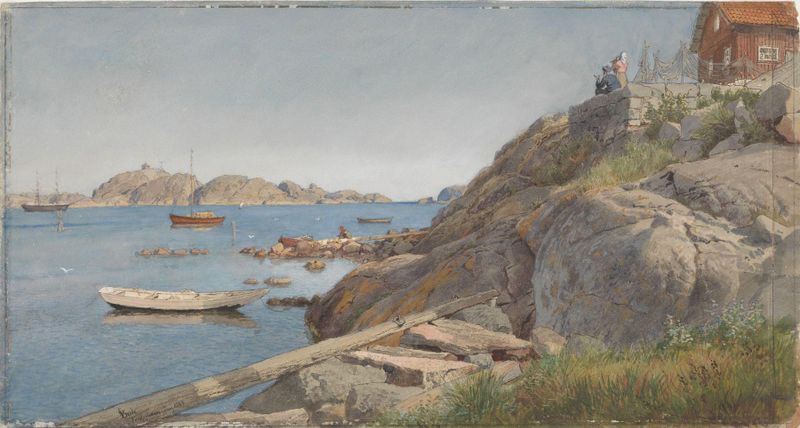
Landscape by Stavern
Hans Gude
Norwegian Highlands in Sunrise
Hans Gude
A Scene at Dusk in Norway
Hans Gude





