
View of the Oslofjord — History & Facts
This sentiment resonates profoundly within the tranquil yet haunting landscape, where nature’s decay intertwines with beauty, inviting contemplation of what remains when life ebbs away. Look to the foreground, where the gentle undulations of the land cradle the shimmering waters of the Oslofjord. Notice the soft brushstrokes that depict the interplay of light and shadow upon the surface, creating a mesmerizing reflection that draws the eye into the depths of the scene. The palette, rich with muted greens and earthy browns, contrasts sharply against the ethereal blues of the water, capturing both the serenity and the underlying melancholy of the natural world. In the distance, the rugged cliffs hint at the passage of time, their weathered surfaces a testament to the relentless forces of nature.
Delve into the details: a solitary boat gliding across the fjord carries whispers of human existence amidst the vastness, echoing themes of solitude and transience. This painting evokes an awareness of decay, juxtaposing the vibrant life of the landscape with the inevitability of change, leaving viewers in a reflective state upon the thresholds of beauty and loss. In 1839, the artist painted this work during a time of significant change in Norway, as the Romantic movement began to flourish. Fearnley, inspired by the natural landscapes of his homeland, sought to capture the sublime beauty of the Oslofjord, influenced by his travels and the artistic dialogues of his contemporaries.
His work marked an essential phase in his development as a landscape artist, as he embraced the interplay between nature and art amidst a dynamic cultural backdrop.
More Artworks by Thomas Fearnley
Browse all →
Norwegian Landscape, Marumfoss
Thomas Fearnley

Gudvangen
Thomas Fearnley

Stormy Landscape with a Rider
Thomas Fearnley
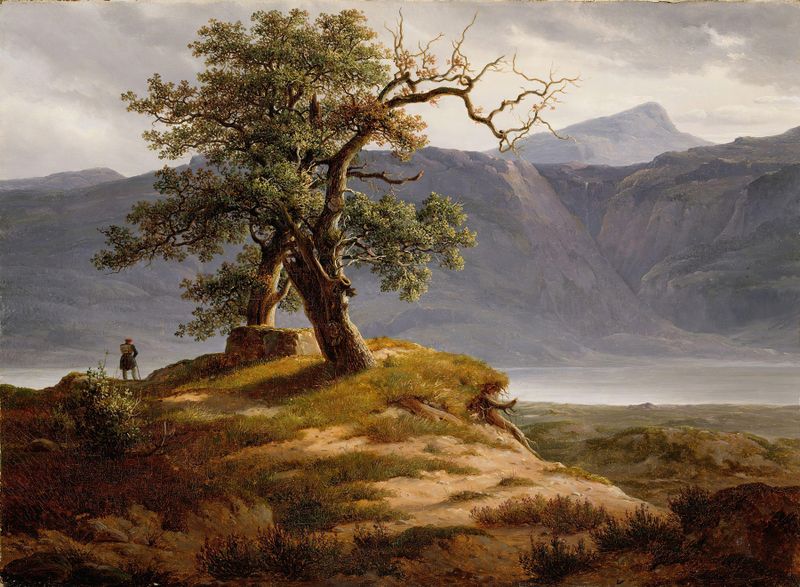
Landscape with a Wanderer
Thomas Fearnley
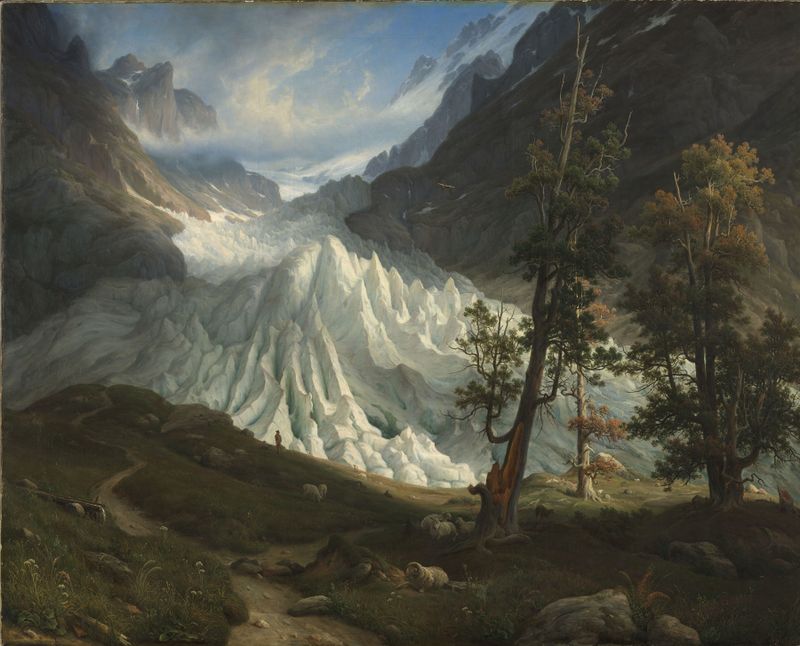
The Grindelwaldgletscher
Thomas Fearnley

Clouds over the Fjord
Thomas Fearnley
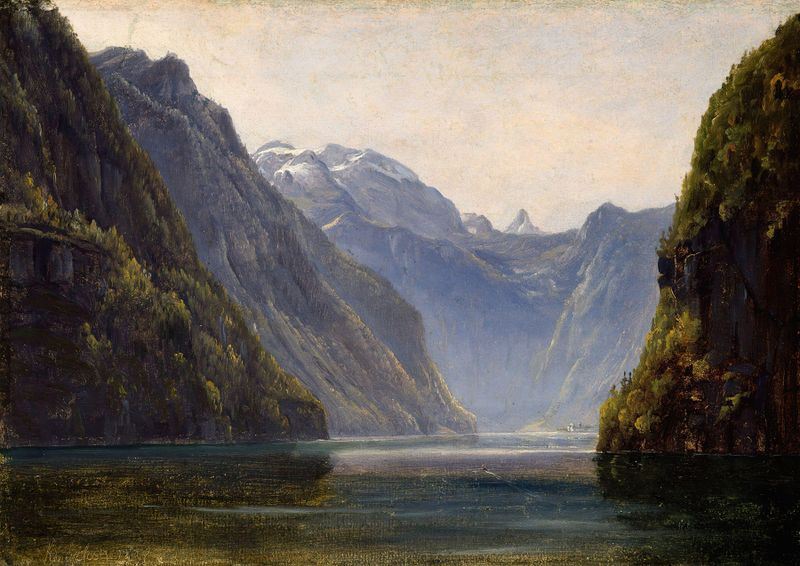
From Königssee
Thomas Fearnley

The Bridge of Hauge outside Arendal
Thomas Fearnley

King Vilhelm II’s ceremonial Processsion in Amsterdam in 1840
Thomas Fearnley

Duck-shooting an Autum Morning by Königssee
Thomas Fearnley





