
King Vilhelm II’s ceremonial Processsion in Amsterdam in 1840 — History & Facts
Who listens when art speaks of silence? In King Vilhelm II’s Ceremonial Procession in Amsterdam in 1840, shadows whisper the unvoiced emotions that lie beneath the surface of a grand public event. Look to the left at the gathering crowd, their faces a tapestry of anticipation. The artist employs a subtle palette dominated by muted browns and greens, allowing the figures and the architecture to emerge like memories from the past. The sunlight almost feels like an afterthought, casting elongated shadows that stretch across the cobblestone street, creating a contrast that heightens the sense of reverence and unease.
The meticulously detailed horses and carriages draw the eye, yet it is the figures in the background, enveloped in shadow, that invite closer inspection. Hidden within the grandiosity of the procession lies a rich interplay of power and the everyday human experience. The shadows of the crowd suggest a collective introspection, each figure seemingly lost in their thoughts. The juxtaposition of the celebratory atmosphere with the darker tones evokes a tension between public duty and personal reflection, hinting at the duality of the occasion — the triumph of monarchy against the backdrop of societal complexities.
Each shadow becomes a vessel for unspoken stories, encouraging the viewer to ponder the emotions that linger in the air. In 1840, while Fearnley painted this scene, Europe was steeped in political turmoil and shifting ideologies following the revolutions of 1830. Working in Amsterdam, he sought to capture the cultural zeitgeist of his time, documenting a ceremonial occasion that mirrored the tension between tradition and progress. This period was marked by a fervent interest in realism, and Fearnley’s focus on the intricate details of the procession reflects his commitment to portraying life as it truly was, effectively bridging the personal with the historical.
More Artworks by Thomas Fearnley
Browse all →
Norwegian Landscape, Marumfoss
Thomas Fearnley

View of the Oslofjord
Thomas Fearnley

Gudvangen
Thomas Fearnley

Stormy Landscape with a Rider
Thomas Fearnley
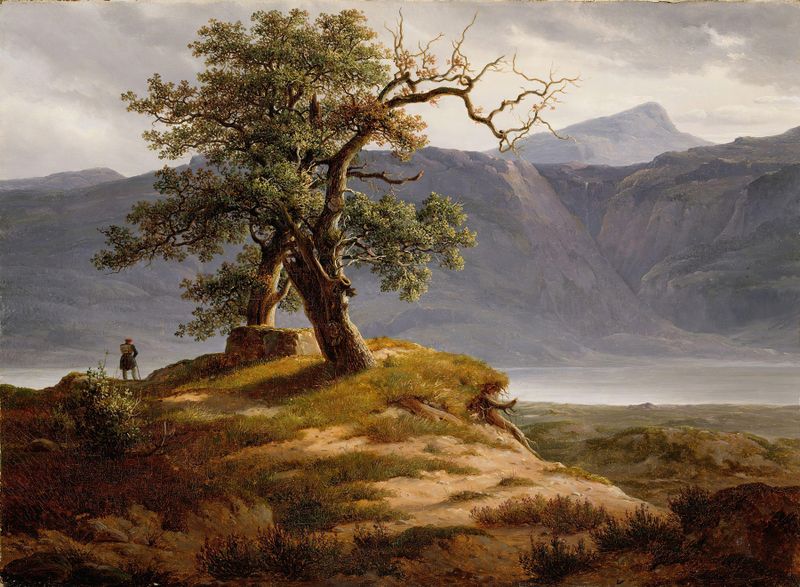
Landscape with a Wanderer
Thomas Fearnley
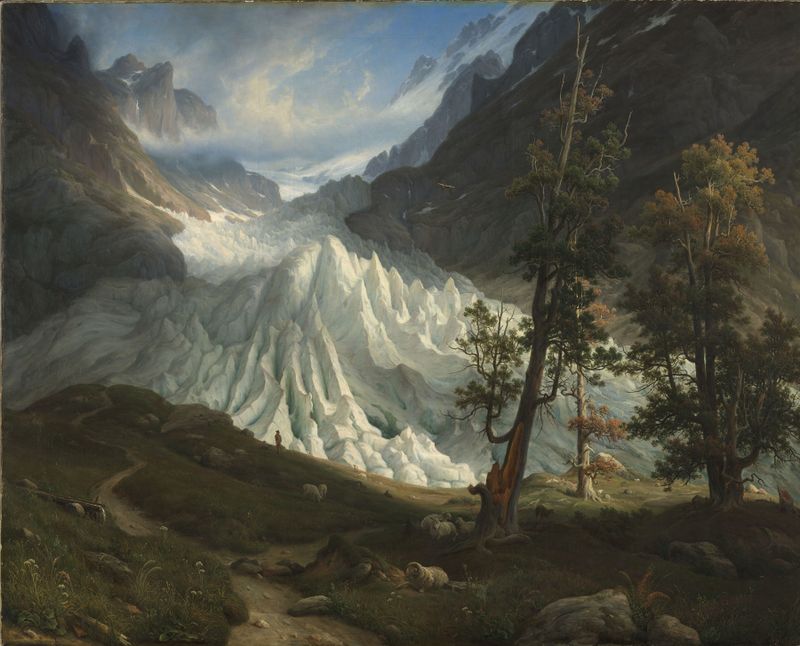
The Grindelwaldgletscher
Thomas Fearnley

Clouds over the Fjord
Thomas Fearnley
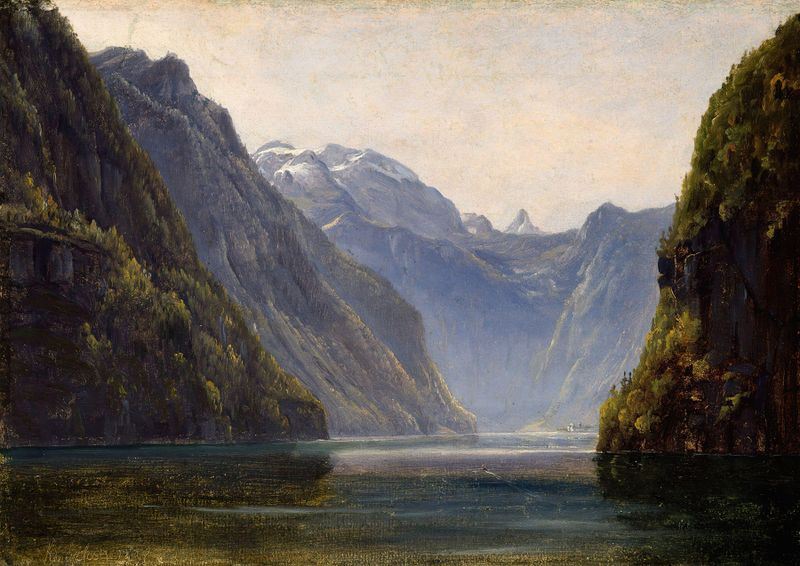
From Königssee
Thomas Fearnley

The Bridge of Hauge outside Arendal
Thomas Fearnley

Duck-shooting an Autum Morning by Königssee
Thomas Fearnley
More Historical Art
Browse all →
The Night Watch Militia Company of District II under the Command of Captain Frans Banninck Cocq
Rembrandt van Rijn

Lincoln Memorial
Henry Bacon

The Third of May 1808
Francisco de Goya

Isaac and Rebecca, Known as ‘The Jewish Bride’
Rembrandt van Rijn

The Charge of the Mamelukes (1814)
Francisco de Goya

De vier ruiters van de apocalyps
Albrecht Dürer