
View of the Roman Campagna near Frascati — History & Facts
When did color learn to lie? The landscape before us teeters on the edge of reality, blurring the lines between the seen and the imagined. Look to the left at the undulating hills, painted in layers of greens and yellows that pulse with the warmth of a Mediterranean sun. The sky overhead, a brilliant azure, seems alive as soft, cotton-like clouds drift lazily across the canvas. The artist’s brushwork is deliberate yet fluid, drawing the eye across the natural contours and leading to the distant horizon.
Each stroke celebrates the vibrancy of the Italian countryside, evoking a sense of both serenity and wonder. Yet beneath this idyllic surface lies a deeper tension. The vivid colors, intended to invoke life and vibrancy, hint at an illusion—an enchanting facade that masks the complexities of the natural world. The shadows lurking at the base of the hills suggest hidden depths and unspoken stories.
In this vibrant paradise, one can sense that beauty often conceals a harsher reality, a reminder that what we perceive may not reflect the truth. Curt Agthe painted this work in 1930, during a period marked by artistic experimentation in Europe as artists sought new forms of expression. Living in Germany, Agthe was influenced by movements that celebrated color and abstraction, striving to capture the beauty of landscapes while impeding the viewer's perception of reality. This painting exemplifies his mastery, reflecting both the charm of the Roman countryside and the underlying complexities of existence.
More Artworks by Curt Agthe
Browse all →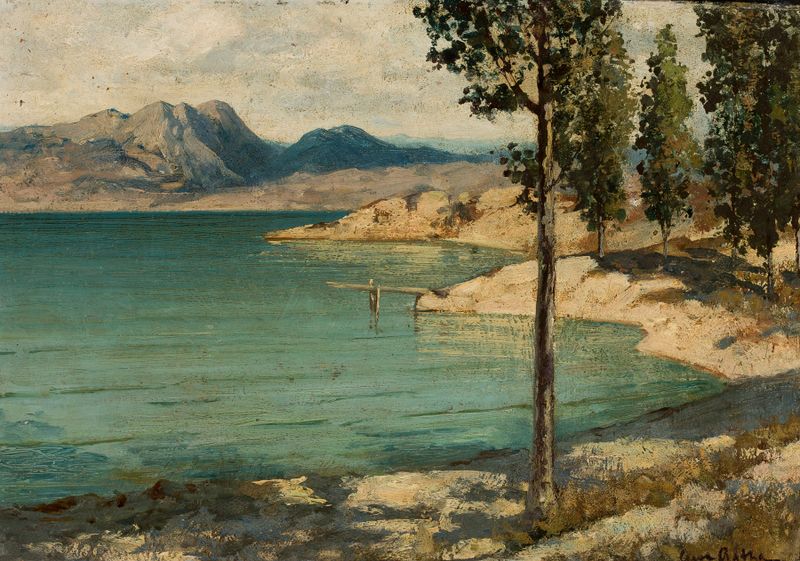
Lake Garda
Curt Agthe
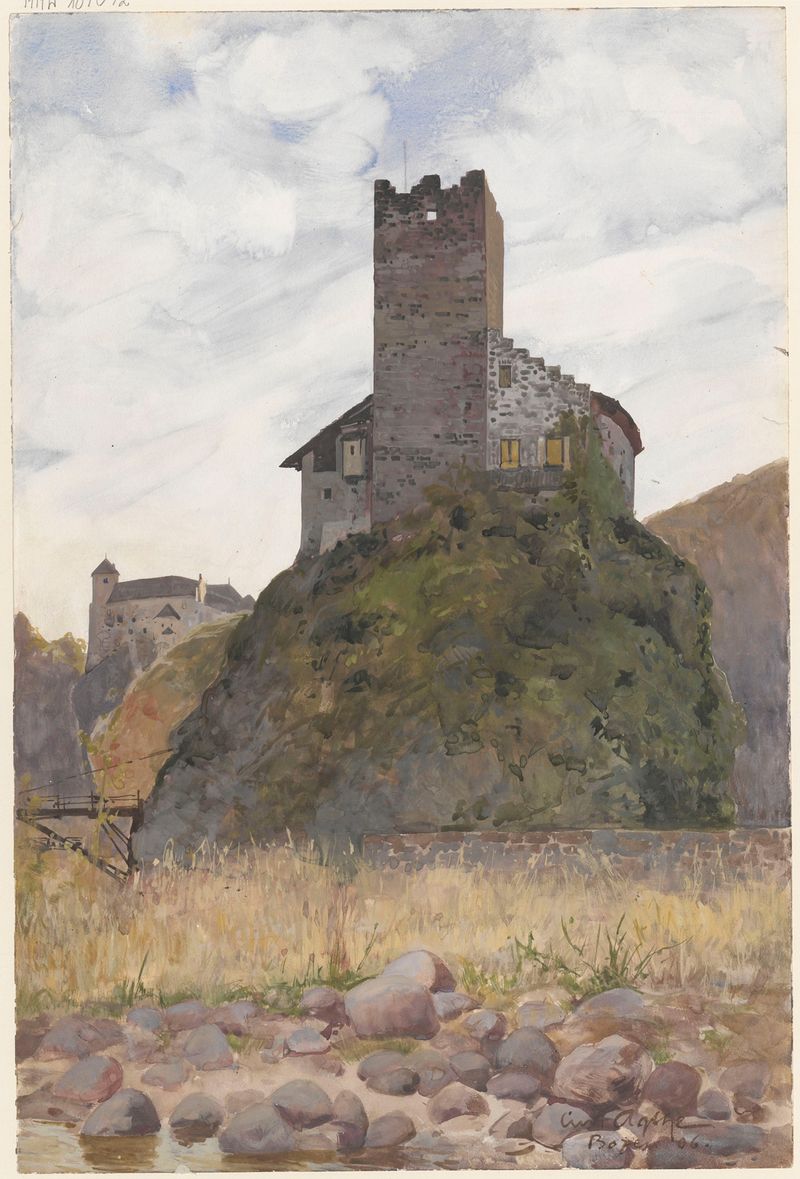
Castel Novale tower and view of Castel Runcolo in Bolzano
Curt Agthe
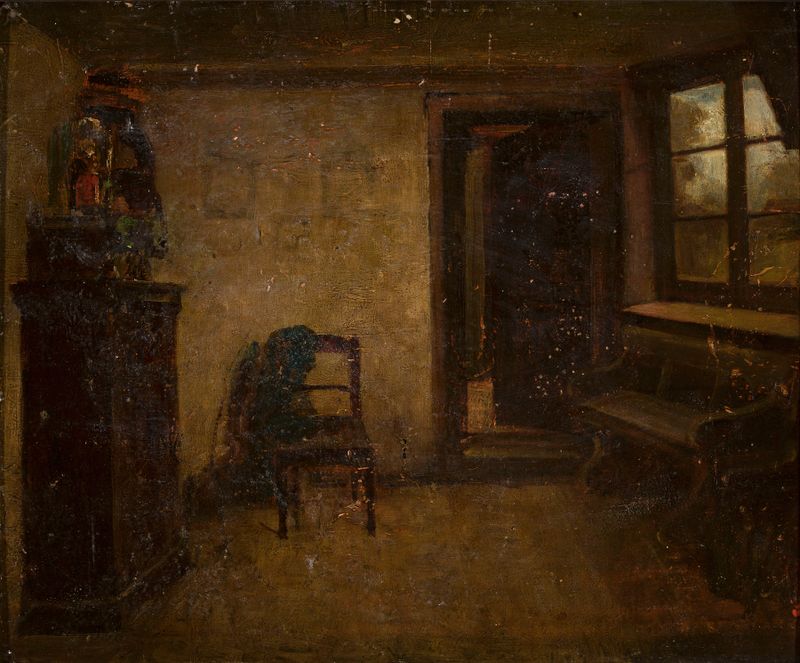
Room interior
Curt Agthe
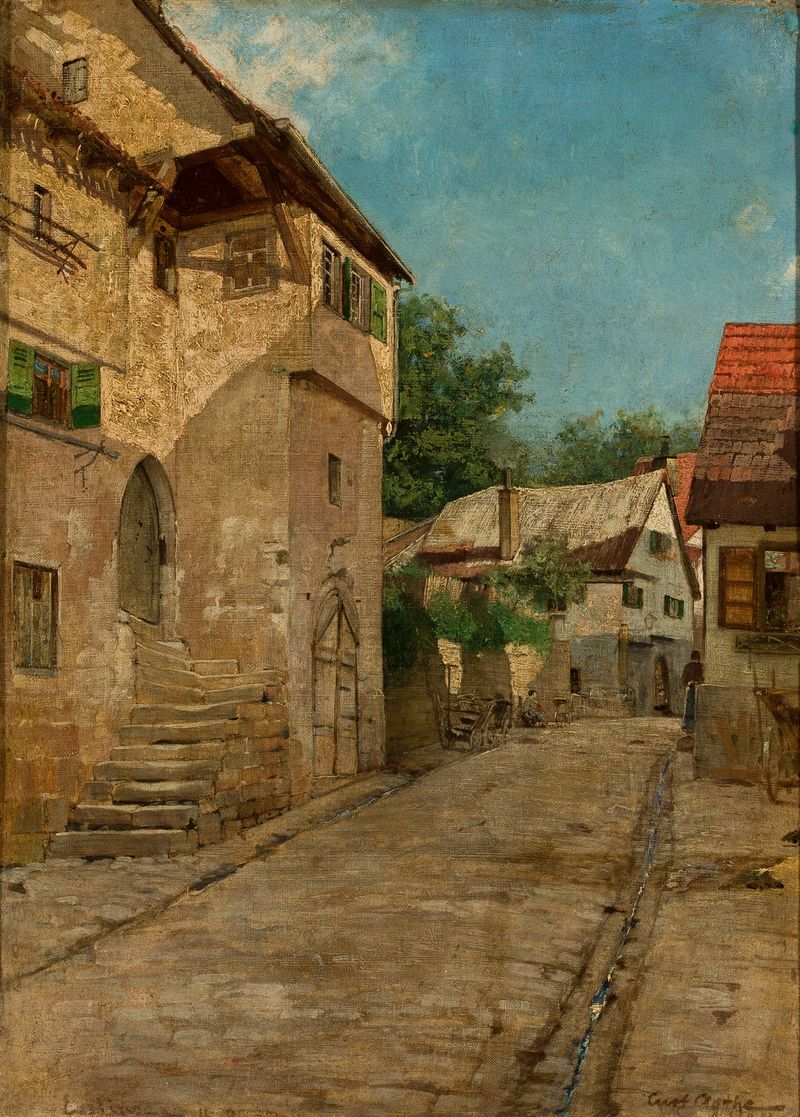
In a town
Curt Agthe
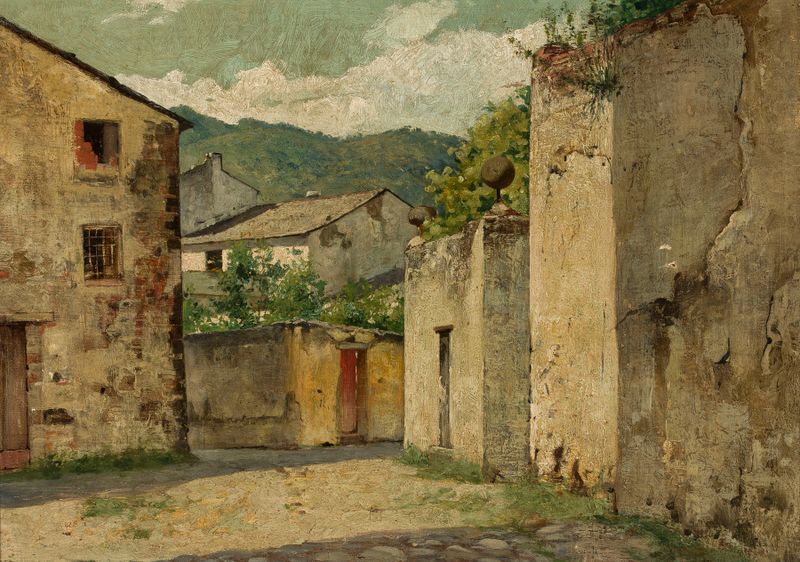
View of the town of Cassa on Riviera di Levante
Curt Agthe
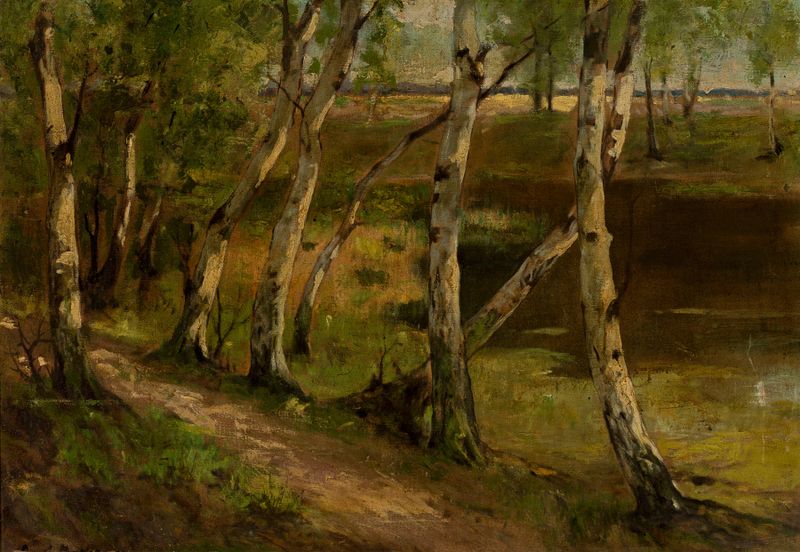
Birches at waterside
Curt Agthe
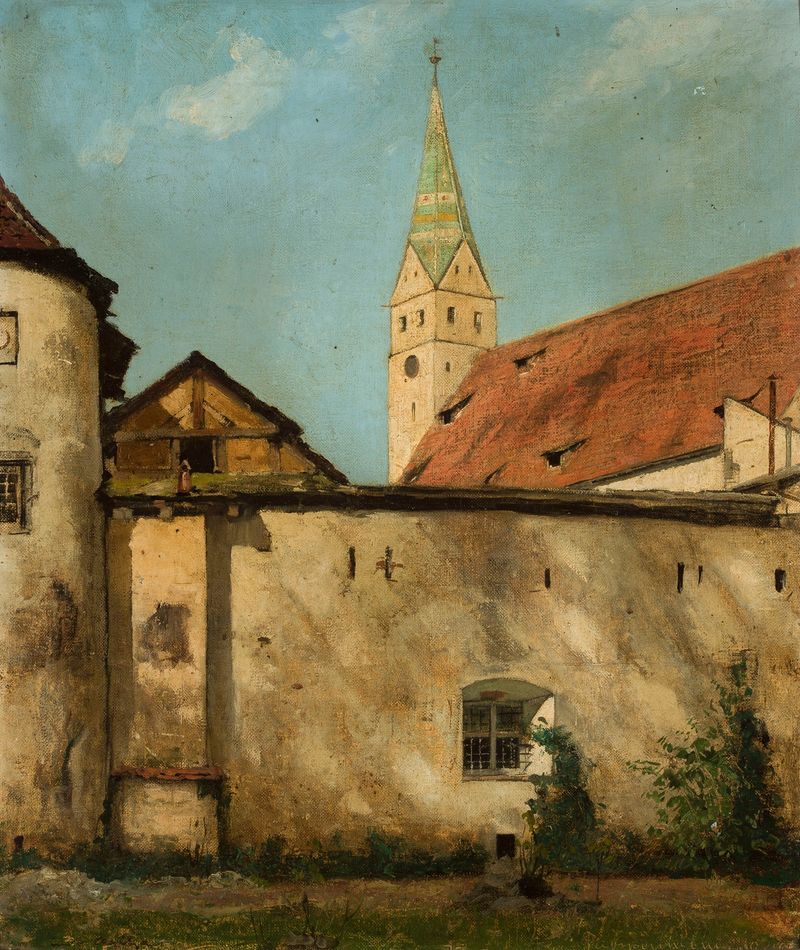
Courtyard of the castle in Pappenheim
Curt Agthe
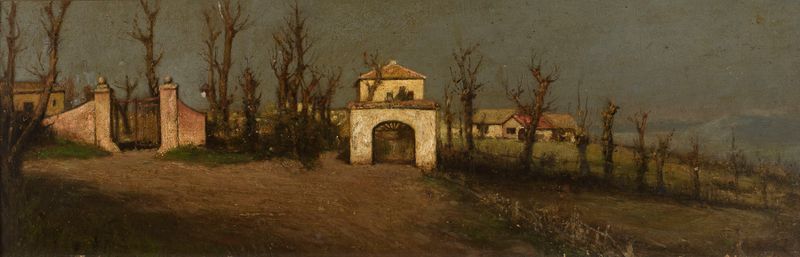
Landscape
Curt Agthe

Landscape with poplars
Curt Agthe

Waterfall
Curt Agthe





