
View Of Wrangell, Alaska, In 1884 — History & Facts
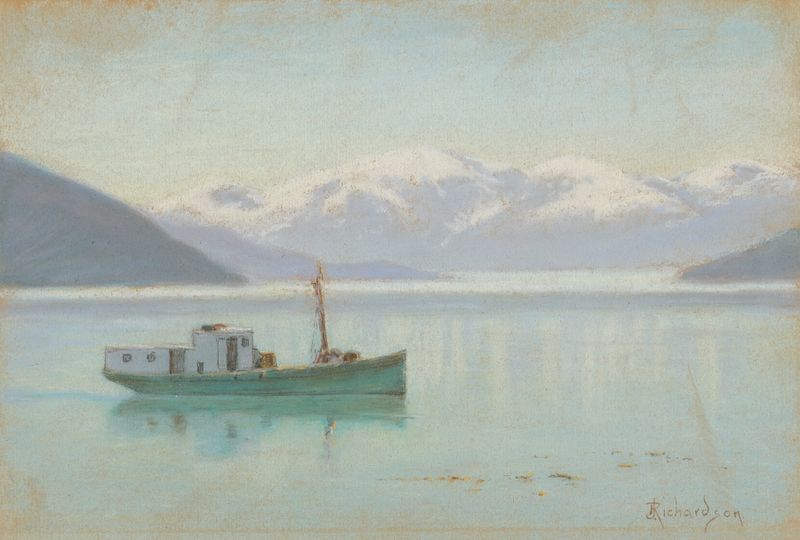
When did color learn to lie? The vivid hues of blue and green can deceive the heart, masking the quiet ache of what lies beneath nature's surface. Focus on the horizon where the mountains rise, their majestic peaks kissed by soft, golden light. Notice how Richardson's brushstrokes blend the cool shades of the water with the warm tones of the sky, creating an ethereal balance. Each stroke invites the viewer to explore the depth of the landscape, revealing not just a scene, but an emotional landscape fraught with longing. Delve deeper into the painting and observe the subtle contrasts between the serenity of the water and the looming presence of the mountains.
This juxtaposition speaks to the tension between beauty and isolation, as the viewer senses the vastness of the wilderness alongside an inherent solitude. The colors, while vibrant, also hint at a melancholy—an awareness of the fleeting nature of such untouched beauty, suggesting that even paradise is tinged with loss. Richardson created this work in 1884 while capturing the essence of Alaska's untamed landscape, a time when the region was still largely unexplored. Living in the Pacific Northwest, the artist was influenced by the burgeoning interest in American landscapes, embodying both the optimism of exploration and the impending changes brought by civilization.
This painting reflects not just a moment in time but also an emotional response to a world on the brink of transformation.
More Artworks by Theodore J. Richardson
Browse all →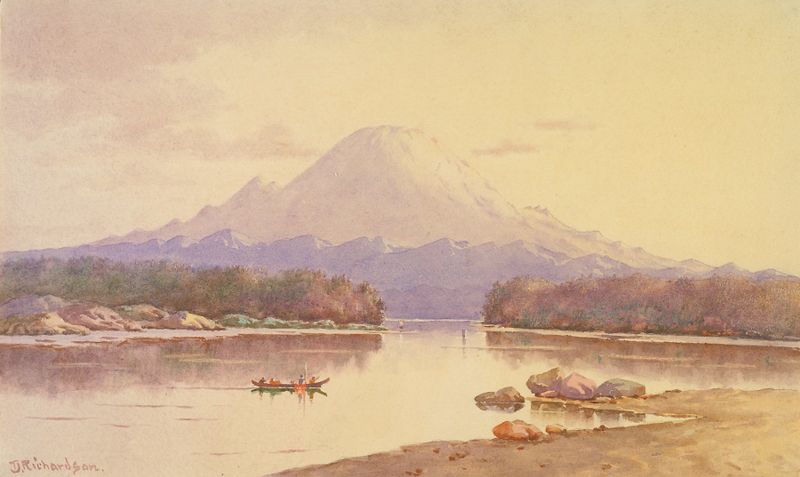
Mount Rainier
Theodore J. Richardson
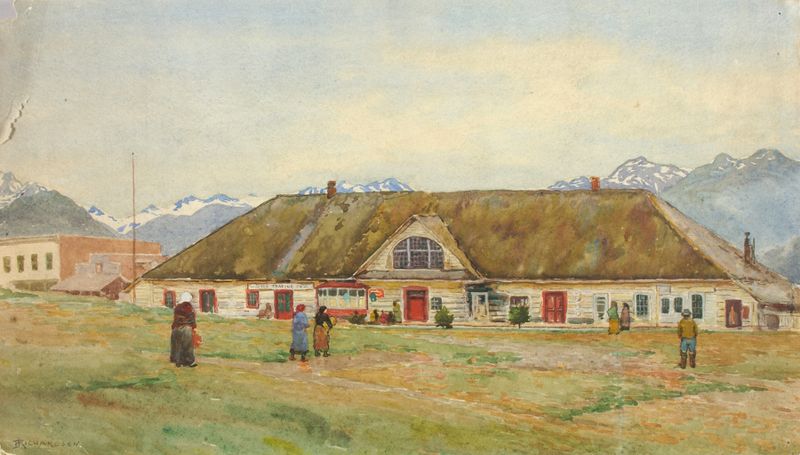
Old Russian Trading Post, Sitka
Theodore J. Richardson

The Ranch Native Village, Sitka, 1884
Theodore J. Richardson

Rear View Of Greek Church, Sitka, 1888
Theodore J. Richardson
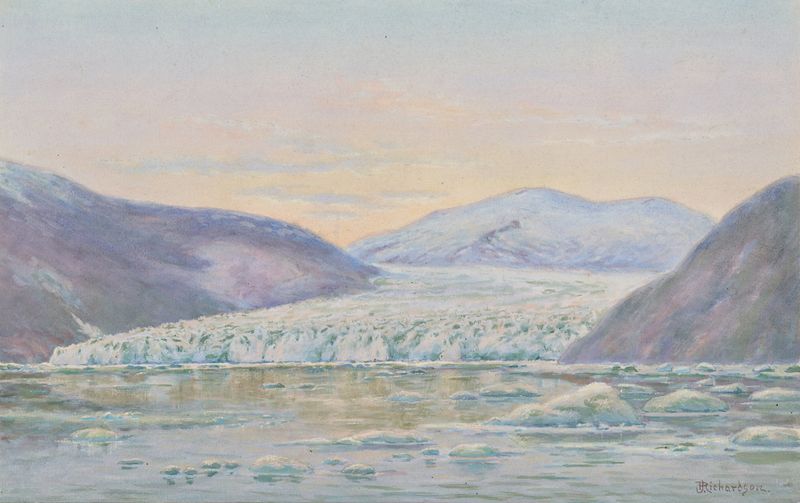
Taku Glacier, Evening
Theodore J. Richardson

St. Elias Alps
Theodore J. Richardson

Drying Blankets Over Canoes
Theodore J. Richardson

In The Old Quarter, Sitka, 1900
Theodore J. Richardson
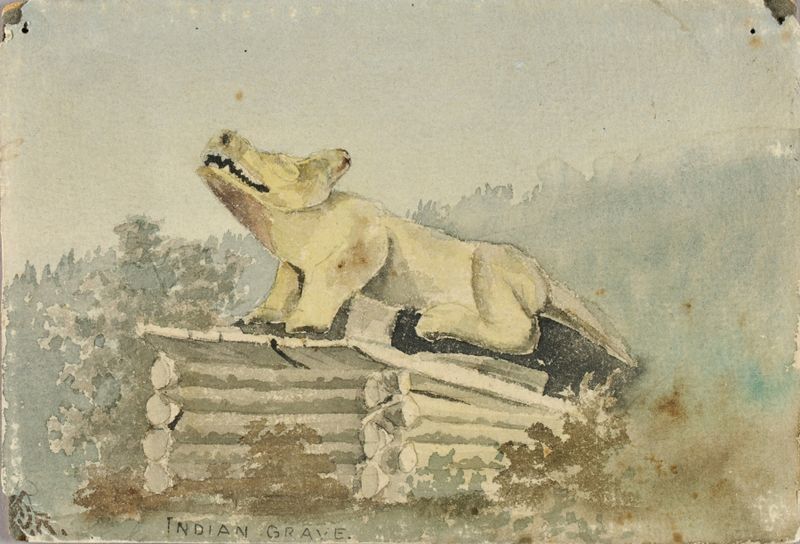
Indian Grave. Wolf Totem Over Medicine Man Grave, Wrangell
Theodore J. Richardson
Jack Mantle’s Boat
Theodore J. Richardson





