
View West of Lout Harbour; Spitzberger — History & Facts
Where does light end, and longing begin? In this quiet landscape, the boundaries blur, evoking a sense of melancholy that lingers in the air and resonates deeply with the soul. Look to the horizon, where cerulean skies meet the gentle curves of land. Notice how the soft, diffuse light bathes the scene in a delicate glow, illuminating the sparse vegetation that clings to the rocky outcrops. The composition draws the eye from the foreground, with its muted greens and browns, back toward the shimmering waters of Lout Harbour, where reflections dance like whispered secrets upon the surface.
The subtle blending of colors creates a dreamlike quality, inviting viewers to linger and lose themselves in the expanse. As you explore the painting further, contemplate the contrasts present within it: the stillness of the land against the ebb and flow of the water, the vibrant sky juxtaposed with the earthy tones below. This duality creates a tension that stirs feelings of both tranquility and longing, suggesting an unfulfilled yearning for connection, both with nature and perhaps with something more elusive. Each brushstroke embodies a story of isolation, yet it also evokes a profound appreciation for the beauty that can be found in solitude. Charles Hamilton Smith painted this work during a period of reflection, likely in the late 18th or early 19th century.
Known for his landscapes and marine themes, he captured the essence of the natural world during a time when artists were increasingly exploring the sublime. While specific events in his life during the creation of this painting remain uncertain, it was an era marked by a growing fascination with the interplay between light, atmosphere, and the emotional depths of the human experience.
More Artworks by Charles Hamilton Smith
Browse all →
Situation of H.M.S. Hecla & Griper
Charles Hamilton Smith
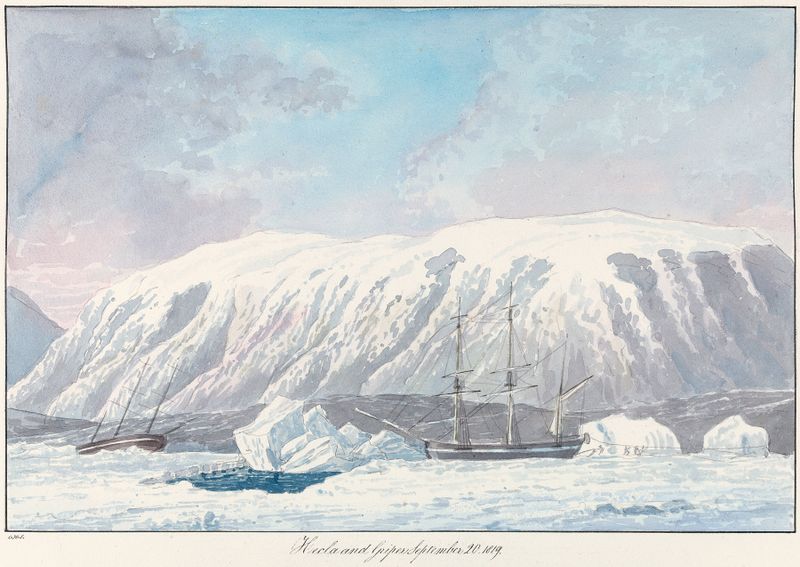
Hecla and Griper
Charles Hamilton Smith

Friendly Cove, Nootka Sound
Charles Hamilton Smith

Iceberg in Baffin’s Bay
Charles Hamilton Smith
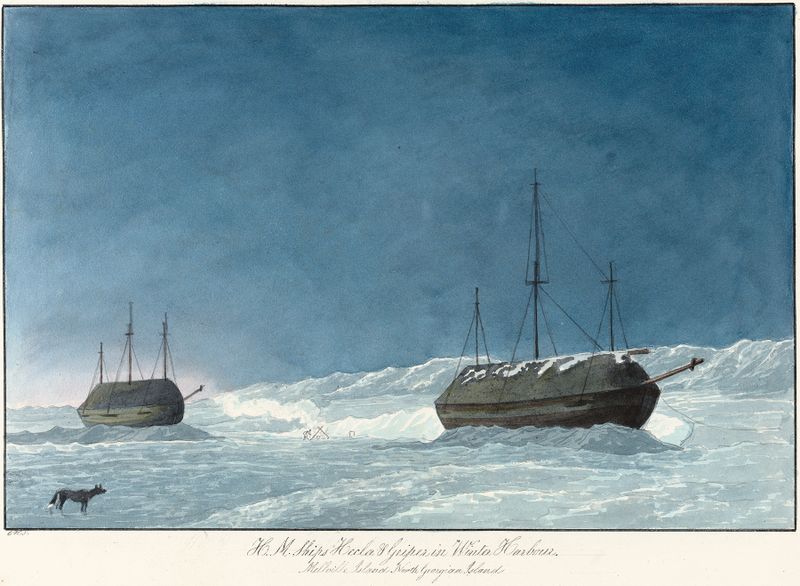
H. M. Ships Hecla and Griper in Winter Harbour
Charles Hamilton Smith

The Erebus & Terror in a Gale in the Pack of the Ice
Charles Hamilton Smith
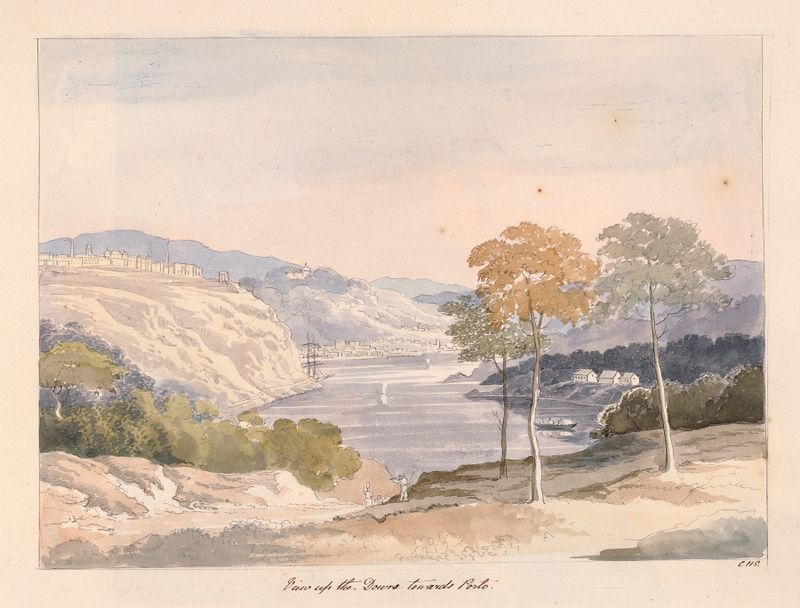
View of the Douro towards Porto
Charles Hamilton Smith
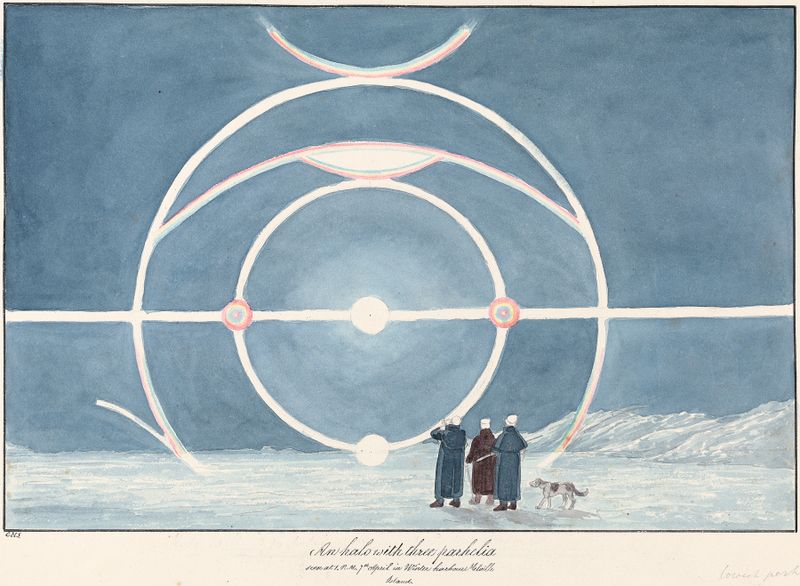
Halo with Three Parhelia, Winter Harbour Melville Island
Charles Hamilton Smith
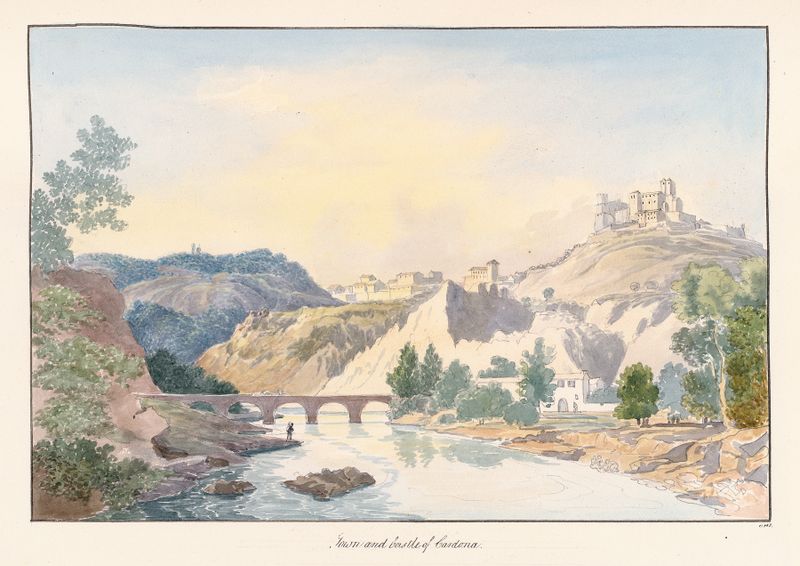
Town and Castle of Cardona
Charles Hamilton Smith
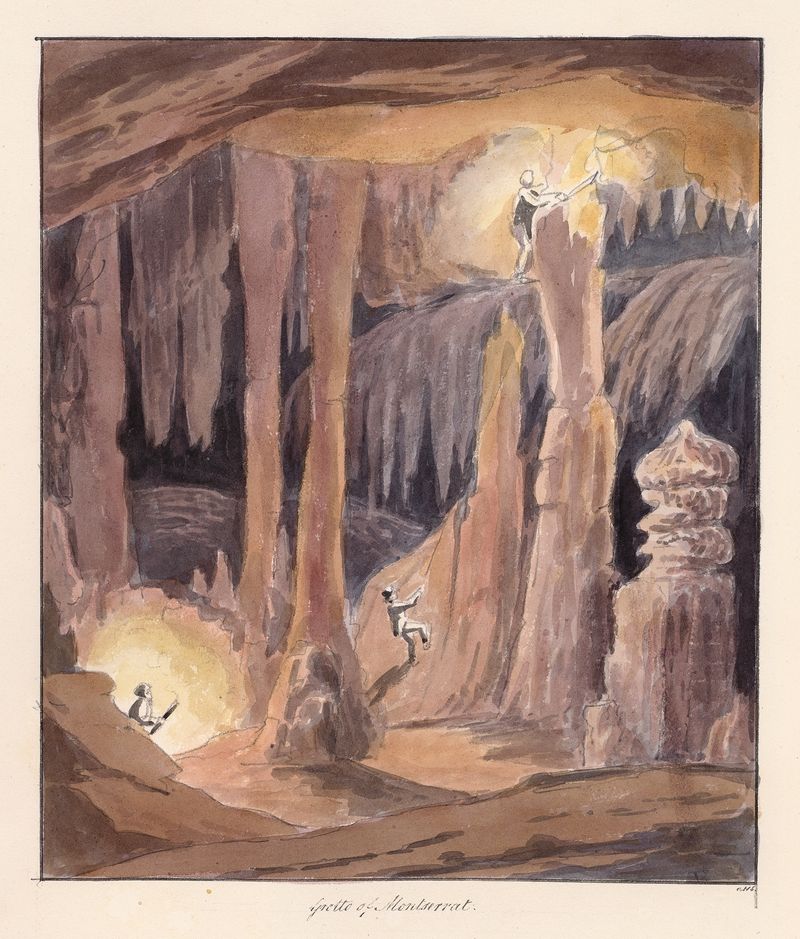
Grotto of Montserrat
Charles Hamilton Smith





