
Views on the Tagus — History & Facts
Who listens when art speaks of silence? In Views on the Tagus, the canvas becomes a vessel of divine contemplation, inviting introspection amidst the tranquil waters. Look to the left, where the serene river curves gracefully, its surface reflecting the muted hues of a setting sun. The artist employs a delicate palette of soft blues and warm golds, creating a harmonious balance that draws the viewer's eye across the composition. Notice how the gentle brushstrokes depict the interplay of light and shadow, evoking a sense of stillness that permeates the scene.
The meticulous detail in the foreground, with lush greenery framing the waterway, calls to mind both the beauty and ephemeral nature of the world. As you delve deeper, consider the contrast between the calmness of the river and the looming mountains in the background. This juxtaposition speaks to the tension between human existence and the vastness of nature, suggesting a dialogue that echoes throughout the ages. The figures on the banks seem almost ethereal, embodying the quiet reverence one might feel when faced with the majesty of the natural world.
Each element in the artwork serves as a reminder of the divine, urging the observer to pause and reflect on their own place within the landscape. Created in an uncertain time, Charles Hamilton Smith painted Views on the Tagus amidst his explorations of topography and natural beauty. This period, marked by a burgeoning appreciation for landscape painting, allowed him to capture the essence of the river and its surroundings, revealing the profound connection between humanity and nature. Smith’s work resonates with the ideals of Romanticism, showcasing not only the physical beauty of the Tagus but also its spiritual significance.
More Artworks by Charles Hamilton Smith
Browse all →
Situation of H.M.S. Hecla & Griper
Charles Hamilton Smith
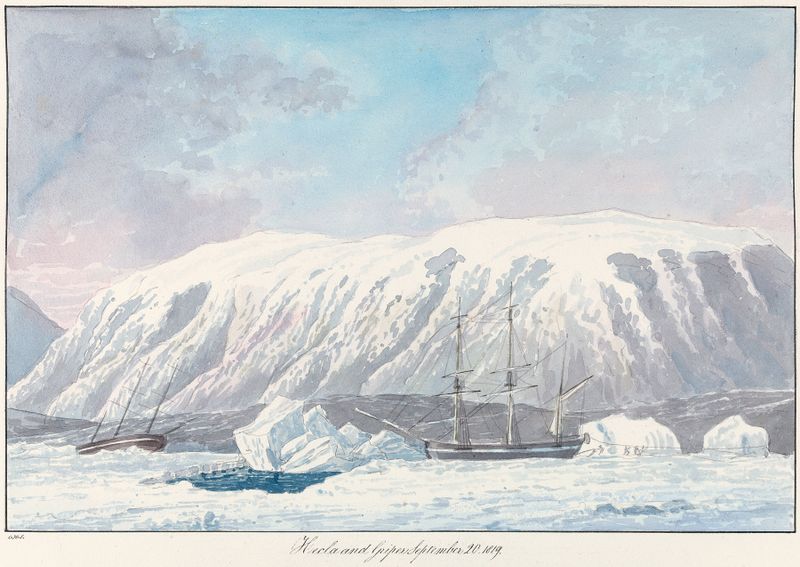
Hecla and Griper
Charles Hamilton Smith

Friendly Cove, Nootka Sound
Charles Hamilton Smith

Iceberg in Baffin’s Bay
Charles Hamilton Smith
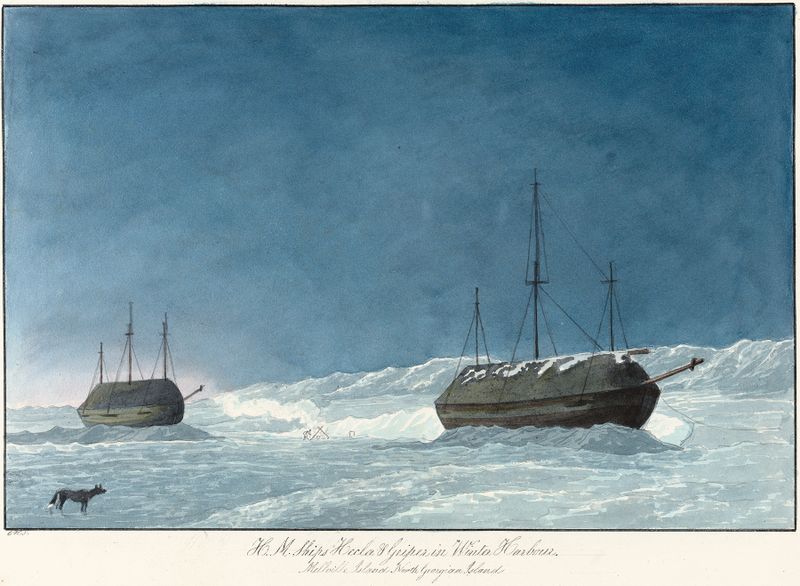
H. M. Ships Hecla and Griper in Winter Harbour
Charles Hamilton Smith

The Erebus & Terror in a Gale in the Pack of the Ice
Charles Hamilton Smith
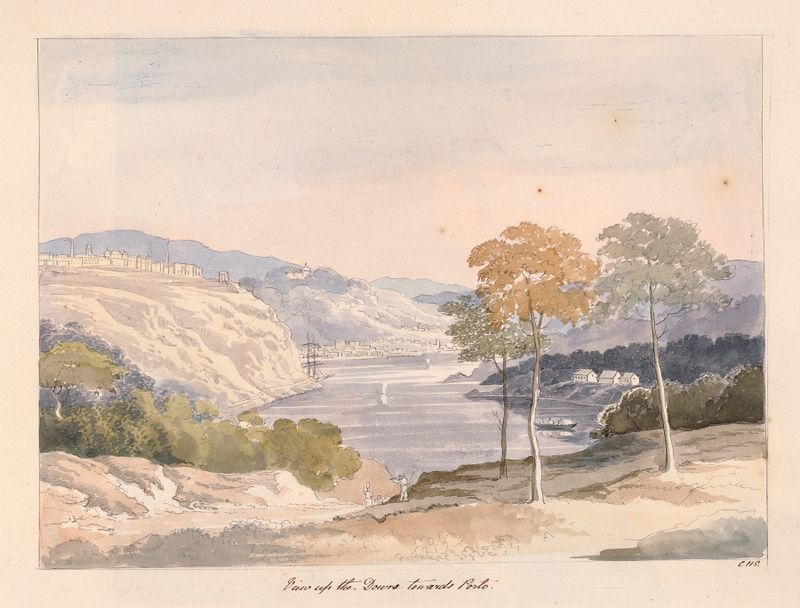
View of the Douro towards Porto
Charles Hamilton Smith
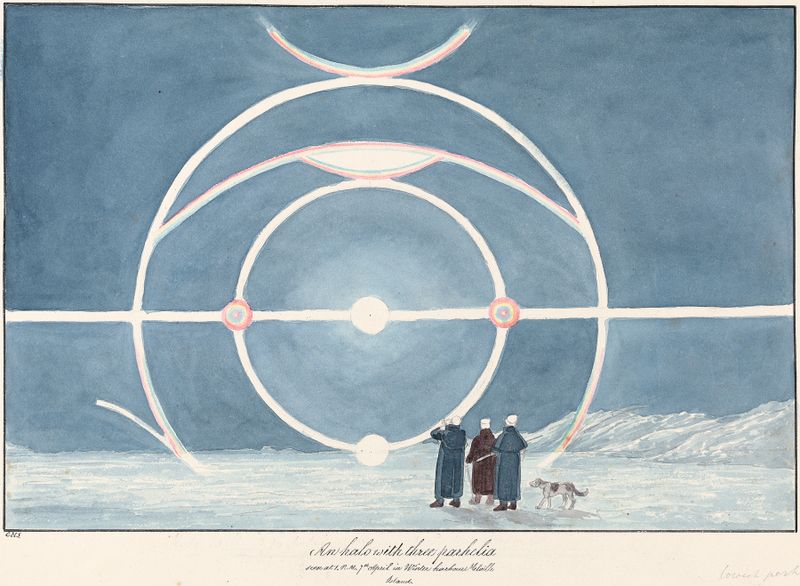
Halo with Three Parhelia, Winter Harbour Melville Island
Charles Hamilton Smith
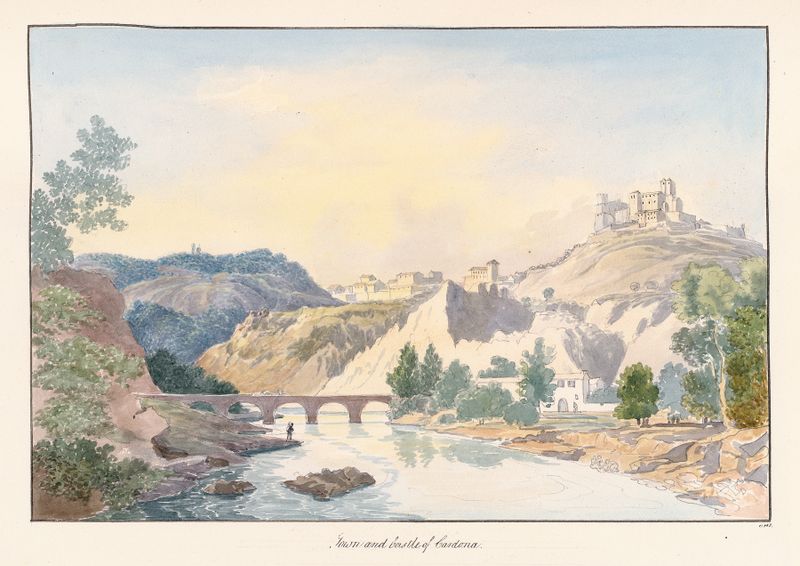
Town and Castle of Cardona
Charles Hamilton Smith
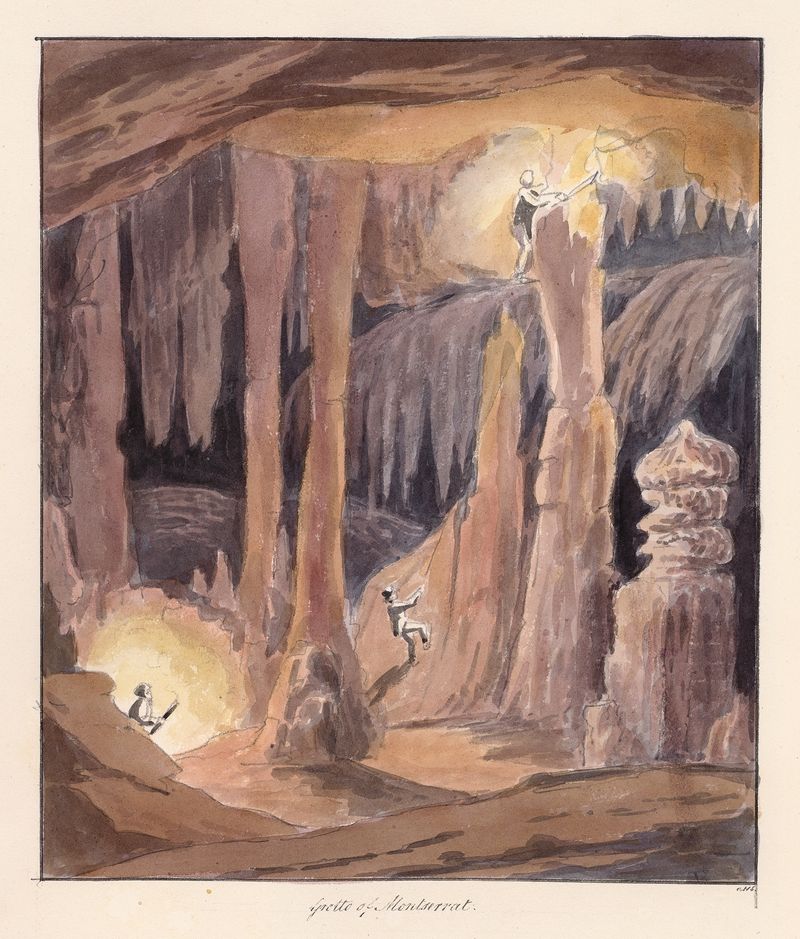
Grotto of Montserrat
Charles Hamilton Smith





