
Vijf vrouwenfiguren — History & Facts
Did the painter know this moment would outlive them? A fleeting assembly of figures poised between the past and an unknown future, echoing with the whispers of revolution. Look to the left at the striking contrast of vibrant kimono colors that envelop the five women, each garment a tapestry of intricate patterns. Notice how the delicate lines and forms meld harmoniously; the artist’s mastery of woodblock printing breathes life into silk, while the soft gradients of color create a sense of movement that is almost palpable. The composition draws the eye toward their expressions—a mix of serenity and contemplation—inviting the viewer to ponder their thoughts and stories. Delve deeper into the subtleties of their poses: the slight turn of heads, the gentle placement of hands that suggests a shared secret or a silent bond.
The interplay of light and shadow accentuates their features, revealing a tension between individuality and unity. Each woman represents not just her own identity but the collective strength of all women in a rapidly changing world—an unspoken revolution of spirit and resilience. During the late Edo period, Katsushika Hokusai was at the height of his creative powers, producing works that challenged conventions and celebrated the beauty of everyday life. Amidst Japan's isolationist policies, Hokusai's art began to reflect the burgeoning curiosity about the outside world, paving the way for future artistic movements.
In this time of change, he created Vijf vrouwenfiguren, a testament to the complexity and richness of women's experiences in a society on the brink of transformation.
More Artworks by Katsushika Hokusai
Browse all →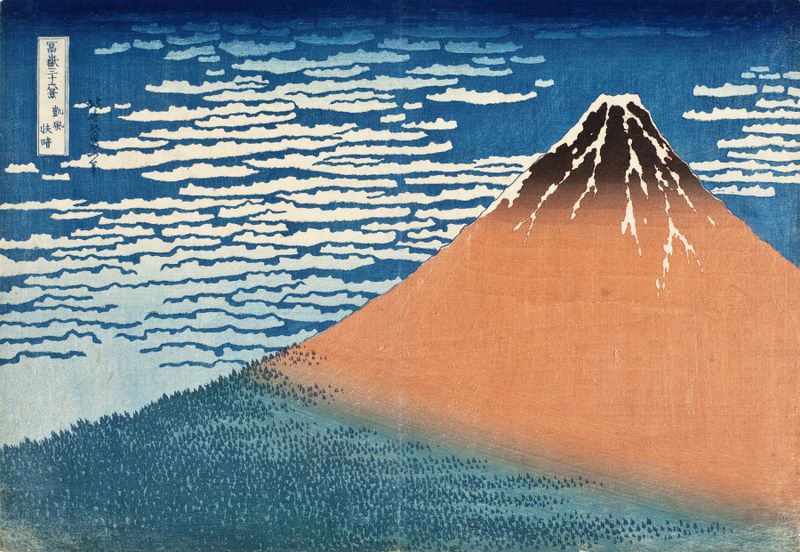
South Wind, Clear Dawn
Katsushika Hokusai

South Wind, Clear Weather
Katsushika Hokusai

Clear Weather with a Southerly Wind
Katsushika Hokusai
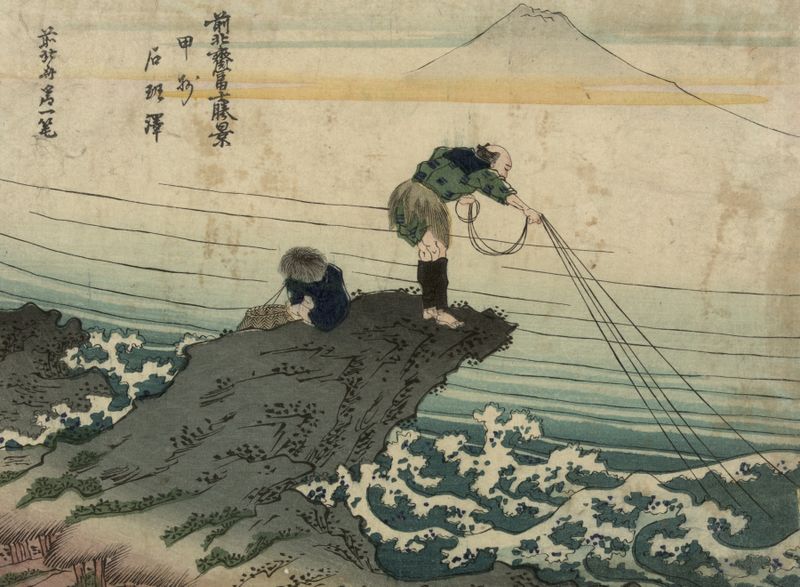
Kōshū kajikazawa
Katsushika Hokusai

Rainstorm beneath the Summit (Sanka Haku-u)
Katsushika Hokusai

Kōshū kajikazawa 2
Katsushika Hokusai
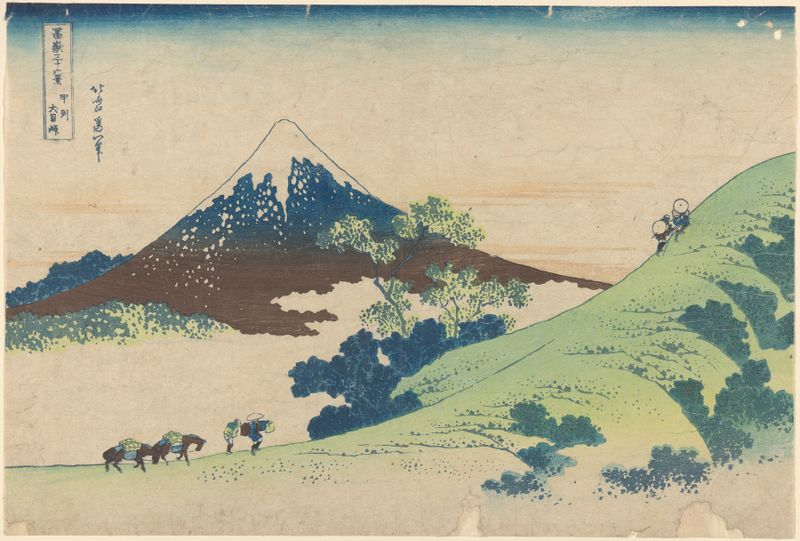
Inume Pass in Kai Province (Kôshû inume-tôge)
Katsushika Hokusai

Yoro Falls in Mino Province (Mino no Yoro no taki), from the series "A Tour of Waterfalls in Various Provinces (Shokoku taki meguri)"
Katsushika Hokusai
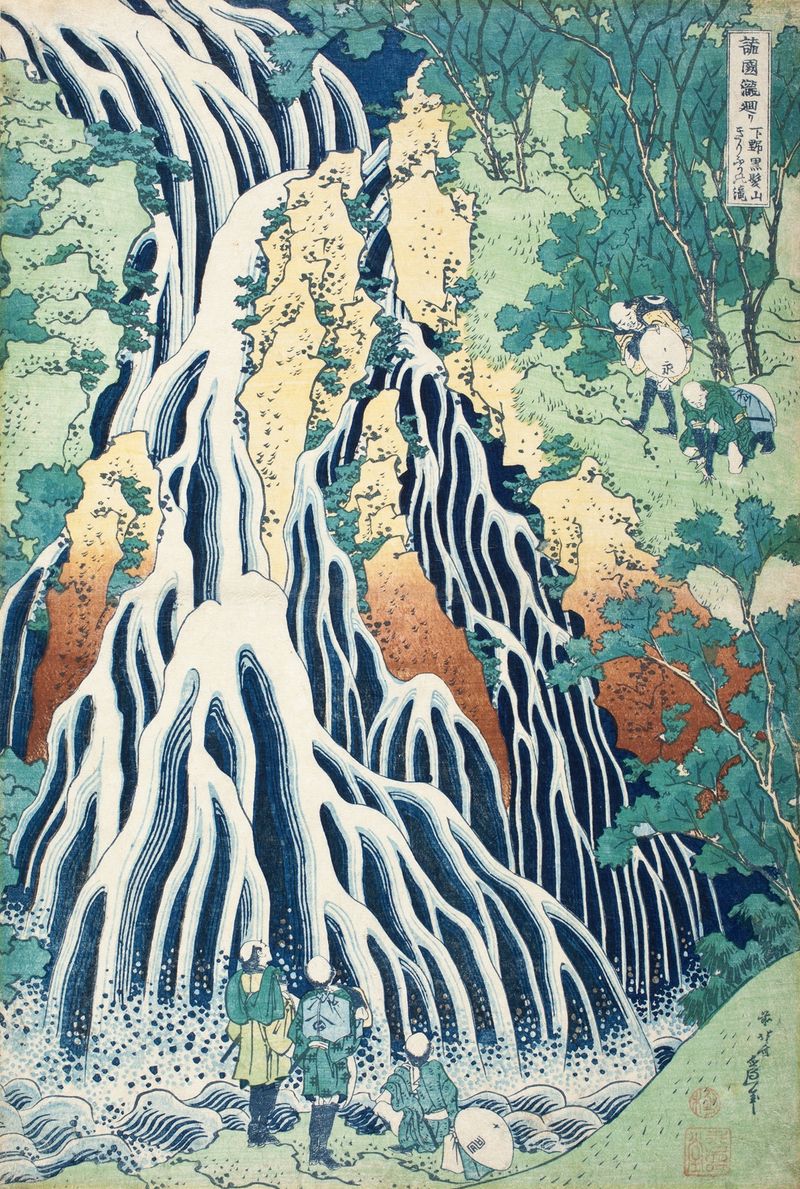
Falls of Kirifuri at Mt. Kurokami, Shimotsuke Province
Katsushika Hokusai
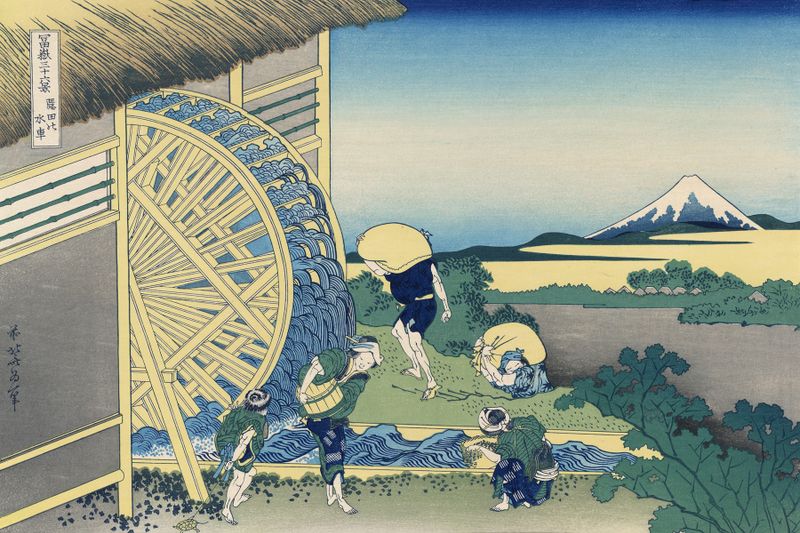
Onden no suisha
Katsushika Hokusai





