
Villa D’este — History & Facts
Where does light end, and longing begin? In the stillness of Villa D’este, the whisper of silence invites a journey inward, evoking a deeply introspective experience. Look to the left at the vibrant greens that cradle the majestic fountains, where sunlight dances upon the water's surface. Notice how the artist captures texture through delicate brushstrokes, creating a lush landscape that feels both inviting and elusive. The gentle play of light and shadow enhances the serene atmosphere, drawing your gaze towards the horizon, where subtle hints of warmth suggest a setting sun. As you explore deeper, contrasts emerge between the ornate architecture and the natural surroundings, reflecting a harmony that teeters on the edge of nostalgia.
The sharp lines of the villa stand firm, yet they are softened by the surrounding foliage, embodying a tension between man-made beauty and the untamed grace of nature. Each element resonates with unspoken stories—echoes of laughter or sighs of solitude, inviting viewers to ponder their own connections to such places of ethereal tranquility. In 1928, Maurice Denis crafted Villa D’este during a period when he sought to combine symbolism with the Impressionist legacy. Living in France, he was influenced by the post-war desire for beauty and peace, as artists began to explore more than mere representation, searching for emotional depth in their works.
This painting reflects not only his artistic journey but also a collective yearning for serenity in a rapidly changing world.
More Artworks by Maurice Denis
Browse all →
La plage rouge
Maurice Denis
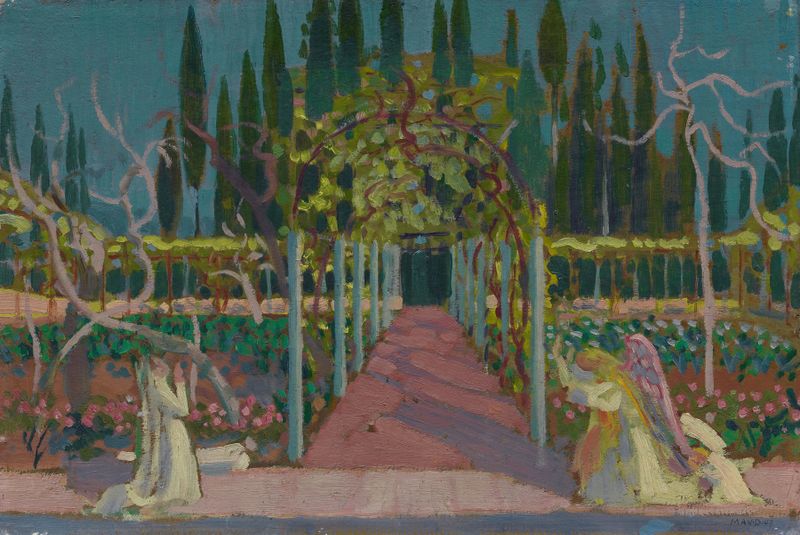
Annunciation
Maurice Denis
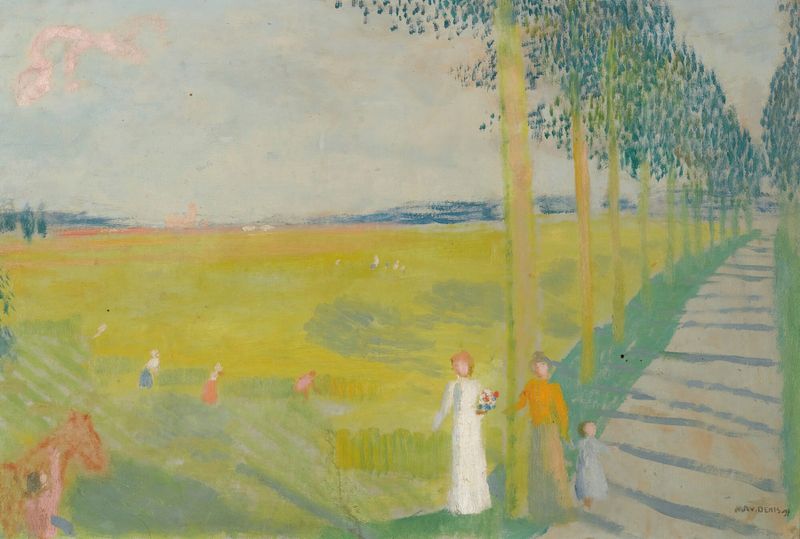
Paysage De Campagne
Maurice Denis
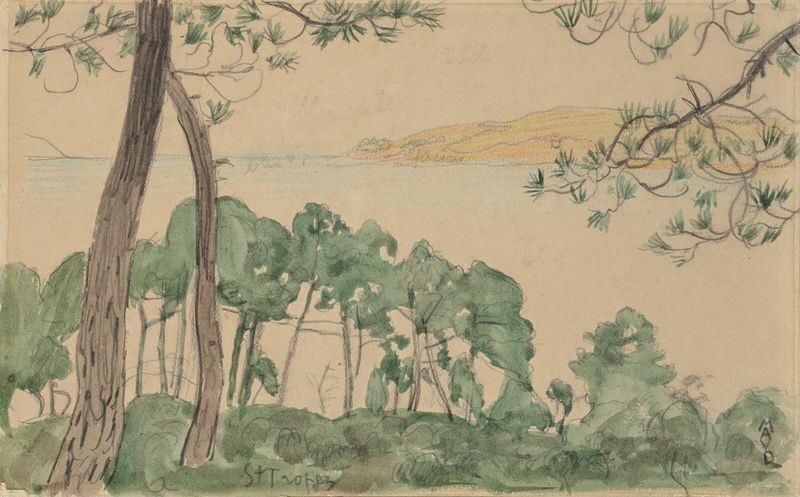
Saint-Tropez
Maurice Denis

Étretat
Maurice Denis
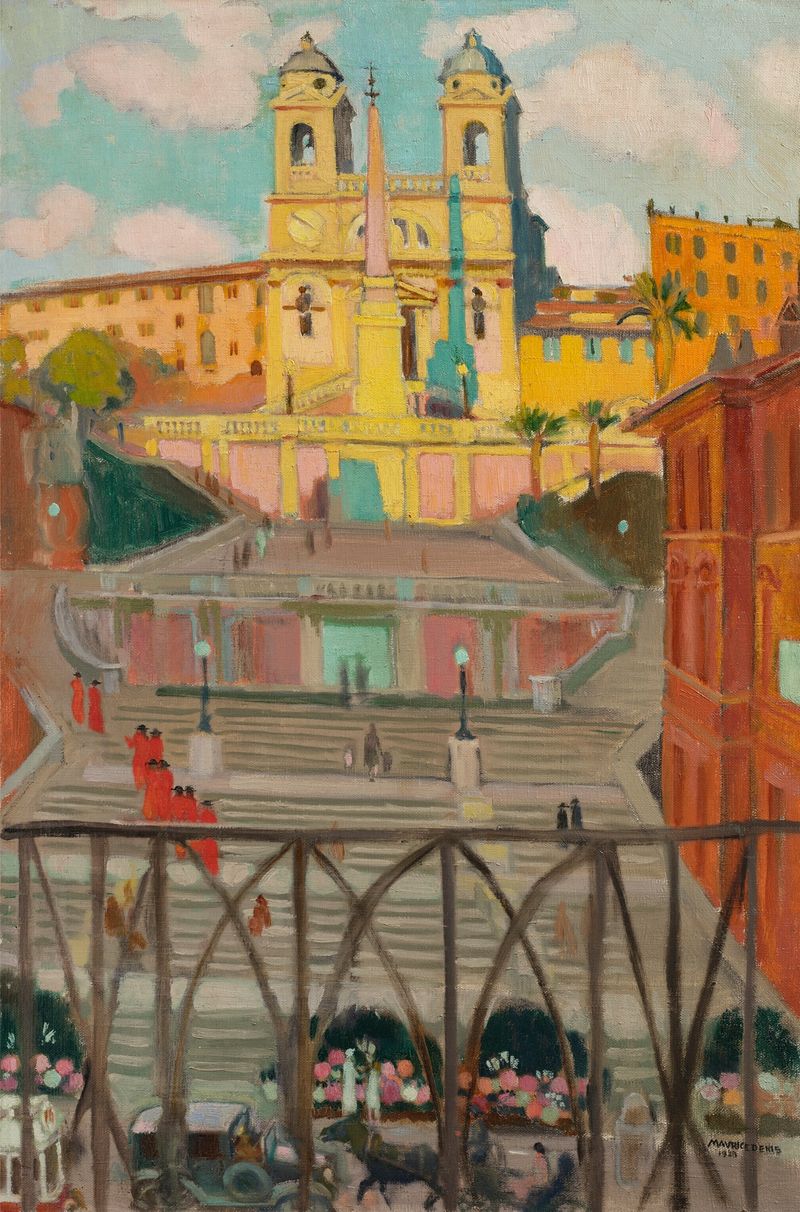
L’Escalier d’Espagne et la Trinité-des-Monts, le soir
Maurice Denis

Blessing of a Yacht on the Belon River
Maurice Denis

Vue du Colisée
Maurice Denis

Forum, l’Arc de Constantin
Maurice Denis

La Piazzetta, Venise
Maurice Denis





