
Villa in a park — History & Facts
Can paint confess what words never could? In the serene embrace of nature, betrayal whispers through the leaves, hidden beneath the facade of tranquility. Look to the center of the canvas, where a grand villa stands, its windows reflecting a kaleidoscope of greens and blues from the surrounding park. The composition draws the eye upward, leading to a dramatic interplay of light and shadow across the façade, revealing intricate architectural details that suggest both strength and fragility. Notice how the vibrant foliage encroaches upon the structured elegance of the villa, almost as if nature is reclaiming its territory, while the soft brush strokes create a gentle harmony that belies an undercurrent of tension. Within this idyllic scene lies a deeper narrative, one of contrast and isolation.
The carefully manicured gardens and the imposing villa hint at human ambition and ownership, yet they are juxtaposed with the wildness of the encroaching greenery. This dissonance may symbolize the vulnerabilities of the human spirit, hinting at the betrayal of nature by mankind. The viewer senses an emotional weight; the villa, a monument to human endeavor, stands on the precipice of being overtaken, much like trust can be overshadowed by deception. Thomas Ender painted this work during a time when Romanticism was flourishing in the early 19th century.
Living in Vienna, he immersed himself in the natural beauty of his surroundings, reflecting the era's fascination with the sublime. Ender’s experiences and societal shifts, including a growing awareness of environmental fragility, infused Villa in a Park with an urgency that remains relevant today. This piece subtly confronts the viewer with the complexities of human relationships—both with one another and the world itself.
More Artworks by Thomas Ender
Browse all →
Der Grundlsee in der Steiermark
Thomas Ender

Der Großglockner mit der Pasterze
Thomas Ender
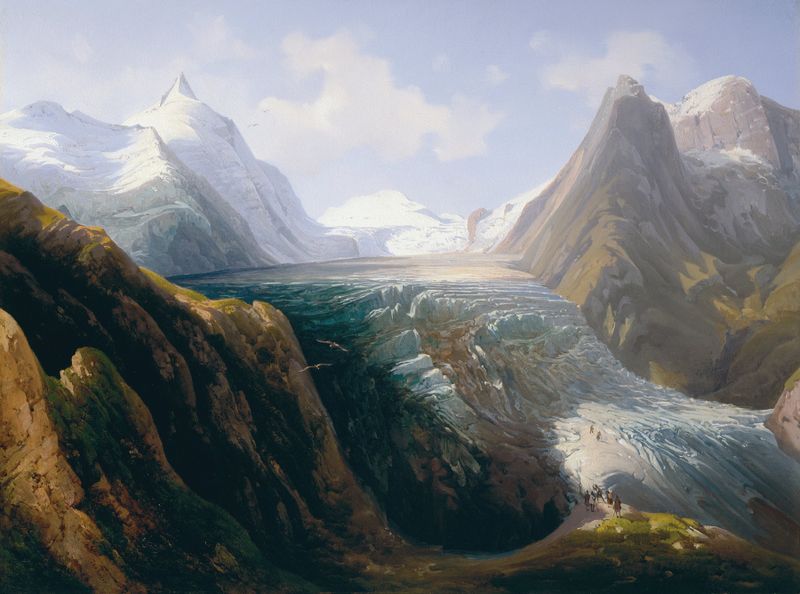
Der Großglockner mit der Pasterze
Thomas Ender
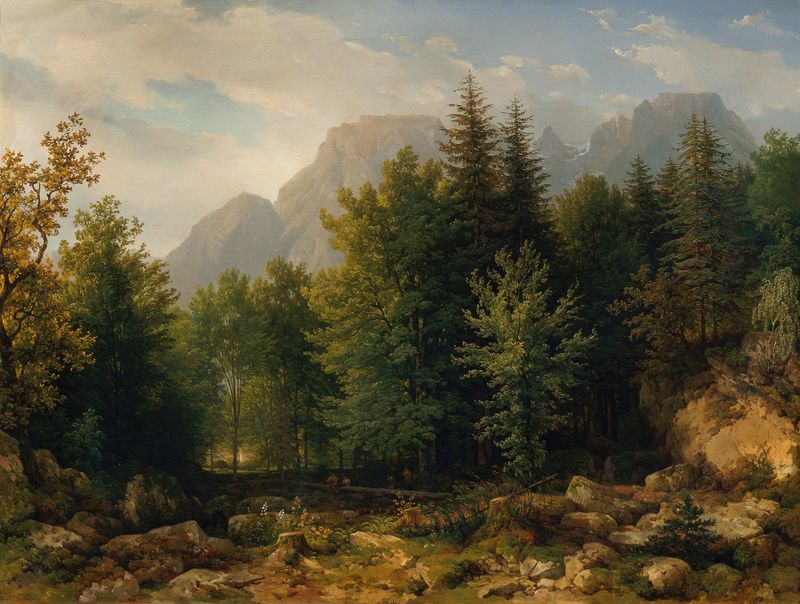
Waldlandschaft im Hochgebirge
Thomas Ender

A view of Bad Aussee with Loser mountain
Thomas Ender

Gasteinertal with a View of the Waterfall in Bad Gastein
Thomas Ender

Der Altausseersee mit dem Dachstein
Thomas Ender
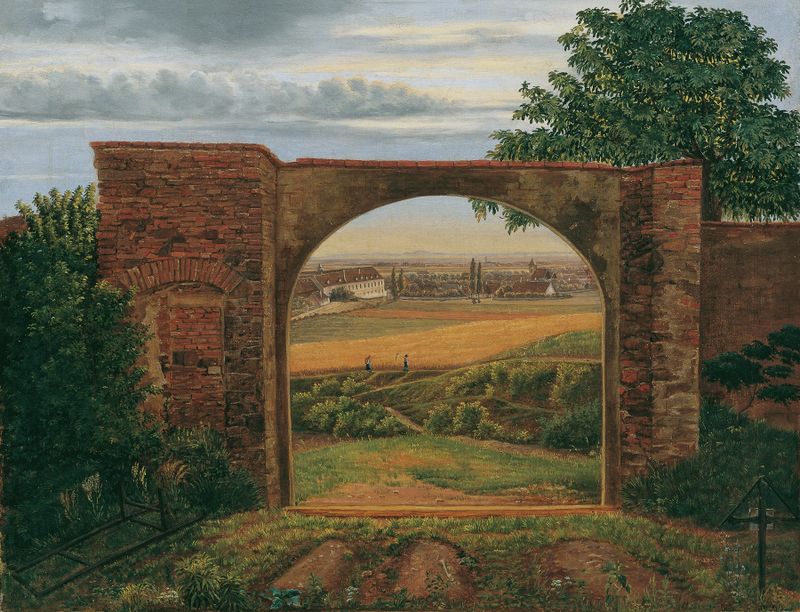
Das Friedhofstor (Friedhof bei Wien)
Thomas Ender
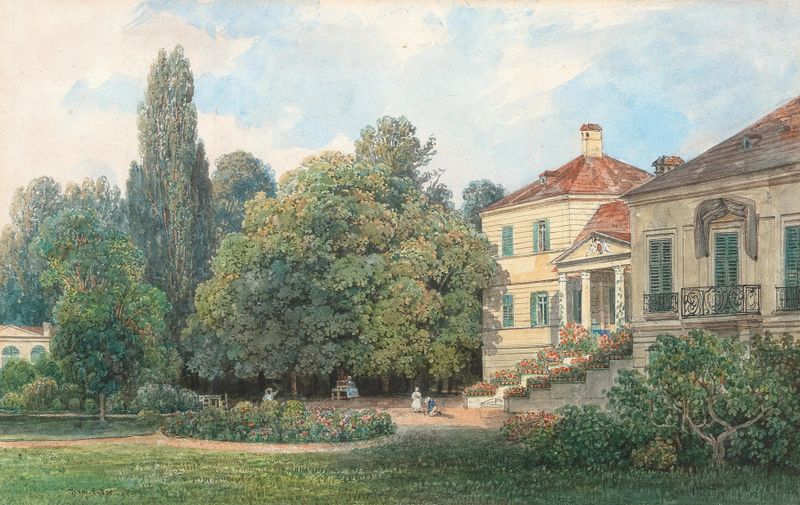
Villa in a park
Thomas Ender

View of Leopoldsberg with resting women and sheep in the foreground
Thomas Ender
More Architecture Art
Browse all →
The statue of Liberty
Frédéric Auguste Bartholdi

View of Houses in Delft, Known as ‘The Little Street’
Johannes Vermeer

View of Houses in Delft, Known as ‘The Little Street’
Johannes Vermeer

The Cathedral in Rouen. The portal, Grey Weather
Claude Monet

The yellow house
Vincent van Gogh

The Church in Auvers-sur-Oise, View from the Chevet
Vincent van Gogh