
Villa Medici, Grotto-Loggia Façade, after Velazquez — History & Facts
Where does light end, and longing begin? In Villa Medici, Grotto-Loggia Façade, after Velazquez, this question reverberates through the interplay of shadow and illumination. Look to the left at the grand architectural columns, their surfaces adorned with intricate detailing that seems to emerge from the canvas. The soft, muted colors blend seamlessly into one another, as gentle light filters through the façade, creating a delicate contrast between the warm and cool hues. Notice how the artist captures the fleeting quality of light, each brushstroke a testament to the transient beauty of the moment.
The strategic placement of shadows adds depth, inviting the viewer to explore the architectural nuances and emotional undertones that reside within the structure. Beneath the serene beauty lies an emotional tension, where the void of emptiness resonates deeply. The composition evokes a sense of isolation, as if the viewer stands before a forgotten monument, echoing memories of past grandeur. The juxtaposition of the lively interplay of light against the stillness of the façade symbolizes longing, perhaps for a connection to history or the artistic legacy that time has faded.
Each detail becomes a whisper of what once was, urging contemplation and reflection. In 1892, Denman Waldo Ross painted this piece during a period of artistic exploration in America, where influences from Europe were embedding themselves in the fabric of emerging American art. He had just returned from studying abroad, and the fascination with classical beauty and light found in the works of Velazquez inspired this homage. This painting not only reflects his technical prowess but also a personal quest for understanding within the realms of art and the fleeting nature of existence.
More Artworks by Denman Waldo Ross
Browse all →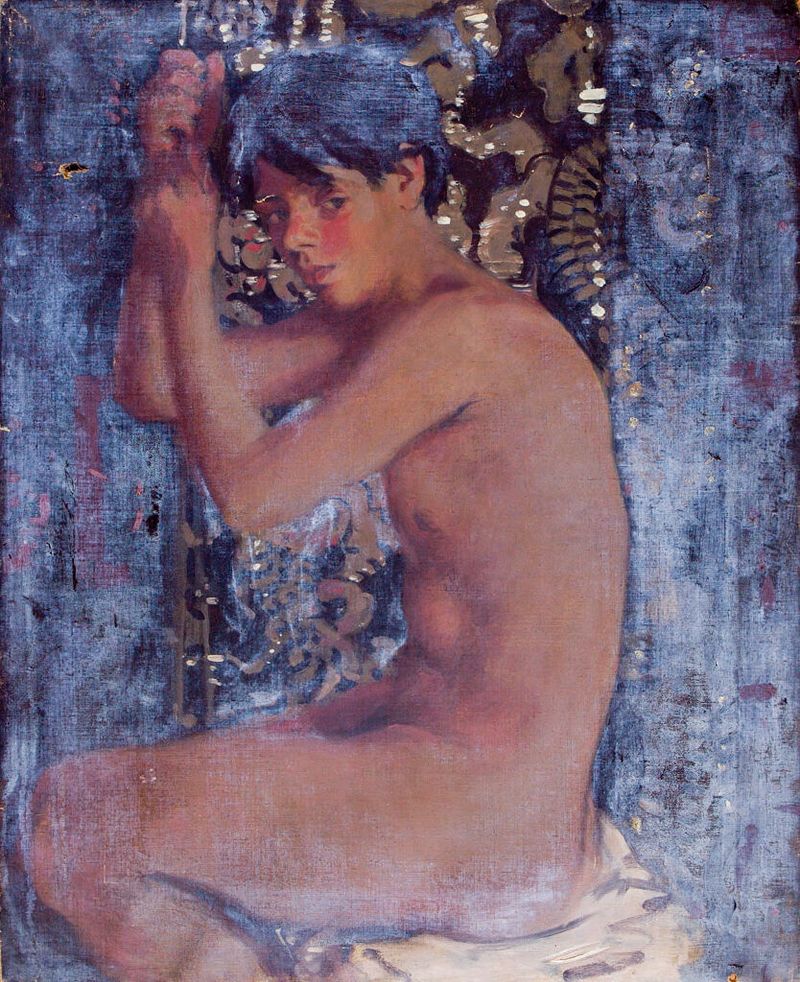
Portrait of a Seated Young Man
Denman Waldo Ross
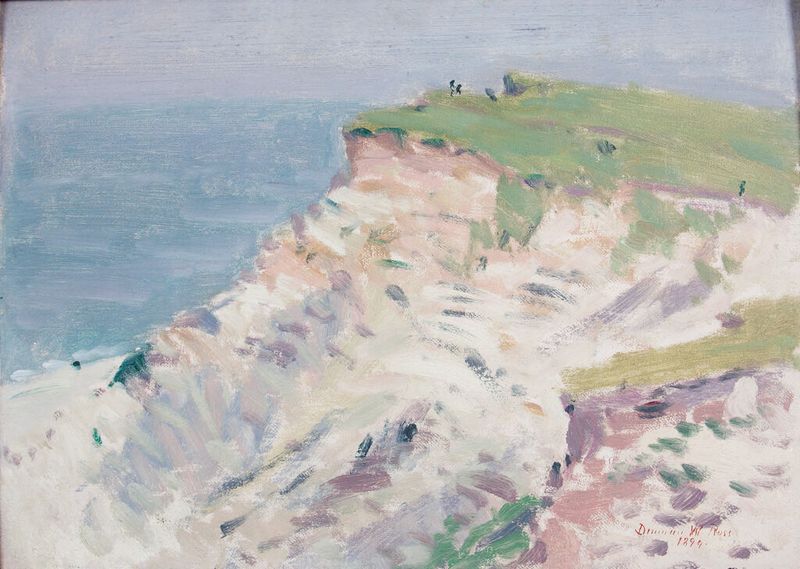
Highland Light, North Truro, Massachusetts
Denman Waldo Ross
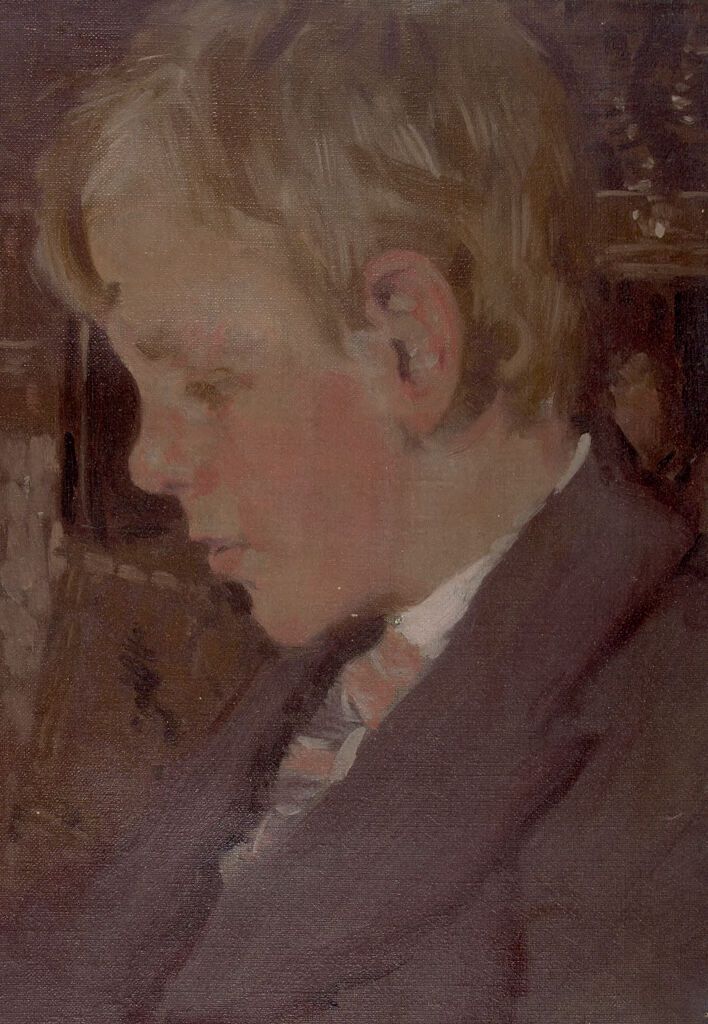
Profile Portrait of a Boy in Suit and Tie
Denman Waldo Ross
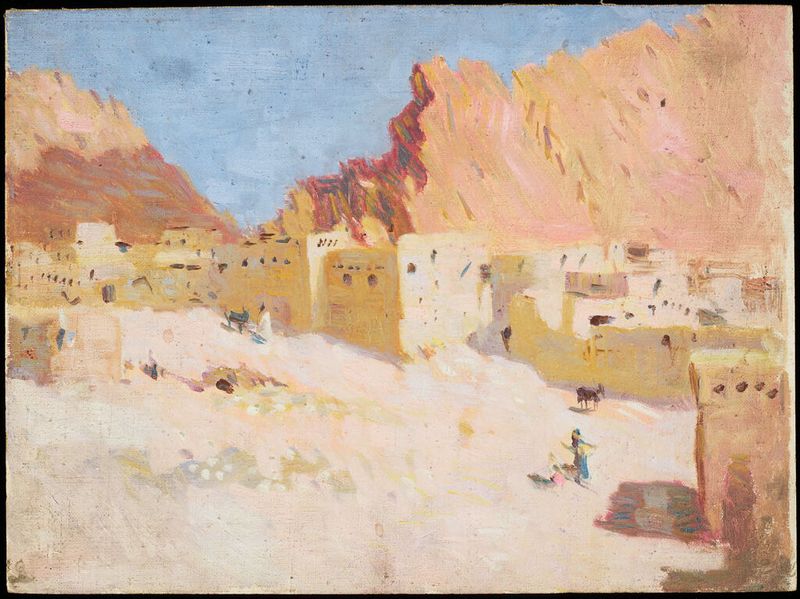
El Kantara, Near Biskra, Algeria
Denman Waldo Ross
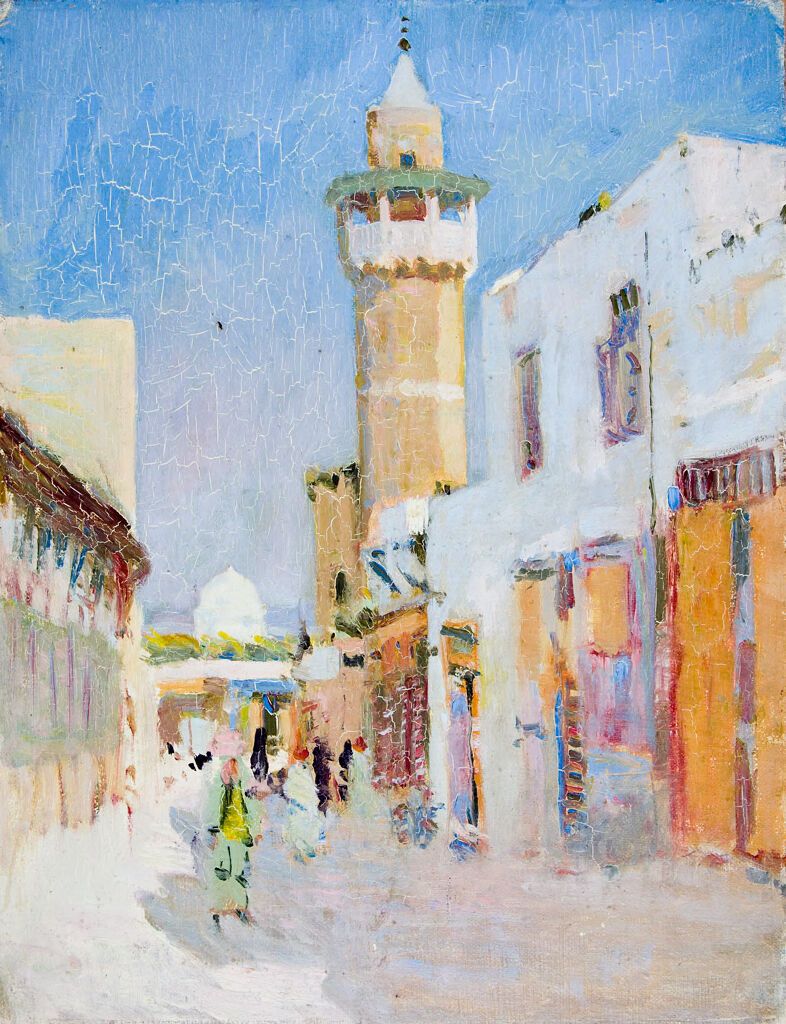
Tunis Street Scene
Denman Waldo Ross
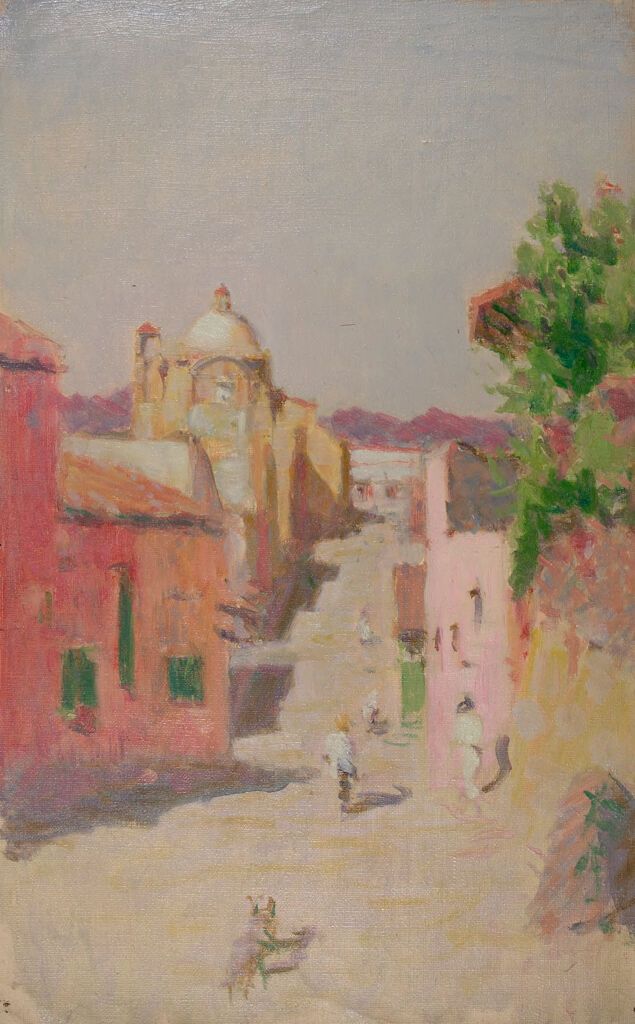
Street Scene with Animal and Figures
Denman Waldo Ross
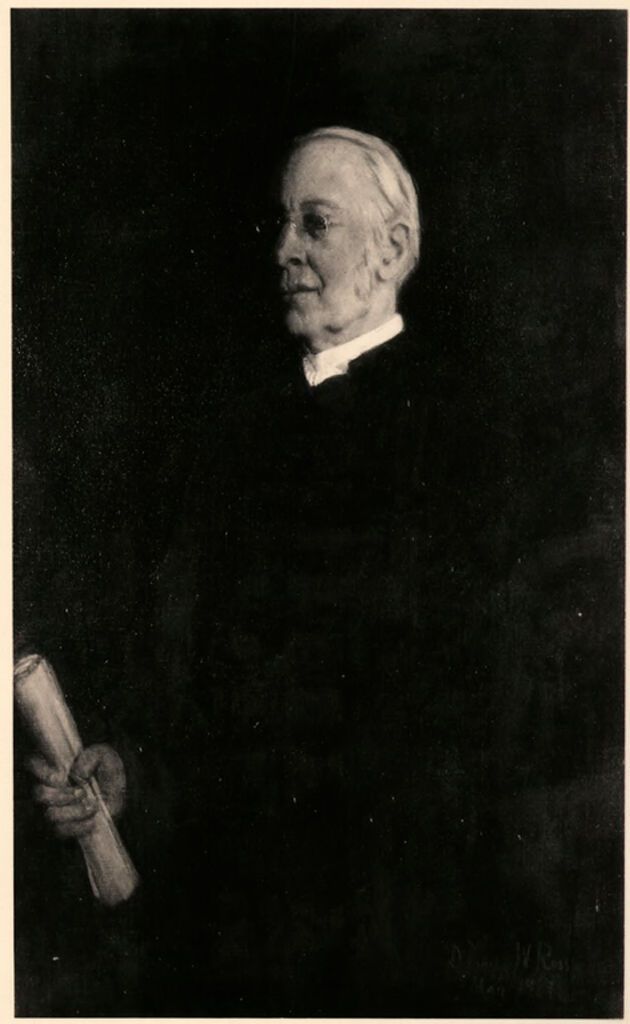
Charles William Eliot (1834-1926)
Denman Waldo Ross
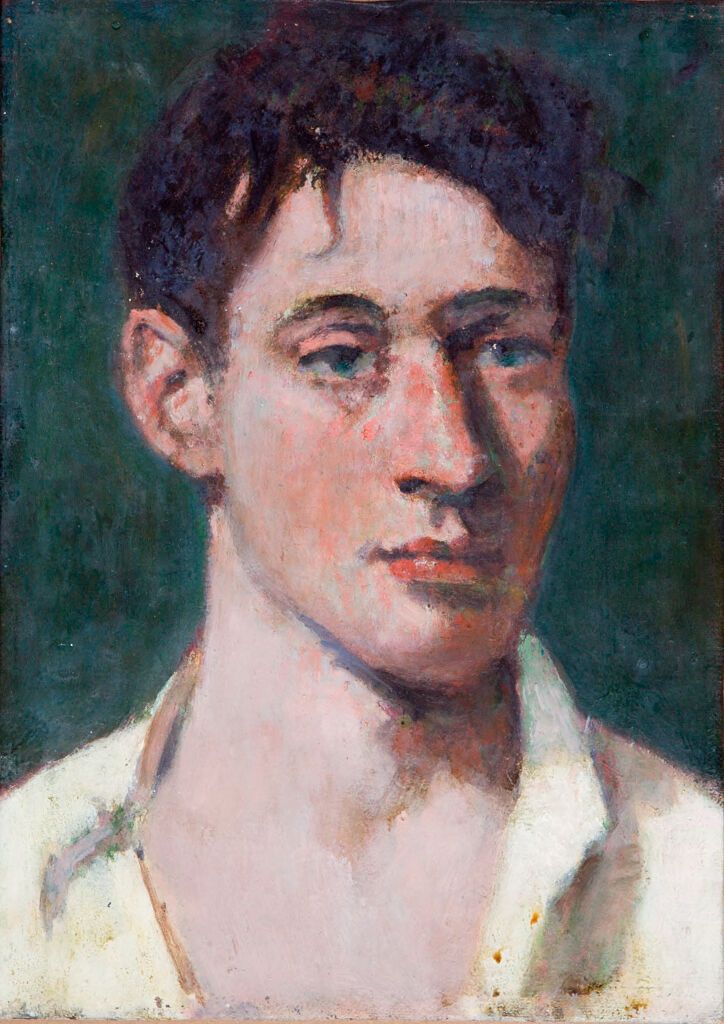
Portrait of a Young Man in White Shirt
Denman Waldo Ross
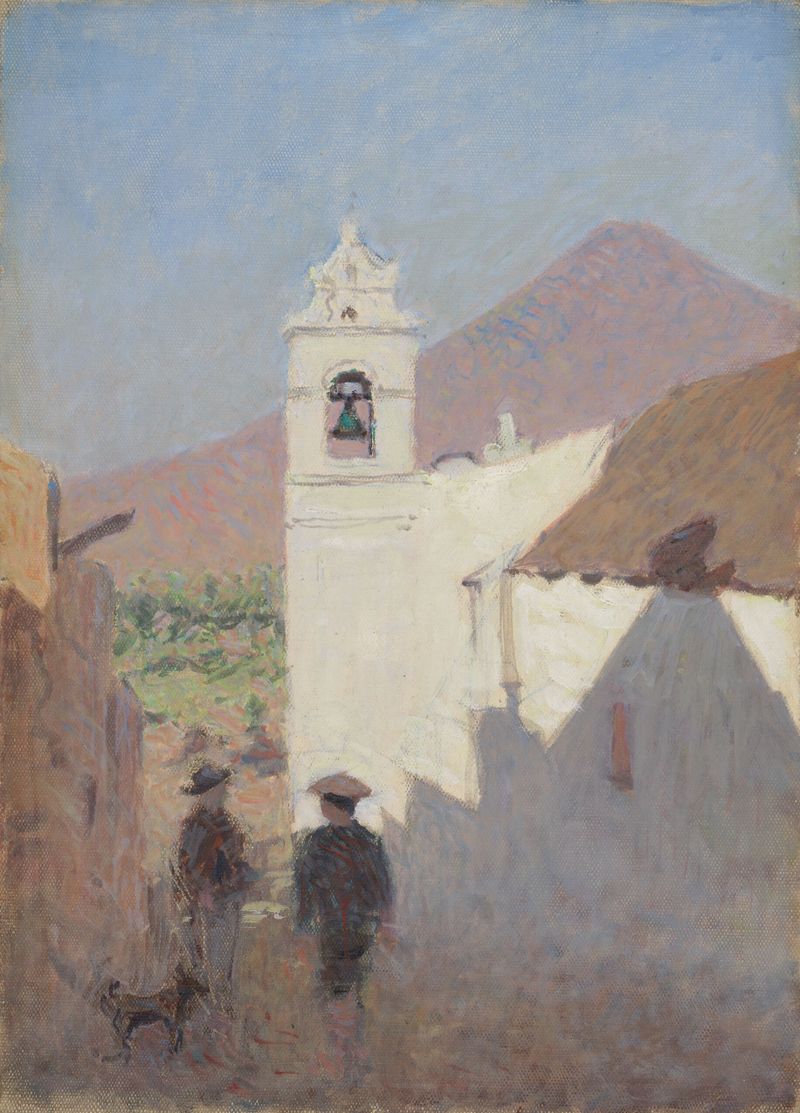
Village Near Arequipa, Peru
Denman Waldo Ross

York Harbor, Maine
Denman Waldo Ross
More Architecture Art
Browse all →
The statue of Liberty
Frédéric Auguste Bartholdi

View of Houses in Delft, Known as ‘The Little Street’
Johannes Vermeer

View of Houses in Delft, Known as ‘The Little Street’
Johannes Vermeer

The Cathedral in Rouen. The portal, Grey Weather
Claude Monet

The yellow house
Vincent van Gogh

The Church in Auvers-sur-Oise, View from the Chevet
Vincent van Gogh