
Village de l’Île de France — History & Facts
Did the painter know this moment would outlive them? In Village de l’Île de France, shadows stretch and dance across the canvas, immortalizing a fleeting slice of rural life that whispers of deeper truths. Focus first on the vibrant hues that define the landscape, especially the rich greens and deep blues that evoke a sense of serenity. Notice how the dappled sunlight filters through the trees, creating a patchwork of light and shadow that draws the eye into the heart of the scene. The foreground beckons with a warm invitation from the cottages, while the distant horizon hints at an expansive sky.
The brushwork is spontaneous yet deliberate, each stroke contributing to a feeling of movement that breathes life into this idyllic village. Peering closer, one can discern the subtle interplay of light and shadow, revealing the emotional landscape beneath the idyllic facade. The elongated shadows suggest the passage of time, a reminder that such serene moments are fleeting and ephemeral. The contrast between the light-filled cottages and the darker, more mysterious areas of the painting evokes a tension between comfort and the unknown, inviting contemplation on what lies beyond the village's embrace. In 1888, Guillaumin worked in the vibrant artistic atmosphere of Paris, engaging with the Impressionist movement that sought to capture the transient effects of light.
This period marked significant personal challenges for him, yet it also ignited a profound exploration of color and form. Amidst a world rapidly changing due to industrialization, he found solace and inspiration in rural landscapes, as seen in this tranquil depiction destined to resonate through the ages.
More Artworks by Armand Guillaumin
Browse all →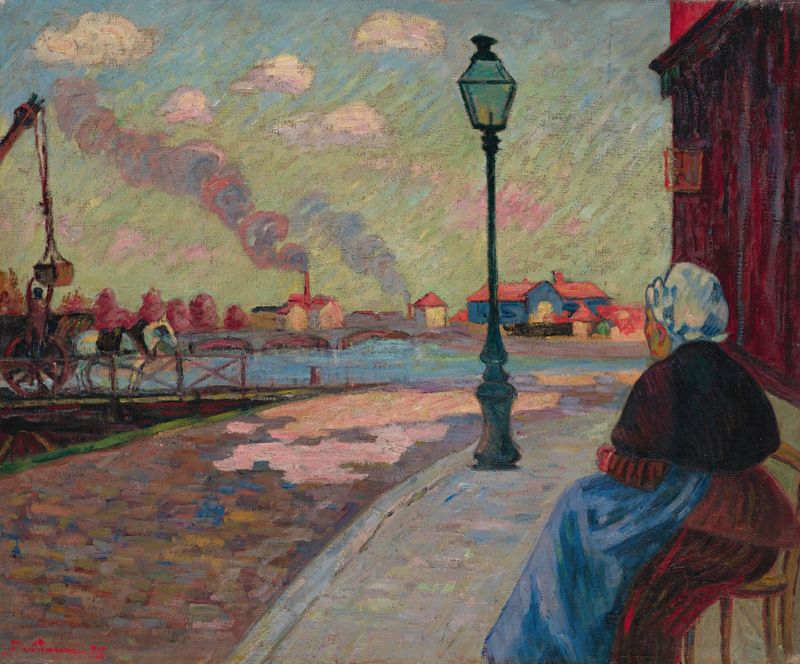
La Seine À Charenton
Armand Guillaumin
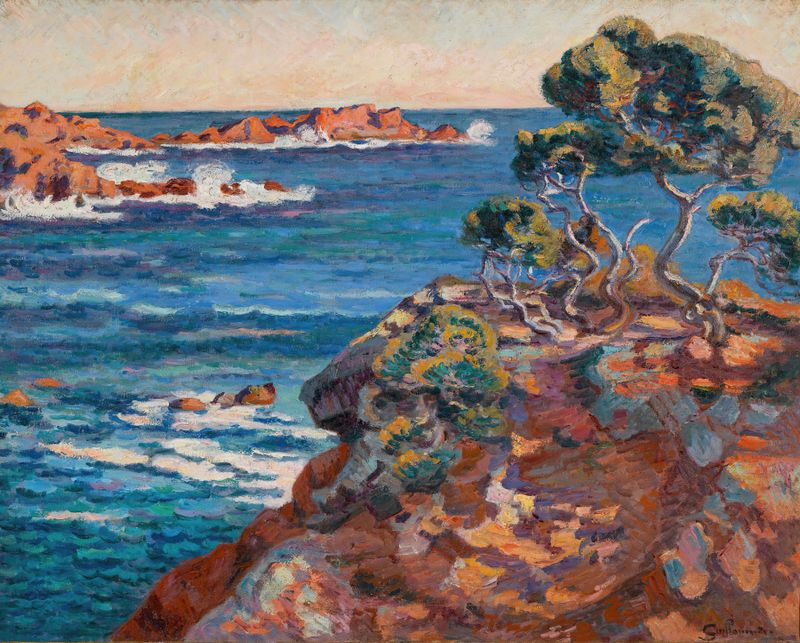
Bord De Mer À Agay
Armand Guillaumin
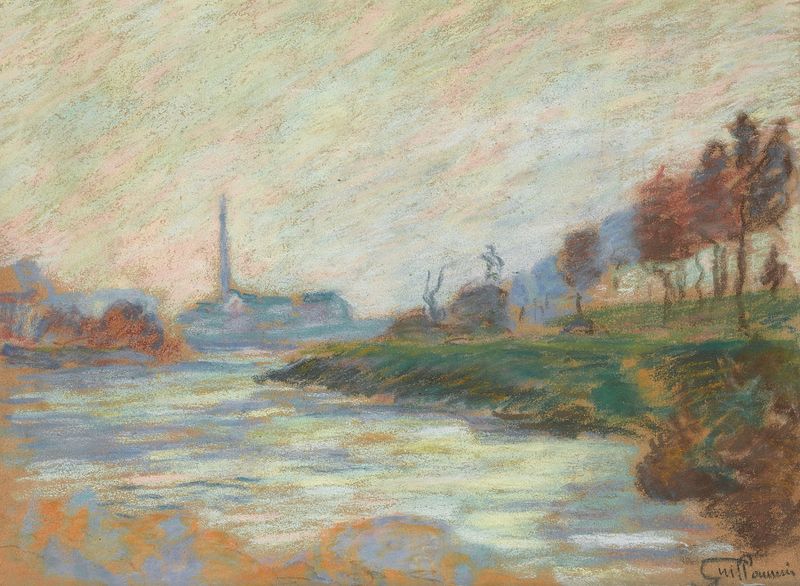
Confluent De La Marne Et De La Seine, Île De La France
Armand Guillaumin

Le Ravin de la folie, vue de Chateau Crozant
Armand Guillaumin
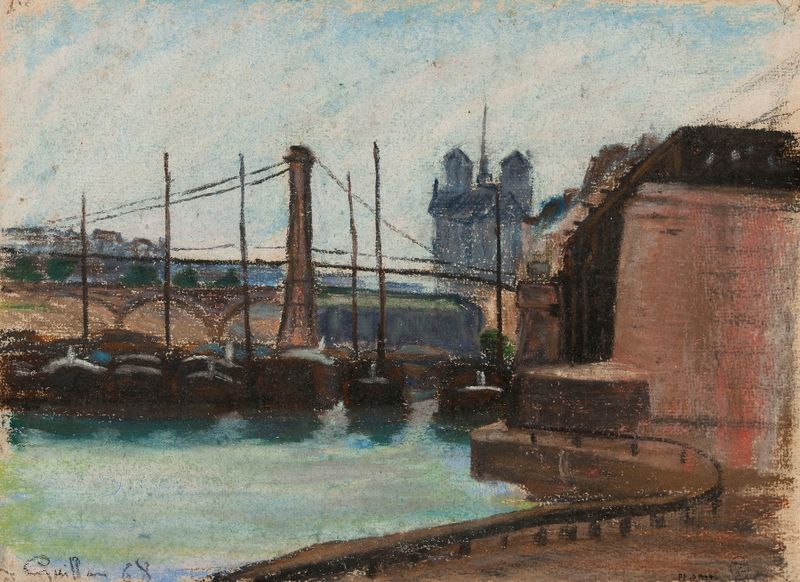
Le Pont d’Austerlitz
Armand Guillaumin

Paysage de Printemps
Armand Guillaumin
Crozant, Le Ravin De La Sedelle À La Folie
Armand Guillaumin
Paysage
Armand Guillaumin

La vallée de la creuse
Armand Guillaumin

L’Eglise Saint-Sulpice, Paris
Armand Guillaumin





