
Village Street — History & Facts
The essence of loneliness permeates every brushstroke, whispering secrets that only the viewer can decipher. Look to the left at the narrow alleyway, where the cobblestones are slick with rain. The colors are muted, yet there is a warmth that emanates from the homes, their ochre façades inviting yet distant. Notice how the soft light filters through the branches of the trees, casting dappled shadows that dance across the street, a fleeting reminder of life that seems almost out of reach.
Each detail—the worn shutters, the delicate window boxes—speaks to the passage of time, hinting at stories both told and untold. In the quiet corners of this village, contrast unfolds. The vibrant flowers bloom defiantly against the drabness of the walls, symbolizing a flicker of hope amidst the pervasive solitude. Children can be seen in the distance, laughter echoing faintly, yet their joy feels unattainable for the solitary figures lingering in the foreground.
The brushwork reveals an inner struggle: a tension between the idyllic setting and the underlying emotions of isolation, as if the artist captured a poignant moment of longing for connection. During the period Hugo Charlemont created this work, likely in the late 19th century, he was deeply engaged with themes of everyday life and human experience. Living in an era of burgeoning modernity, he sought to reflect the intricate emotions of solitude and community through his art. Charlemont’s focus on people and their environments marked a significant contribution to the genre, intertwining realism with an eloquent portrayal of the human condition.
More Artworks by Hugo Charlemont
Browse all →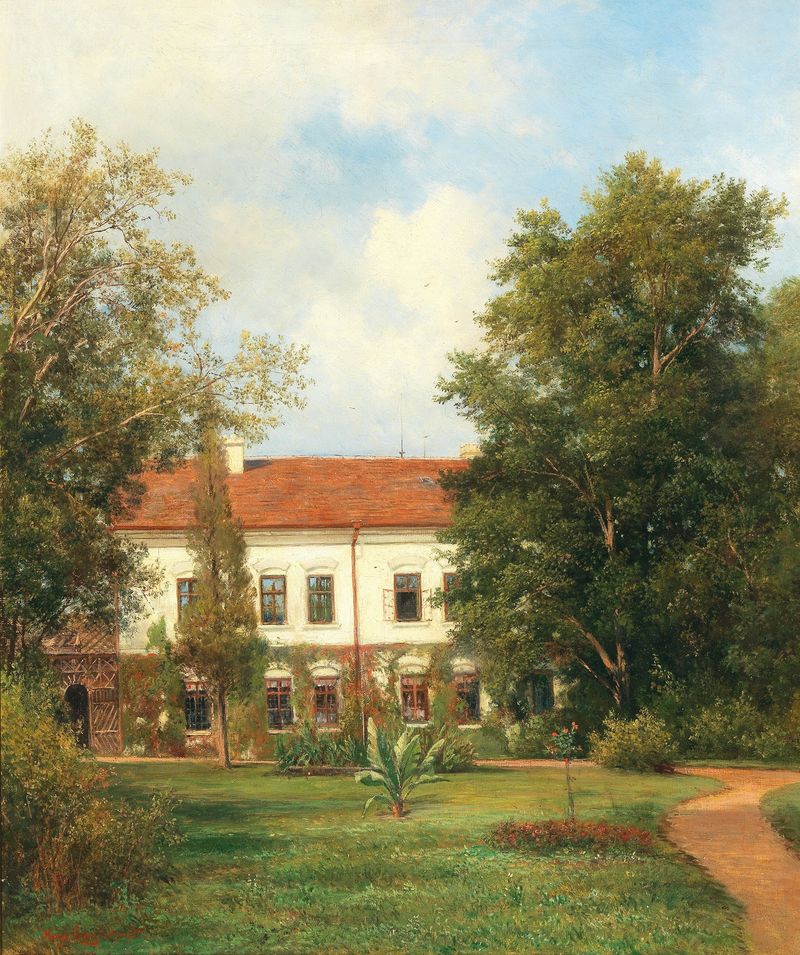
View of a Castle in Bohemia
Hugo Charlemont
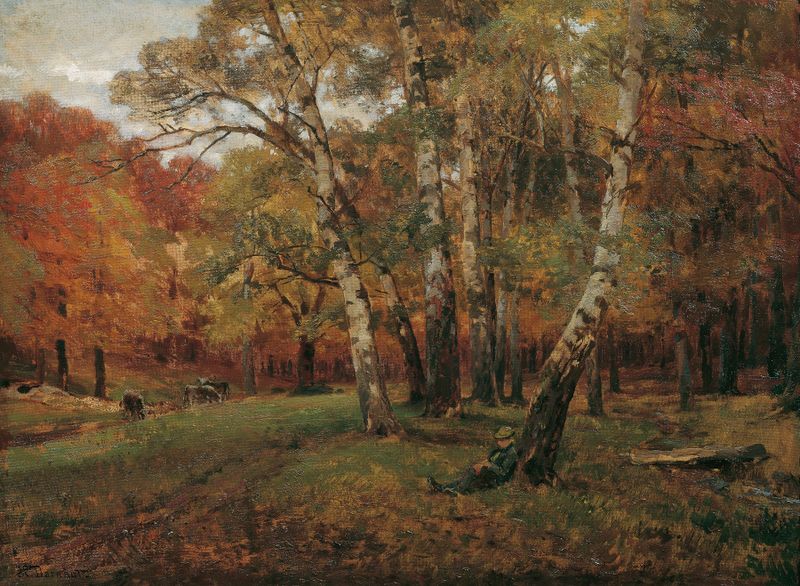
Die Ruine Starhemberg im Piestingtal
Hugo Charlemont
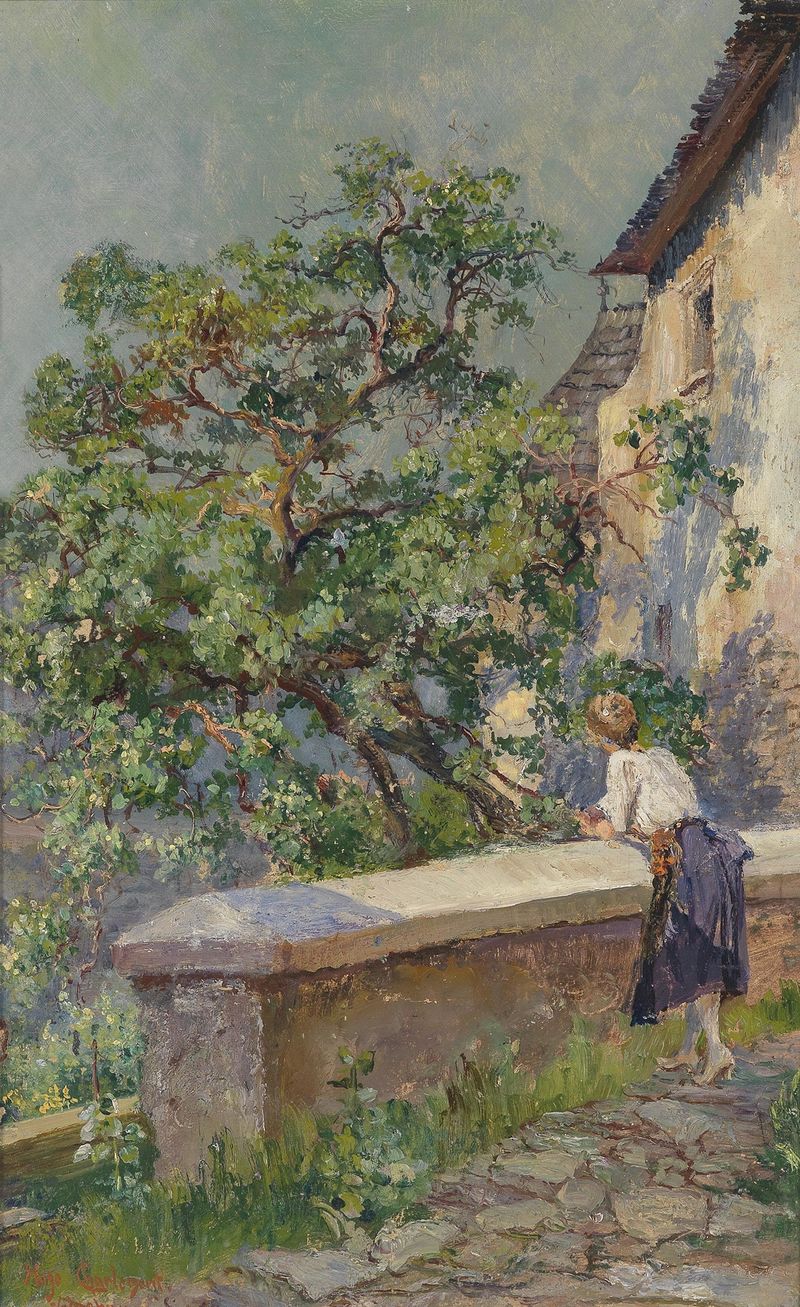
Aus der Wachau
Hugo Charlemont
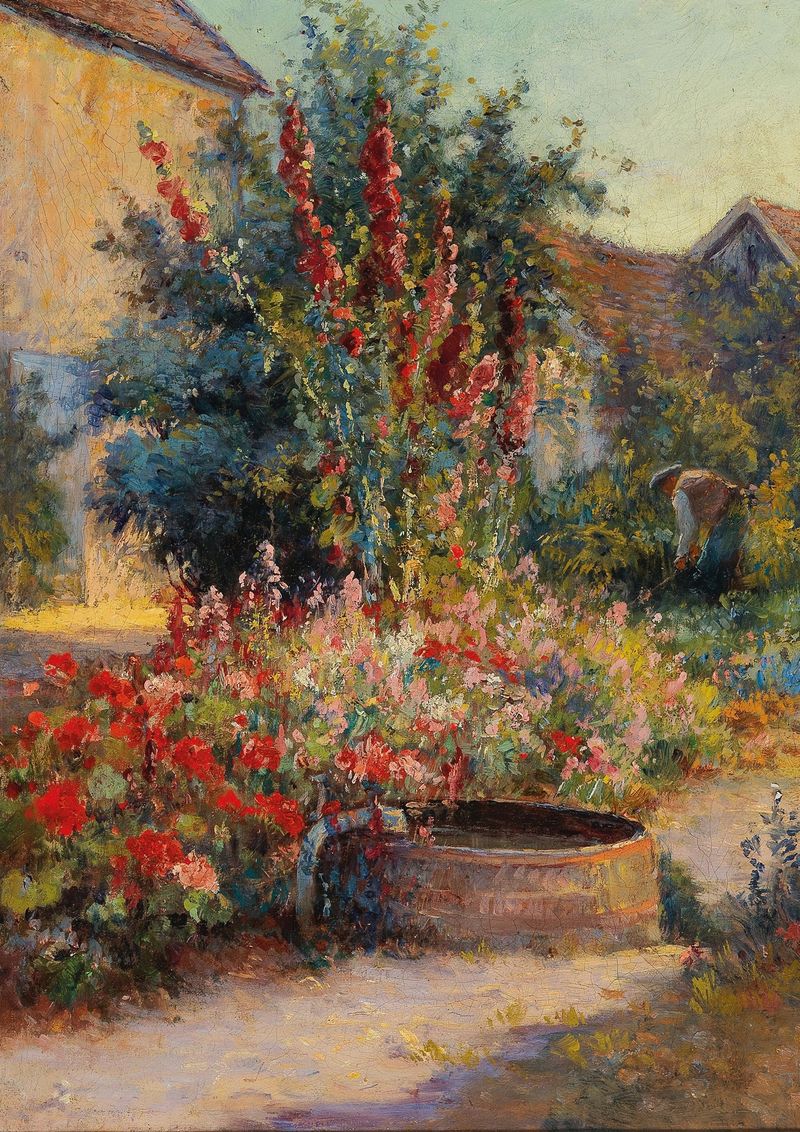
Garten in Brioni
Hugo Charlemont
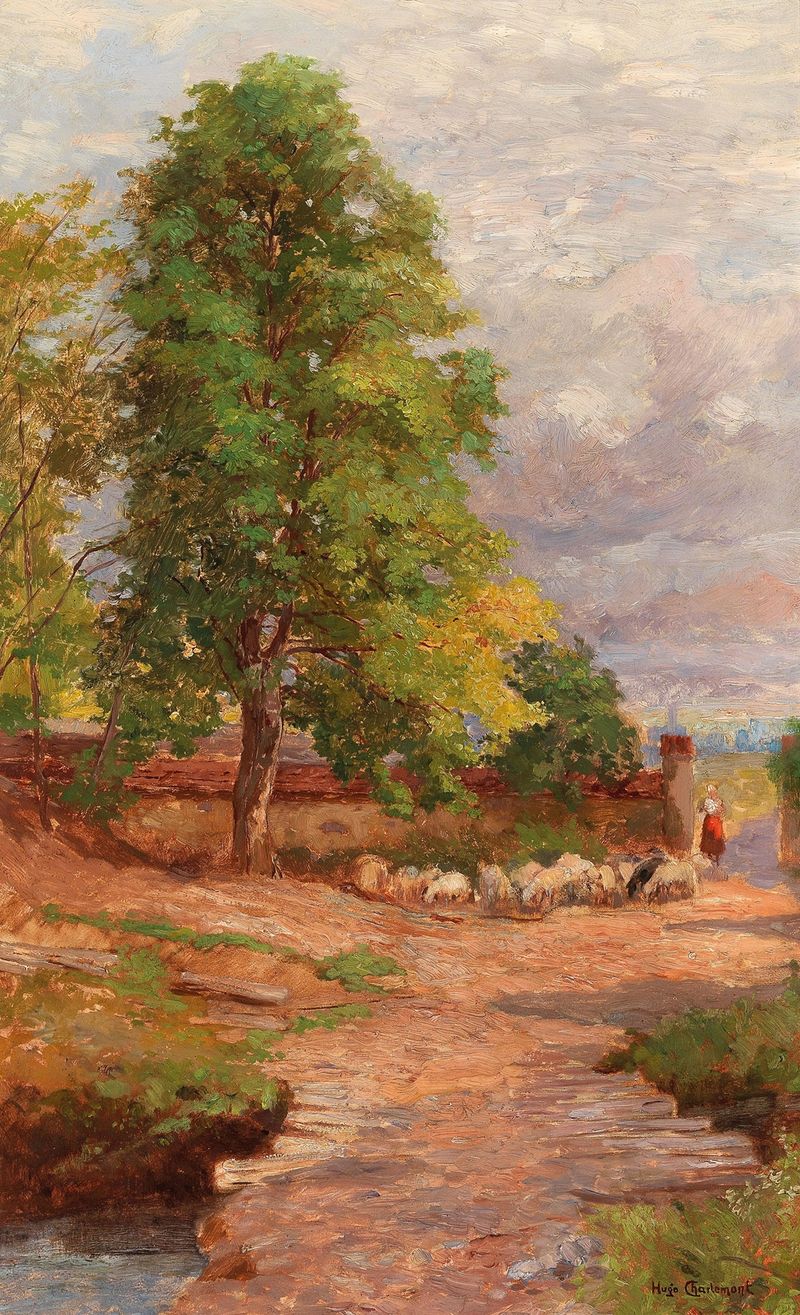
Old Chestnut Tree
Hugo Charlemont
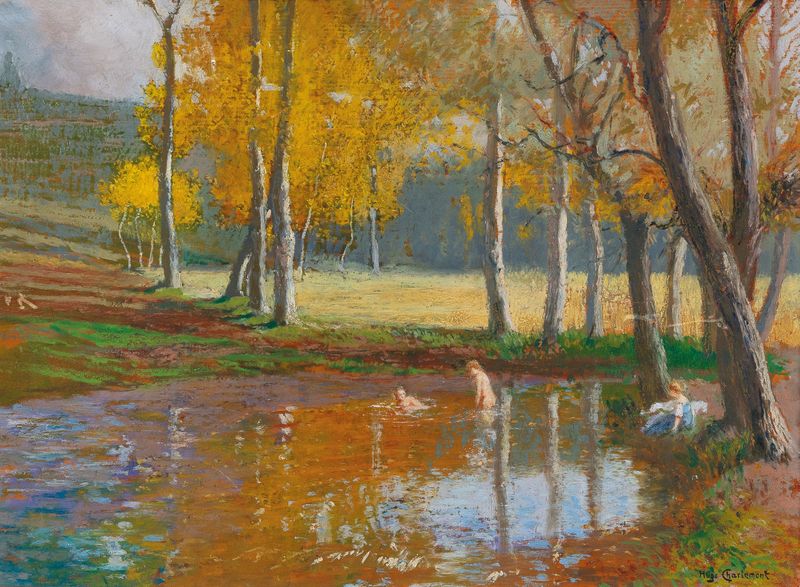
Bathers In A Woodland Pond
Hugo Charlemont
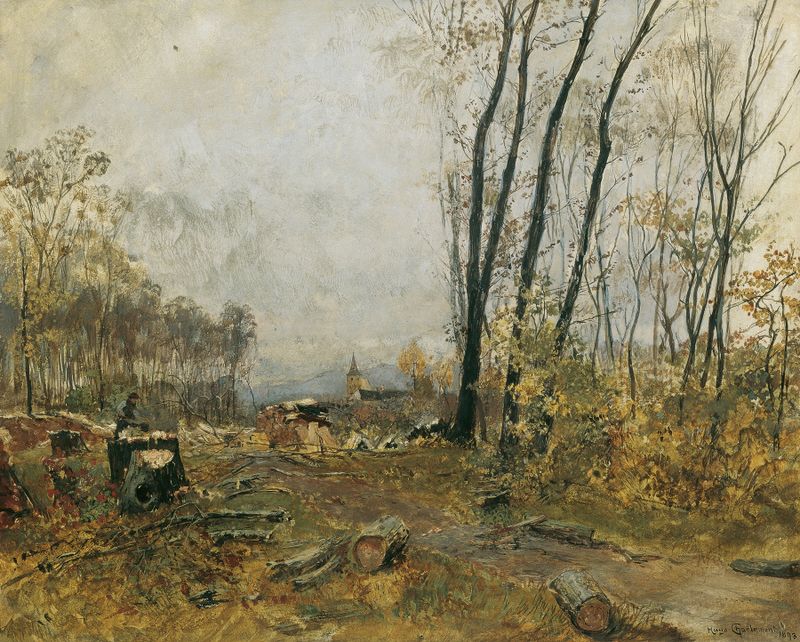
Au bei Klosterneuburg
Hugo Charlemont
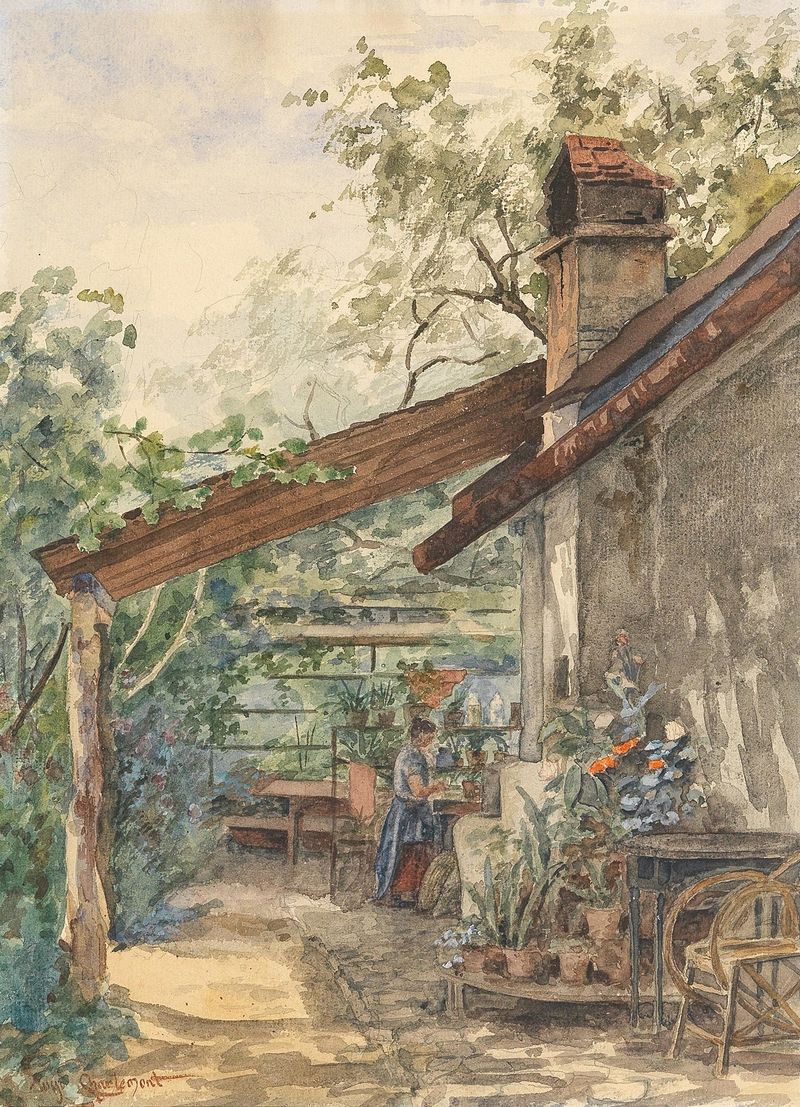
Pflanzendepot
Hugo Charlemont
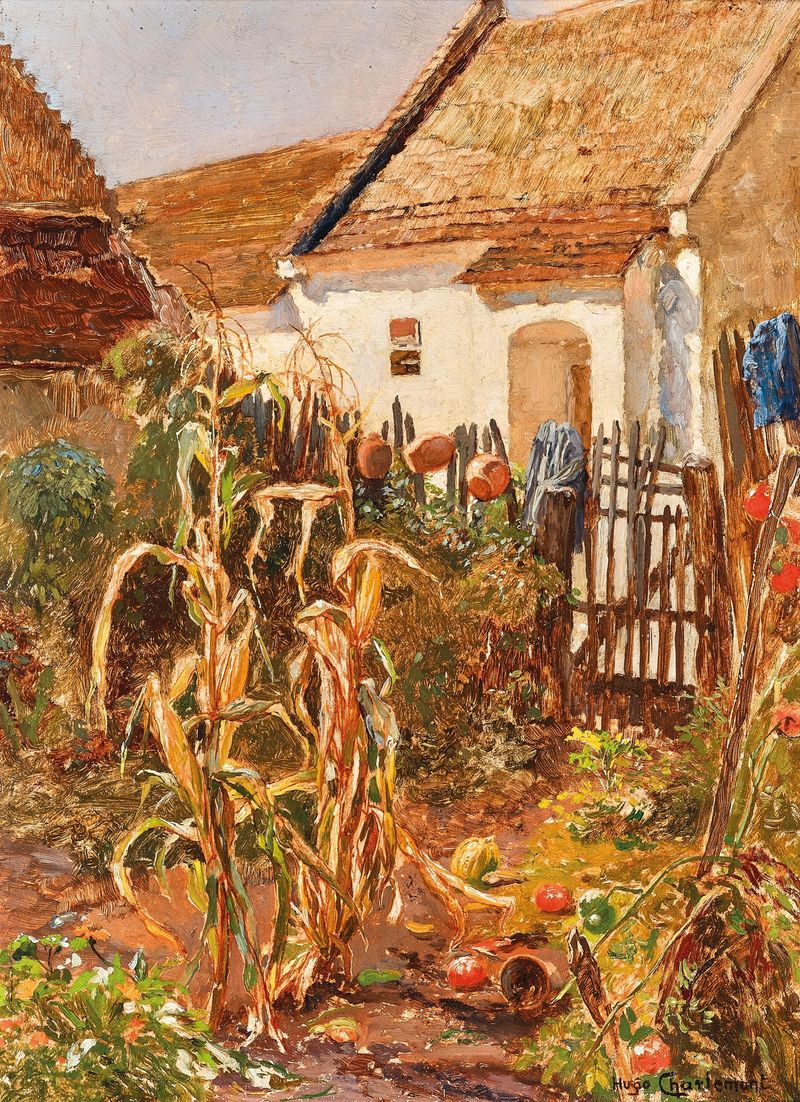
A rustic garden in the Wachau region
Hugo Charlemont
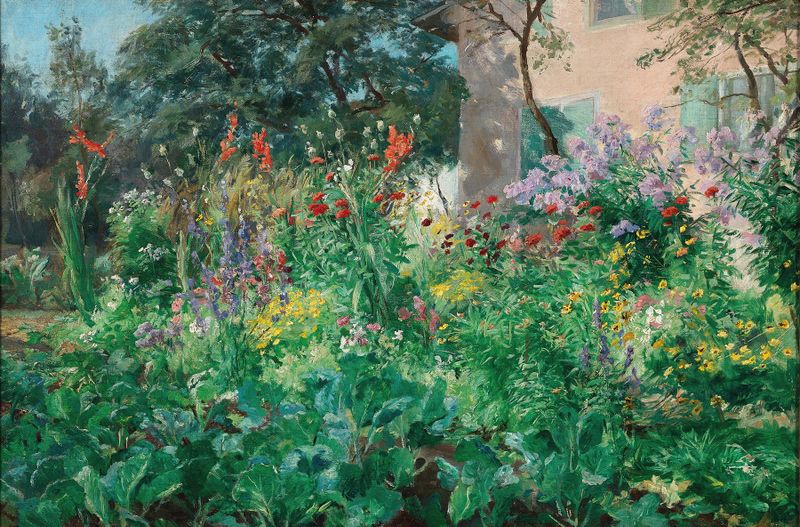
Bauerngarten
Hugo Charlemont





