
Villefranche-sur-Mer — History & Facts
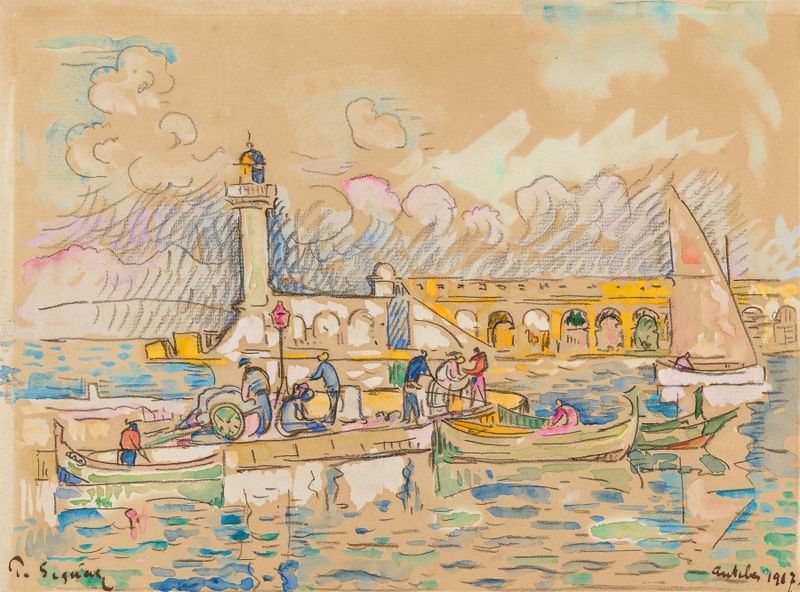
When did color learn to lie? In the world of dreams, hues often speak a language of their own, dancing vividly across the canvas of our imagination. Look to the center of the artwork, where the shimmering blue of the Mediterranean invites your gaze, sparkling like the laughter of children running along the shore. Notice how the brushstrokes pulse with life, blending shades of azure and turquoise that evoke the warmth of the sun-drenched coast. The vibrant dot technique creates a mesmerizing interplay of light and shadow, while the bright patches of yellow and orange suggest the softness of a setting sun, infusing the scene with a fleeting warmth. In the foreground, observe the small boats gently swaying in the harbor, their forms almost abstract among the exuberant colors.
This juxtaposition highlights a sense of stillness amidst the dynamic movement of the sea—an echo of the artist's internal contrasts between reality and dreams. The distant hills whisper of adventures yet to unfold, while the soft clouds overhead hint at the transience of both time and beauty, encapsulating a moment both delicate and eternal. Paul Signac painted Villefranche-sur-Mer in 1930 during a time when he sought to embrace the principles of Neo-Impressionism in his work. Living in the South of France, he was deeply influenced by the region's natural beauty and vibrant light.
At this stage in his career, Signac was exploring the limits of color and technique, positioning himself at a significant intersection of personal expression and art movements that shaped the early 20th century.
More Artworks by Paul Signac
Browse all →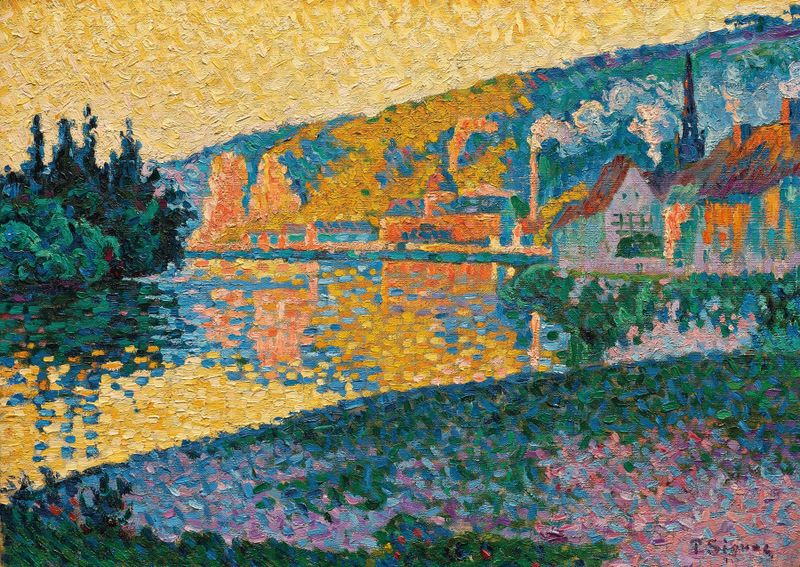
Les Andelys. Soleil couchant
Paul Signac
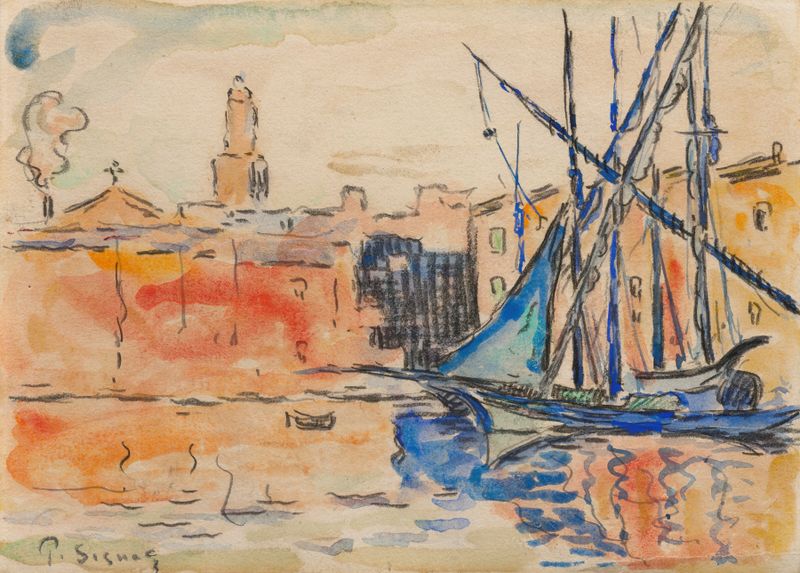
Saint-Tropez, le port
Paul Signac
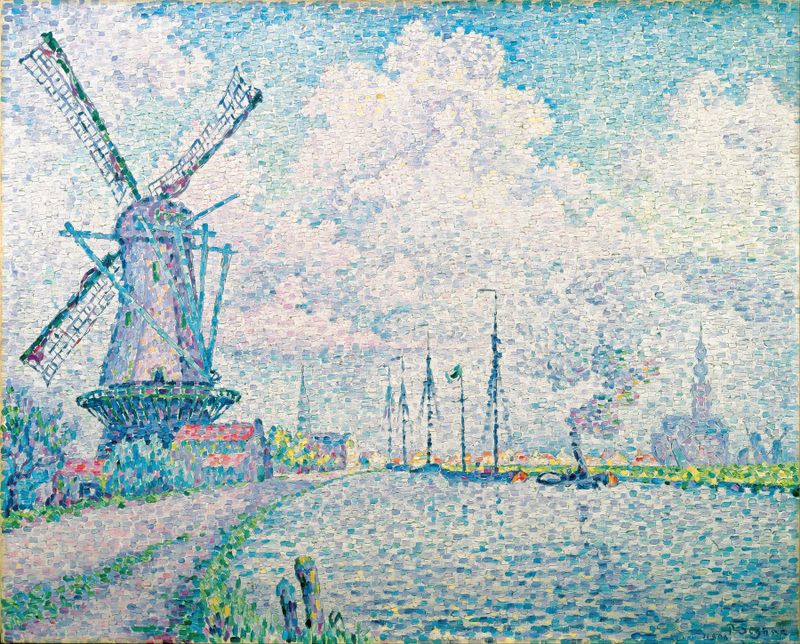
Canal of Overschie
Paul Signac
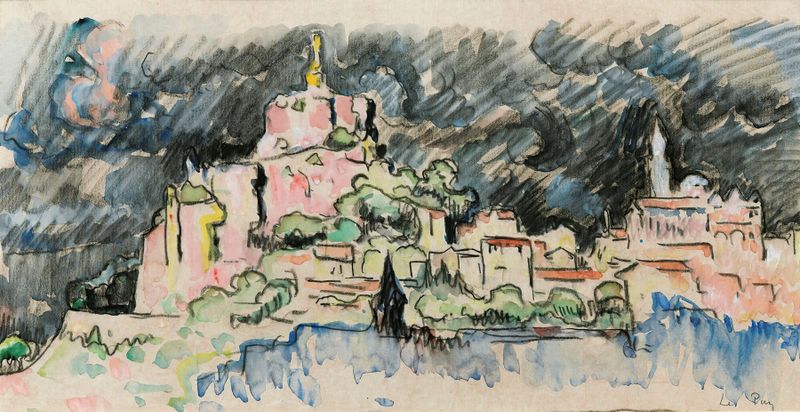
Le Puy-En-Velay, Ciel D’orage
Paul Signac
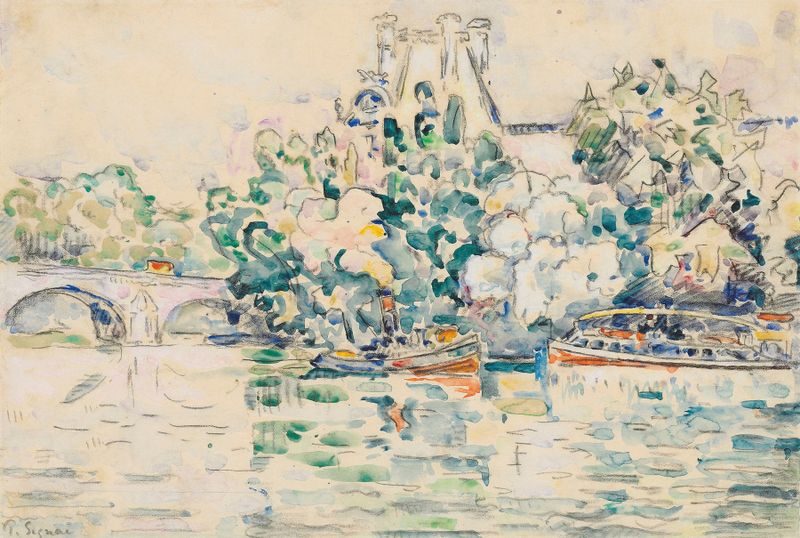
Paris, La Seine au Pont-Royal
Paul Signac
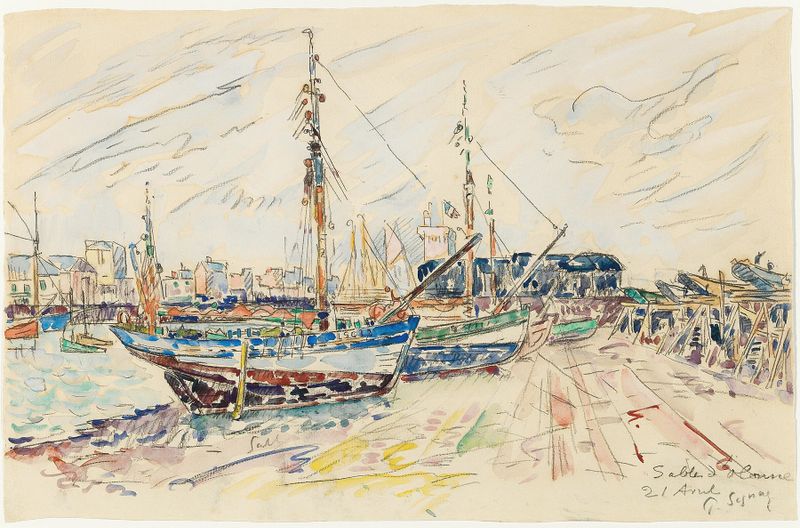
Sables d’Olonne
Paul Signac
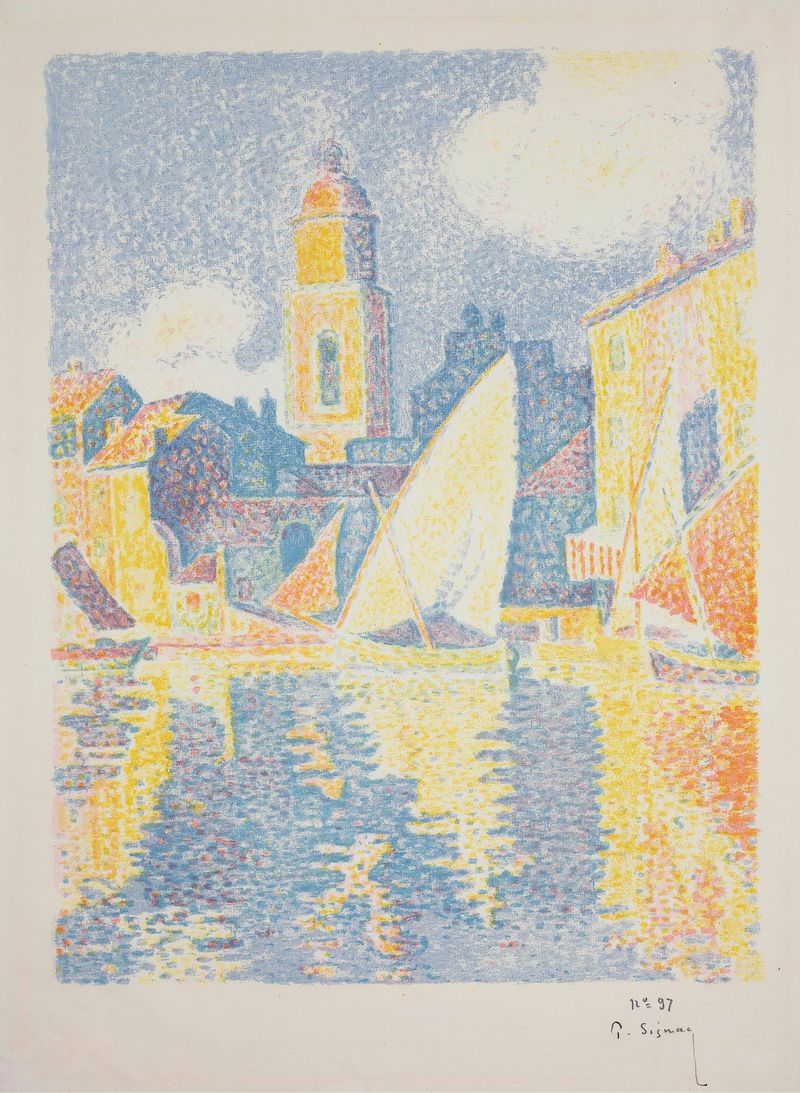
The Port of St. Tropez
Paul Signac
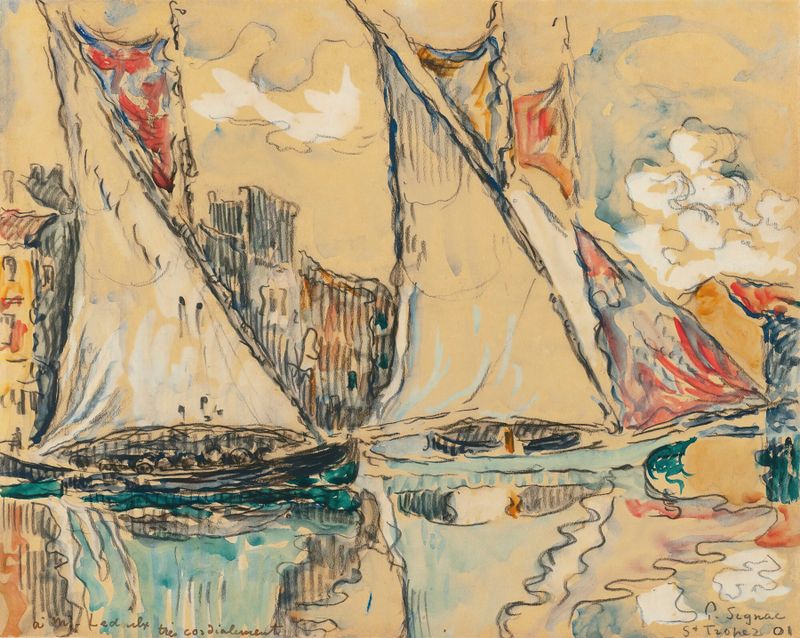
Saint-Tropez, Voiles Au Sec
Paul Signac
Antibes
Paul Signac

Saint-Tropez
Paul Signac





