
Violent Conduct of Women and Children in Kagoshima — History & Facts
In Violent Conduct of Women and Children in Kagoshima, Tsukioka Yoshitoshi uses a vivid palette dominated by deep reds and blacks. The scene captures a chaotic moment, where women and children are depicted in distress. The figures are expressive, their faces showing fear and desperation.
The background features a tumultuous landscape, enhancing the sense of turmoil. This artwork is a woodblock print, a traditional Japanese technique that allows for intricate details and vibrant colors. The use of line work is precise, emphasizing the emotional intensity of the figures. The composition is dynamic, drawing the viewer's eye across the scene.
Yoshitoshi's skill in capturing movement and expression is evident throughout the piece. Tsukioka Yoshitoshi was a prominent figure in the Ukiyo-e movement, known for his dramatic and often violent imagery. This work reflects the tumultuous period of the Satsuma Rebellion in Japan, where social unrest was prevalent. Interestingly, Yoshitoshi's art often explored themes of suffering and conflict, making this piece a significant example of his oeuvre.
His ability to convey complex emotions through his art continues to resonate with audiences today.
More Artworks by Tsukioka Yoshitoshi

Frost fills the air and the autumn air is still/lines of returning geese cross the moon in the third hour-Kenshin, from the series Twelve Aspects of the Moon
Tsukioka Yoshitoshi
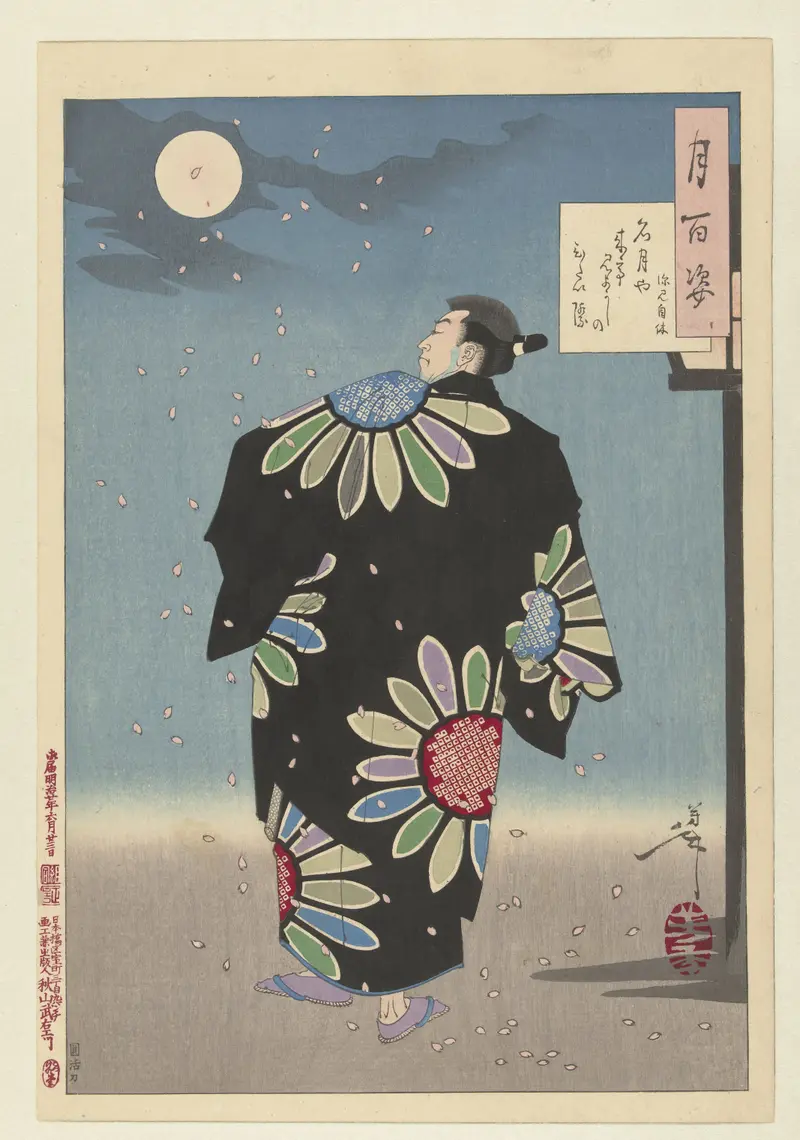
Fukami Jikyu in maanlicht
Tsukioka Yoshitoshi
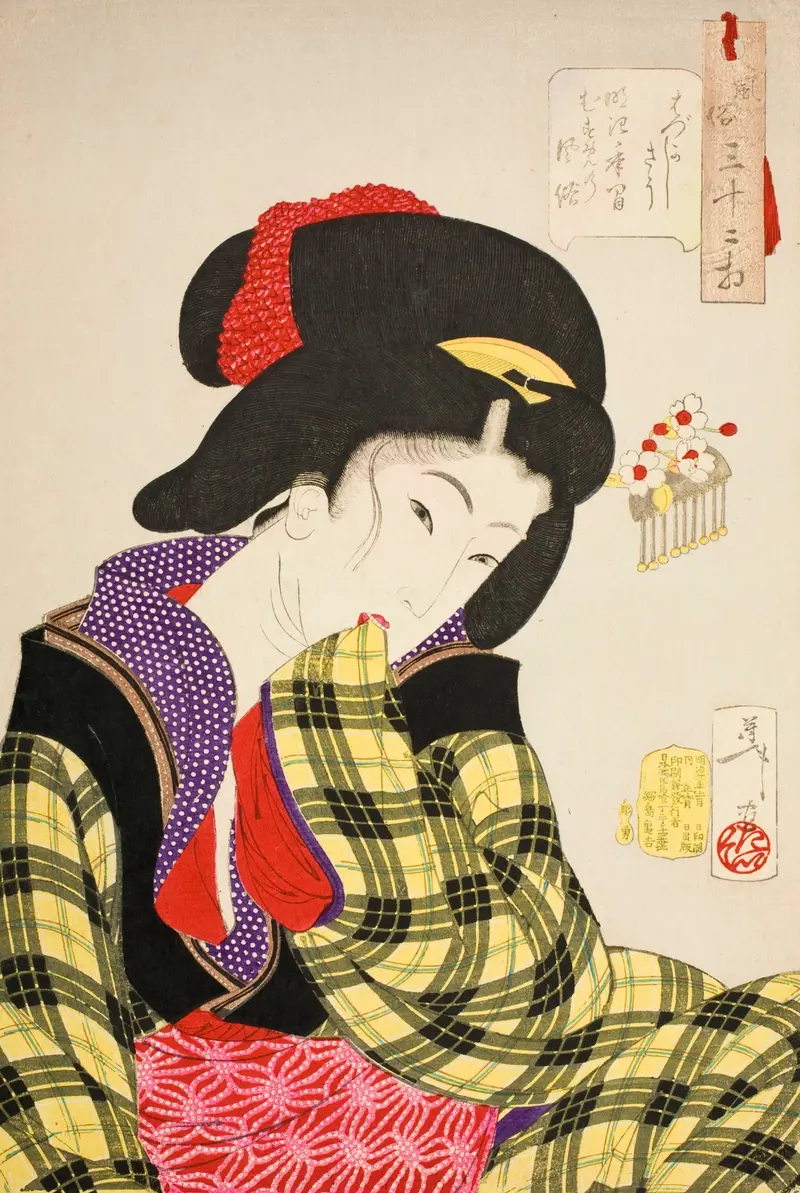
Looking Shy; The Manners of a Young Girl of the Meiji Era
Tsukioka Yoshitoshi
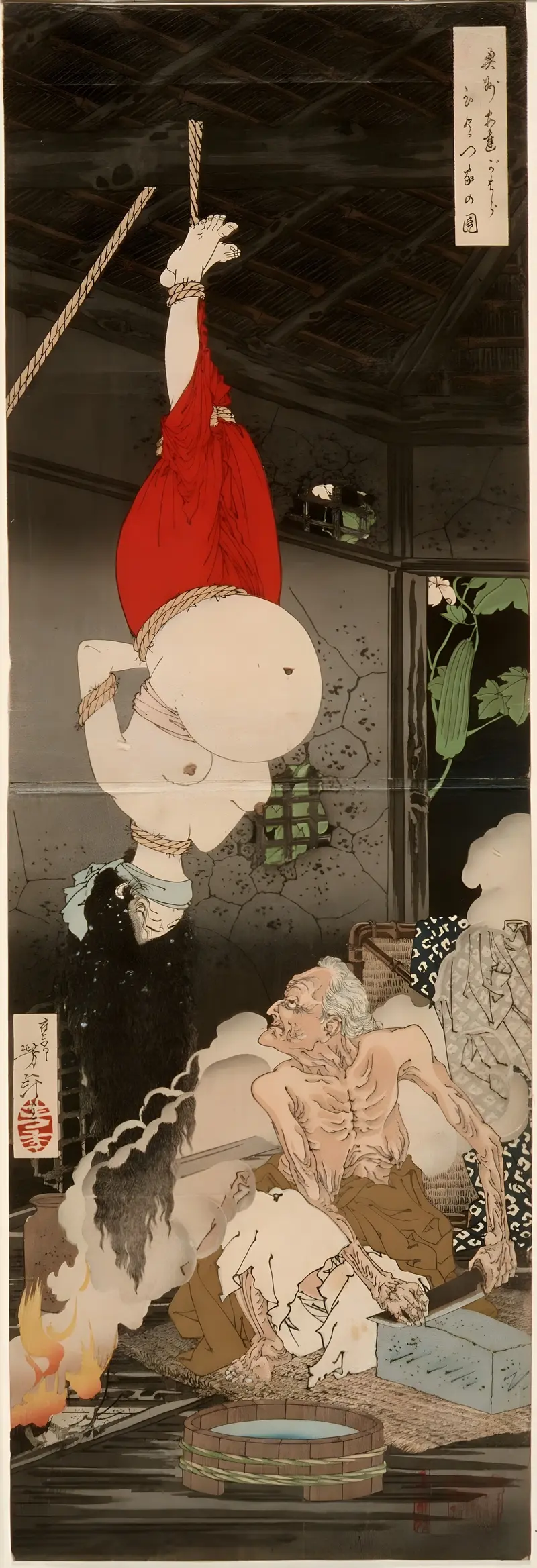
The Lonely House on Adachi Moor in Northern Japan
Tsukioka Yoshitoshi
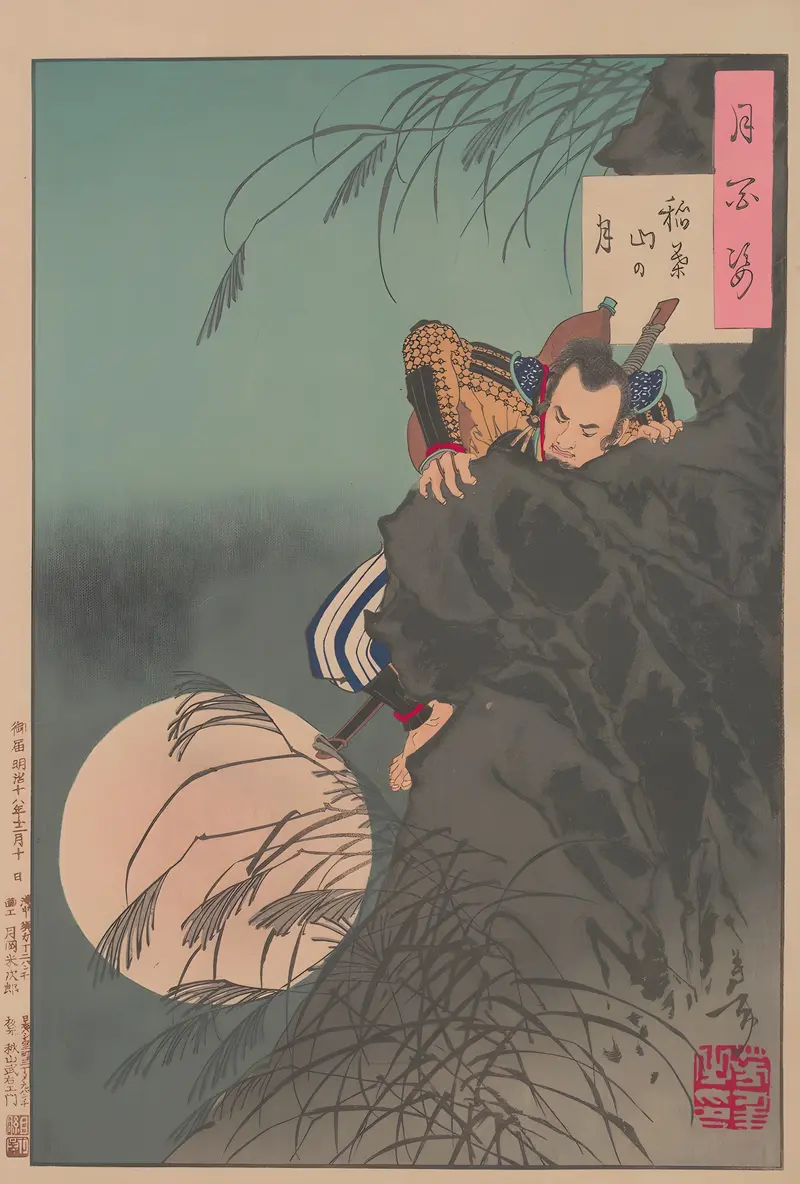
Inaba Mountain moon (Inabayama no tsuki)
Tsukioka Yoshitoshi
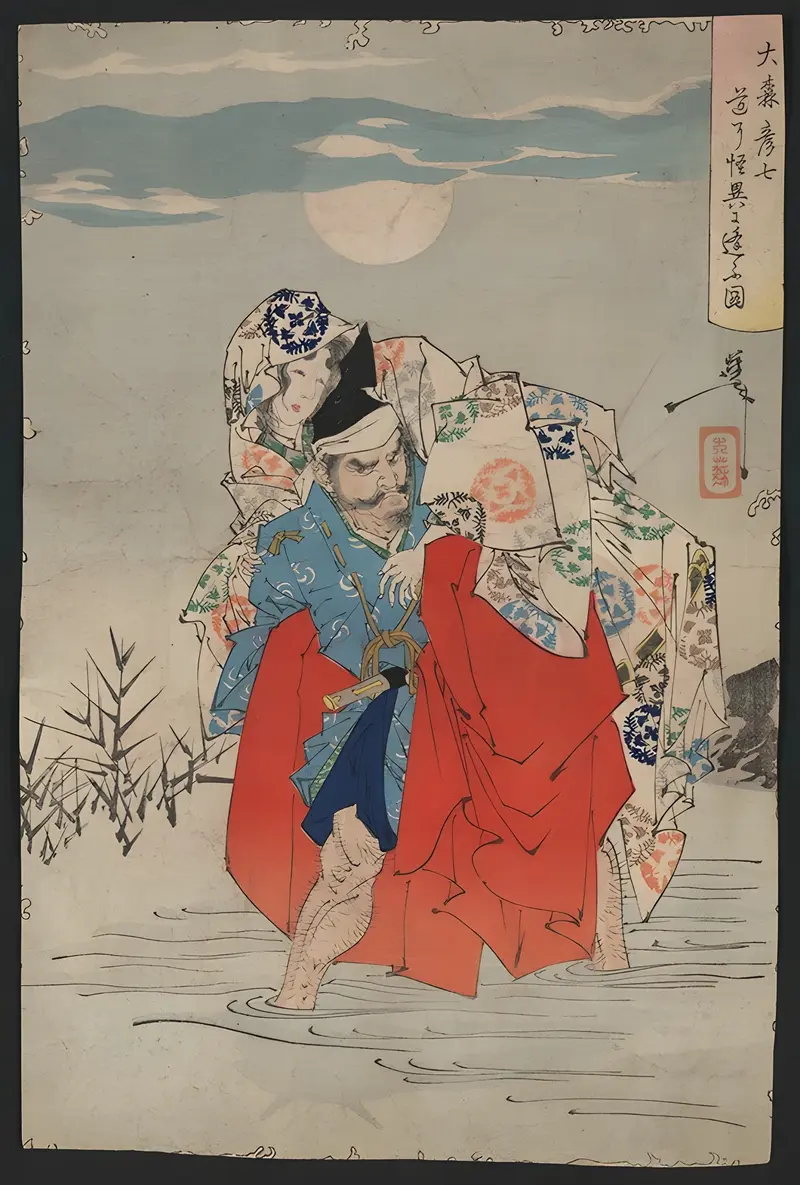
Omori Hikoshichi
Tsukioka Yoshitoshi
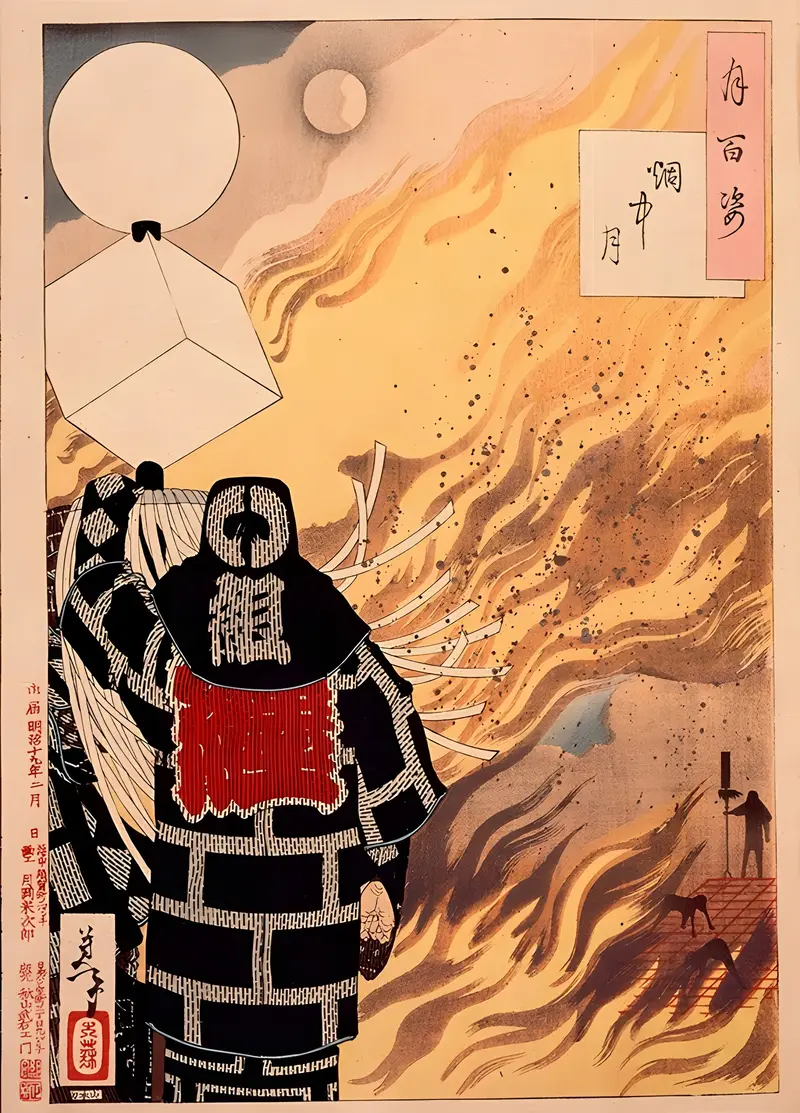
One Hundred Aspects of the Moon
Tsukioka Yoshitoshi
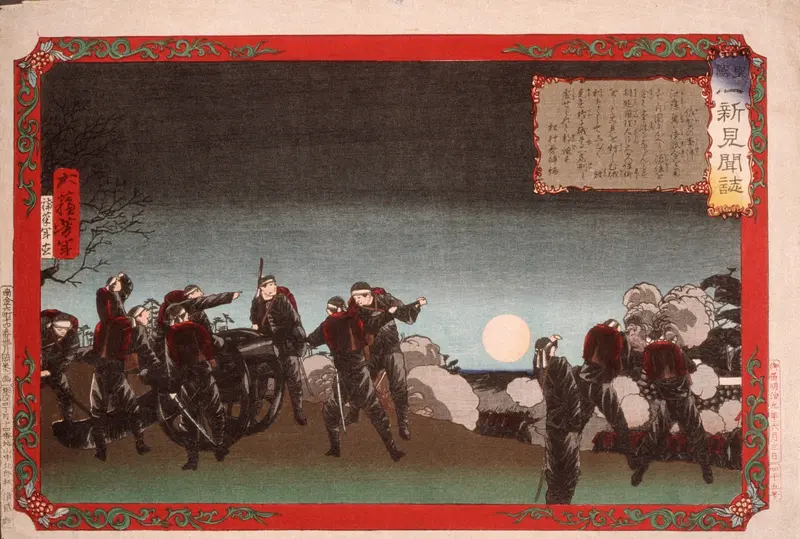
The Saga Incident
Tsukioka Yoshitoshi
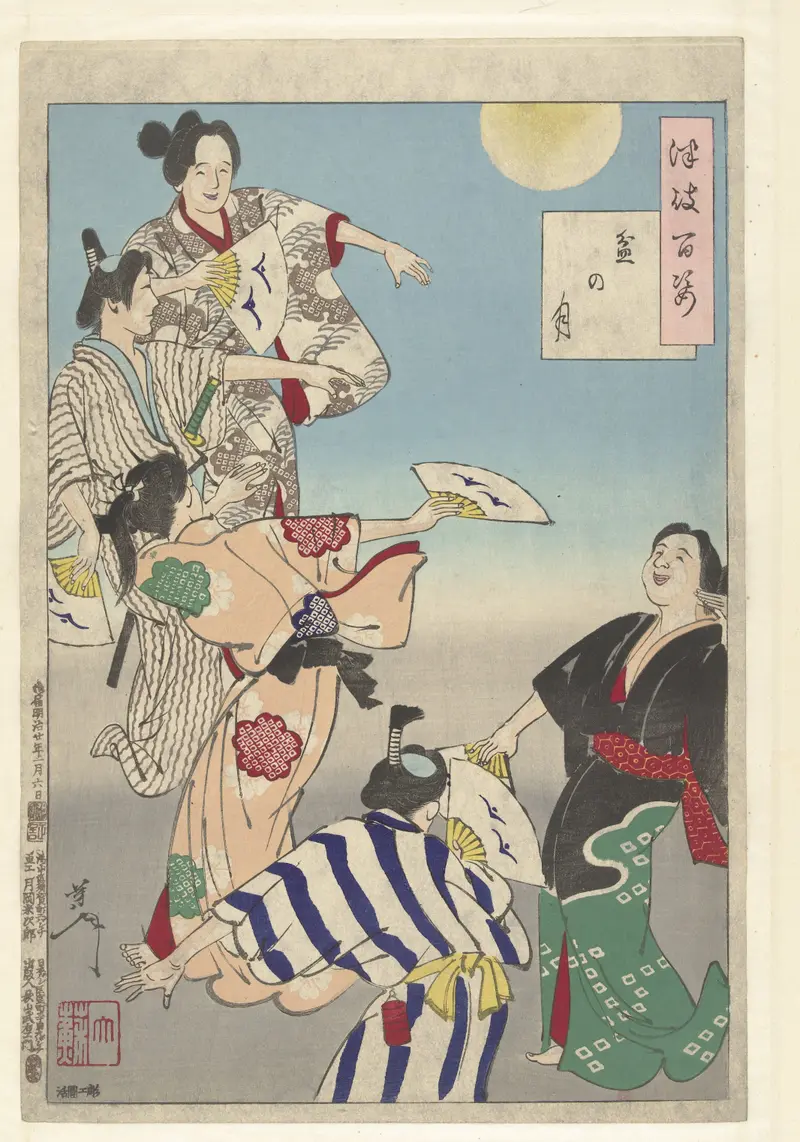
Bon Festival Moon (Bon no tsuki)
Tsukioka Yoshitoshi
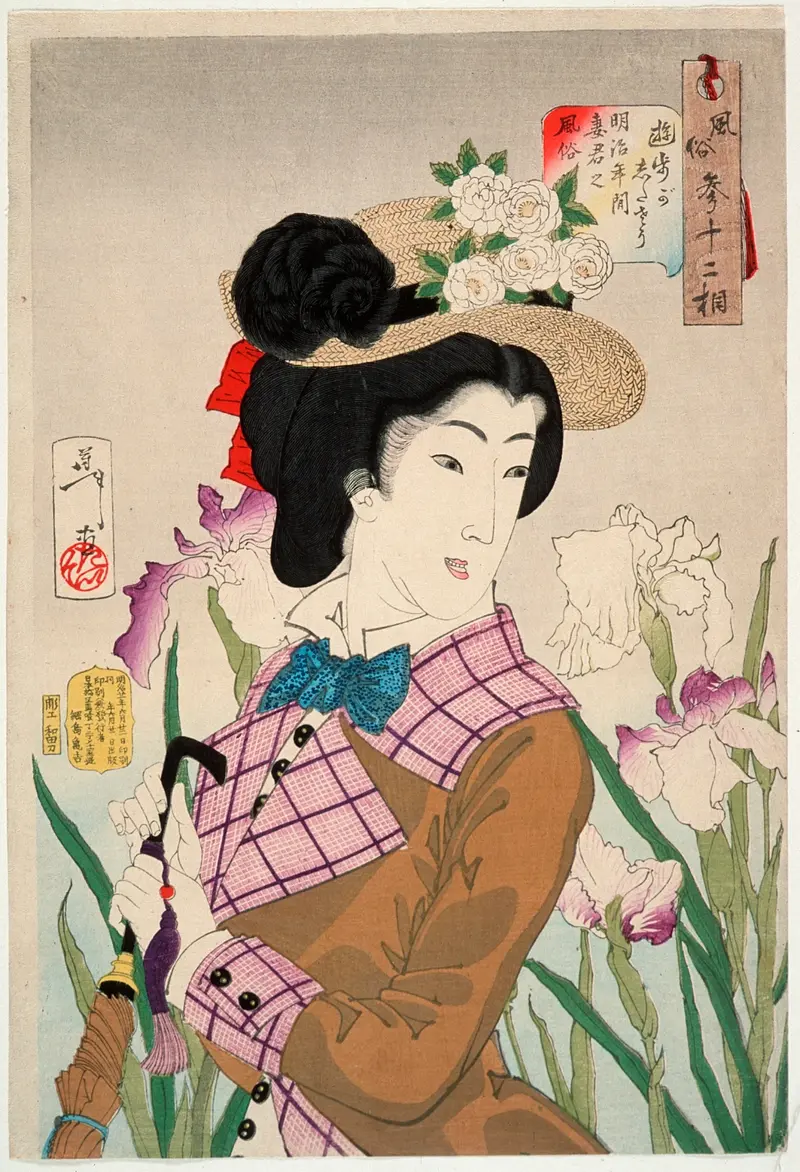
Preparing to Take a Stroll; The Wife of a Nobleman of the Meiji Period
Tsukioka Yoshitoshi





