
Virgin and Child — History & Facts
The stillness in the air echoes with unspoken truths, each brushstroke whispering the depth of a profound bond between mother and child. In this moment, creation pulses gently, as if the very essence of love and devotion is captured within the canvas. Focus on the serene expressions that grace the figures at the heart of this work. Note how the warm hues envelop the Virgin, radiating a nurturing glow, while the delicate, gentle lines of her face convey an unwavering tenderness.
Look to the child nestled in her arms, whose innocence is emphasized by the soft light that seems to cradle him. The artist's meticulous attention to detail in the garments, with their rich textures and subtle folds, adds to the authenticity of this intimate scene. Beneath the surface, the painting reveals a tension between divine purpose and earthly affection. The Virgin's serene gaze suggests a transcendent duty, while the child's trusting expression embodies pure, untainted love—a duality that speaks to the complexities of motherhood.
The contrasting use of light and shadow further highlights this relationship, inviting the viewer to contemplate the sacrifices inherent in creation, both divine and human. Created between 1775 and 1800, this artwork emerges from an era marked by profound shifts in artistic expression. The artist, though unidentified, was likely influenced by the burgeoning Romantic movement, which sought to emphasize emotional depth and personal connection in art. During this time, the world was witnessing revolutions in thought and society, which likely infused the work with a sense of urgency and reverence for the bonds that hold humanity together.
More Artworks by Unidentified artist
Browse all →
Self-portrait with a Bandaged Ear and Pipe
Unidentified artist

Feast in the House of Levi
Unidentified artist
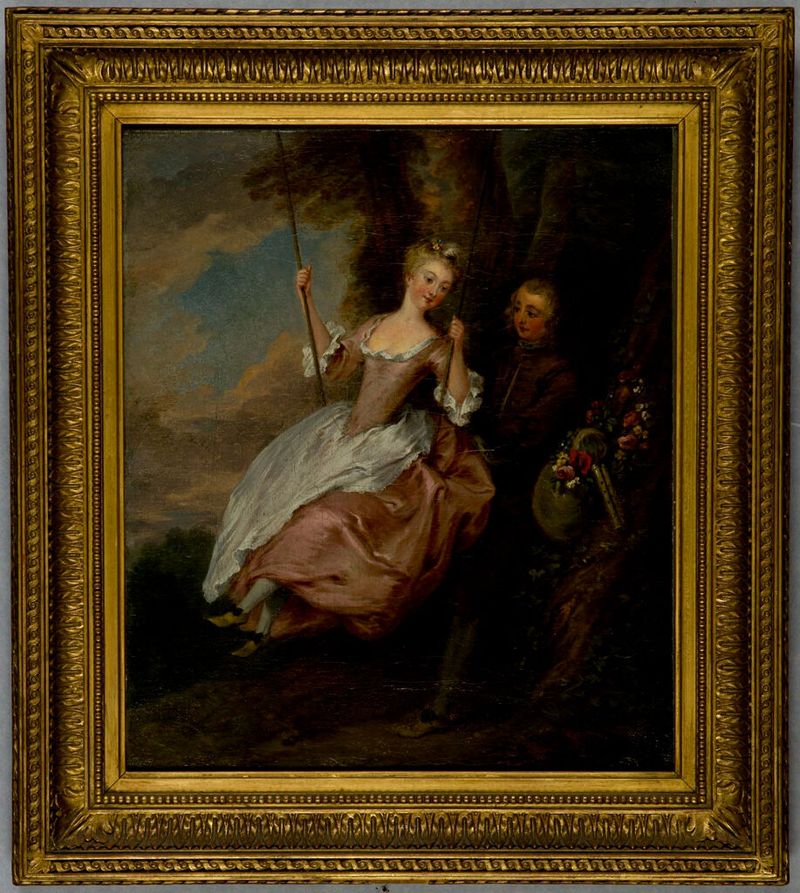
The Swing
Unidentified artist

Geoffrey Chaucer (1340?-1400)
Unidentified artist

Portrait of Michelangelo after the "Strozzi" original in the Uffizi Gallery
Unidentified artist
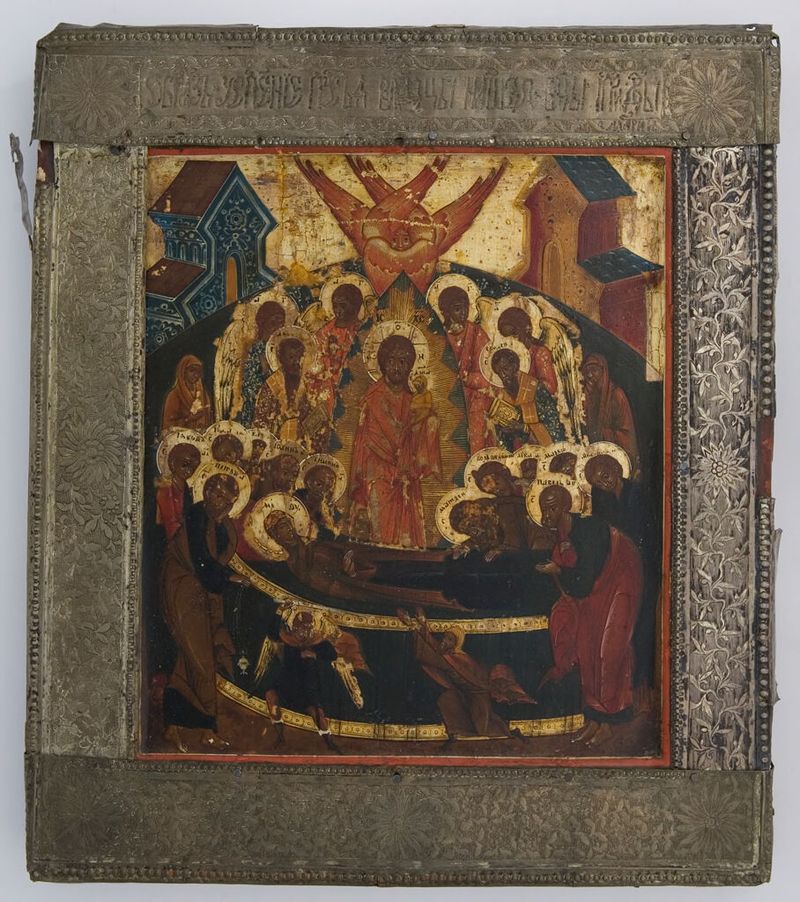
Dormition of the Virgin
Unidentified artist

Charles I (after a van Dyck painting in the Staatliche Museen, Gemaldegalerie, Dresden)
Unidentified artist

Madonna and Child
Unidentified artist

John Winthrop, the Younger (1606-1676)
Unidentified artist

Crucifix with the Virgin and Saint John the Evangelist, Christ the Redeemer, and a Praying Woman
Unidentified artist
More Religious Art
Browse all →
The Return of the Prodigal Son
Rembrandt van Rijn

The Garden of Earthly Delights
El Bosco

Count Orgaz’ funeral
El Greco

The Hundred Guilder Print: the central piece with Christ preaching, the plate arched
Rembrandt van Rijn

The Descent from the Cross
Rogier van der Weyden

The return of the prodigal son
Rembrandt van Rijn