Virtu is niet meer dan een woord — History & Facts
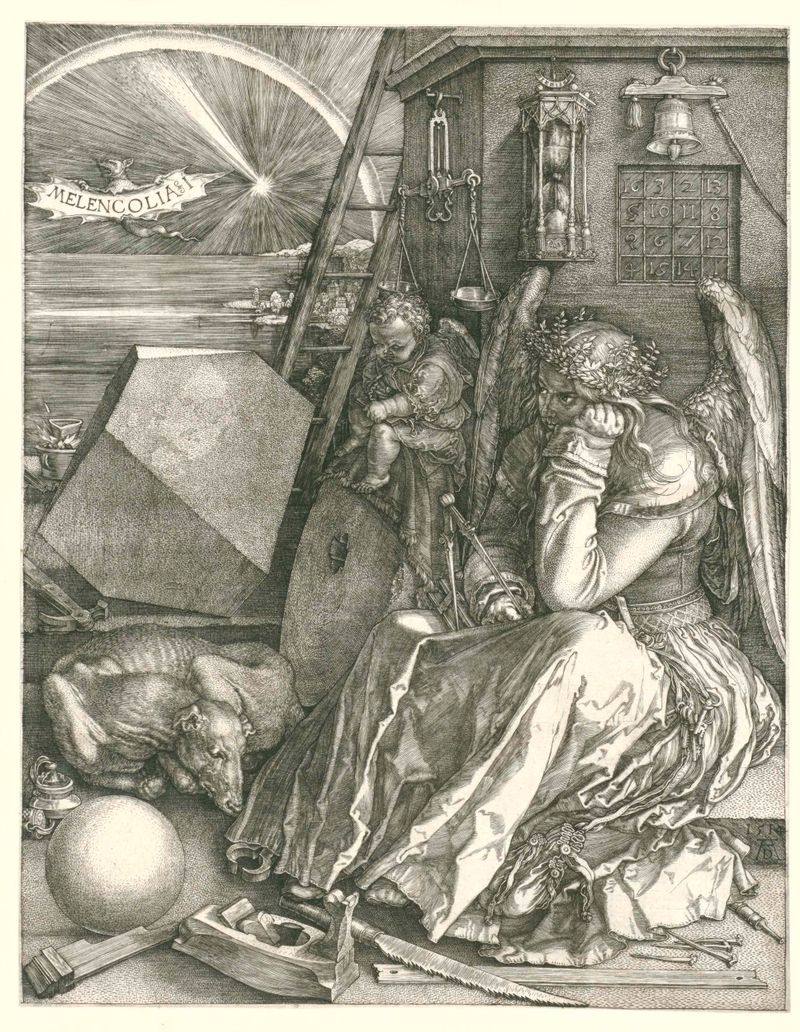
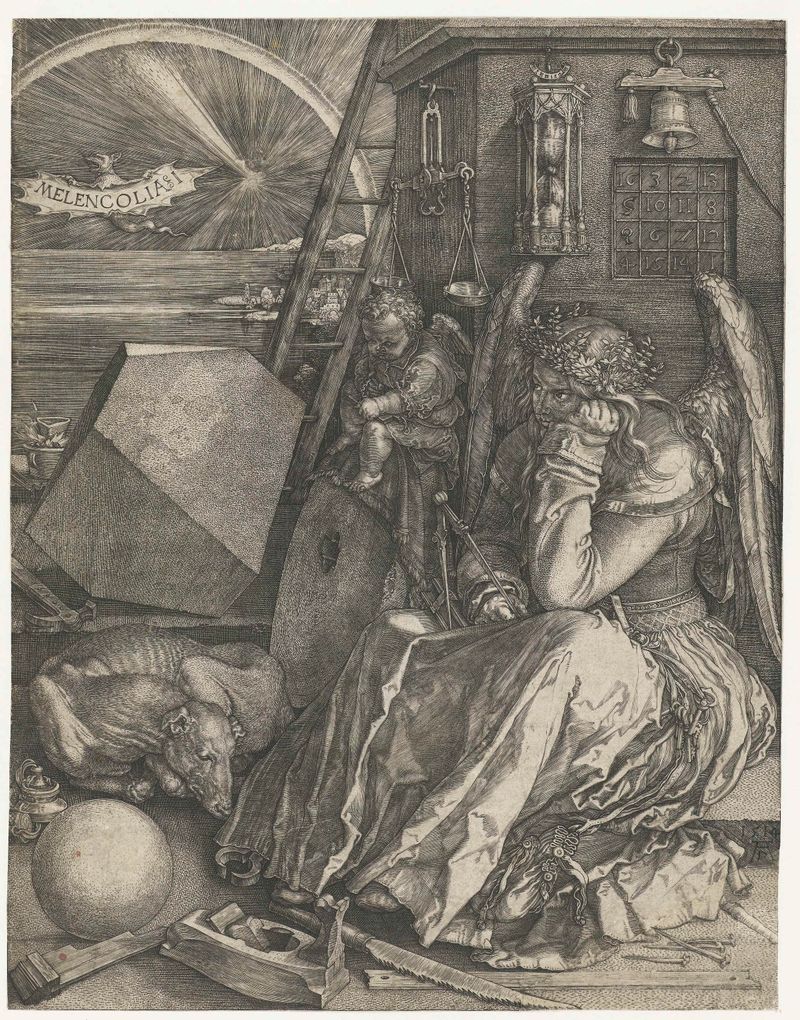
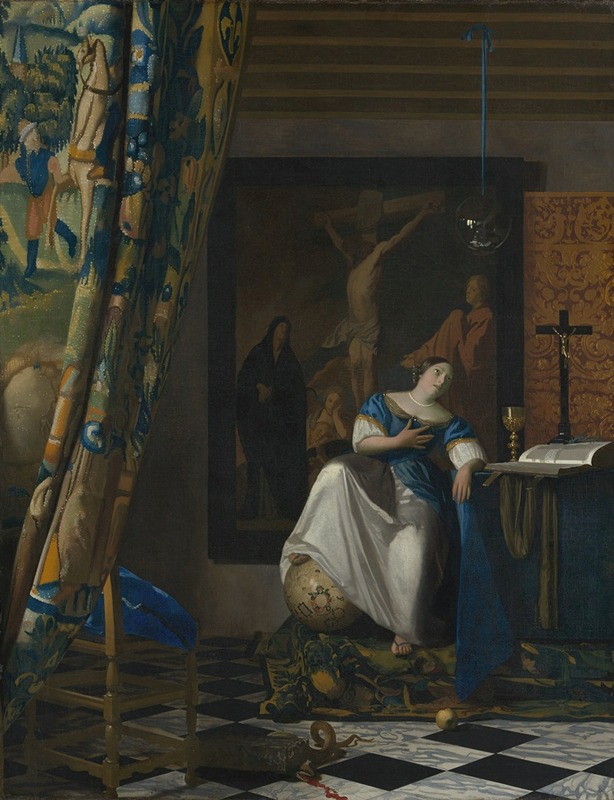
Can beauty exist without sorrow? In the haunting stillness of Virtu is niet meer dan een woord, the unknown artist invites us to ponder the delicate balance between virtue and the weight of human experience. The serene yet somber composition resonates with a silence that speaks volumes, urging us to confront the interplay of ideals and their often-painful realities. Look to the center where a solitary figure stands, draped in muted tones that contrast with the vivid detail of the surrounding foliage. The artist employs a meticulous technique — each leaf delicately rendered, the interplay of light and shadow creating depth that draws the viewer in.
Notice how the soft illumination caresses the figure's face while casting shadows that hint at unspoken thoughts. This composition invites introspection, where every brushstroke serves not just the visual, but the emotional narrative at play. Delve deeper, and a complex tapestry of meaning emerges. The figure, embodying virtue, is set against a backdrop that hints at inevitable decay — a metaphor for the transient nature of beauty itself.
The vibrant greens juxtapose the quiet browns of the earth, reflecting the tension between life and mortality. Each detail, from the figure's contemplative gaze to the entwined branches, articulates a struggle: the pursuit of virtue is often accompanied by the weight of sorrow and silence. This poignant piece was created between 1520 and 1560, a period marked by profound shifts in art and society. Emerging from the Northern Renaissance, the artist reflected a growing interest in humanism and the complexities of moral philosophy.
Despite being shrouded in anonymity, their work captures a universal truth, resonating through centuries, as humanity grapples with the essence of virtue amidst the quiet sorrows of life.
More Artworks by Unknown Artist
Browse all →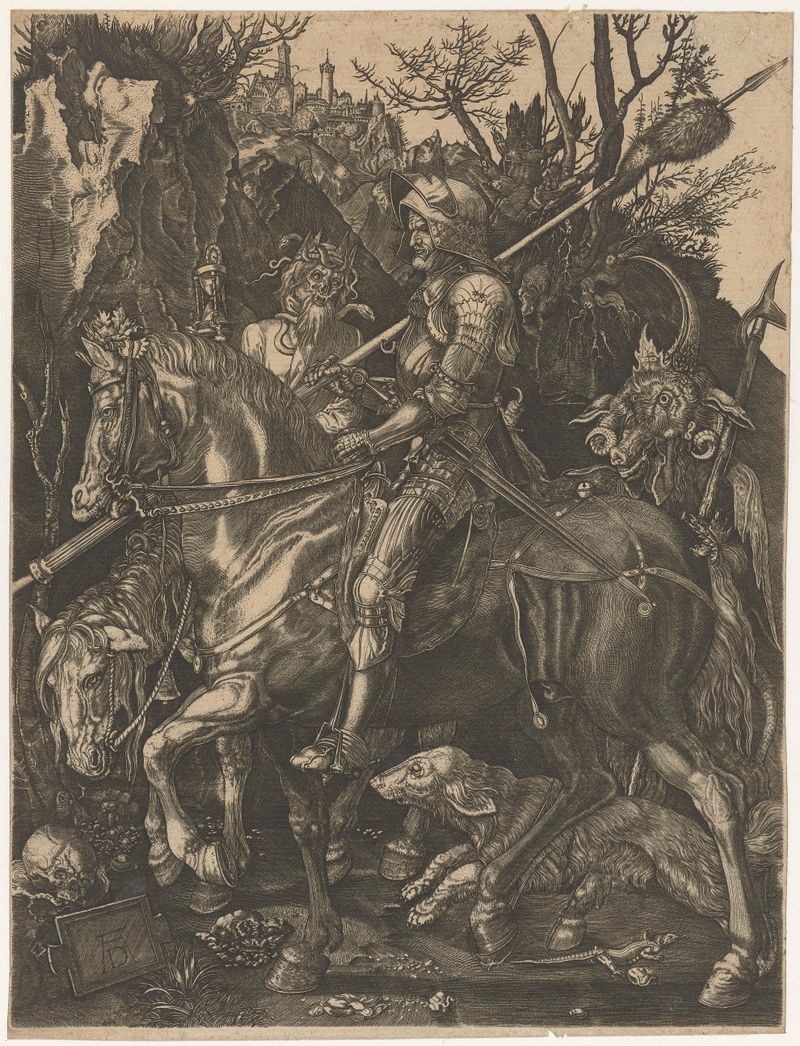
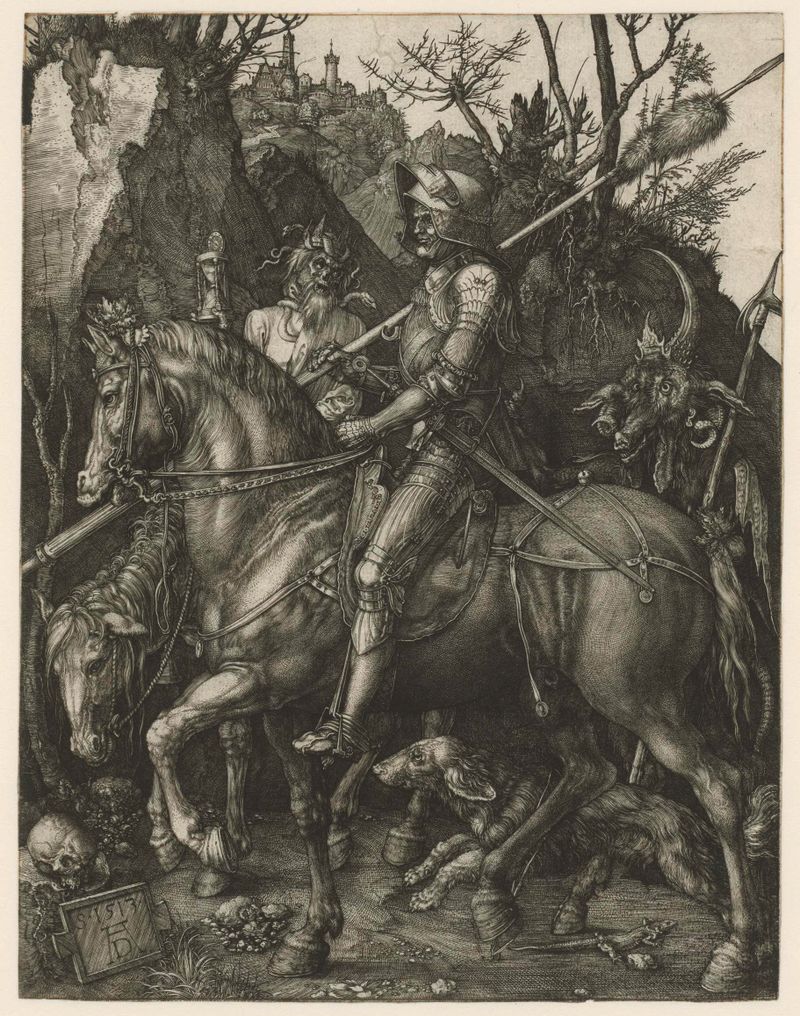
Ridder, Dood en Duivel
Unknown Artist
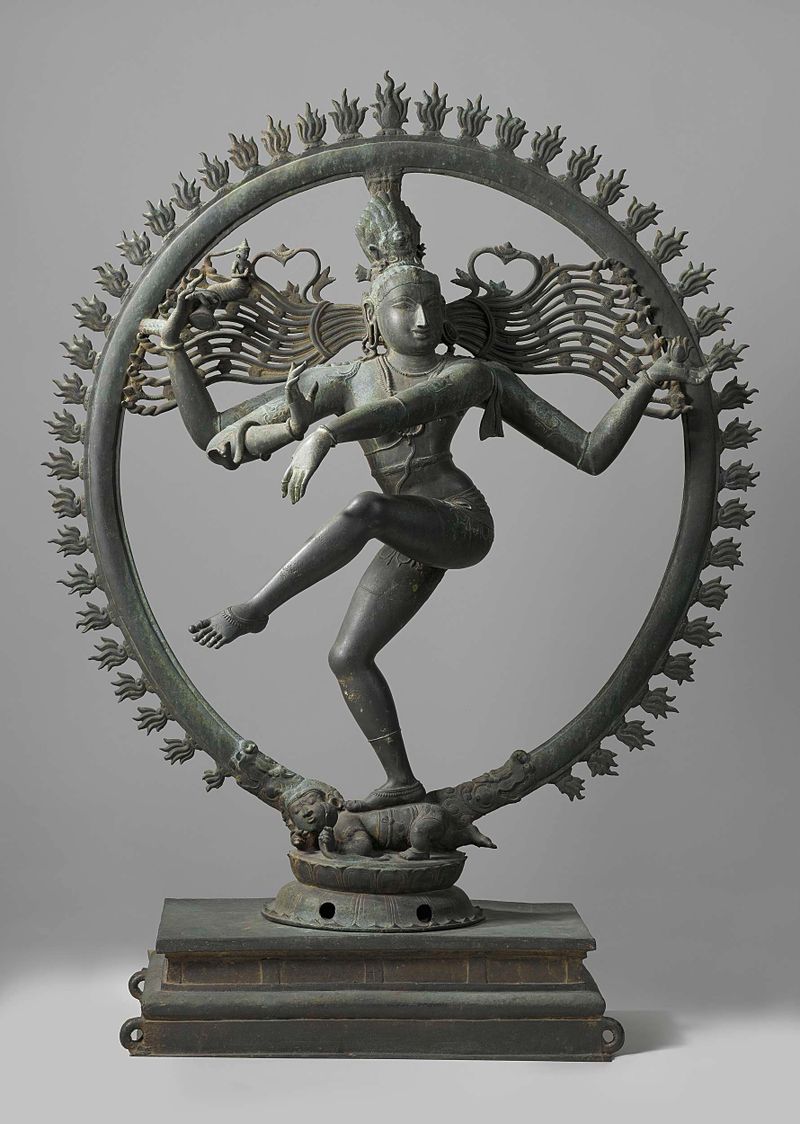
Shiva Nataraja
Unknown Artist
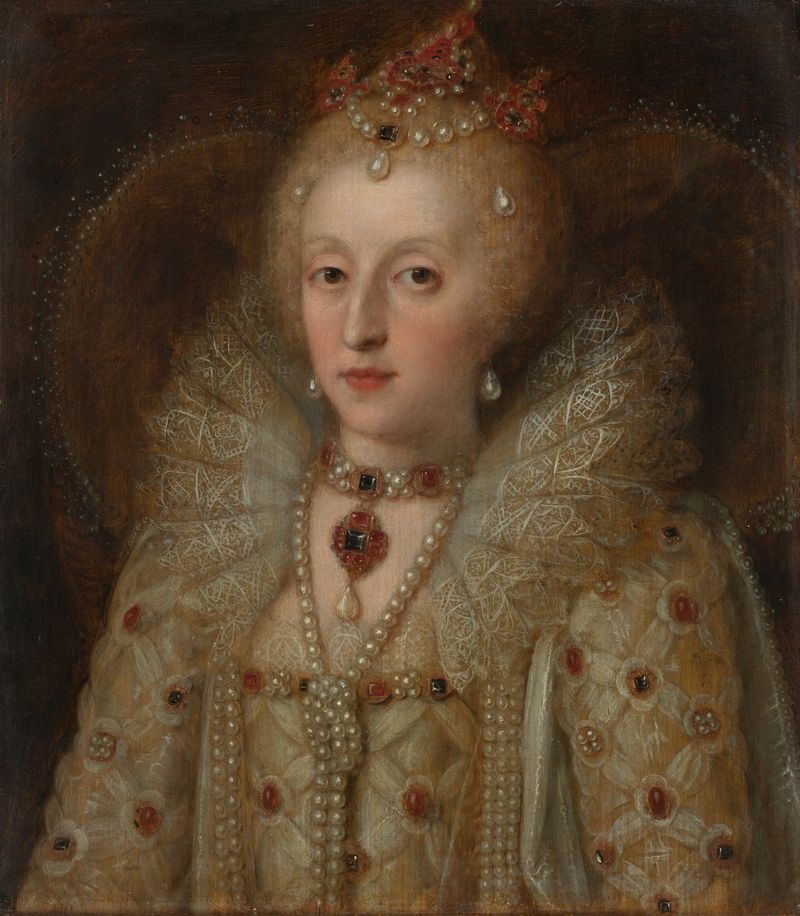
Portrait of Elizabeth I, Queen of England
Unknown Artist
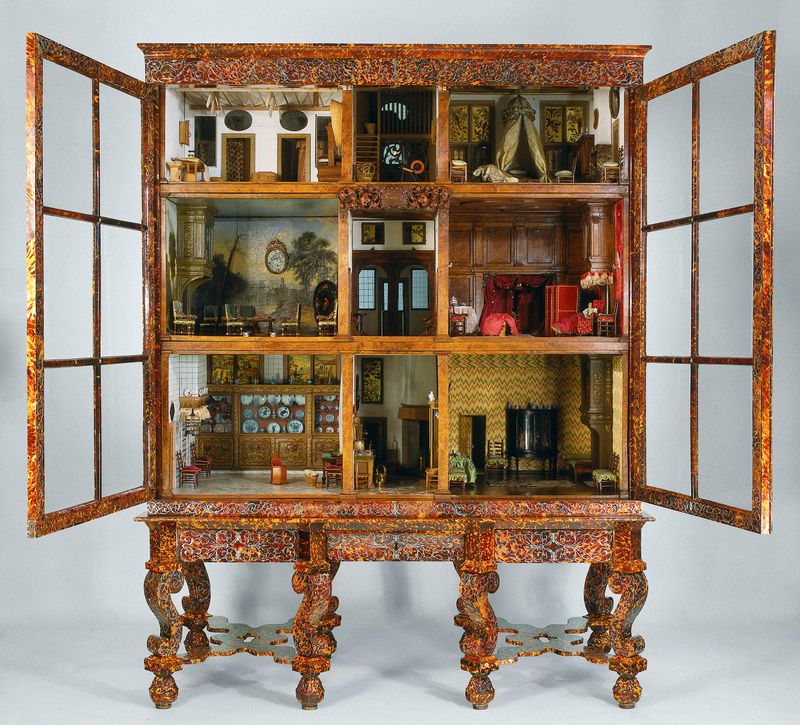
Dolls’ house of Petronella Oortman
Unknown Artist
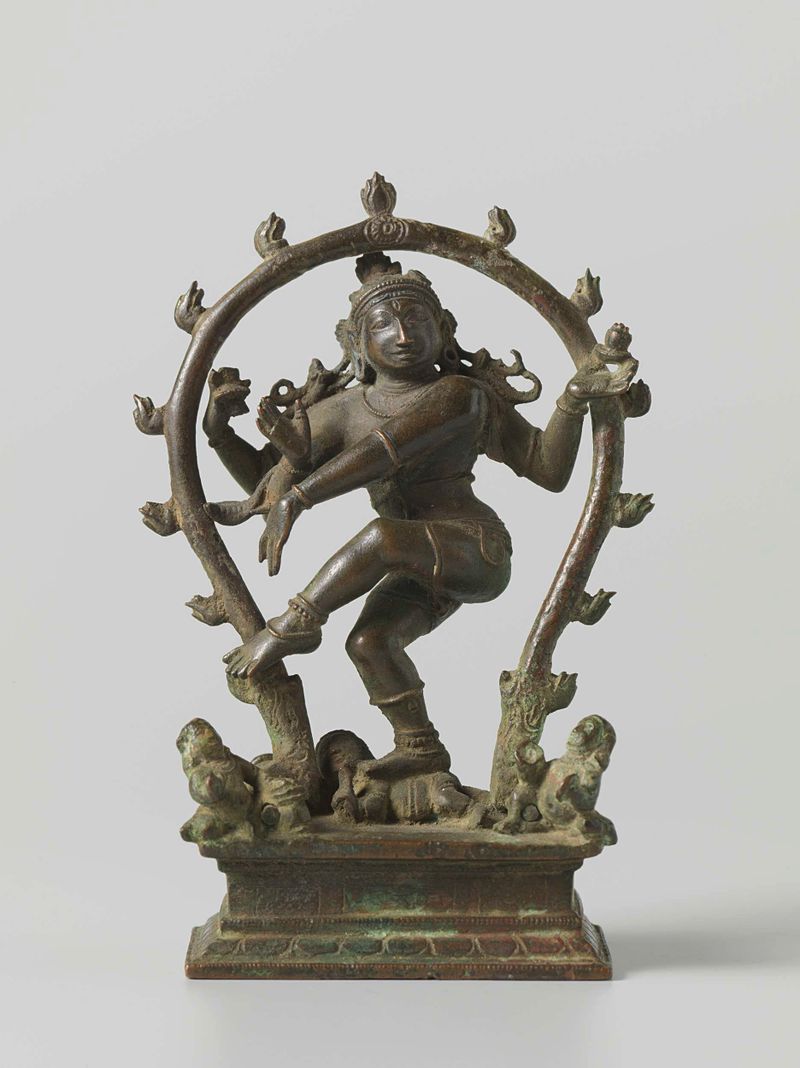
Shiva Nataraja
Unknown Artist

The Tale of Genji
Unknown Artist

The Tale of Genji
Unknown Artist
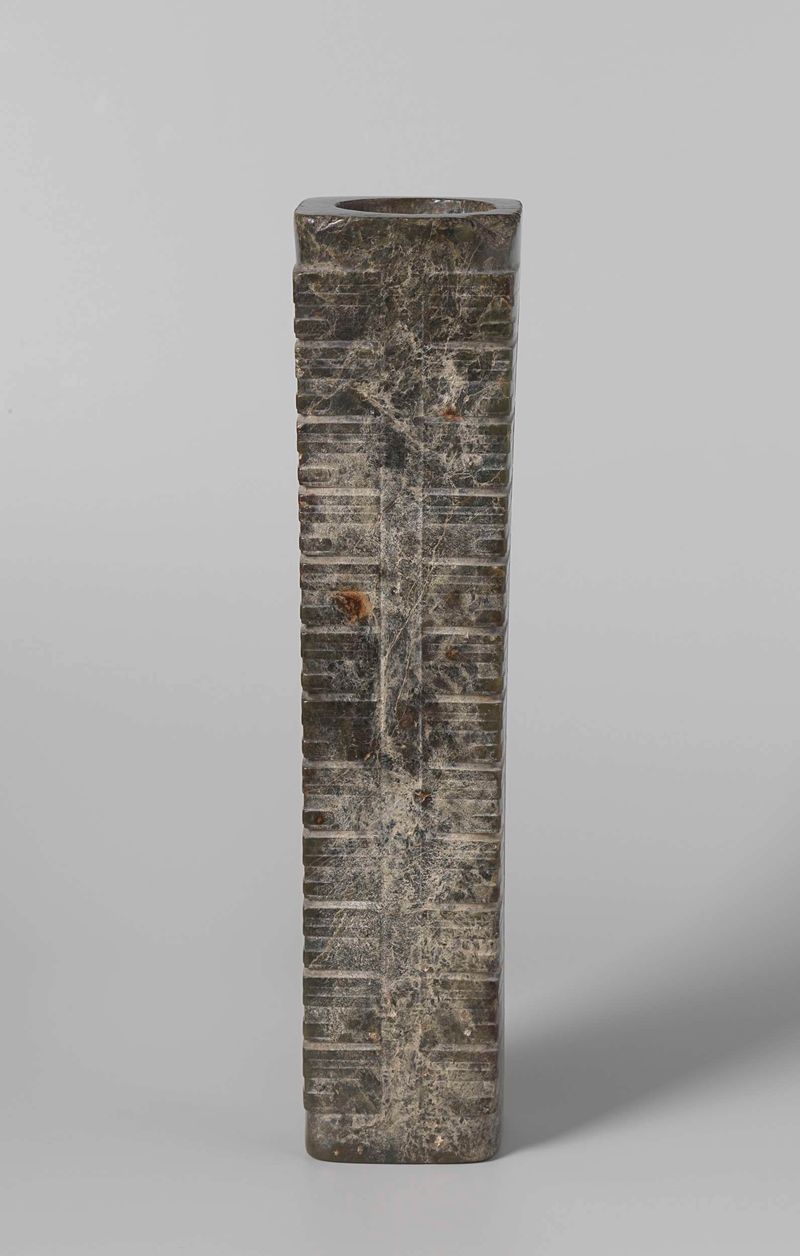
Cong
Unknown Artist
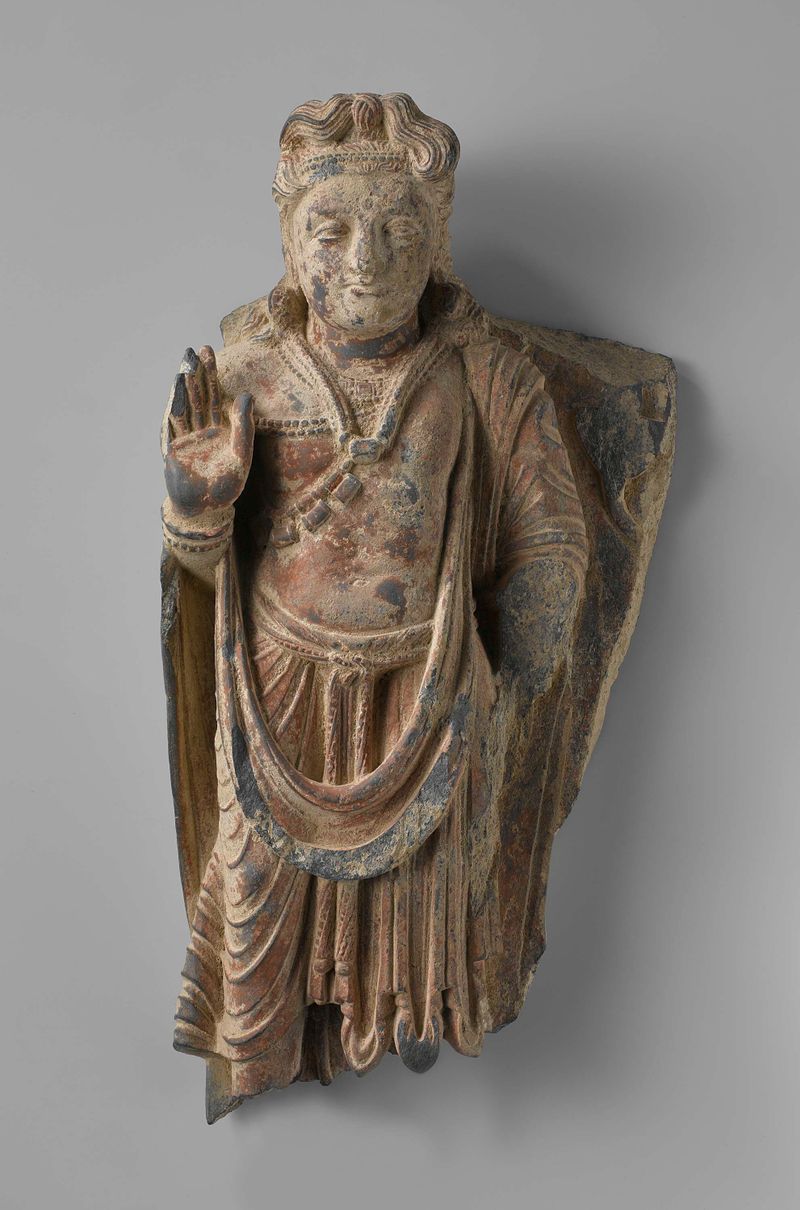
The bodhisattva Maitreya
Unknown Artist
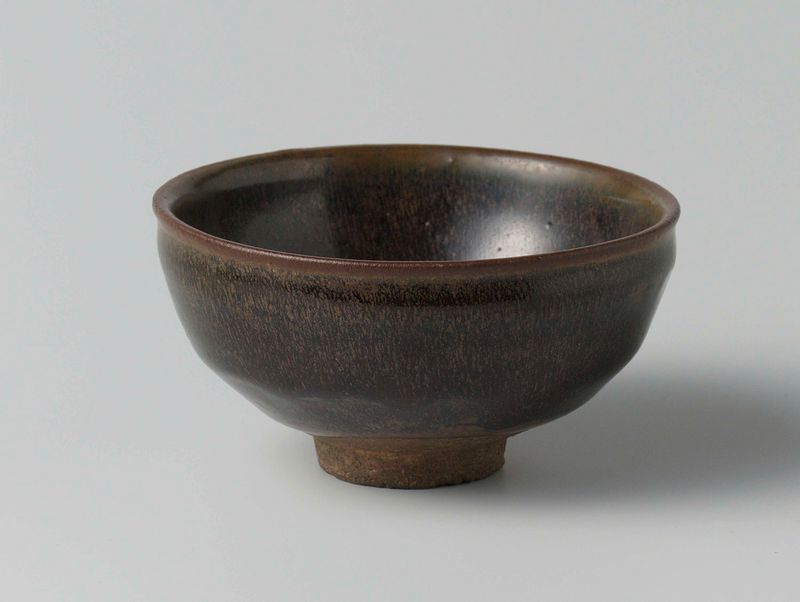
Teabowl with a 'hare's fur' glaze
Unknown Artist