
Vladikavkaz — History & Facts
What if beauty was never meant to be finished? In Vladikavkaz, vibrant hues intertwine with an unfinished quality, inviting viewers into a world that teeters between reality and abstraction. Look to the left at the delicate interplay of vivid greens and bold blues, where the landscape unfurls. The mountains rise majestically, their peaks kissed by a soft blush of morning light. Notice how the strokes are both precise and spontaneous, capturing the essence of the scene while leaving hints of the artist's hand.
This dynamic use of color not only defines the topography but evokes the very spirit of the place, breathing life into the canvas. Yet beneath the surface lies a tension between the known and the unknown. The juxtaposition of the serene village against the looming mountains suggests a complex relationship with nature—one of both admiration and trepidation. Additionally, the brushwork carries a duality, conveying motion and stillness simultaneously, as if the landscape itself is caught in a moment of serene contemplation.
There’s an emotional resonance here, where beauty exists in its imperfection, urging viewers to embrace the unfinished. In 1890, Jan Ciągliński painted this work during a time of personal transition, having recently moved to Russia from Poland. The art scene was evolving, embracing Impressionism and moving away from strict realism. This shift influenced his style, allowing him to explore new techniques and emotional landscapes.
Vladikavkaz stands as a testament to his adaptability and the broader artistic currents of the time.
More Artworks by Jan Ciągliński
Browse all →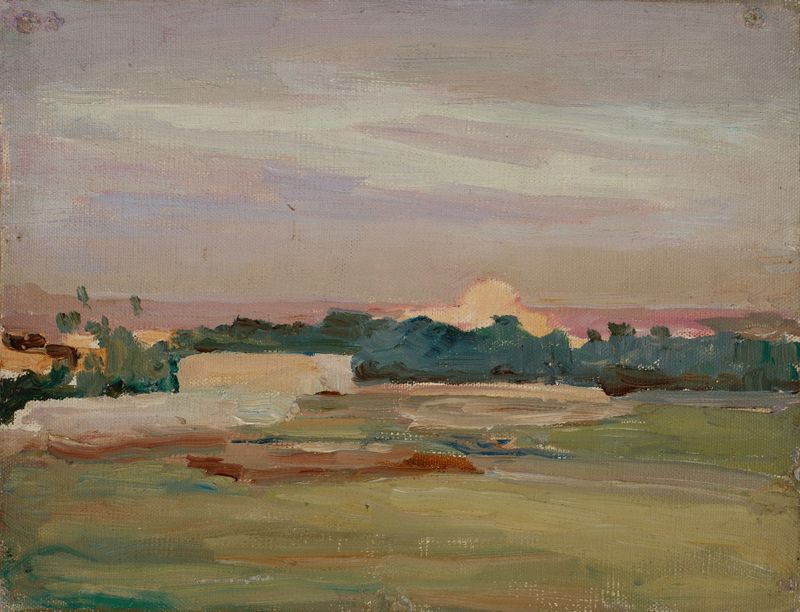
The Sirocco
Jan Ciągliński
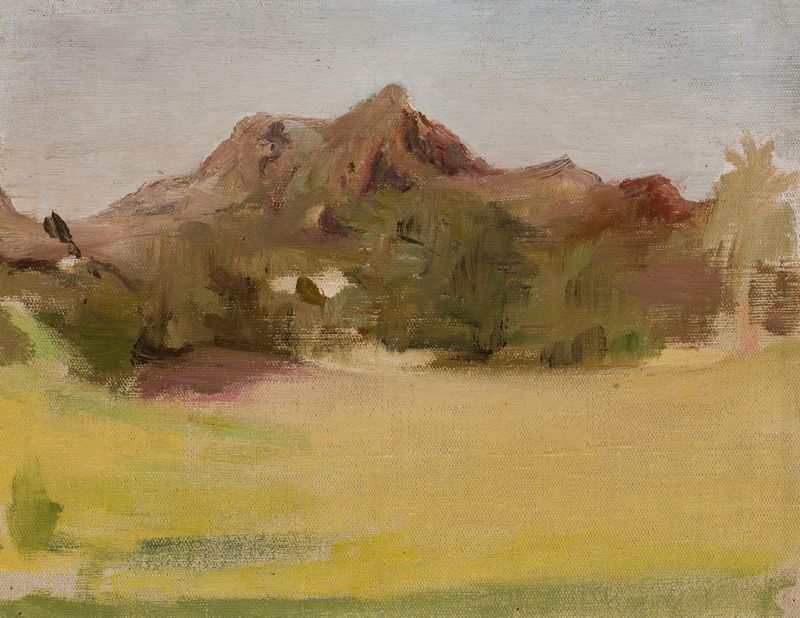
Mountain landscape. From the journey to India
Jan Ciągliński
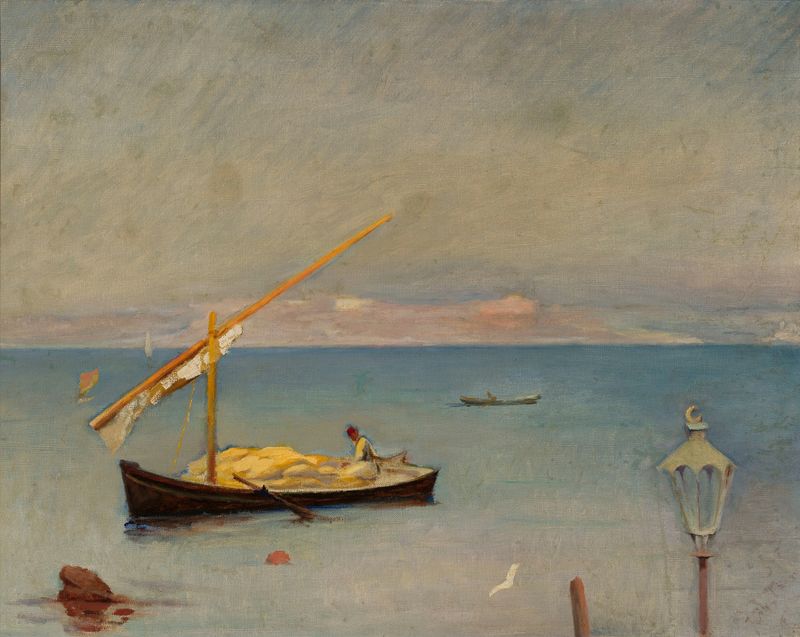
At Bosporus
Jan Ciągliński
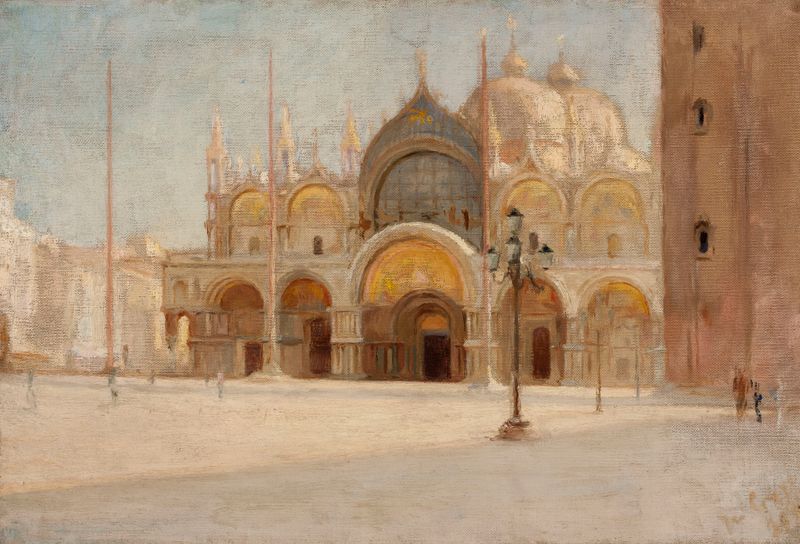
St Mark’s Square in Venice
Jan Ciągliński
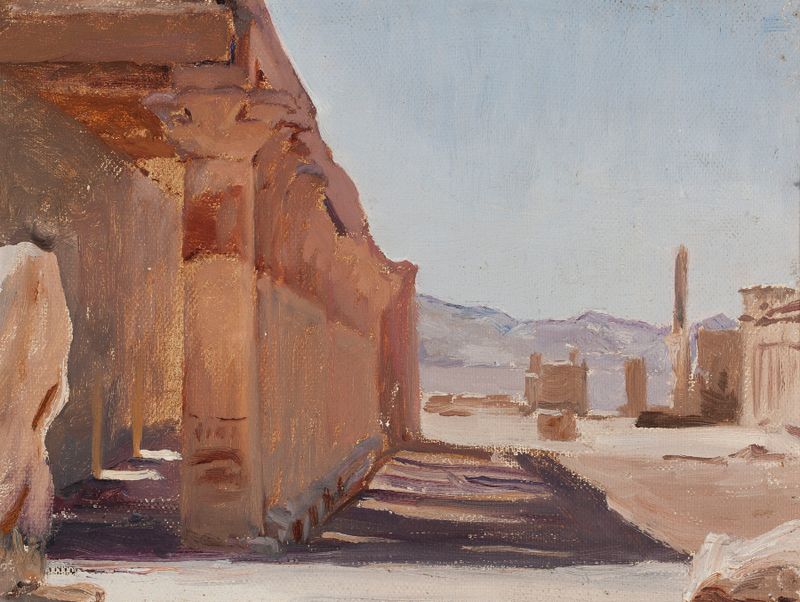
Temple. From the journey to Egypt
Jan Ciągliński
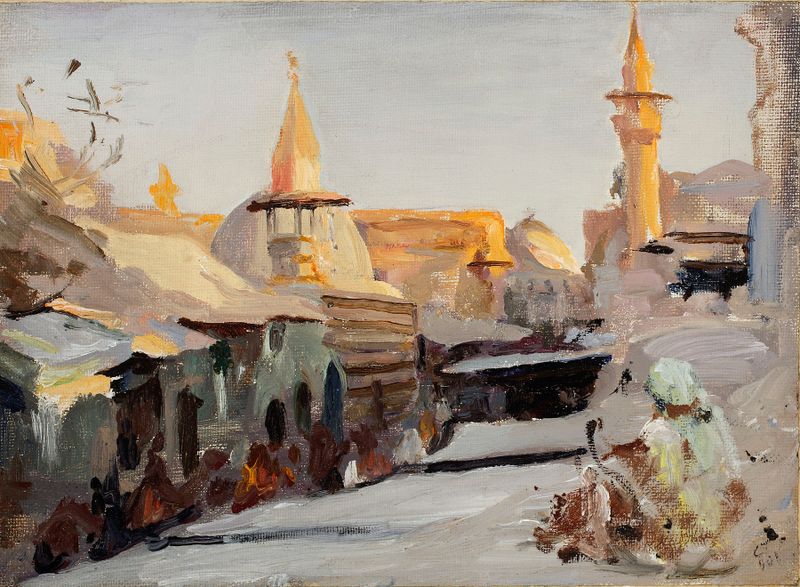
Street in Damascus. From the journey to Palestine
Jan Ciągliński
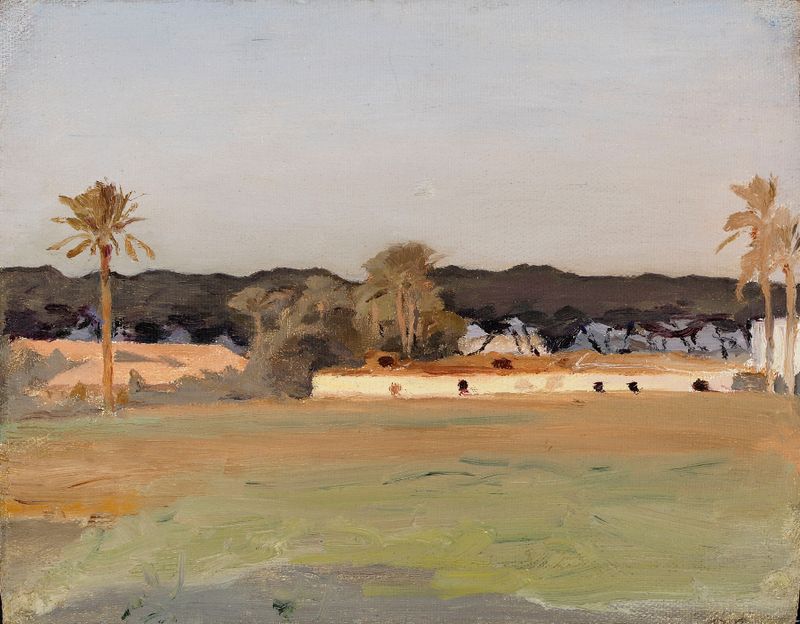
Evening. From the journey to Egypt
Jan Ciągliński
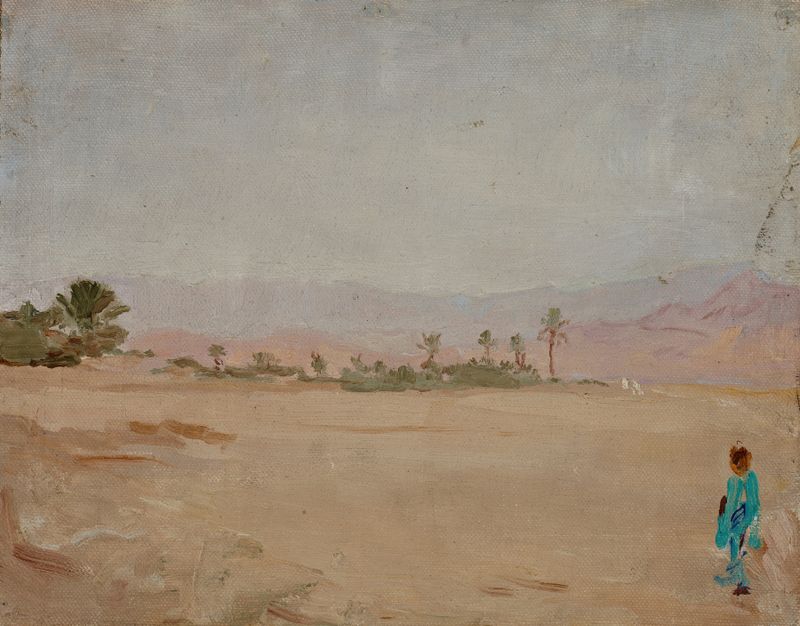
Sahara (Desert)
Jan Ciągliński
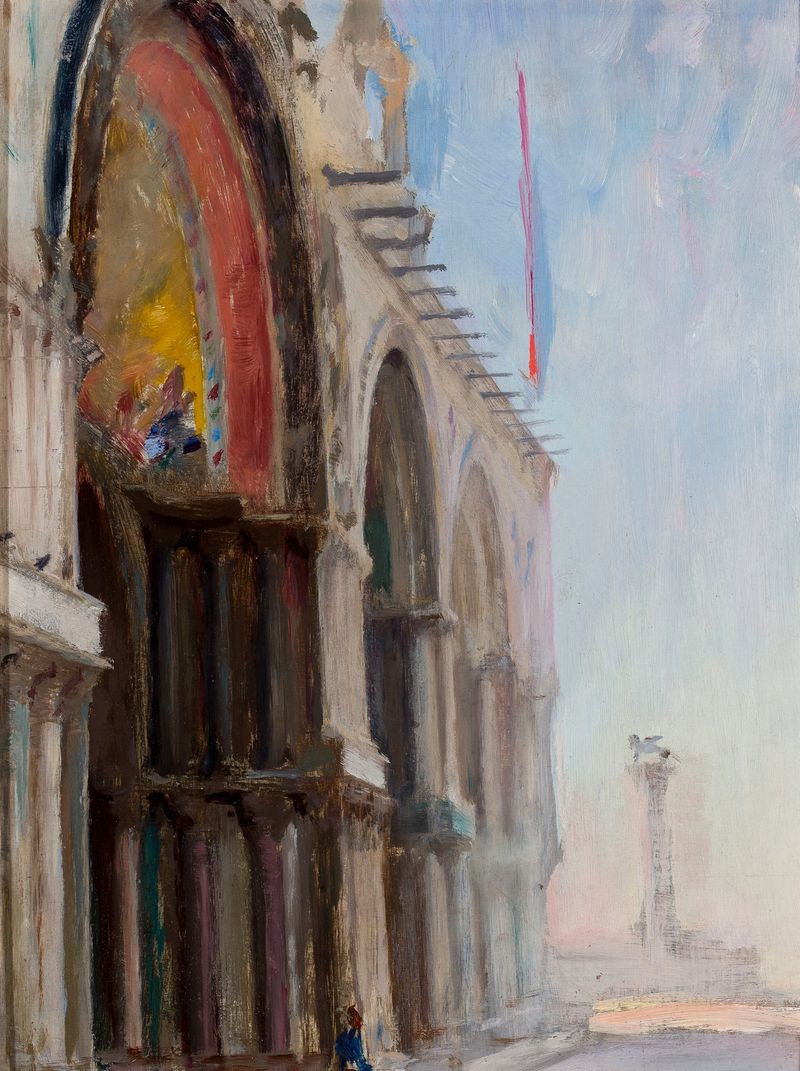
Venice – San Marco. From the journey to Italy
Jan Ciągliński
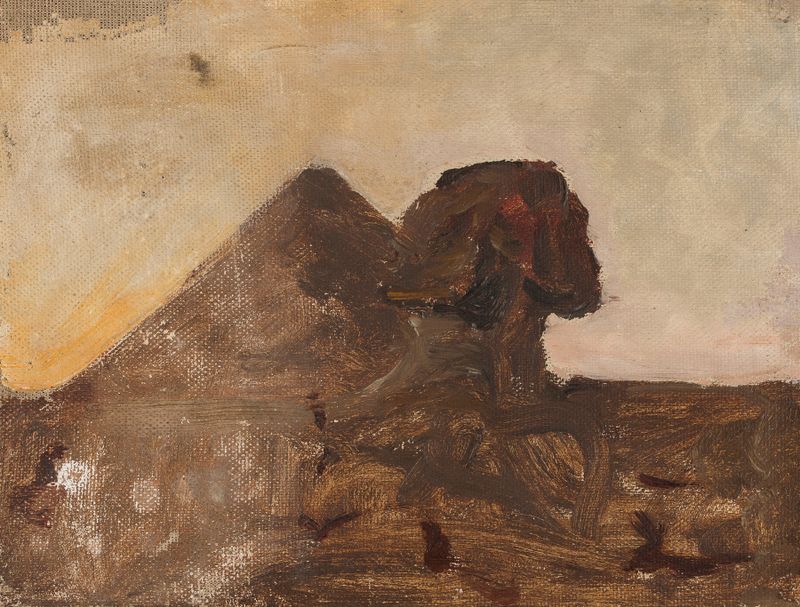
Evening in the desert – Sphinx and pyramid. From the journey to Egypt
Jan Ciągliński





