
Volkshaus: Nein! — History & Facts
The eye is caught first by the bold, almost theatrical contrast of red and black, a palette that turns the figures into symbols rather than individuals. In Volkshaus: Nein!, Otto Plattner uses sharp lines and exaggerated gestures to stage a confrontation: above, a bearded figure at a podium commands a sea of red-clad followers, their arms thrown up in fervor, while a smaller, more reserved group stands apart, arms folded or pocketsed, their expressions wary or skeptical. Below, a heavy arch frames two gatekeepers in red, barring entry to a line of men shaded in neutrals—one points, the other blocks, their stances rigid with exclusion.
Every gesture is a signal: the outstretched hands suggest both longing and rejection, the pointed fingers and folded arms a choreography of division. The text—“Die Roten unter sich” and “Nur für Rote”—hammers home the message of separation, echoed by the emphatic “Volkshaus: Nein” at the bottom. Created in 1923, this work stands in the fevered air of interwar Europe, when posters were weapons in the battles of ideology. Political graphics of the period, whether for or against the left, often relied on caricature and stark color to sway public opinion, and Plattner’s poster is no exception.
Such images were not mere decoration; they were tools for rallying, warning, or dividing, distributed in public spaces and meeting halls. While little is recorded about this specific piece beyond its date and self-scanned survival, its style and message root it firmly in the visual language of the early twentieth-century political poster. The urgency of its lines and the clarity of its message invite the viewer to step closer, to read not just the words but the tensions that animate every figure.
More Artworks by Otto Plattner
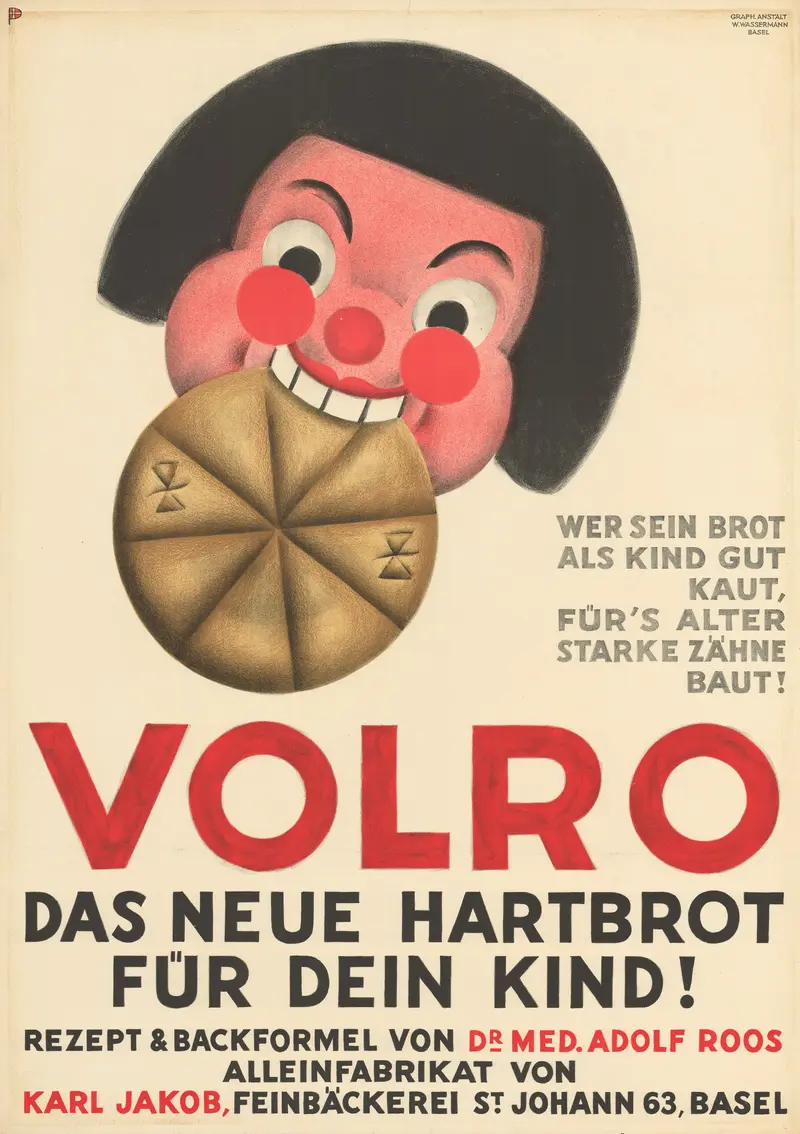
Volro – Das neue Hartbrot für dein Kind
Otto Plattner
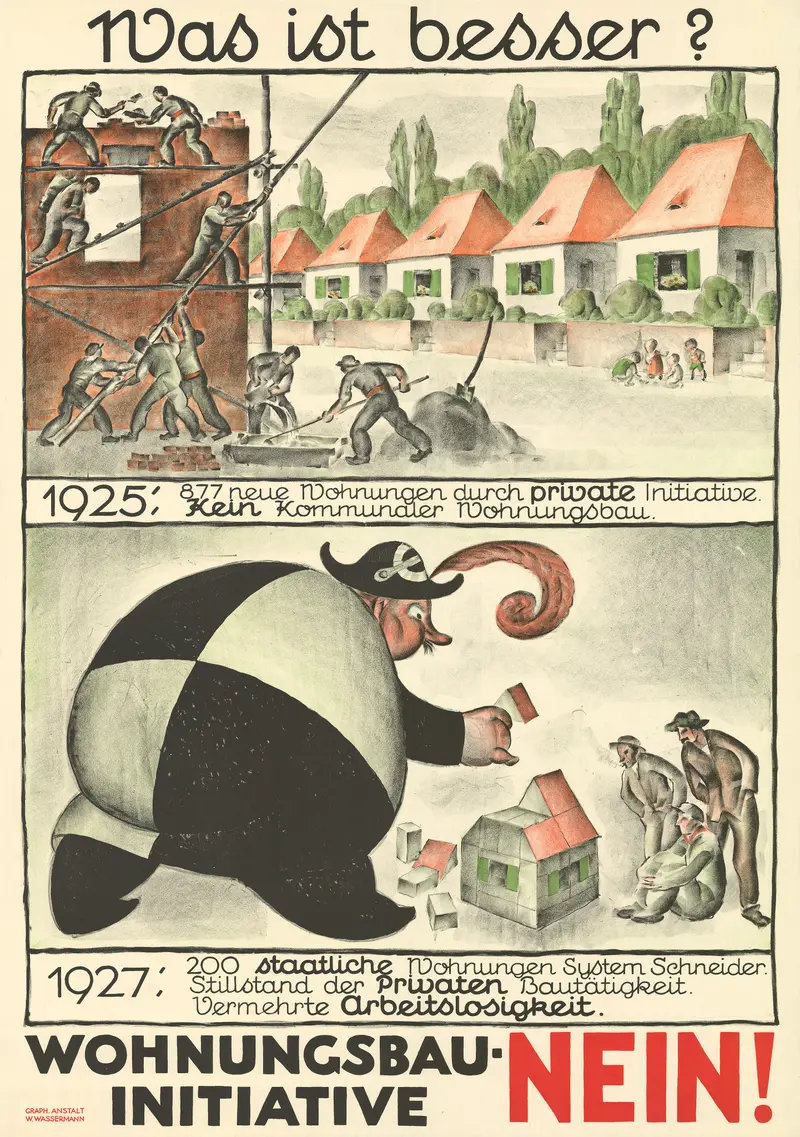
Was ist besser? – Wohnungsbau-Initiative Nein!
Otto Plattner
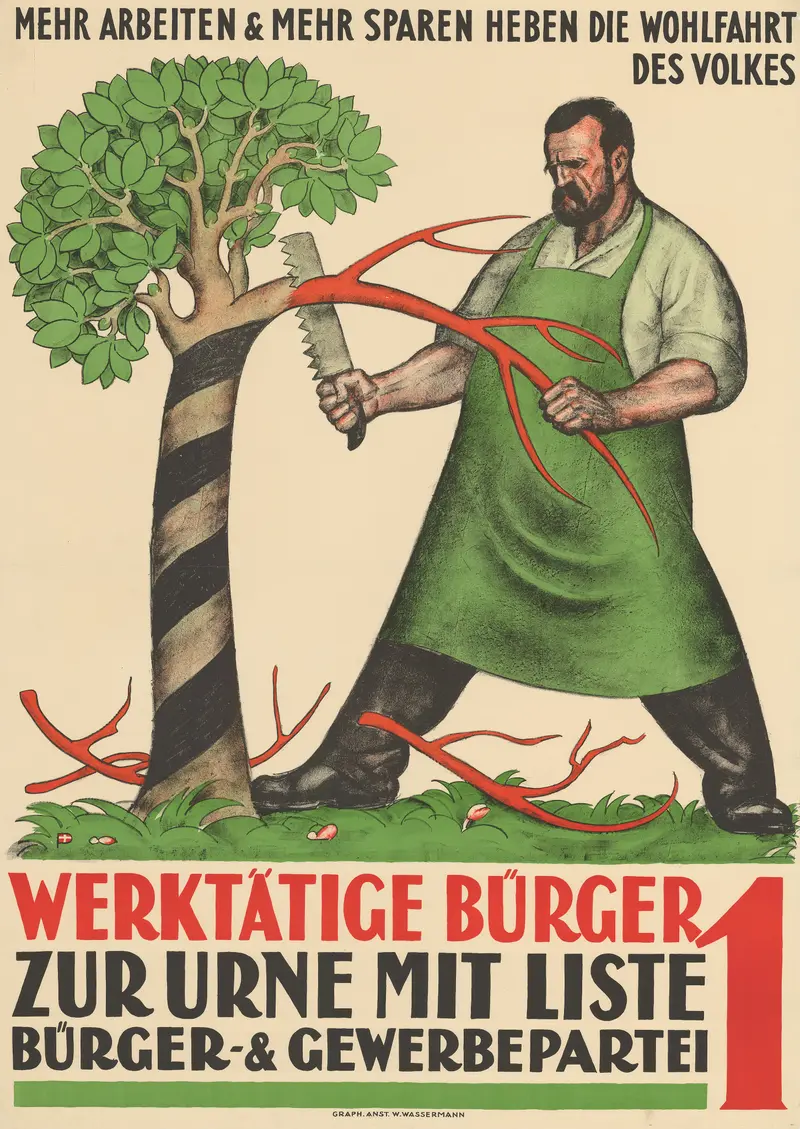
Werktätige Bürger – Zur Urne mit Liste 1 – Bürger- & Gewerbepartei
Otto Plattner
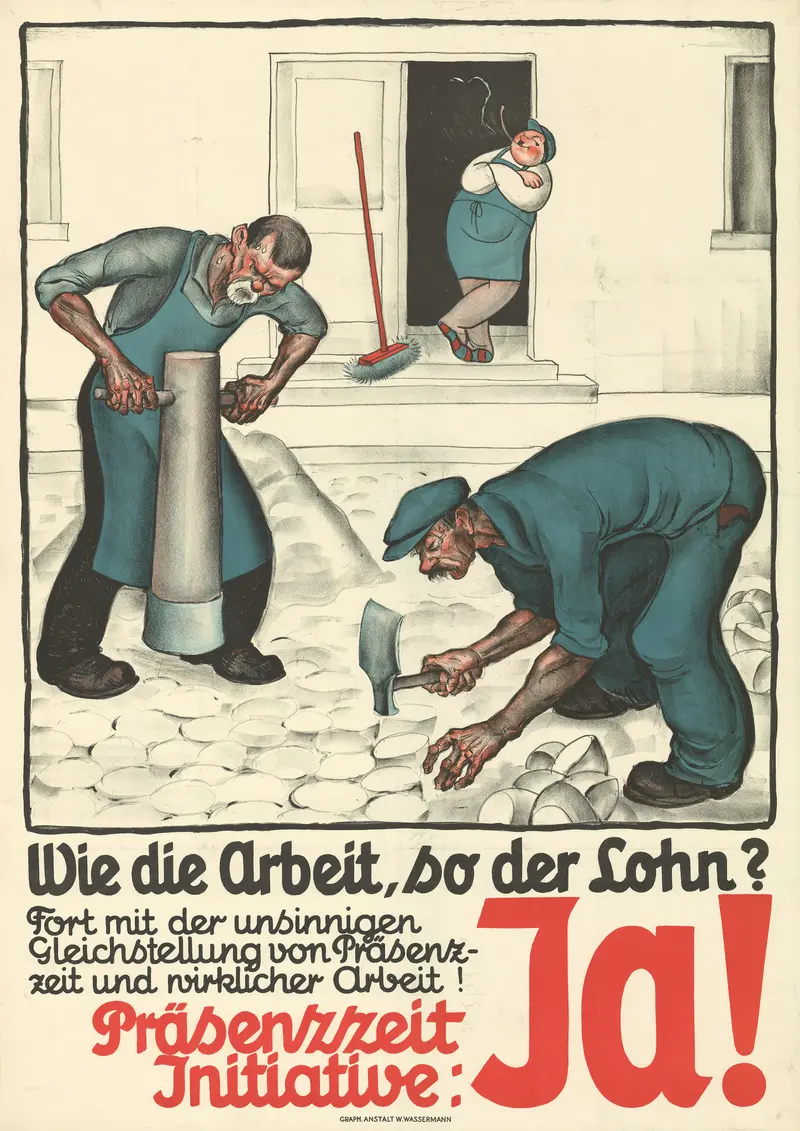
Wie die Arbeit, so der Lohn? Präsenzzeit-Initiative: Ja!
Otto Plattner

Zu den eigenen Lasten soll die Stadt auch noch die der Vororte tragen? – Wiedervereinigung Nein
Otto Plattner
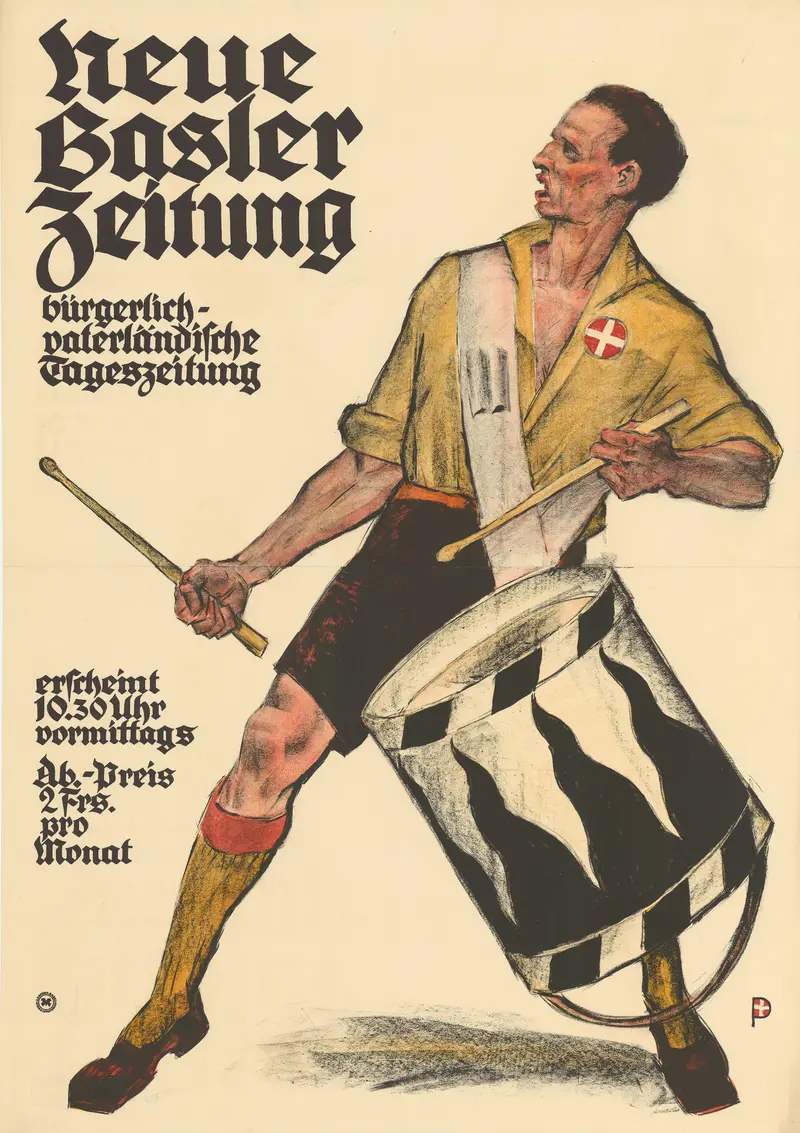
Neue Basler Zeitung
Otto Plattner
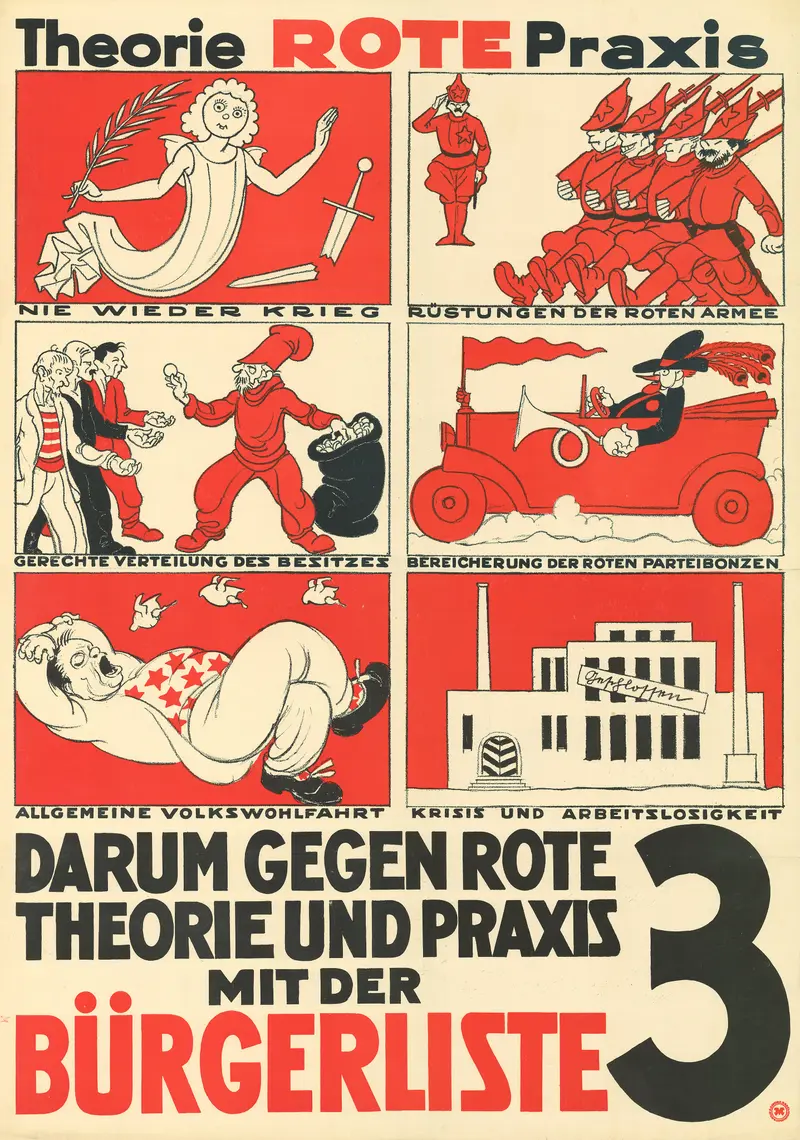
Gegen rote Theorie und Praxis – Bürgerliste 3
Otto Plattner
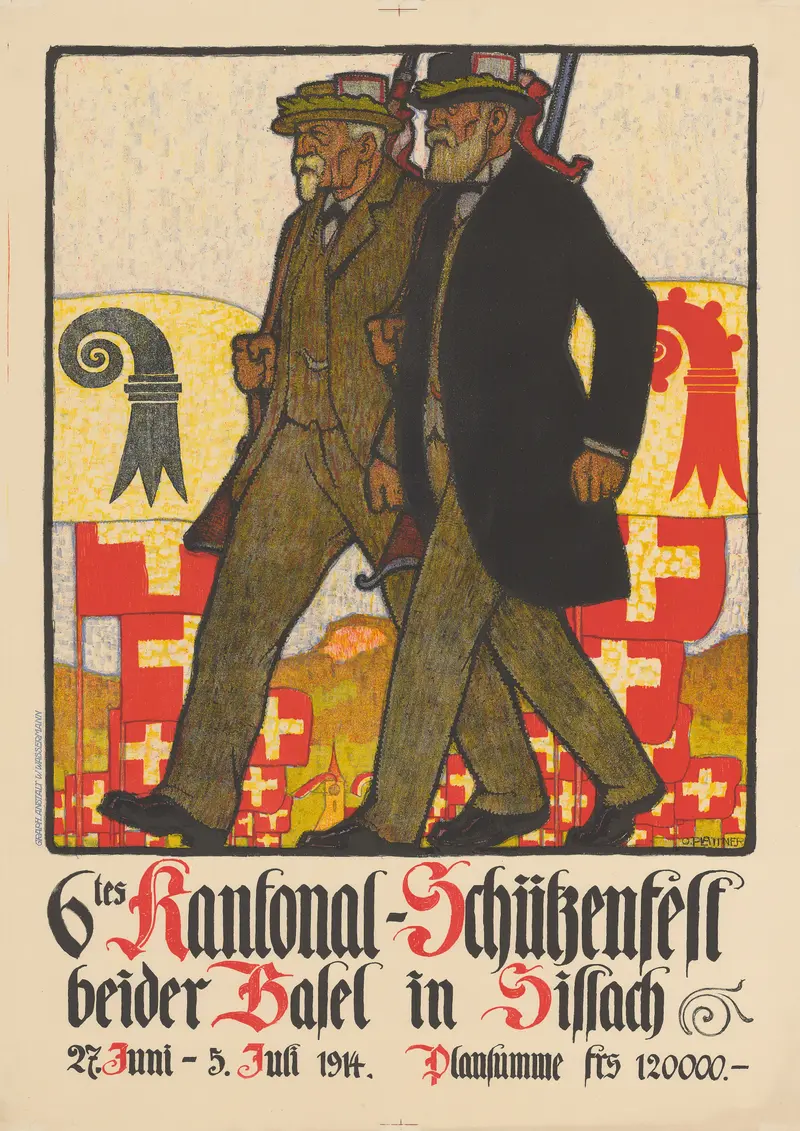
6tes Kantonal-Schützenfest beider Basel in Sissach
Otto Plattner
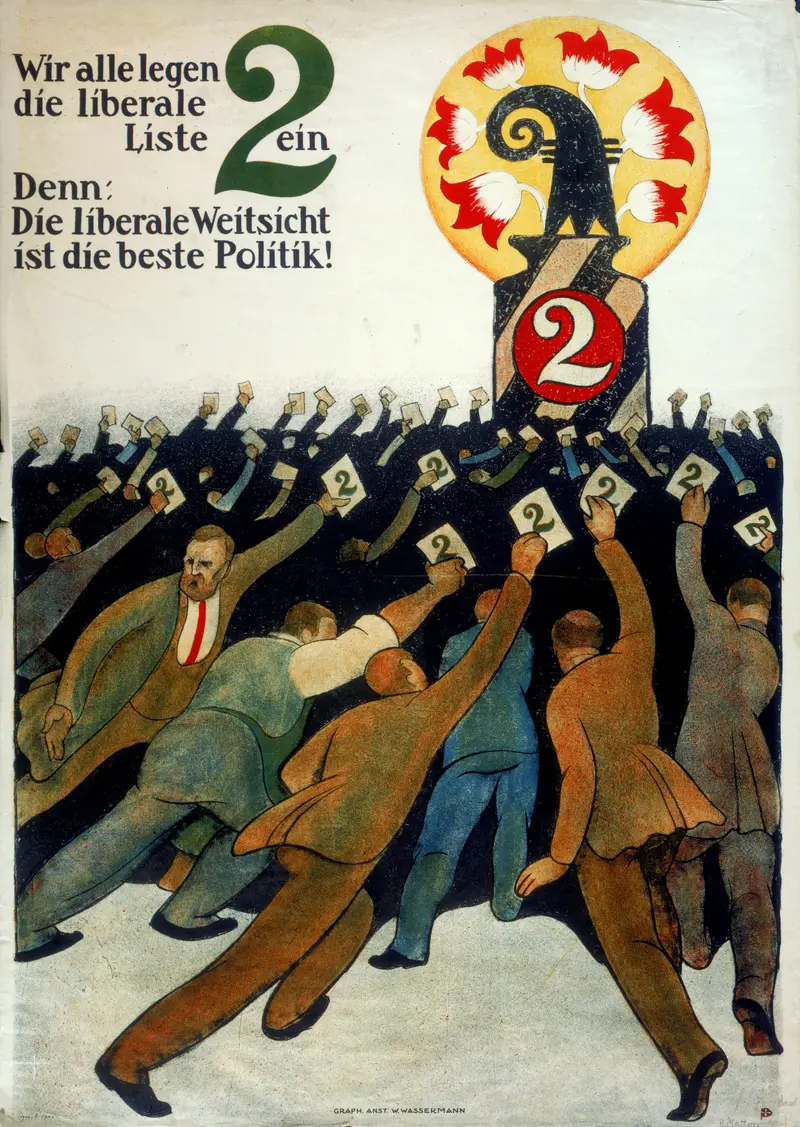
CH-NB Poster Collection SNL POL 370
Otto Plattner
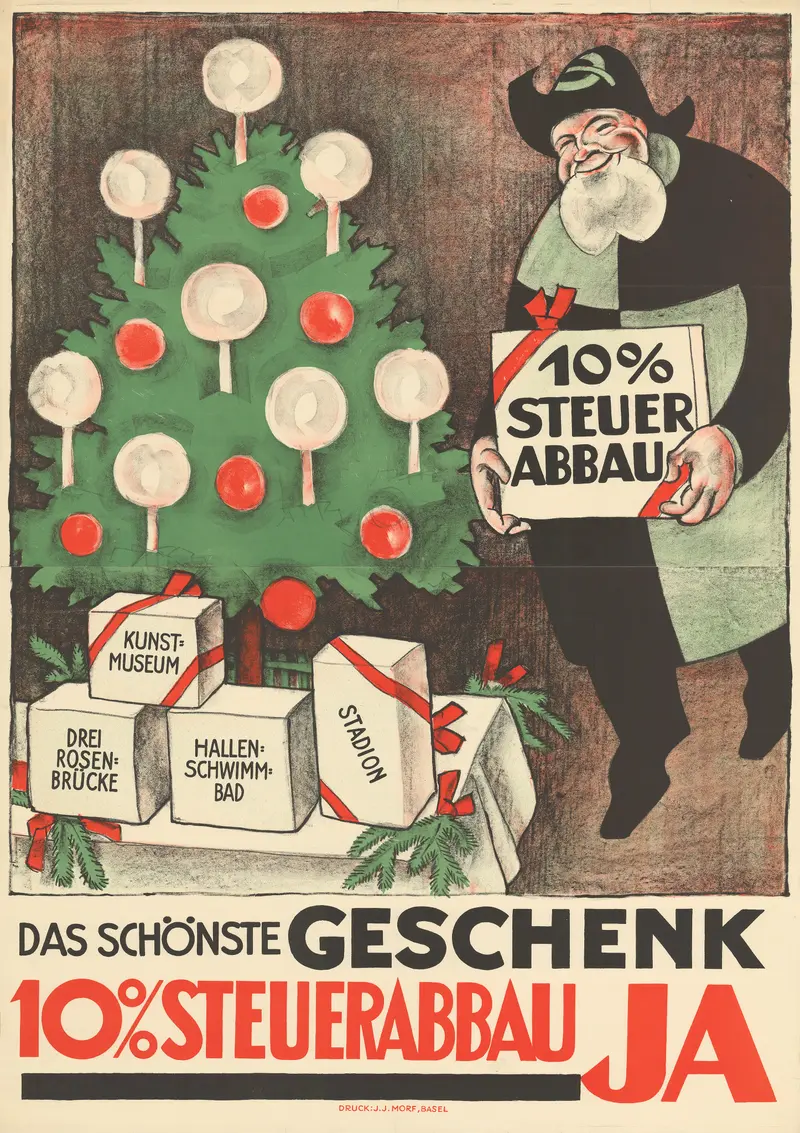
Das schönste Geschenk – 10% Steuerabbau – Ja
Otto Plattner



