
Vrouw met drie kinderen — History & Facts
In Giovanni Domenico Tiepolo's Vrouw met drie kinderen, the palpable tension of longing interlaces with the mundane, creating a poignant narrative within a single frame. This piece invites a deep reflection on maternal devotion and the delicate balance of love and responsibility. Look to the left, where the figure of the mother emerges, her posture both protective and weary, as her gaze seems to stretch beyond the canvas. Notice how soft light caresses her face, highlighting the tender contours of her expression, which speaks volumes about her inner turmoil.
The children, clustered together, capture both innocence and the demanding nature of familial bonds, their playful gestures contrasting with the mother's stillness. The color palette melds warm earth tones with delicate pastels, evoking a sense of nostalgia and yearning. Delve deeper into the subtle exchanges within the painting: the mother’s slight inclination suggests a dual burden of care and desire for escape, while the children’s innocence serves as both a source of joy and a reminder of her sacrifices. The play of light and shadow creates an emotional landscape, emphasizing the weight of expectations that often accompany motherhood.
This juxtaposition of strength and vulnerability resonates universally, capturing the essence of familial love entwined with personal longing. Tiepolo painted Vrouw met drie kinderen between 1751 and 1755 during a period of personal and artistic growth. Residing in Venice, he was at the height of his career, exploring themes of domestic life amidst the Baroque and Rococo transitions. The artwork reflects the complexities of his own experiences as a father while navigating the dynamic cultural landscape of 18th-century Italy, where the tension between duty and personal aspiration was ever-present.
More Artworks by Giovanni Domenico Tiepolo
Browse all →
Engel met scapulier
Giovanni Domenico Tiepolo
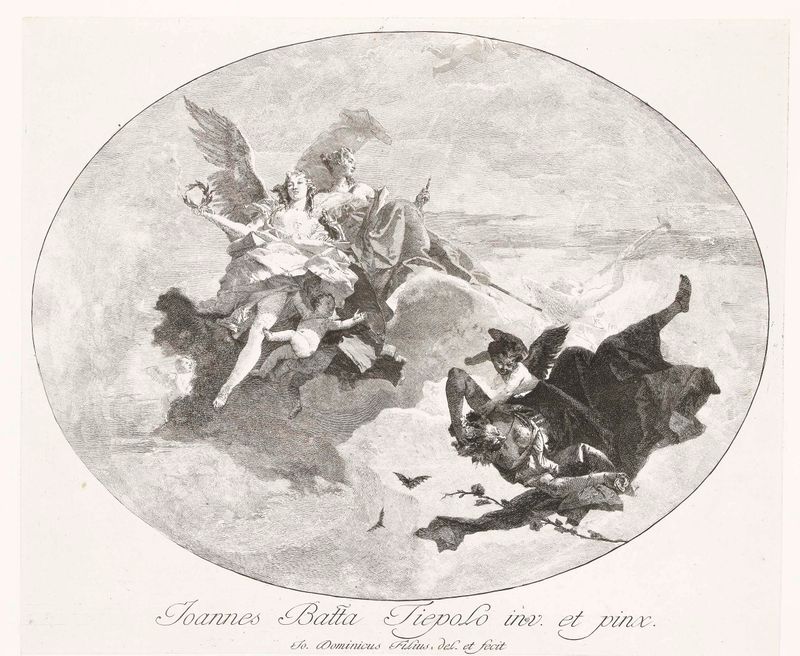
Deugd en Faam verjagen Gierigheid
Giovanni Domenico Tiepolo
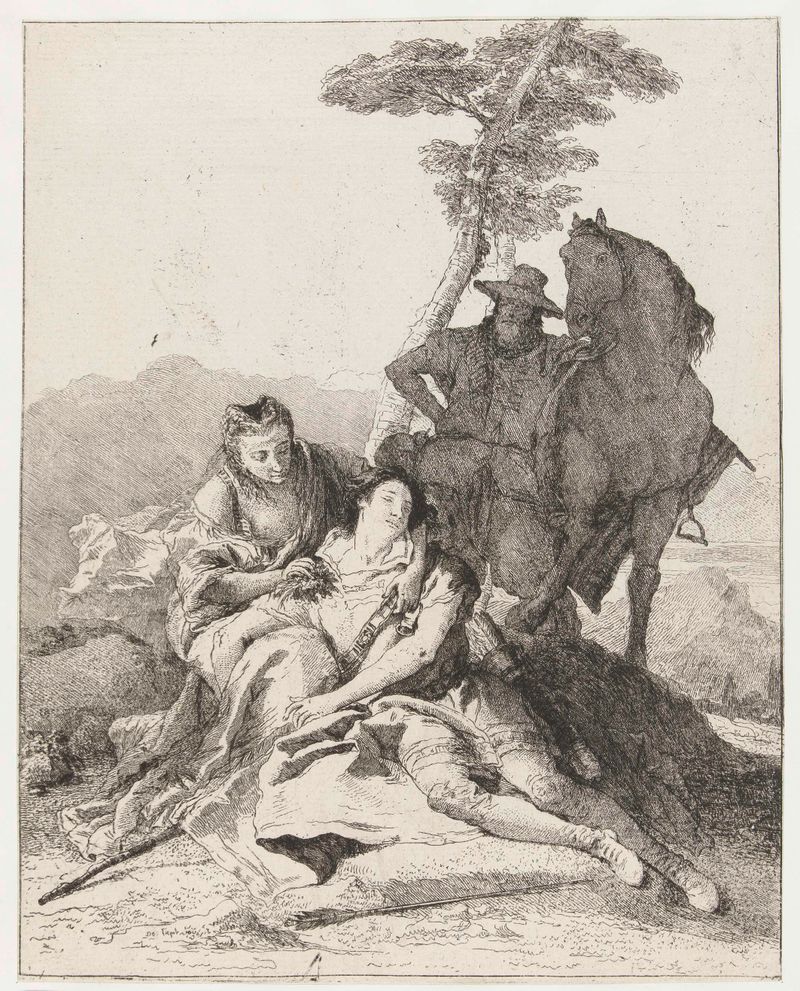
Angelica geneest de wond van Medoro
Giovanni Domenico Tiepolo
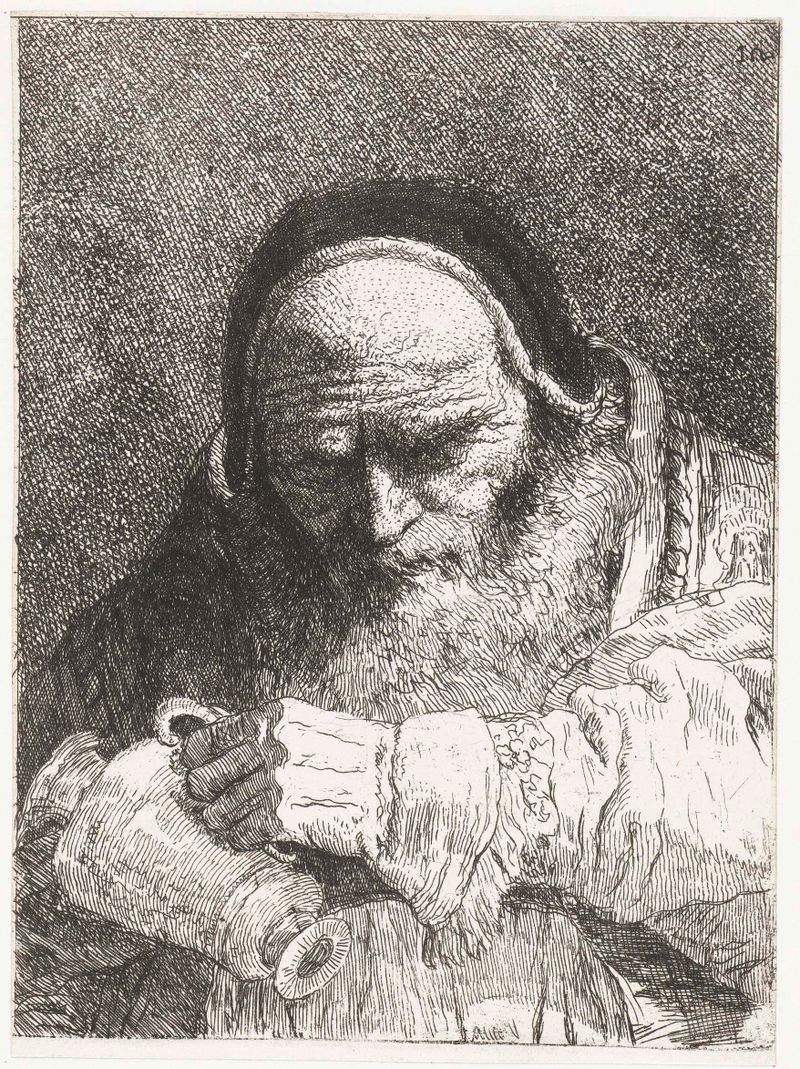
Paus met schenkkan
Giovanni Domenico Tiepolo

Heilige familie vertrekt door een stadspoort
Giovanni Domenico Tiepolo
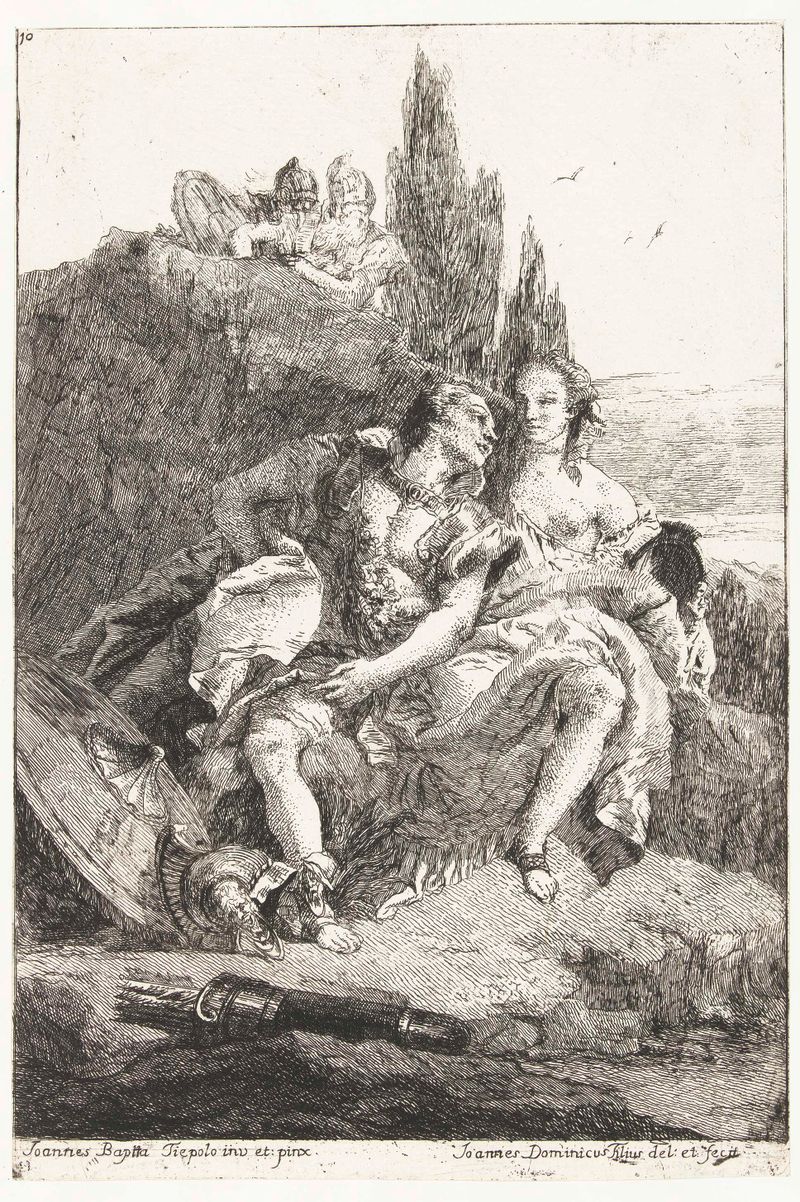
Rinaldo en Armida als liefdespaar aangetroffen bij een meer door twee ridders
Giovanni Domenico Tiepolo
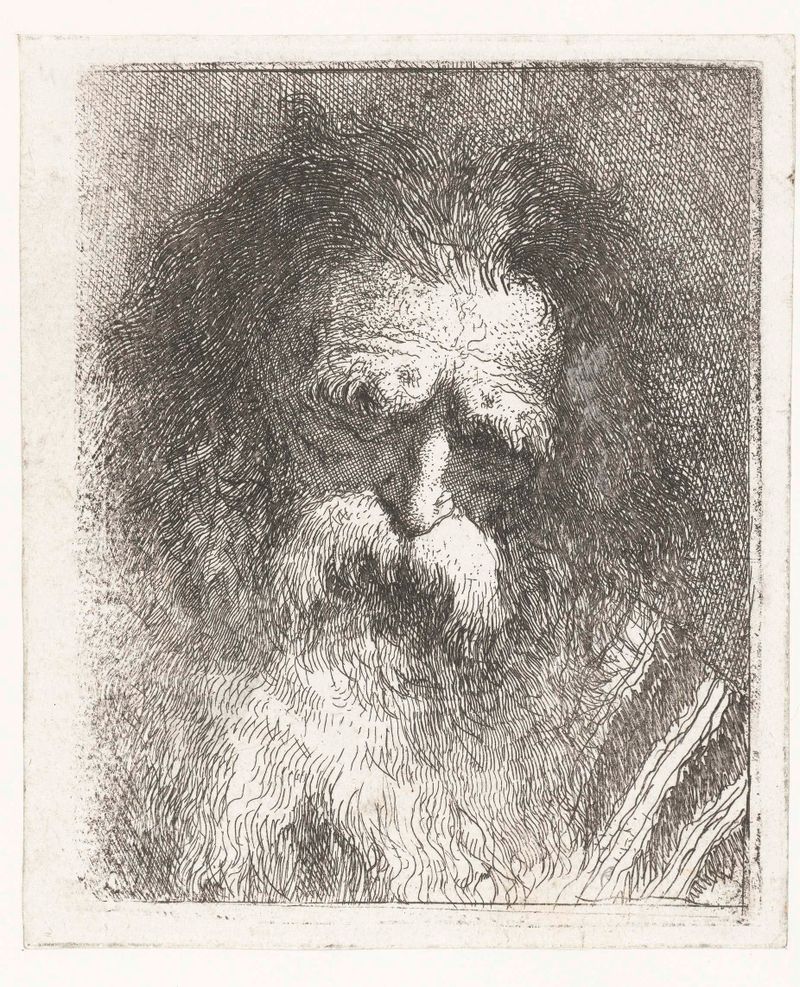
Oude man met borstelige wenkbrauwen en baard
Giovanni Domenico Tiepolo

Man met zwaard
Giovanni Domenico Tiepolo

Man met lange haren en zonder hoofddeksel
Giovanni Domenico Tiepolo

Man met ontblote schouder
Giovanni Domenico Tiepolo





