Výstavba hracieho domčeka pre syna Viktora — History & Facts
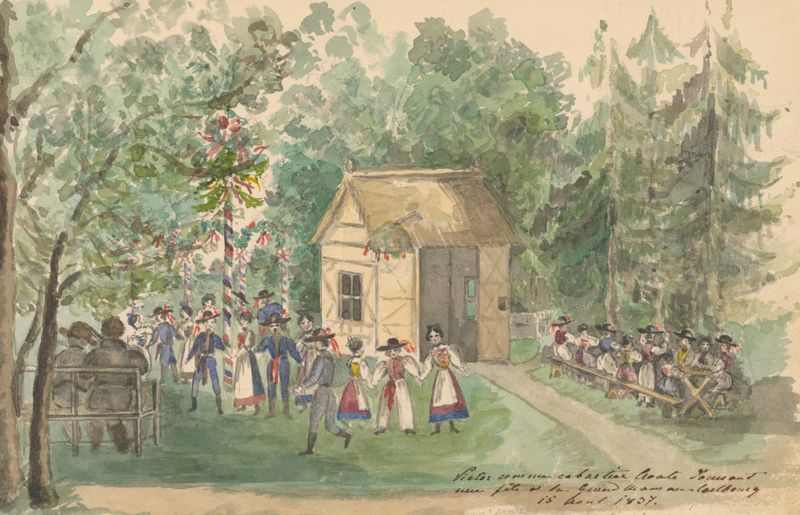
What secret hides in the quiet of the canvas? In a world often overshadowed by grand narratives, here lies a tender moment captured in light and shadow. Direct your gaze to the luminous glow emanating from the upper corner, where soft sunlight filters through the trees, revealing the meticulous details of the wooden structure. Notice how the intricate strokes of the artist breathe life into the scene, suggesting both a playful innocence and a promise of joy. The colors—gentle greens, warm browns, and hints of blue—intertwine harmoniously, evoking a serene atmosphere that envelops the viewer. Beneath this idyllic surface lies an emotional narrative waiting to unfold.
The juxtaposition of light and dark subtly hints at the tension between childhood dreams and the harsh realities of adulthood. The unfinished playhouse symbolizes not only a child's imaginative world but also the fleeting nature of youth, as the laughter and dreams of today may soon fade into mere memories. Every brushstroke tells a story of hope, aspirations, and perhaps the bittersweet nature of growing up. In 1836, while living in Italy, Henriette Odescalchi painted this evocative work during a time marked by the emerging Romantic movement that emphasized individual experience and sentiment.
Amidst changing artistic paradigms, she sought to capture the intimacy of domestic life and the beauty of simple moments, bridging the gap between personal and universal emotions in her art.