
Vue de l’église et du cimetière de Saint Laurent où furent enfouis les restes des religieuses et solitaires de Port-Roya — History & Facts
Could beauty survive in a century of chaos? This question lingers in the air, much like the soft whisper of wind that carries secrets through time. Amidst a backdrop of turmoil, the delicate brushstrokes of this piece invite viewers to contemplate what remains sacred and cherished. Look to the horizon where the church rises, its spires reaching skyward, resonating with quiet strength against a muted palette of greens and browns. The cypress trees stand sentinel, their dark silhouettes contrasting sharply with the soft light that bathes the scene, creating a sense of calm amidst the surrounding gravestones.
Notice how the artist employs warm hues to evoke nostalgia, hinting at both loss and reverence. Each detail — from the weathered stones to the gentle curves of the architecture — draws us in, revealing the deep connection between memory and place. In the lower section, the gravestones whisper stories of those laid to rest: the nuns and hermits once dedicated to faith and solitude. This juxtaposition of life and death, vibrancy and stillness, creates a tension that resonates deeply.
The church, a symbol of hope, stands firm, yet the surrounding cemetery speaks of longing and the passage of time. Here, desire and memory intertwine, suggesting a yearning for peace in a fractured world. Georges-Henri Manesse painted this piece in 1923, during a period of significant reflection and rebuilding in post-war Europe. Living in France, he was influenced by the turmoil of the Great War and the search for meaning in the wake of such chaos.
It was a time when artists sought to capture the remnants of beauty amid despair, and this work stands as a testament to that enduring quest.
More Artworks by Georges-Henri Manesse
Browse all →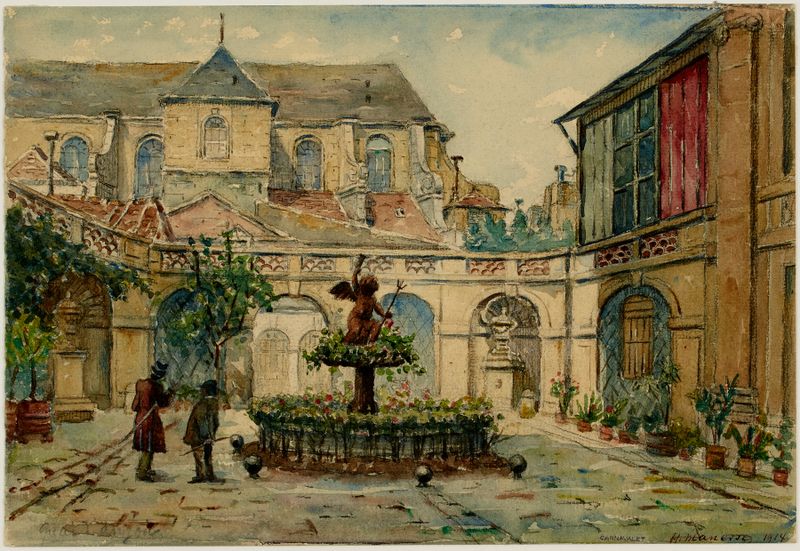
Cour intérieure de l’Hôtel Hesselin, 24 quai de Béthune
Georges-Henri Manesse
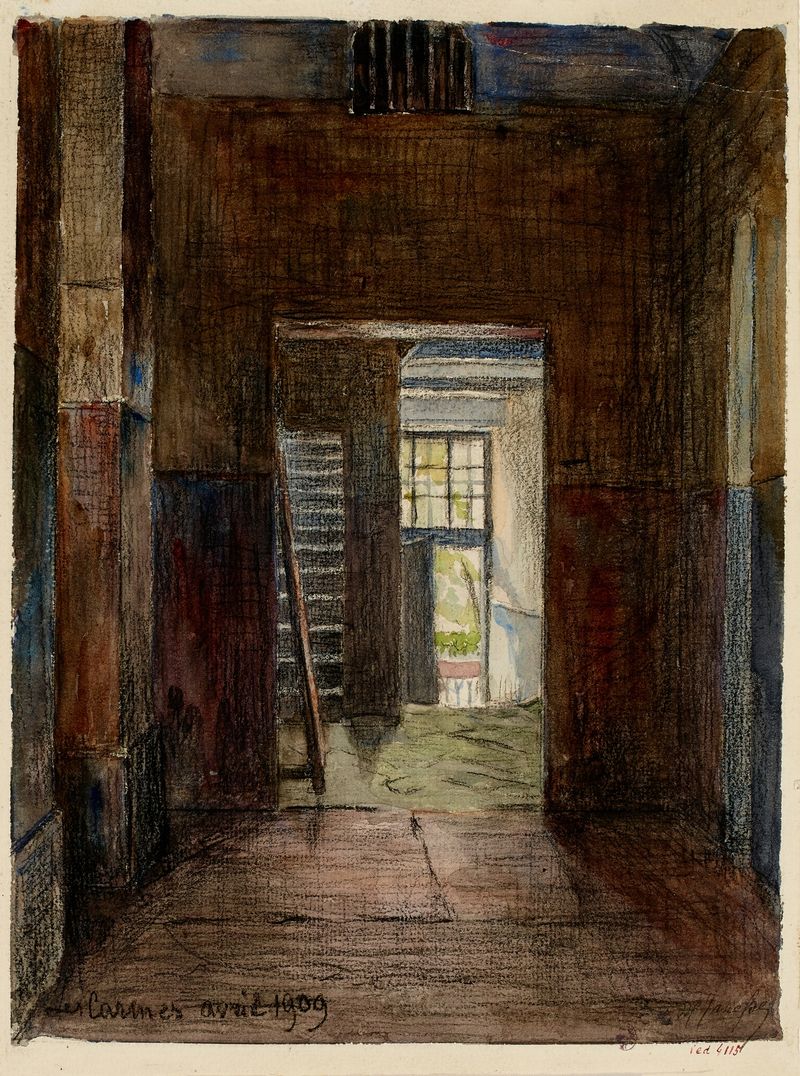
Intérieur du couvent des Carmes, rue de Vaugirard
Georges-Henri Manesse
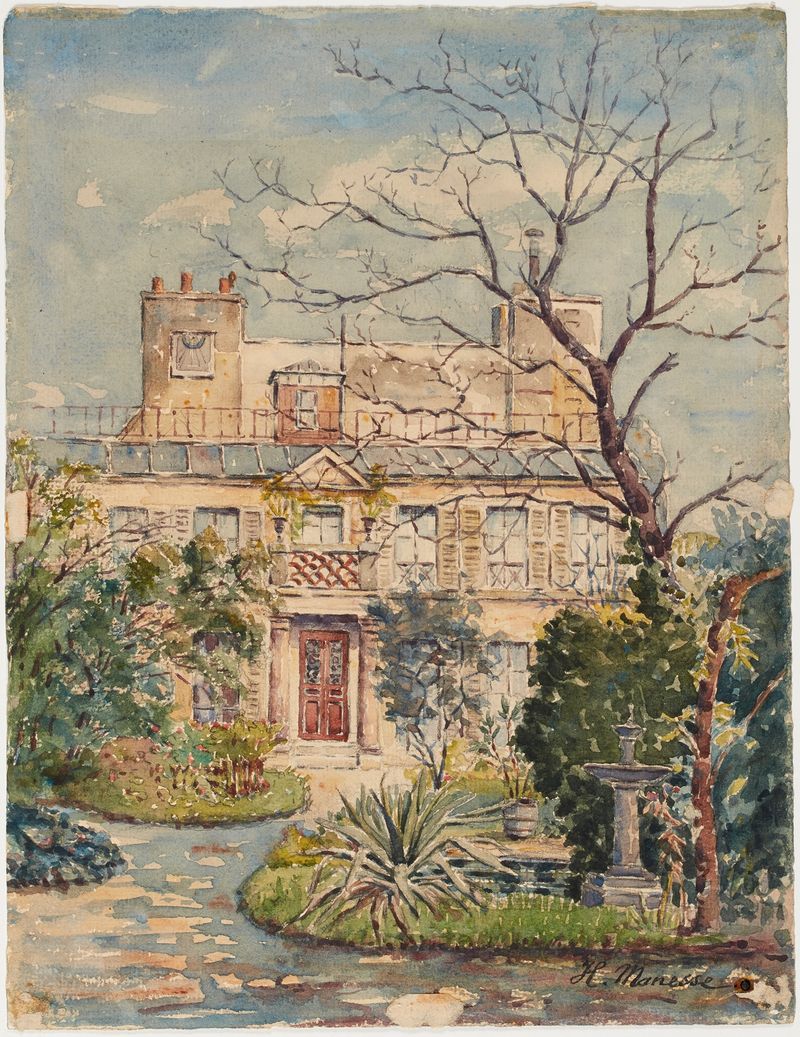
Maison de Victor Hugo, rue du Cherche-Midi
Georges-Henri Manesse
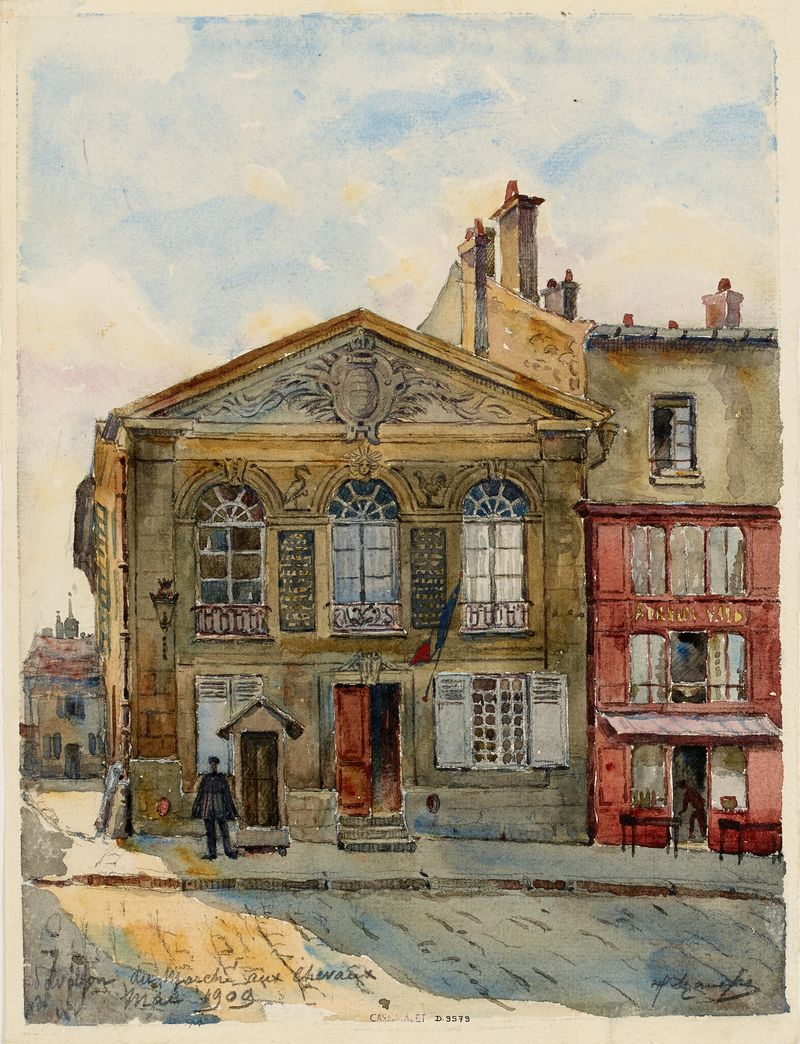
Le pavillon de police du Marché aux chevaux, rue Geoffroy Saint Hilaire
Georges-Henri Manesse

Passerelle des Arts
Georges-Henri Manesse

Vieille maison du XVè siècle, 6 rue Boutebrie
Georges-Henri Manesse
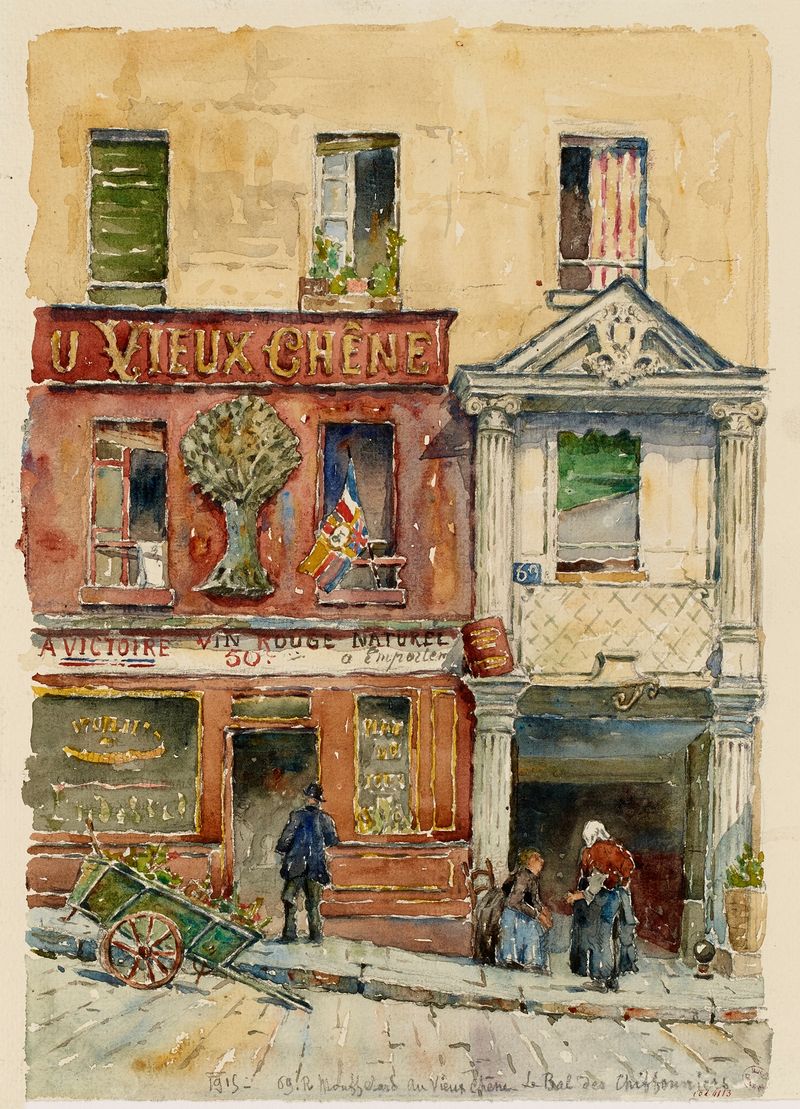
69, rue Mouffetard Boutique de vins à l’enseigne du Vieux chêne
Georges-Henri Manesse
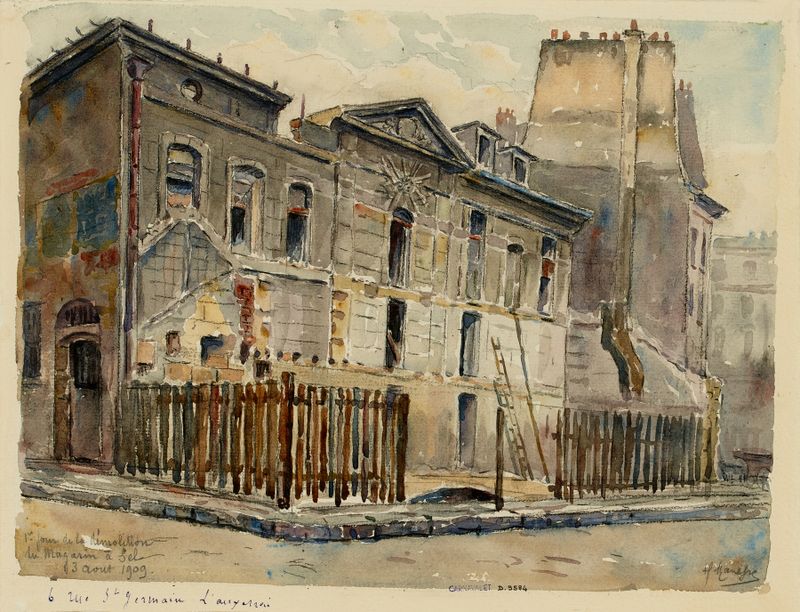
Premier jour de la démolition du magasin à sel, 6 rue Saint Germain de l’Auxerrois
Georges-Henri Manesse
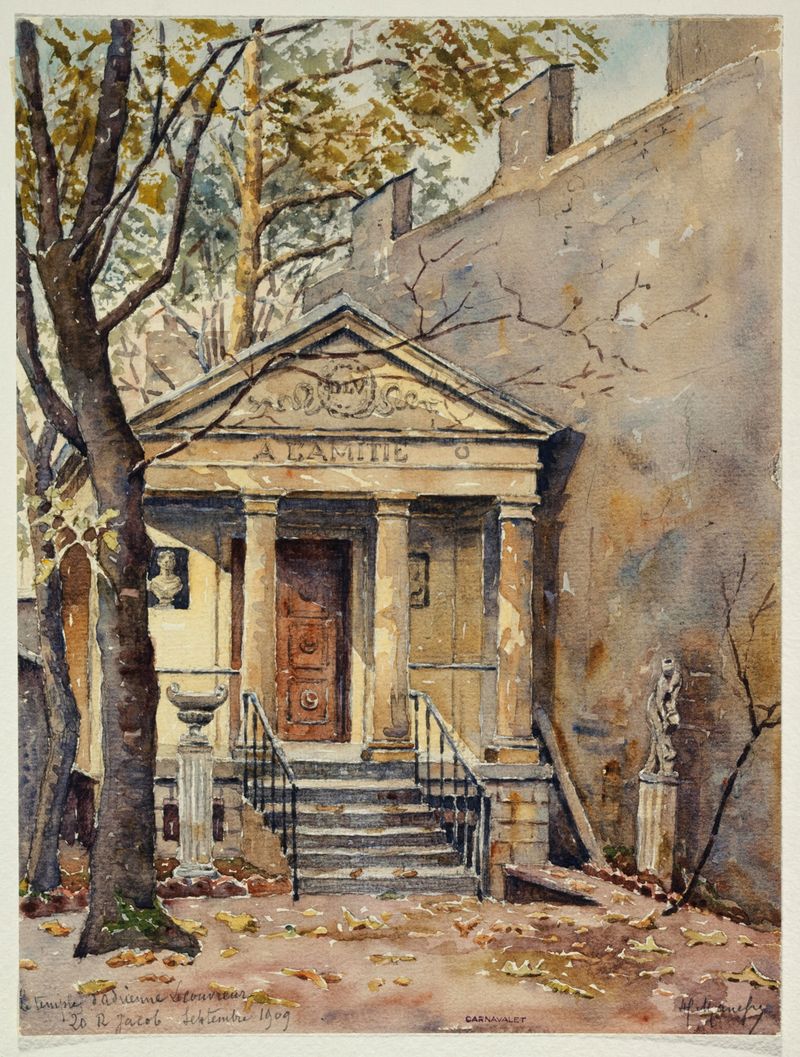
Temple de l’Amitié, 20 rue Jacob où habita Adrienne Lecouvreur
Georges-Henri Manesse

Maison de campagne de Jean-Jacques Rousseau, 20 quai de Passy
Georges-Henri Manesse





