
Vue de Nidau, et du Lac de Bienne — History & Facts
Can paint confess what words never could? In Vue de Nidau, et du Lac de Bienne, beauty unfolds in a delicate landscape, whispering secrets of nature and humanity intertwined. Look to the left where the gentle curve of the lake reflects a soft sky, its blues melting into the horizon. The buildings of Nidau stand resolutely against the shimmering water, their tranquil hues mirroring the pastoral surroundings. Notice the meticulous brushwork — Aberli's hand captures each wave's caress upon the shore, while the lush greenery flanks the scene, drawing the eye toward the distant mountains that loom like guardians over the peace below. The interplay of light and shadow hints at a deeper narrative; the lake is both a mirror of beauty and a boundary between worlds.
The presence of the distant mountains captures a timelessness, contrasting with the fleeting nature of the boats gliding across the water, suggesting a tension between permanence and transience. Subtle details, like the wisps of clouds or the hints of life in the boats, evoke a yearning for connection amidst isolation, illustrating the profound relationship between man and the natural world. Johann Ludwig Aberli painted Vue de Nidau, et du Lac de Bienne during the late 18th century, a period marked by the rise of landscape painting in Switzerland. Living in a time of burgeoning Romantic ideals, he sought to evoke the sublime beauty of his homeland.
This painting emerged from a landscape that was not only a personal haven but also a canvas for the ideals of beauty and harmony resonating within the artistic movements of his time.
More Artworks by Johann Ludwig Aberli
Browse all →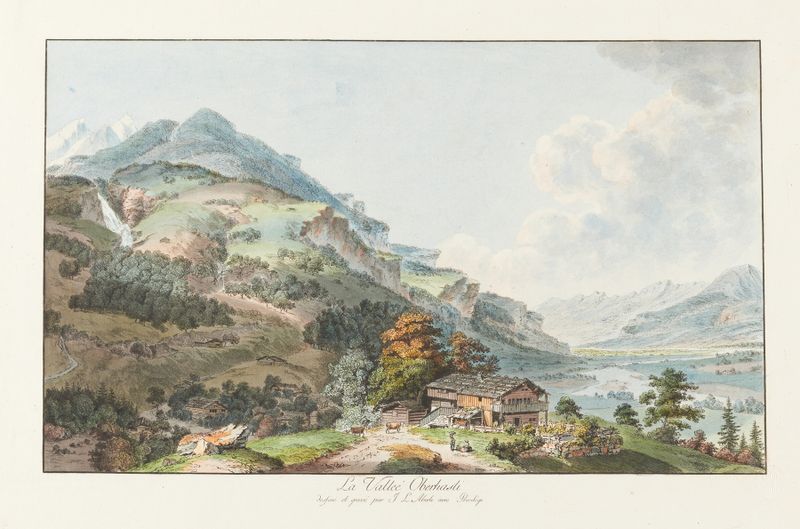
La Vallée Oberhasli
Johann Ludwig Aberli
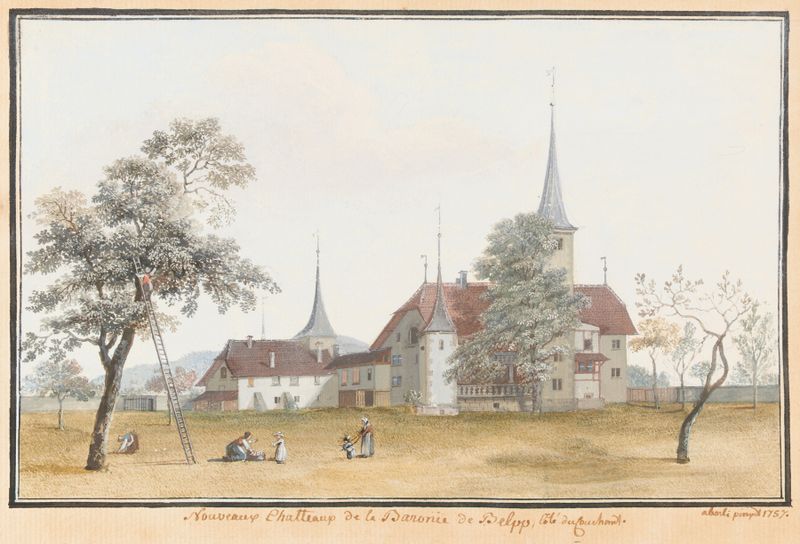
Nouveaux Chatteaux de la Baronie de Belpp; Côté du Couchant
Johann Ludwig Aberli
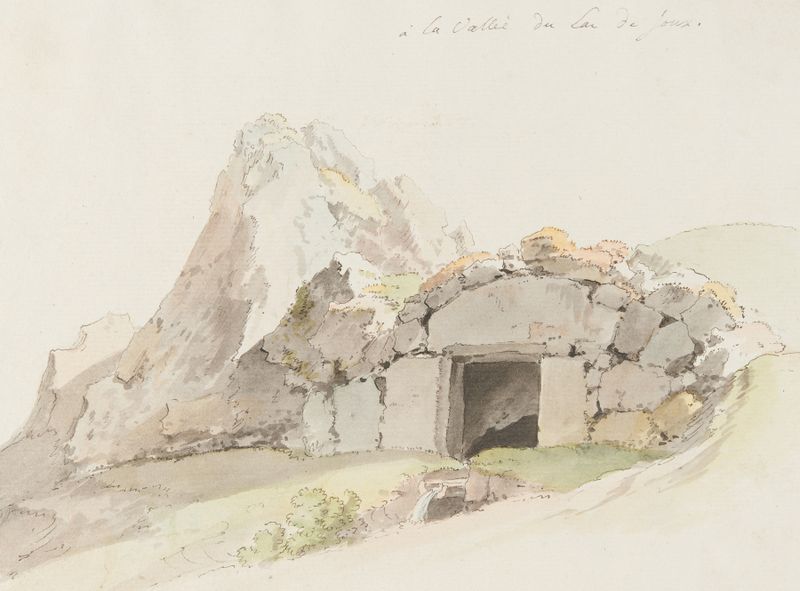
à la Vallèe du Lac de Joux
Johann Ludwig Aberli
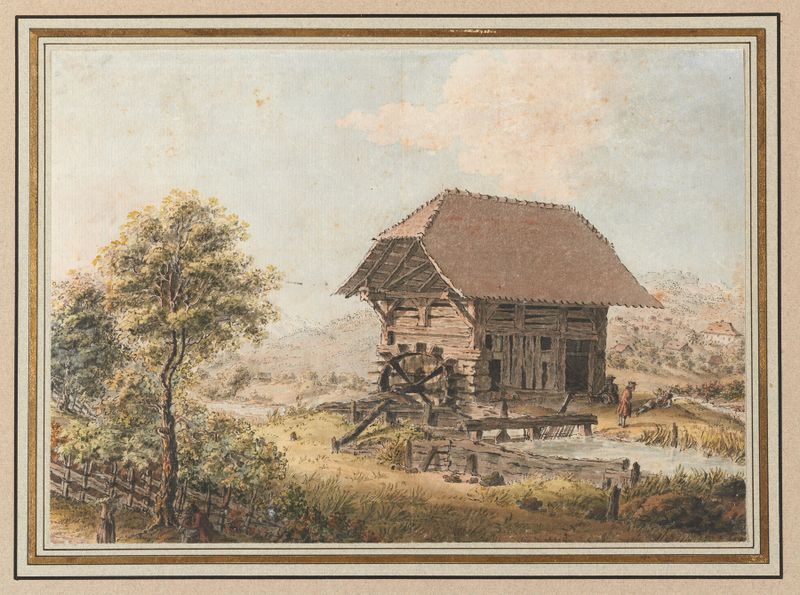
Ansicht einer Mühle im Berner Mittelland
Johann Ludwig Aberli
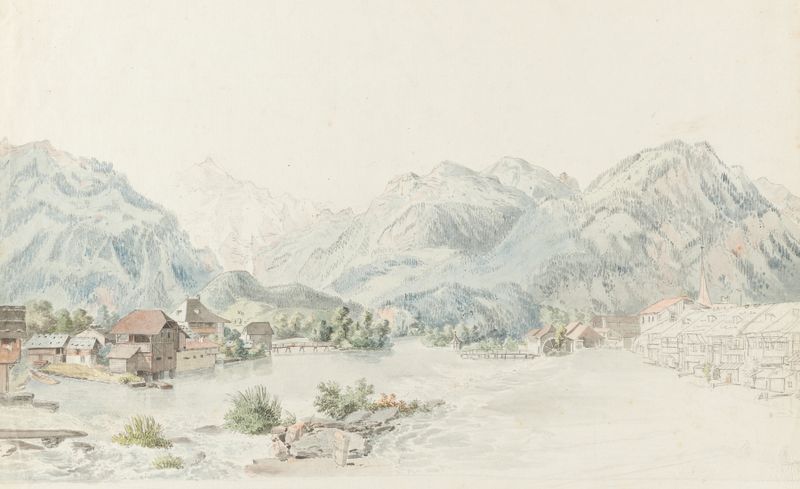
Ansicht von Unterseen
Johann Ludwig Aberli
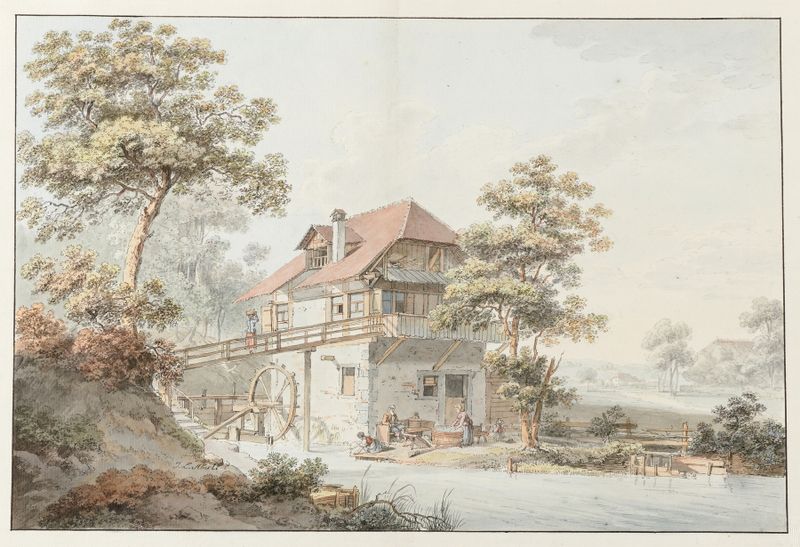
Ansicht einer Mühle im Berner Mittelland.
Johann Ludwig Aberli
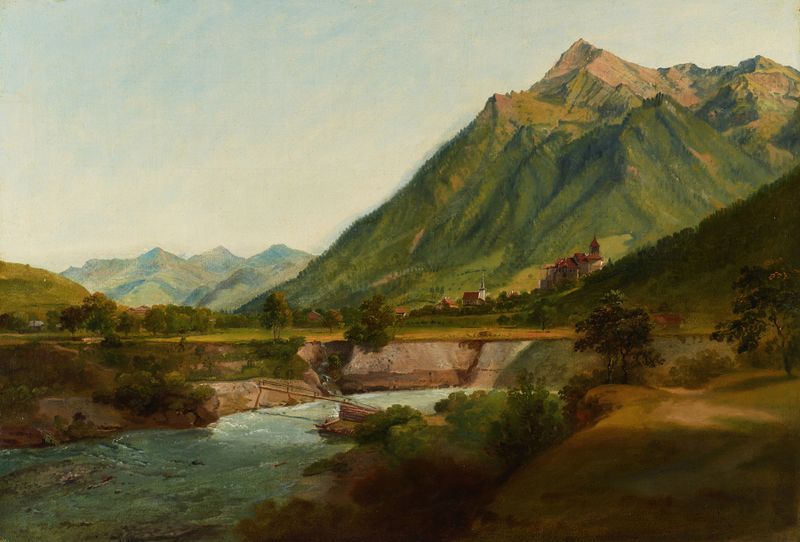
Vue du Château de Wimmis et des environs
Johann Ludwig Aberli
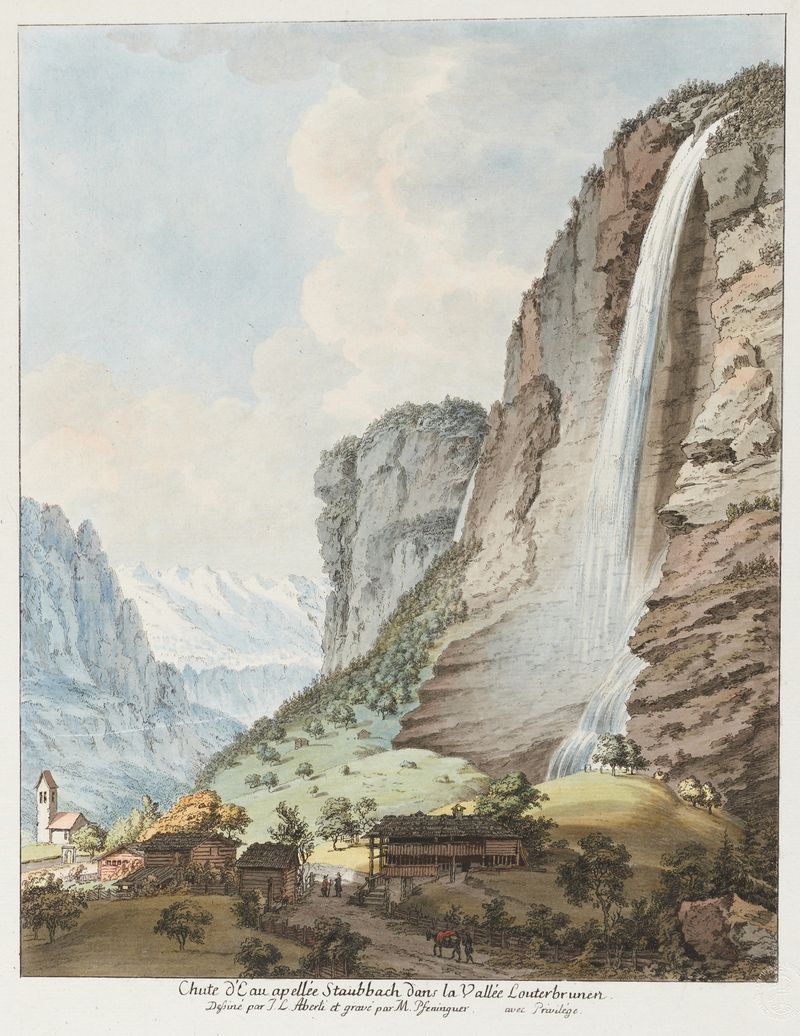
Chute d’Eau apellée Staubbach dans la Vallée Louterbrunnen
Johann Ludwig Aberli
Vue du Jungfrau-Horn
Johann Ludwig Aberli
Vue du Village et du Lac de Brientz
Johann Ludwig Aberli





