
Vue de Vevay — History & Facts
With every stroke, it holds the echoes of innocence, capturing a moment where the world is both raw and serene. Look to the left at the gentle curve of the hills, their soft greens mingling with the azure sky. Notice how the light bathes the landscape, illuminating the quaint houses that dot the foreground. The artist employs a delicate touch, with pastel hues that blend seamlessly, inviting viewers to bask in the tranquility of this pastoral scene.
The composition leads the eye through the winding paths, each brushstroke breathing life into the idyllic setting. Yet, beneath the surface lies a contrast. The stillness of the water reflects not just the landscape but a sense of longing and nostalgia. The distant mountains loom, suggesting both a barrier and a connection to something greater, while the quiet presence of the village hints at a simplicity that belies the complexities of human emotion.
Each element whispers of innocence, urging one to reflect on what is left unsaid. In the early 19th century, Jean-Antoine Linck was immersed in the Romantic movement, seeking to evoke emotion through landscapes. Painted during a time when Europe was wrestling with the aftermath of the Napoleonic Wars, he found solace in nature, turning to serene vistas like this one. The world of art was shifting, yet Linck's focus on the unadulterated beauty of landscapes mirrored a collective yearning for peace and simplicity amidst chaos.
More Artworks by Jean-Antoine Linck
Browse all →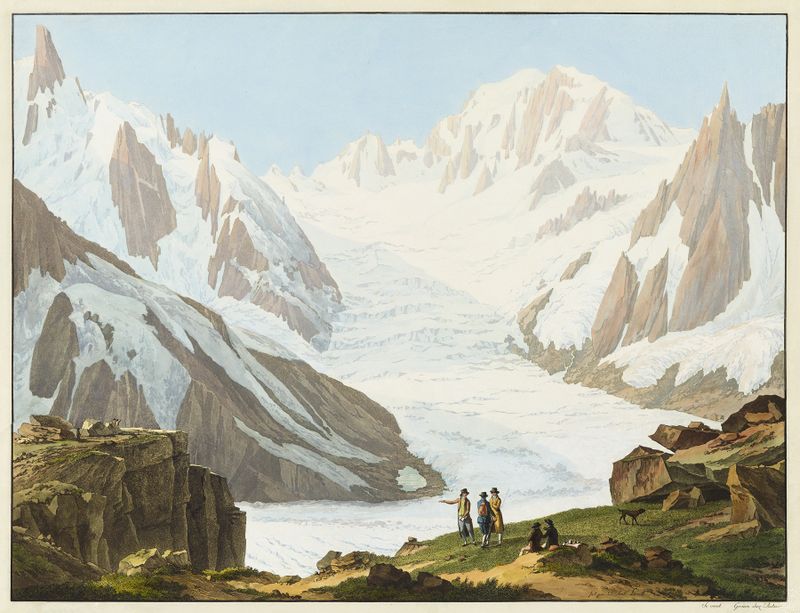
Vue du Mont-Blanc, des Aiguilles du Midi, des Blaitieres, du Géant, du Glacier du Tacul, prise du Sommet du Rocher du Couvercle
Jean-Antoine Linck
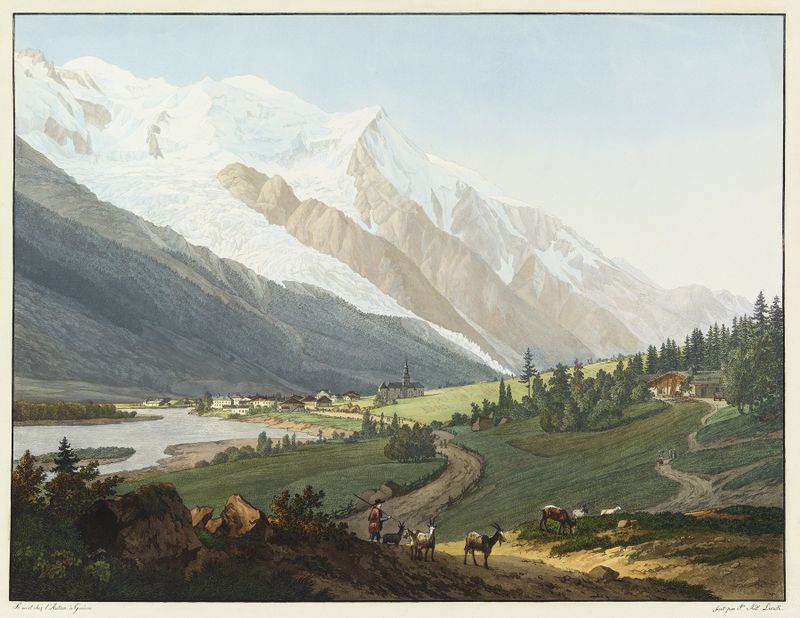
Vue du Prieuré de Chamouni, du Mont-Blanc, de l’Aiguille du Gouté, et du Glacier des Buissons
Jean-Antoine Linck
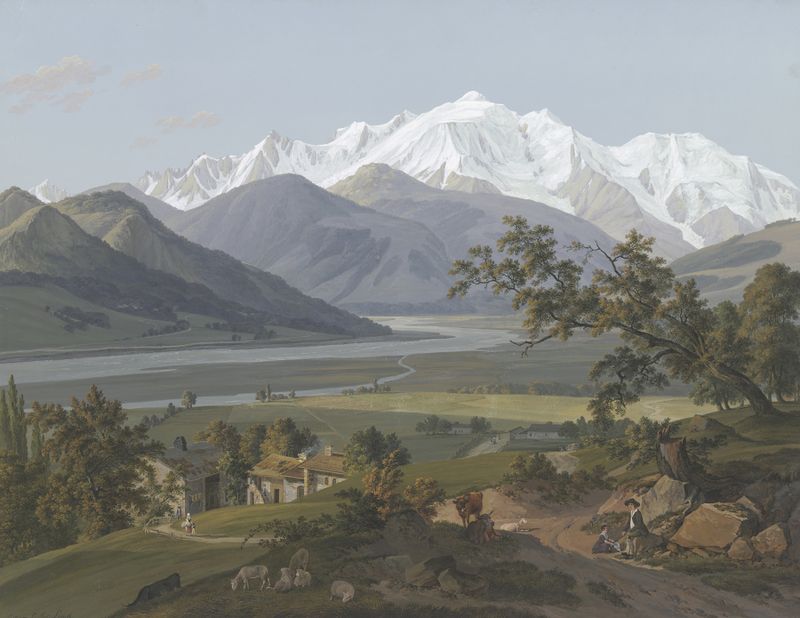
Vue du Mont-Blanc prise près de Salanche
Jean-Antoine Linck
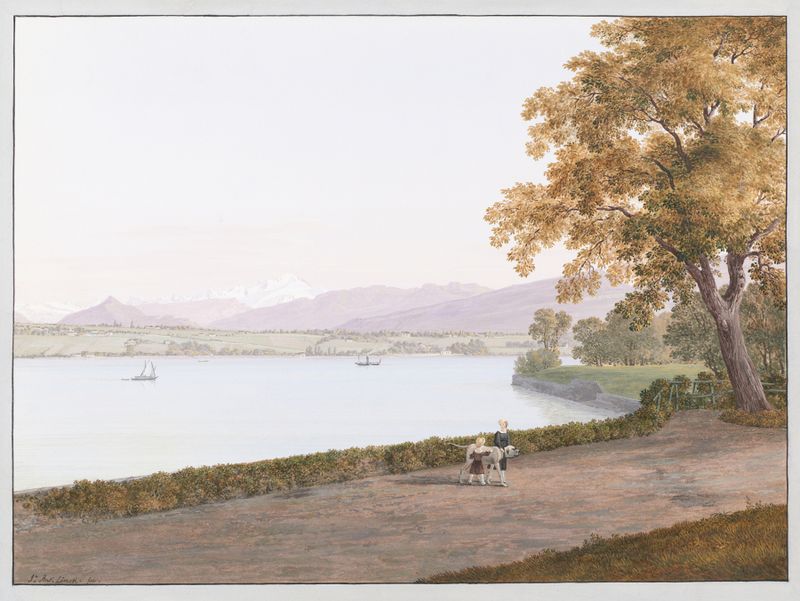
Vue du Lac Léman près de Genève
Jean-Antoine Linck
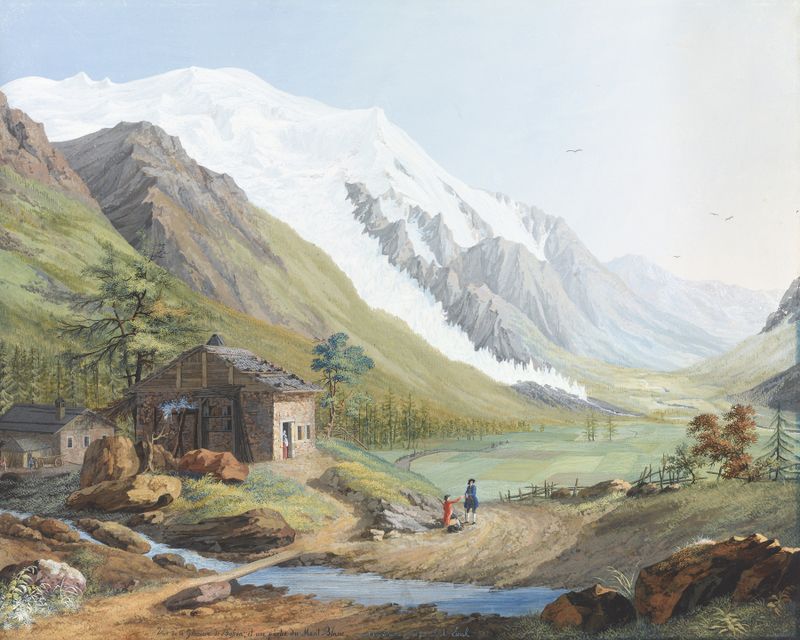
Vue de la Glaciere de Bosson, et une partie du Mont Blanc
Jean-Antoine Linck
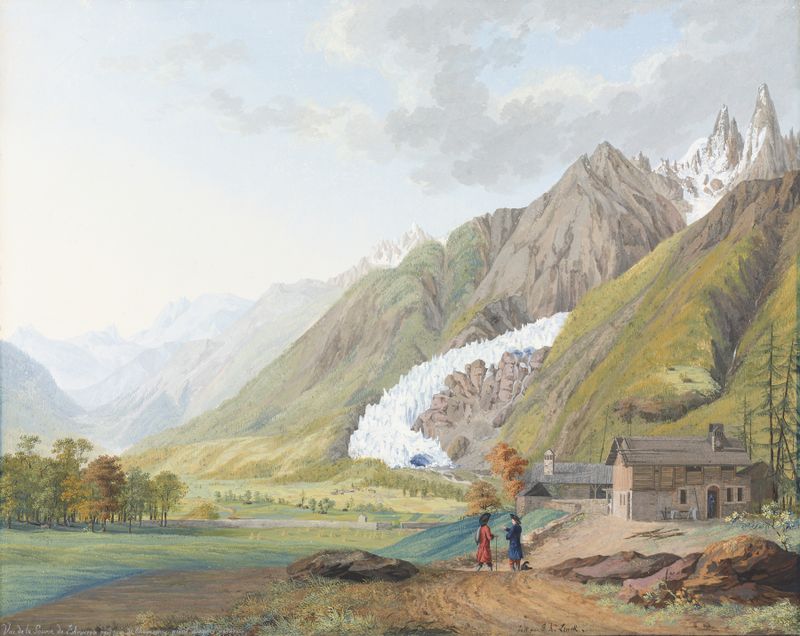
Vue de la Sourse de l’Arveron prit près de Chamouny peint d’après nature
Jean-Antoine Linck
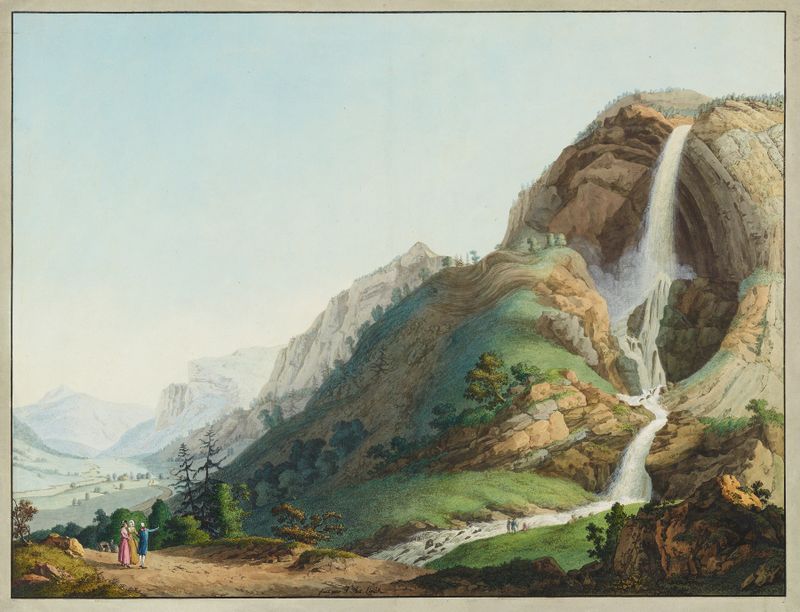
Vue de la Cascade de l’Arpenas
Jean-Antoine Linck
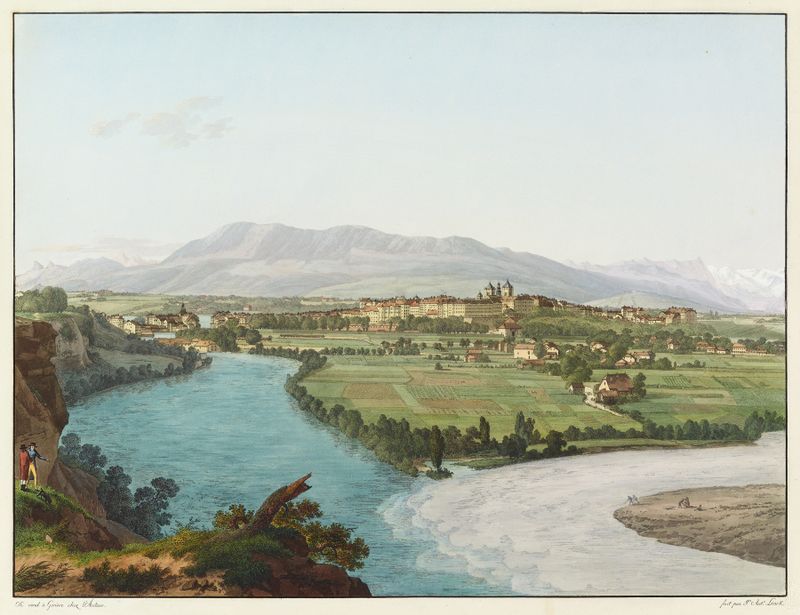
Vue de Genève & Jonction de l’Arve avec le Rhône
Jean-Antoine Linck
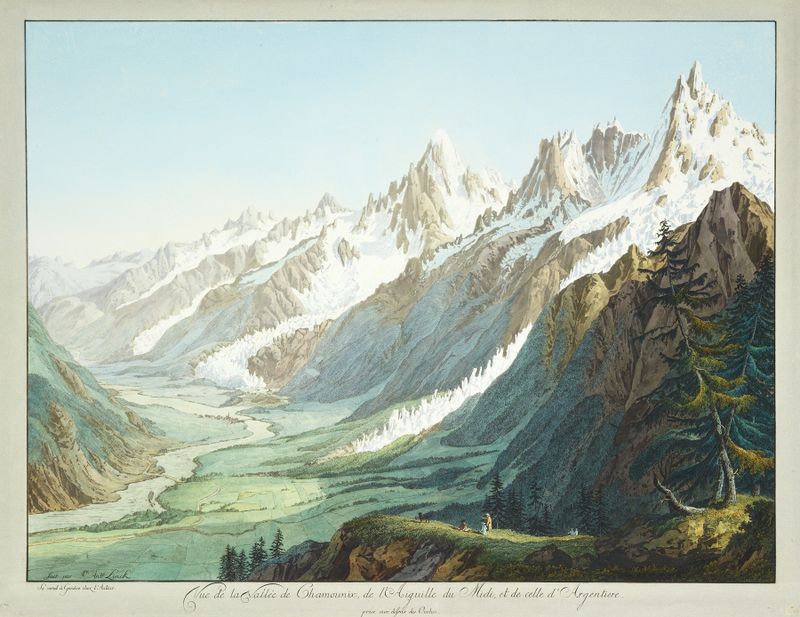
Vue de la Vallée de Chamounix, de l’Aiguille du Midi, et de celle d’Argentiere
Jean-Antoine Linck
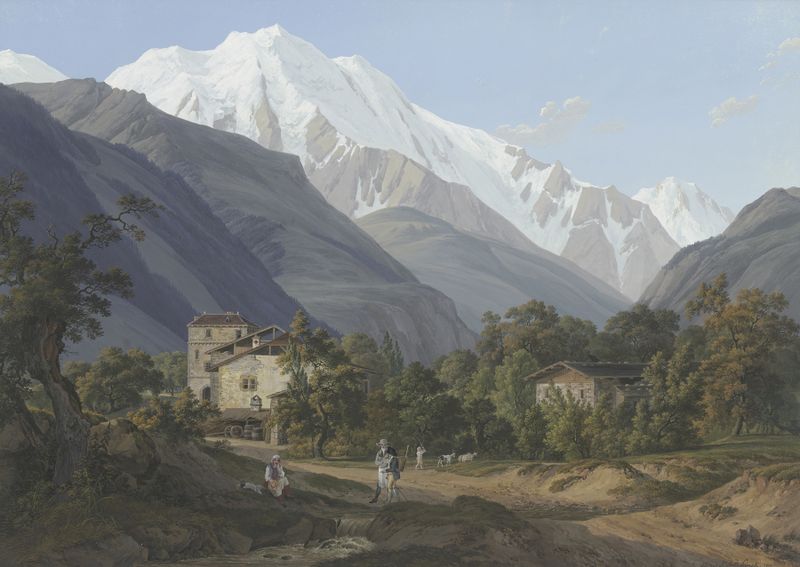
Vue de St. Gervais, de l’Aiguille blance, & du bon homme
Jean-Antoine Linck





