
Vue de Villeneuve, peint d’aprés nature — History & Facts
In the delicate brushstrokes and soft hues of this landscape, loneliness whispers through the serene vistas. It invites the viewer to ponder the isolation often hidden beneath nature's splendor. Look to the horizon where the rolling hills meet the sky, brushed with subtle variations of green and golden light. The composition gently guides your gaze toward the distant village nestled among the trees, an emblem of life amidst the expansive solitude.
Notice how Linck’s palette dances between warm and cool tones, evoking both comfort and melancholy, invoking a sense of longing that permeates the scene. The silence of this landscape speaks volumes; the absence of figures amplifies the emotion, evoking a palpable sense of solitude. The interplay of light and shadow creates a contrast that adds depth, suggesting the weight of untold stories that linger in the air. Each stroke serves as a reminder that beauty can often mask deeper currents of loneliness, as if the village waits for a connection that never arrives. Jean-Antoine Linck painted this work in an era of burgeoning Romantic ideals, around the late 18th century, amid the sweeping transformations of the Enlightenment.
Though the exact date remains unknown, the artist captured this scene likely in France, a time when nature began to be revered as a muse and a refuge. Linck's choice to depict the quiet resilience of the landscape reflects not only his personal artistic journey but the broader cultural shift towards introspection and emotional depth in art.
More Artworks by Jean-Antoine Linck
Browse all →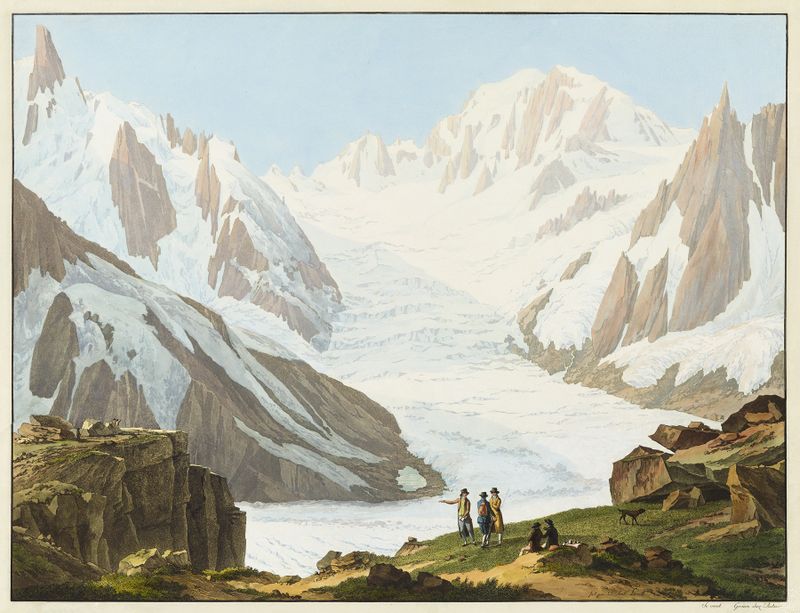
Vue du Mont-Blanc, des Aiguilles du Midi, des Blaitieres, du Géant, du Glacier du Tacul, prise du Sommet du Rocher du Couvercle
Jean-Antoine Linck
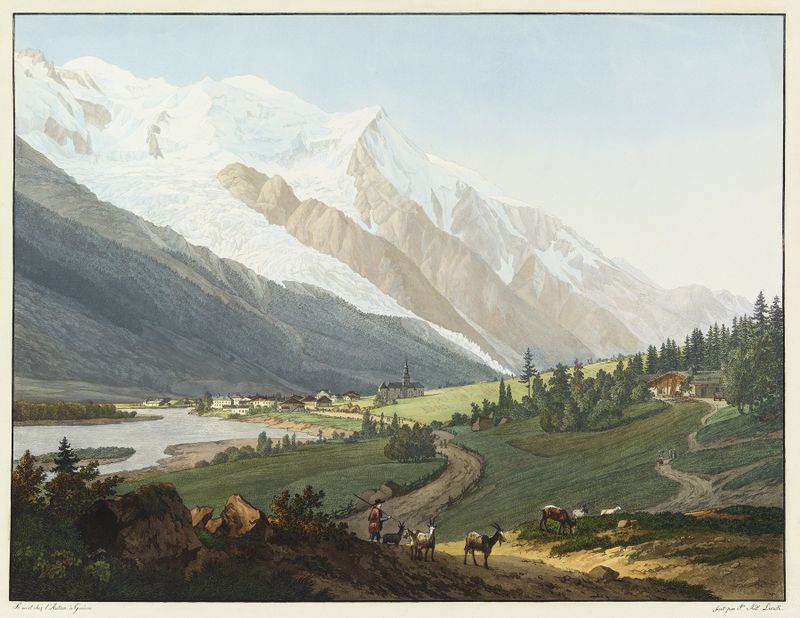
Vue du Prieuré de Chamouni, du Mont-Blanc, de l’Aiguille du Gouté, et du Glacier des Buissons
Jean-Antoine Linck
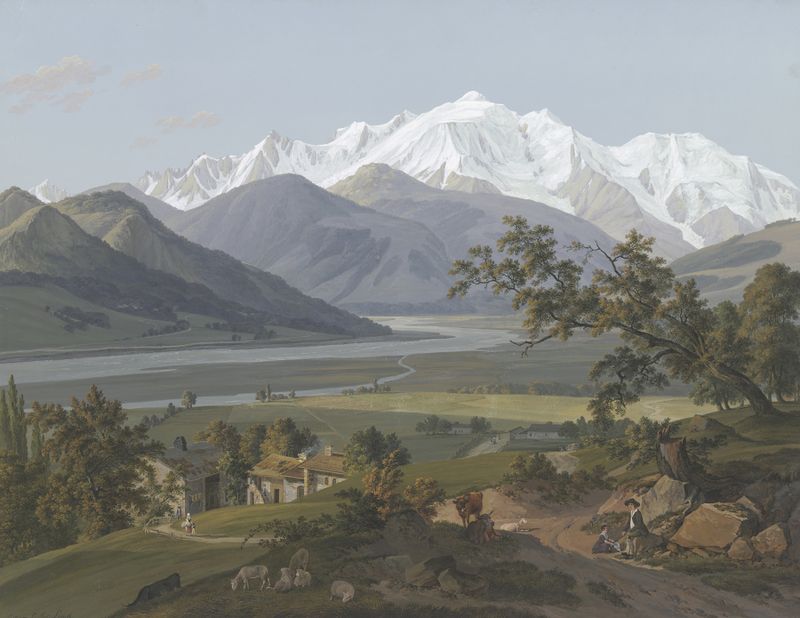
Vue du Mont-Blanc prise près de Salanche
Jean-Antoine Linck
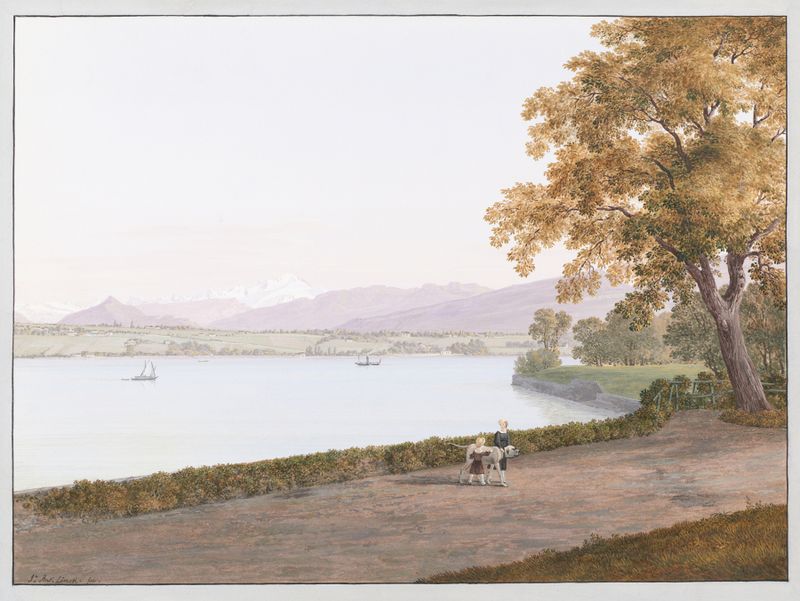
Vue du Lac Léman près de Genève
Jean-Antoine Linck
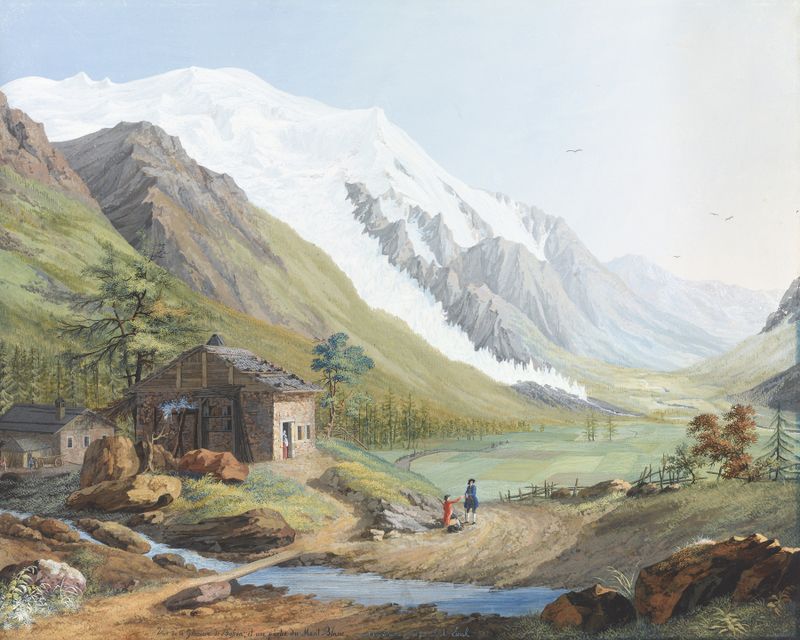
Vue de la Glaciere de Bosson, et une partie du Mont Blanc
Jean-Antoine Linck
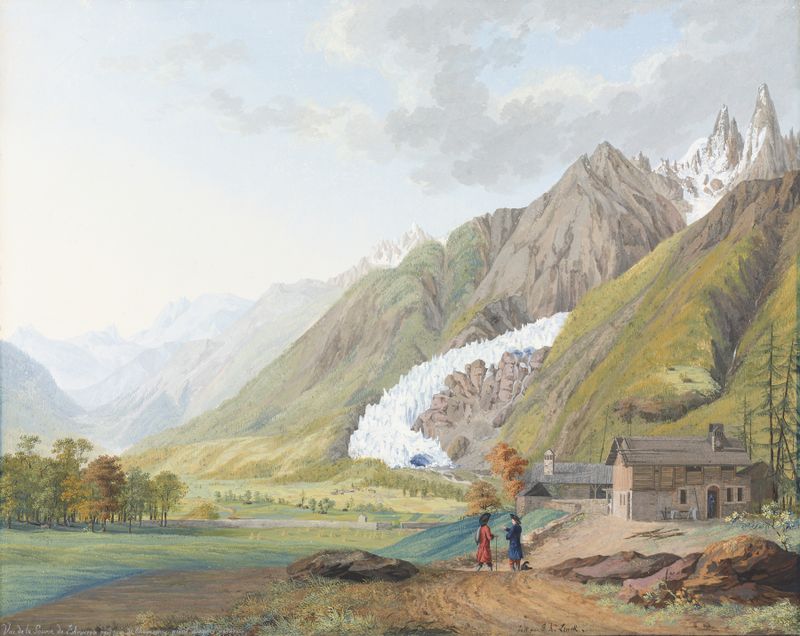
Vue de la Sourse de l’Arveron prit près de Chamouny peint d’après nature
Jean-Antoine Linck
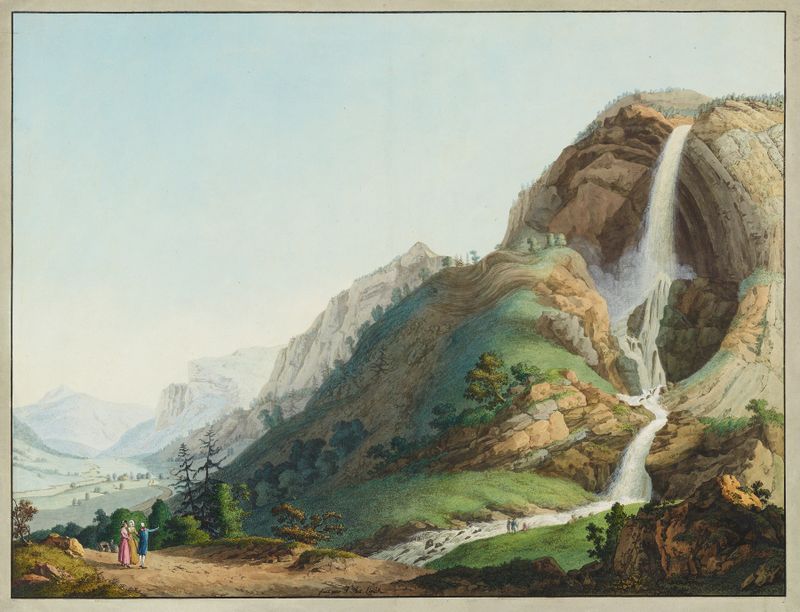
Vue de la Cascade de l’Arpenas
Jean-Antoine Linck
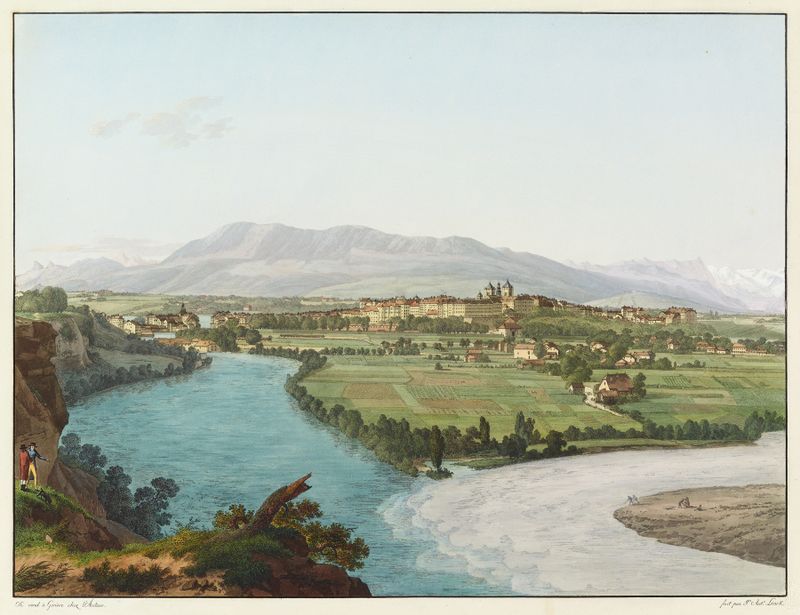
Vue de Genève & Jonction de l’Arve avec le Rhône
Jean-Antoine Linck
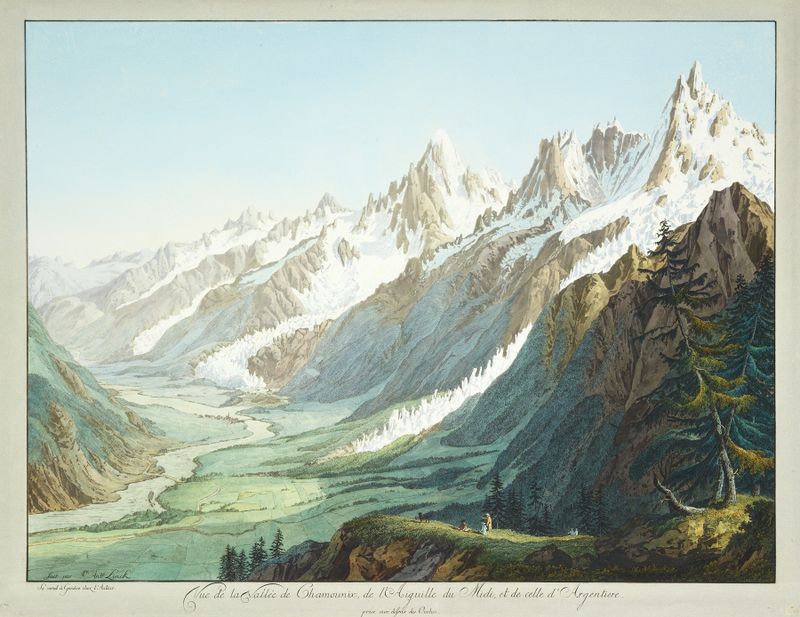
Vue de la Vallée de Chamounix, de l’Aiguille du Midi, et de celle d’Argentiere
Jean-Antoine Linck
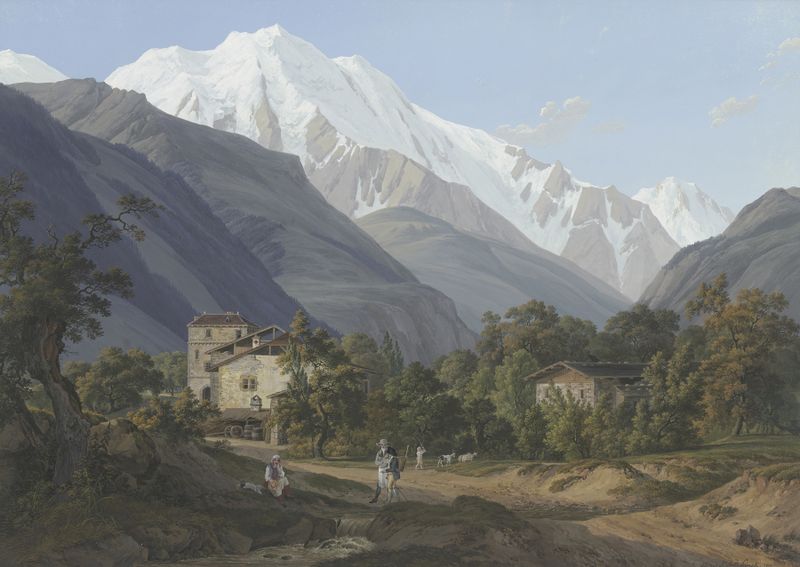
Vue de St. Gervais, de l’Aiguille blance, & du bon homme
Jean-Antoine Linck





