
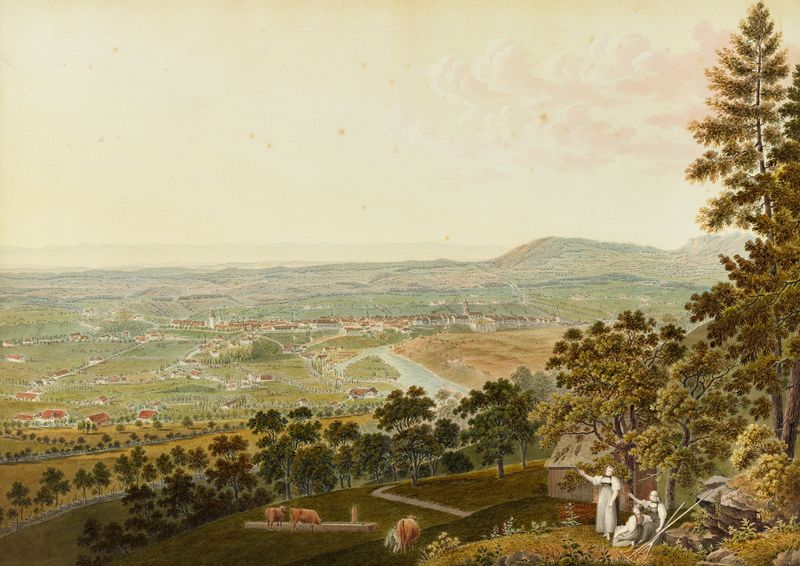
Vue depuis le Pavillon, côté d’Iverdon, à Vernand — History & Facts
Can beauty exist without sorrow? In the quiet interplay of nature's allure and the inevitability of decay, one finds the poignant truth of existence itself. Look to the center of the canvas where a delicate balance of lush greenery melds seamlessly with a weathered pavilion, framed by an expansive sky. The artist employs a soft palette of greens and muted earth tones that evoke a sense of nostalgia, inviting the viewer to explore the scene’s layered textures. Notice how the light infuses the leaves with a gentle glow, contrasting sharply with the aged wood of the pavilion, where each crack and crevice tells its own story of time’s passage. Hidden beneath the surface lies a narrative of transformation.
The vibrant plant life surrounding the pavilion hints at vitality, yet it is overshadowed by the structure’s slow deterioration. This duality reflects the transient nature of beauty, invoking feelings of longing and introspection. Each brushstroke captures not just the physical aspect of the scene but speaks to the emotional undercurrents of change and loss that accompany it. During the period that produced this work, the artist was immersed in the Romantic movement, which sought to explore emotional depth and the sublime qualities of nature.
The exact date of the painting remains unclear, but it aligns with the era’s fascination with the interplay of human structures and the relentless force of nature. At this time, Weibel was likely reflecting on his own experiences and observations of the world around him, as artists began to grapple with themes of decay and beauty in the face of inevitable change.
More Artworks by Jakob Samuel Weibel
Browse all →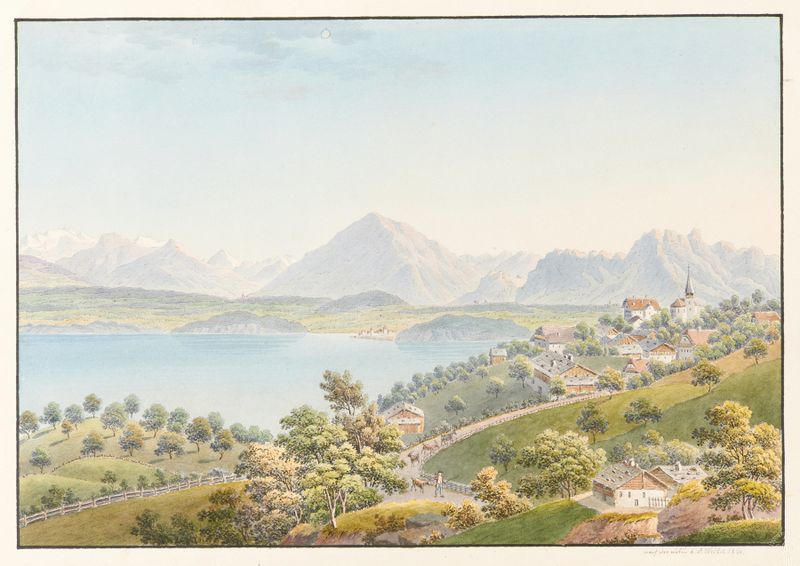
Vue dessiné depuis le Village de Sigriswil, audessus du Lac de Thoune
Jakob Samuel Weibel
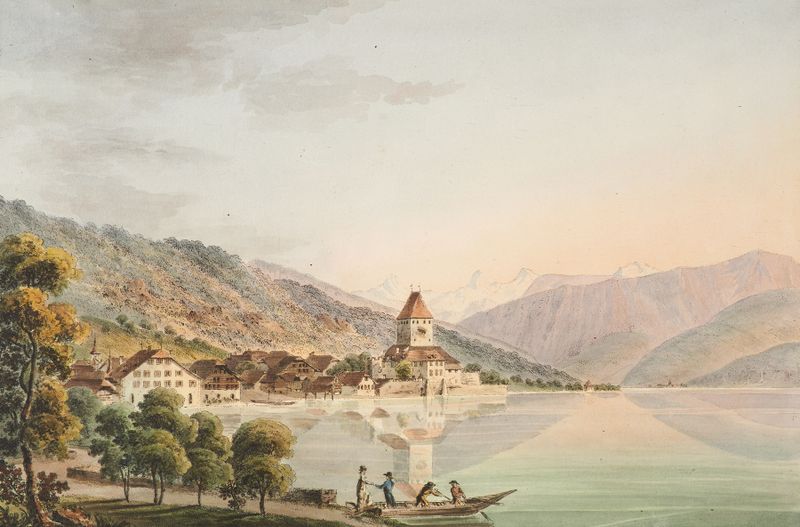
Vûe du Chateau d’Oberhofen au Lac de Thoune
Jakob Samuel Weibel
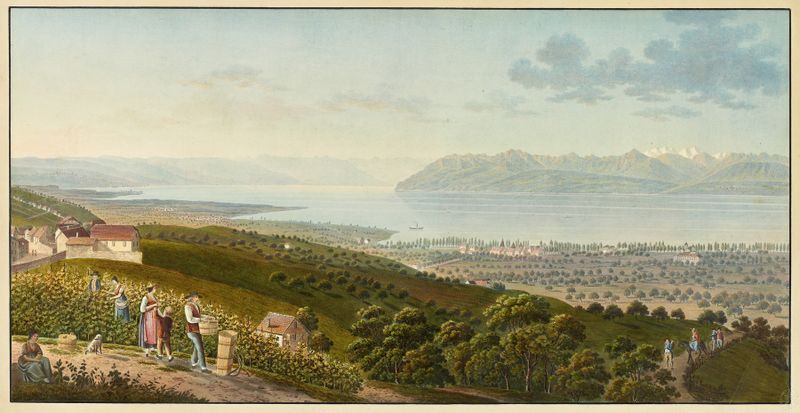
Vue genérale du Lac de Geneve
Jakob Samuel Weibel
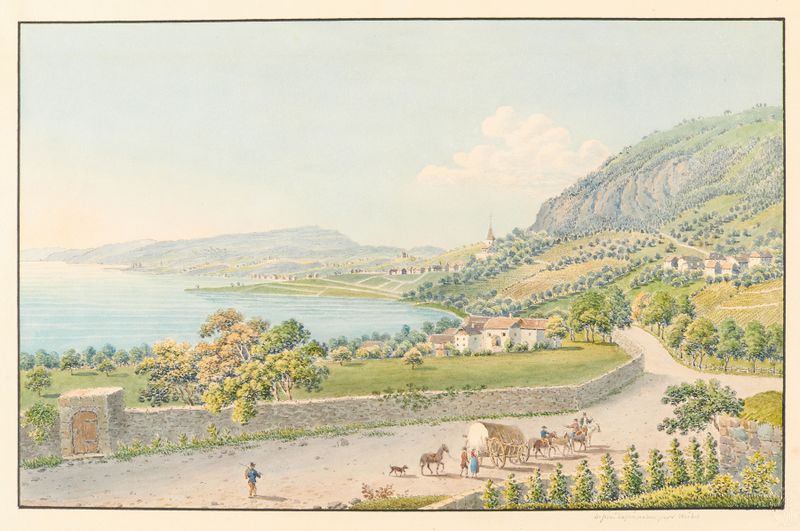
Vue des environs de Montreux et de Clarens
Jakob Samuel Weibel
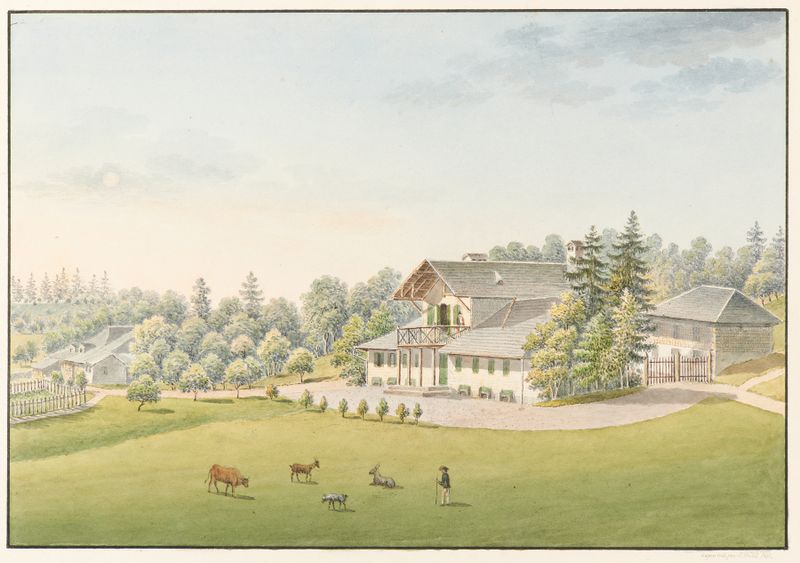
Vue du nouveau Châlet de Vernand
Jakob Samuel Weibel
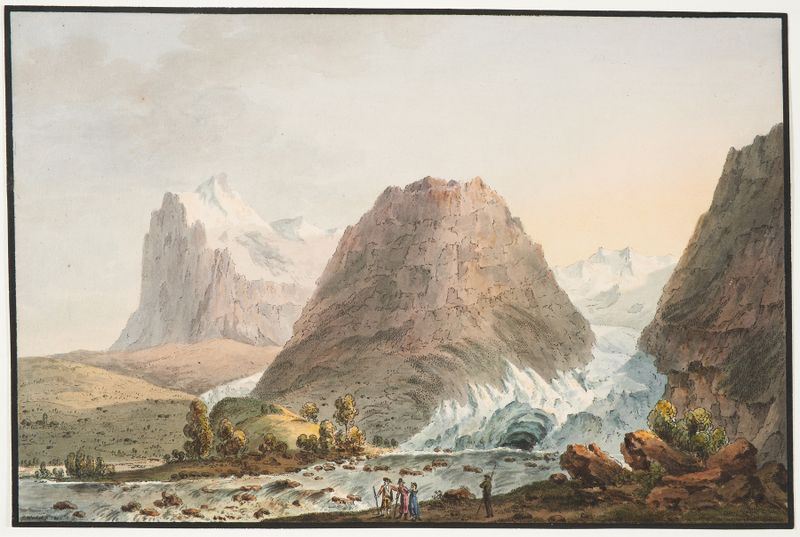
Vûe des Glacieres de Grindelwald
Jakob Samuel Weibel
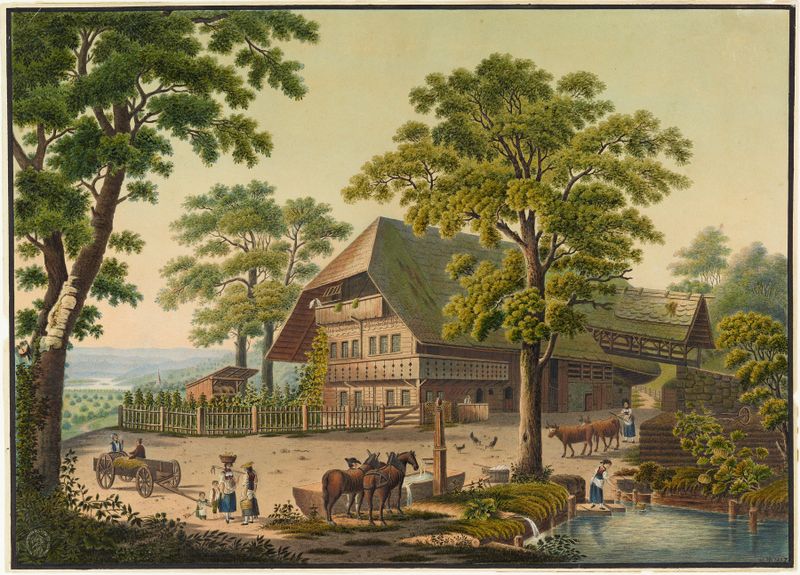
Maison de paysan près Wichtrach
Jakob Samuel Weibel
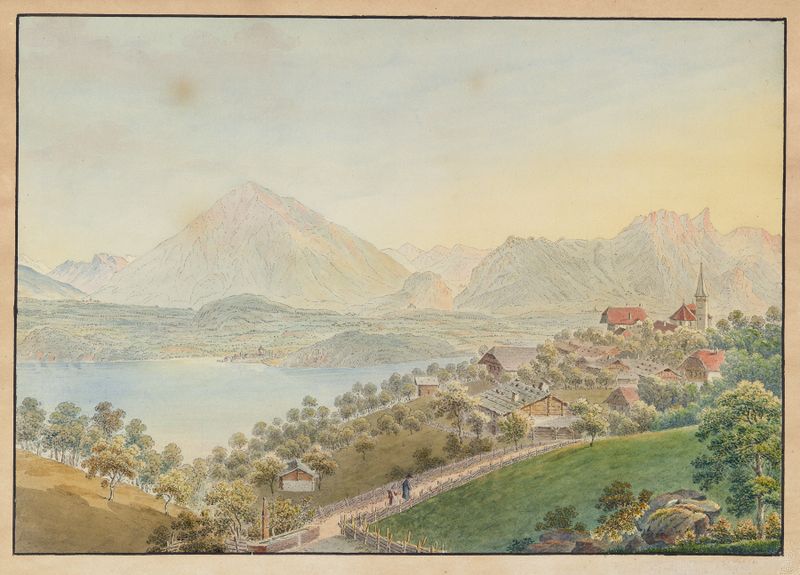
Ansicht von Sigriswil mit Niesen und Thunersee
Jakob Samuel Weibel
Ansicht Berns und der Aare vom Gurten aus
Jakob Samuel Weibel

Lausanne Ville capitale du Canton de Vaud
Jakob Samuel Weibel





