
Vue d’Italie — History & Facts
Did the painter know this moment would outlive them? In Vue d’Italie, fleeting beauty exists amidst decay, a poignant reminder of time's relentless march. Look to the lower left where vibrant strokes of green capture the lush foliage, framing a dilapidated structure that stands defiantly against the passage of time. Notice how the warm golden light bathes the scene, casting soft shadows that accentuate the contrast between nature's vibrancy and the crumbling architecture. The palette, dominated by earthy hues and bright sky blues, creates a harmonious balance — inviting yet melancholic, celebrating both life and its inevitable decline. In this work, contrasts abound.
The lively trees and serene water evoke a sense of peace, yet they are juxtaposed against the ruins, suggesting a tension between vitality and decay. The painter’s choice to include both flourishing flora and a derelict building speaks to the cycles of existence — how life flourishes in one moment and withers in another. Each brushstroke whispers stories of nostalgia and forgotten grandeur, urging viewers to reflect on their own fleeting moments. Created in a period when Romanticism was evolving and realism gaining traction, Félix Ziem painted Vue d’Italie during a time filled with artistic exploration.
His experiences traveling through Italy and capturing its landscapes left an indelible mark on his work. Though the exact date remains uncertain, this piece embodies the spirit of an artist seeking to immortalize beauty, even as it fades away.
More Artworks by Félix Ziem
Browse all →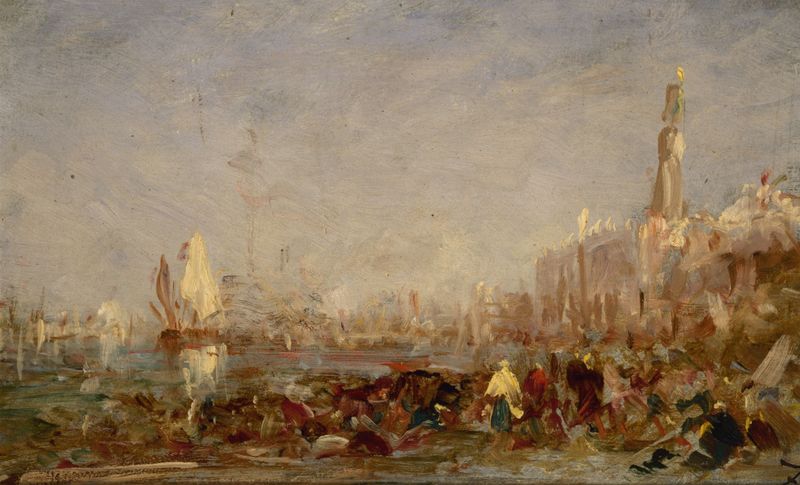
Venise
Félix Ziem
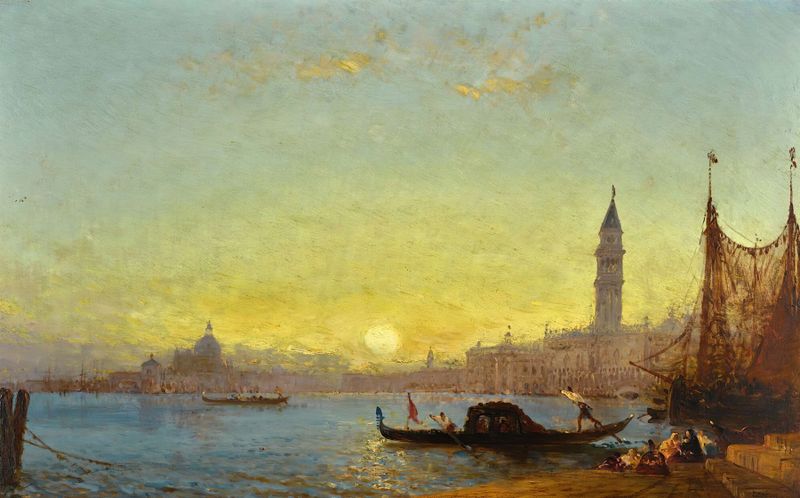
Coucher De Soleil À Venise
Félix Ziem
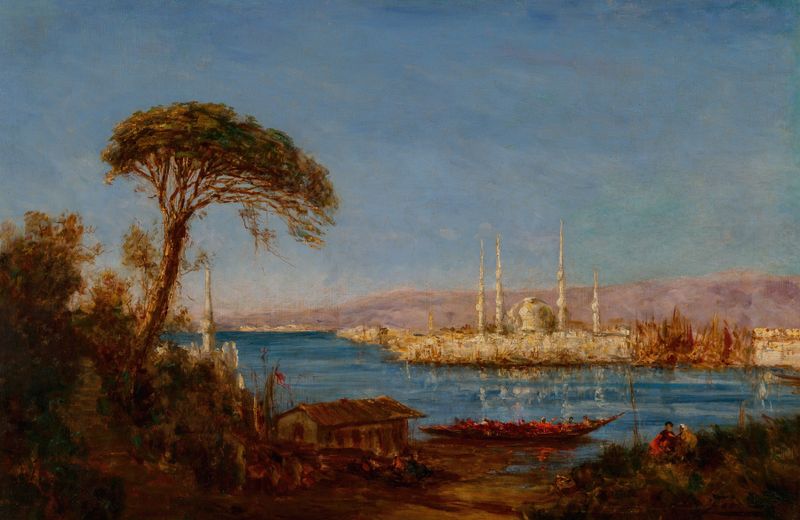
Constantinople
Félix Ziem
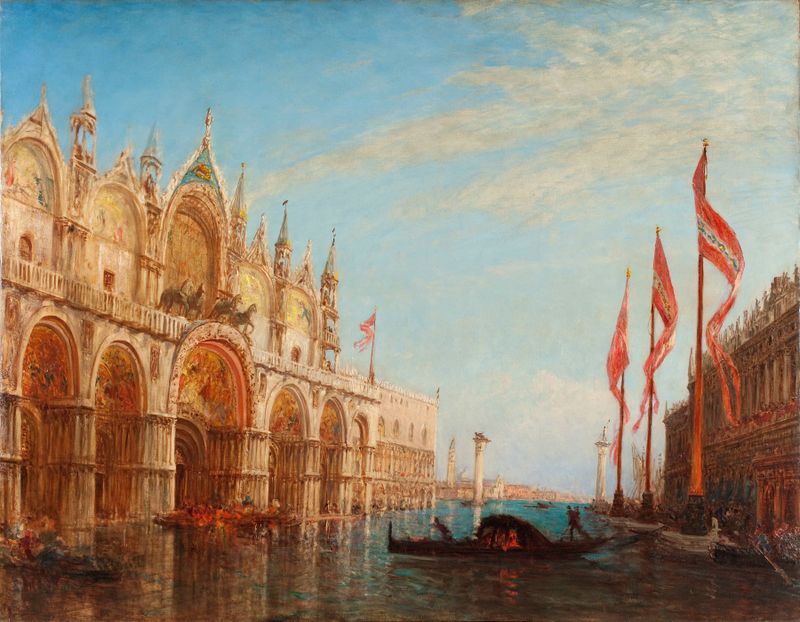
La place Saint-Marc, inondation de 1863
Félix Ziem
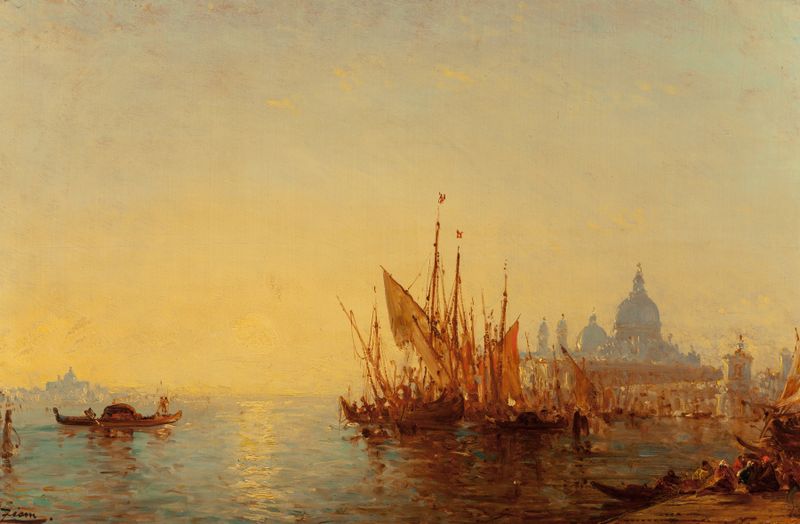
Bacino di San Marco
Félix Ziem
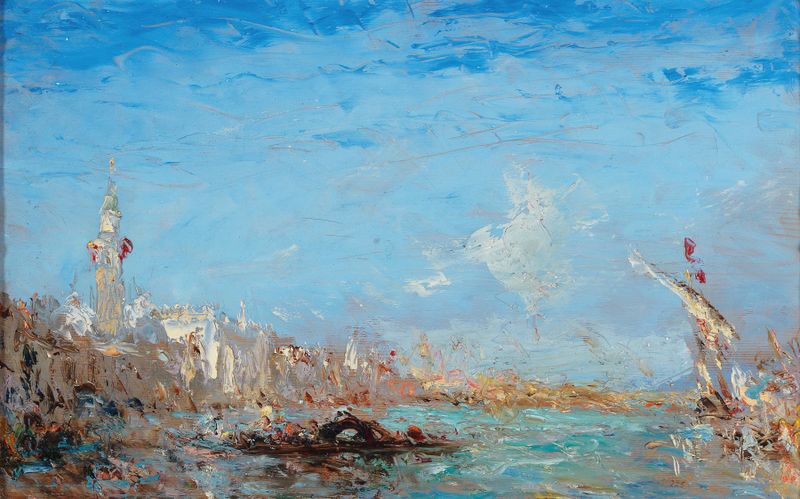
Canal Grande
Félix Ziem
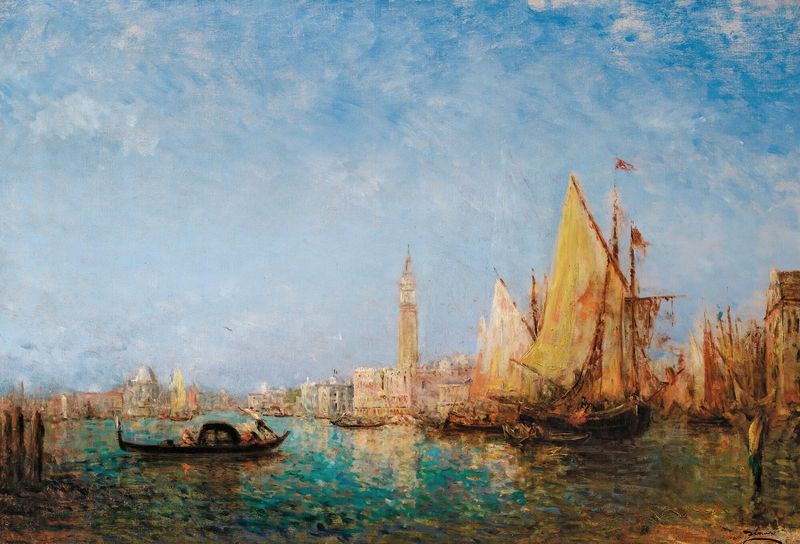
Le Palais Du Doge, Venise
Félix Ziem
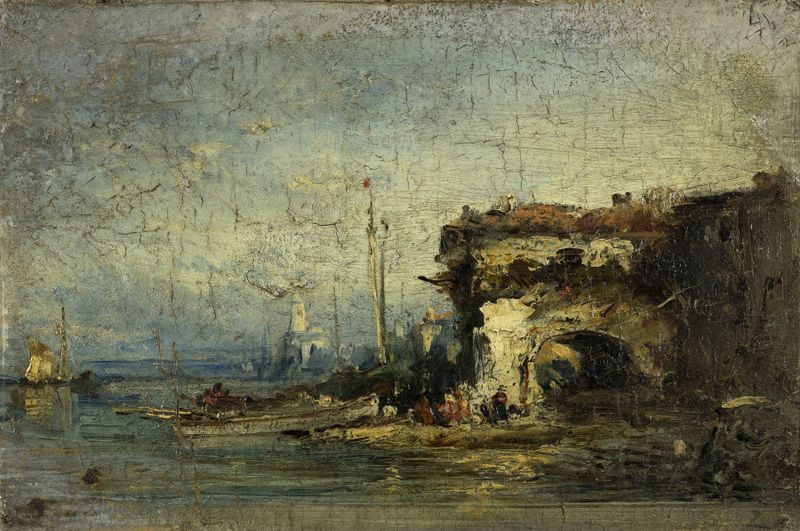
Vue d’Italie; la vieille porte
Félix Ziem
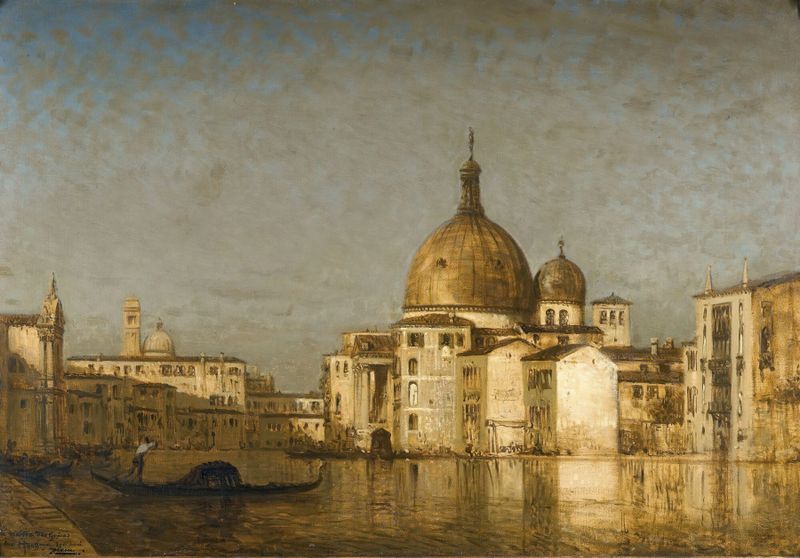
San Simeone Piccolo Au-Delà Du Grand Canal, Venis
Félix Ziem
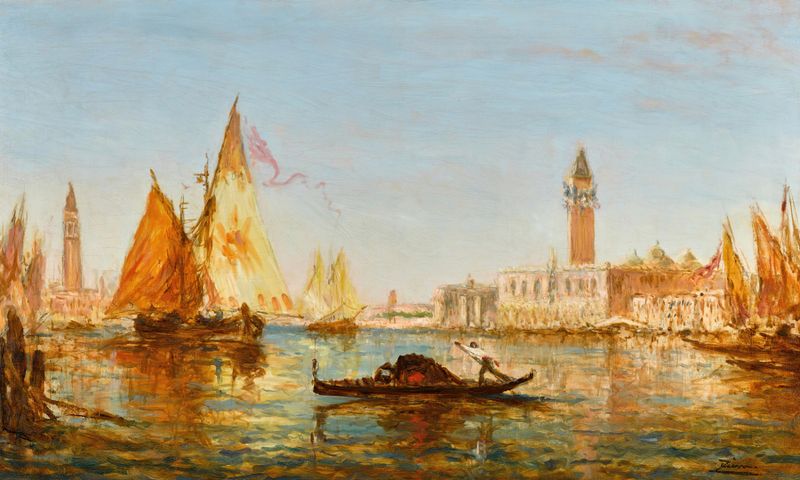
Venise, gondole et voiliers devant le Palais des doges et San Giorgio Maggiore
Félix Ziem





