
Vue du Lac de Genève — History & Facts
Who listens when art speaks of silence? In Vue du Lac de Genève, the stillness is palpable, inviting contemplation and a deep sense of balance in nature. Look to the foreground, where the delicate brushwork captures the shimmering surface of Lake Geneva, reflecting not just the sky but the tranquility of the moment. The gentle hues of blue and green flow into one another, creating a harmonious blend that draws the viewer’s eye across the canvas. Notice how the distant mountains rise majestically, bathed in soft light, while the silhouettes of trees frame the scene, grounding it with a sense of stability and peace. Beneath the serene exterior, a tension emerges between the bustling life represented in the boats and the overwhelming stillness of the landscape.
The contrast between human presence and nature’s calm speaks to a delicate balance—one that reflects the interplay between chaos and serenity in our lives. The choice of cool tones evokes a feeling of introspection, urging the viewer to pause and consider the quiet moments often overlooked amid daily commotion. In 1801, Linck painted this landscape during a time of personal and artistic exploration in Geneva, a city on the cusp of modernity. The turn of the century brought with it a tide of change in European art, moving toward romanticism that celebrated the sublime in nature.
Linck, influenced by his surroundings and the burgeoning Romantic movement, captured this pivotal moment with a clarity that speaks beyond his era, inviting viewers to cherish both the silence of nature and the tumult of human existence.
More Artworks by Jean-Antoine Linck
Browse all →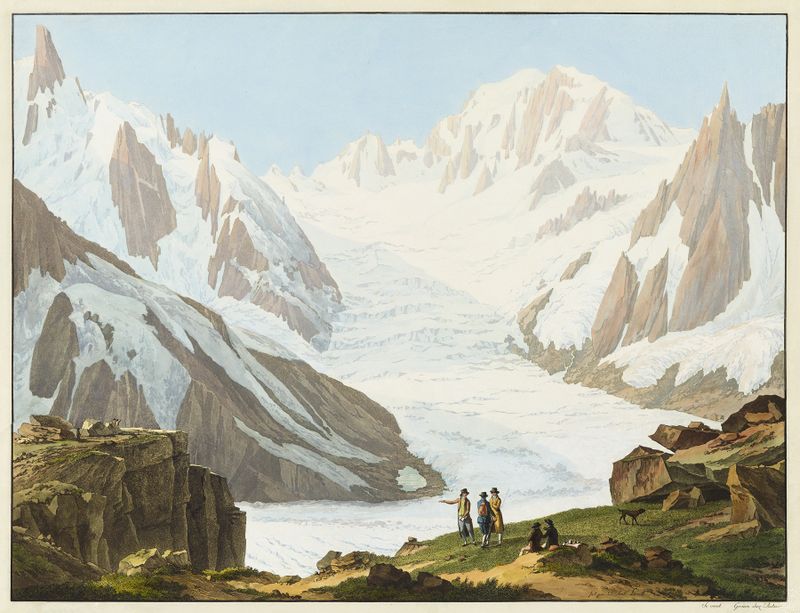
Vue du Mont-Blanc, des Aiguilles du Midi, des Blaitieres, du Géant, du Glacier du Tacul, prise du Sommet du Rocher du Couvercle
Jean-Antoine Linck
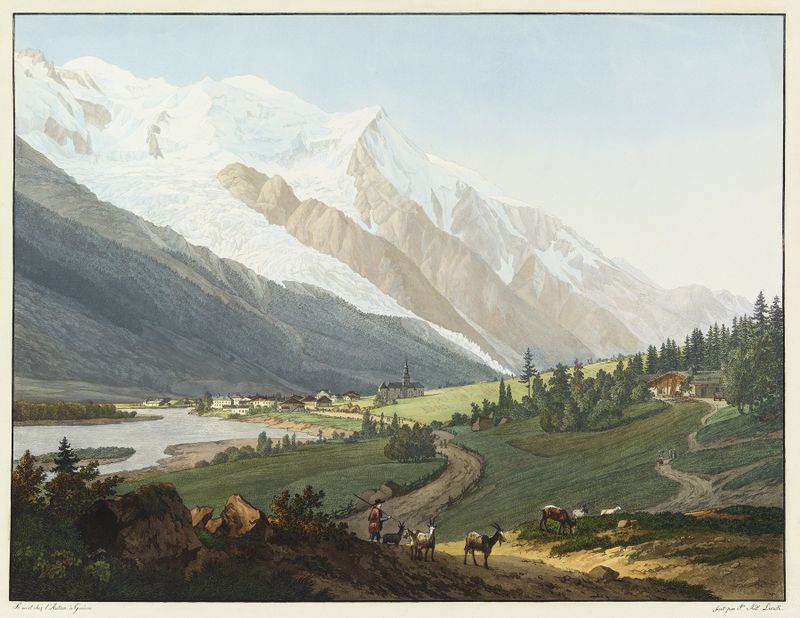
Vue du Prieuré de Chamouni, du Mont-Blanc, de l’Aiguille du Gouté, et du Glacier des Buissons
Jean-Antoine Linck
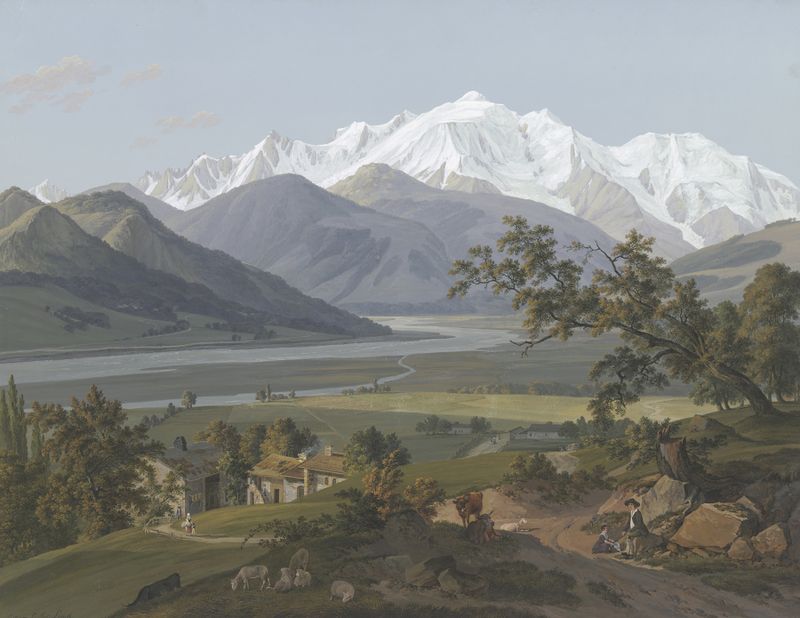
Vue du Mont-Blanc prise près de Salanche
Jean-Antoine Linck
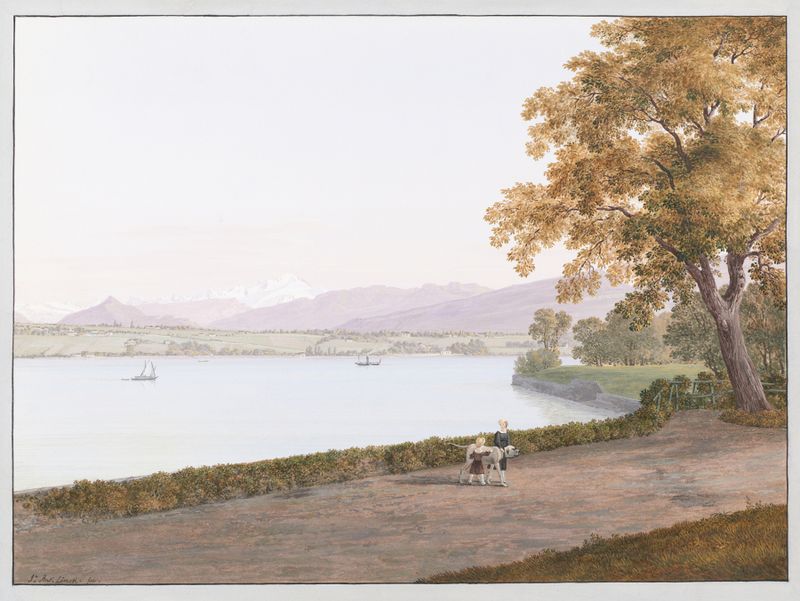
Vue du Lac Léman près de Genève
Jean-Antoine Linck
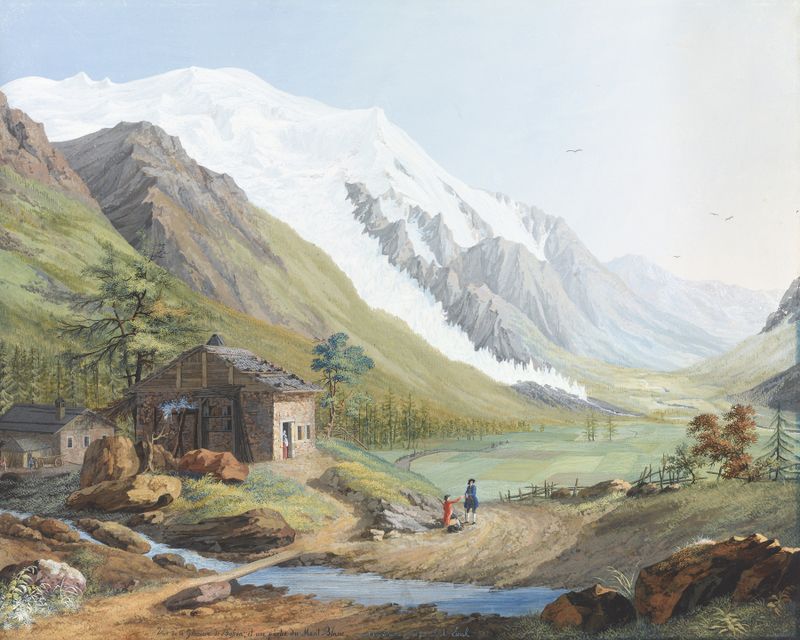
Vue de la Glaciere de Bosson, et une partie du Mont Blanc
Jean-Antoine Linck
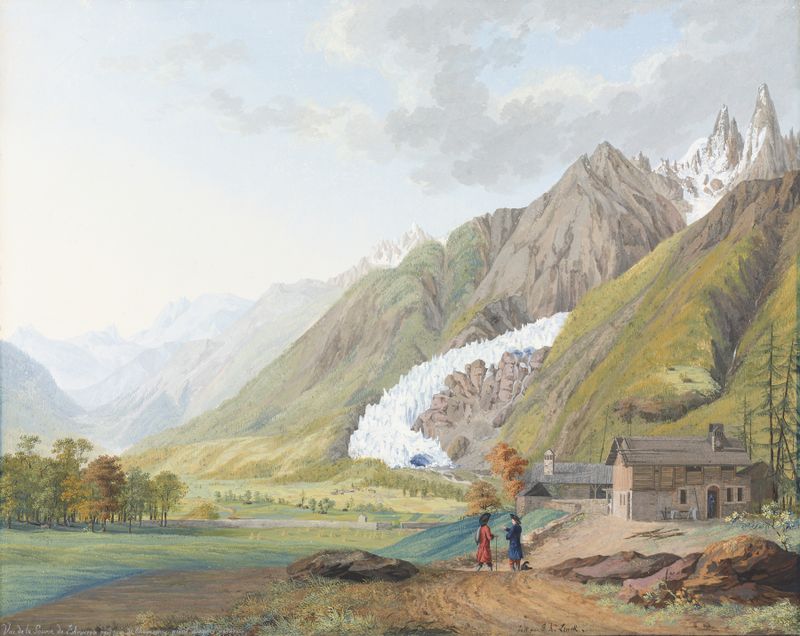
Vue de la Sourse de l’Arveron prit près de Chamouny peint d’après nature
Jean-Antoine Linck
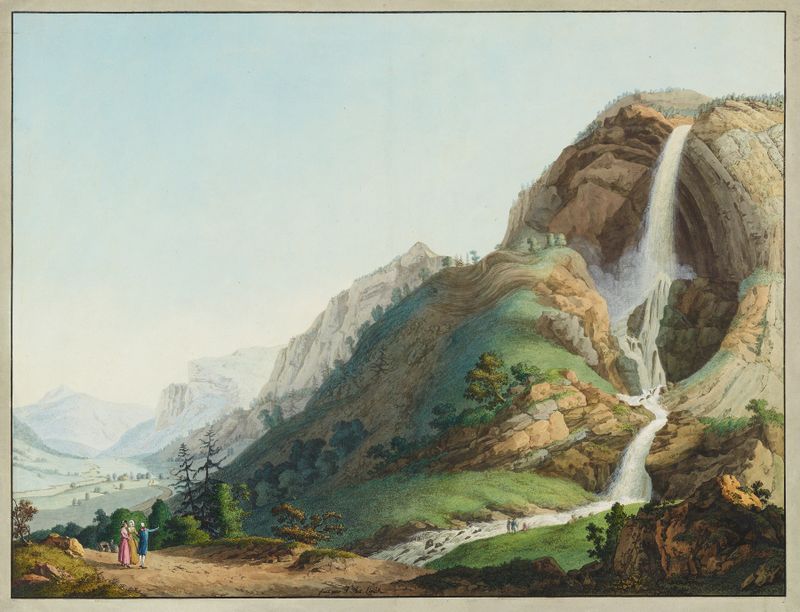
Vue de la Cascade de l’Arpenas
Jean-Antoine Linck
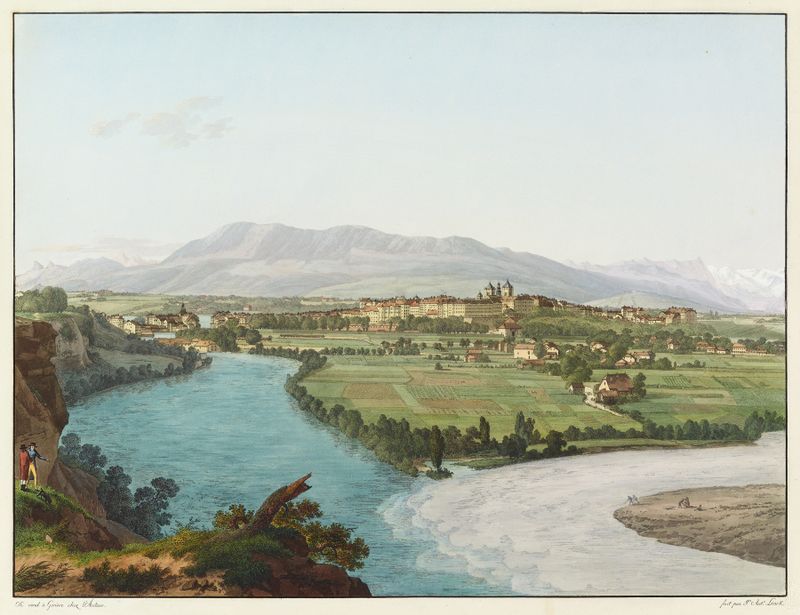
Vue de Genève & Jonction de l’Arve avec le Rhône
Jean-Antoine Linck
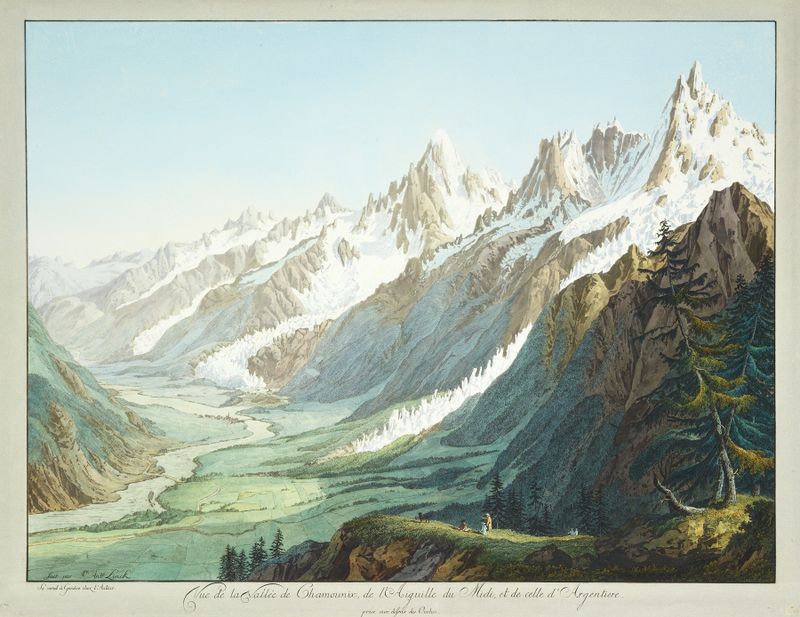
Vue de la Vallée de Chamounix, de l’Aiguille du Midi, et de celle d’Argentiere
Jean-Antoine Linck
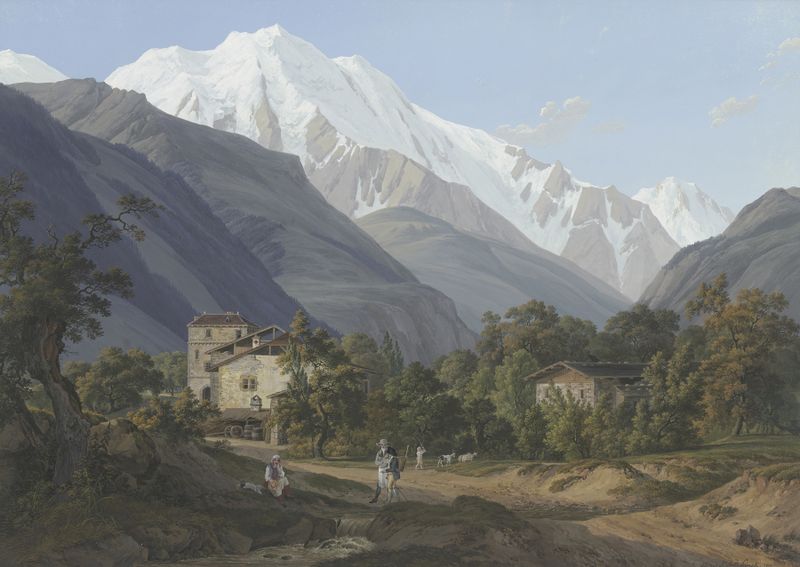
Vue de St. Gervais, de l’Aiguille blance, & du bon homme
Jean-Antoine Linck





