
Vue du Village & du Pont de St. Martin, du Mont Blanc du Bionnasse — History & Facts
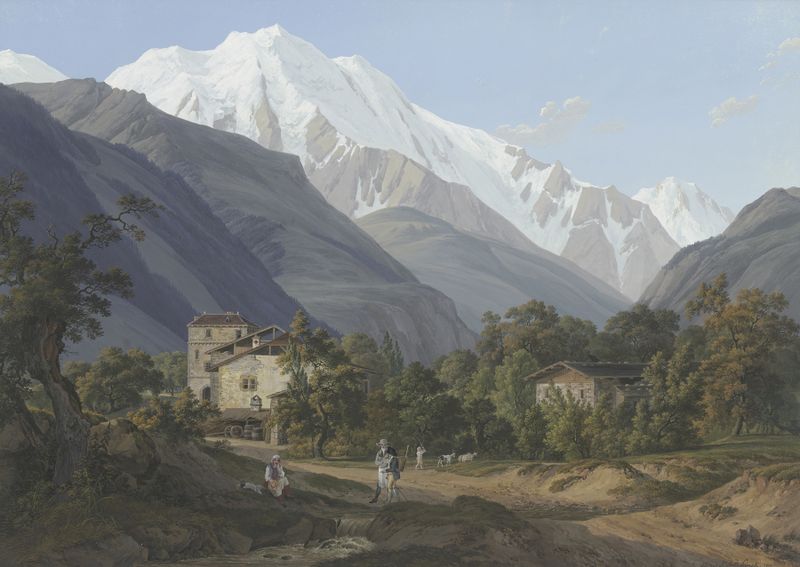
When did color learn to lie? As we gaze upon the vibrant hues of nature, the question lingers, inviting us into a deeper exploration of truth and illusion in art. Look to the left at the brilliant blue sky, where soft, wispy clouds dance gracefully above the majestic Mont Blanc. The peaks are rendered with a delicate touch, the artist’s brushstrokes conveying both strength and fragility. Notice how the lush greens of the village below provide a striking contrast, grounding the ethereal beauty of the mountains.
The winding river, painted with fluid strokes, pulls the eye across the canvas, creating a sense of movement and connection to the landscape. Hidden within this serene portrayal lies a complex interplay of time and memory. The bridge, arching gracefully over the river, serves as a metaphor for transition, while the village echoes the past, a reminder of the lives that once flourished there. The palette, rich and varied, suggests not only the beauty of the scene but also the fleeting nature of existence, hinting at how moments can be captured yet remain forever elusive. During an undetermined period in the late 18th century, when Linck created this work, Europe was in the throes of profound cultural change, with the Enlightenment influencing artistic expression.
Living in a world that sought to reconcile nature with reason, Linck’s painting reflects an era grappling with its identity, much like the interplay of light and shadow on the canvas.
More Artworks by Jean-Antoine Linck
Browse all →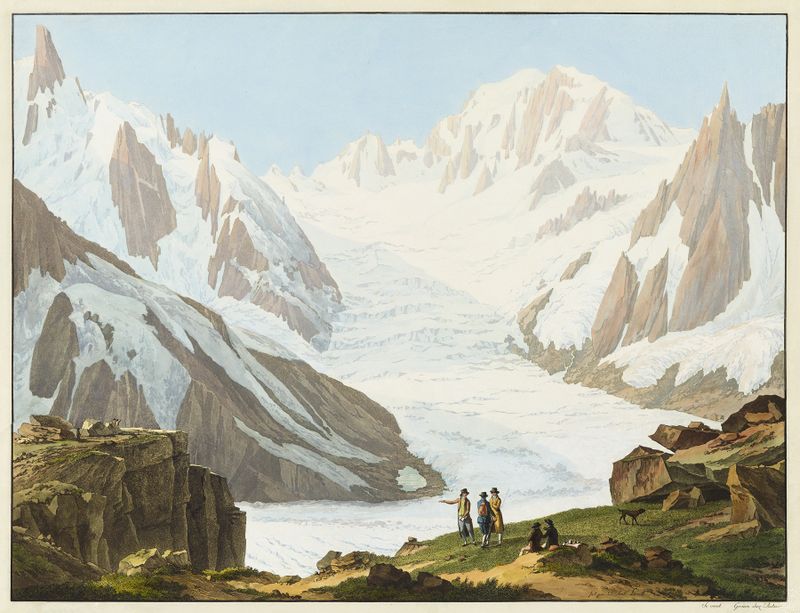
Vue du Mont-Blanc, des Aiguilles du Midi, des Blaitieres, du Géant, du Glacier du Tacul, prise du Sommet du Rocher du Couvercle
Jean-Antoine Linck
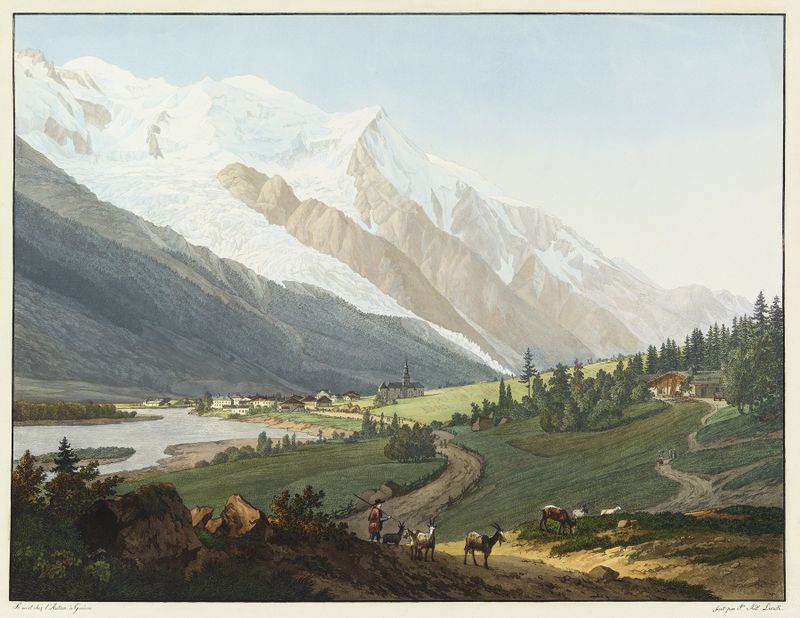
Vue du Prieuré de Chamouni, du Mont-Blanc, de l’Aiguille du Gouté, et du Glacier des Buissons
Jean-Antoine Linck
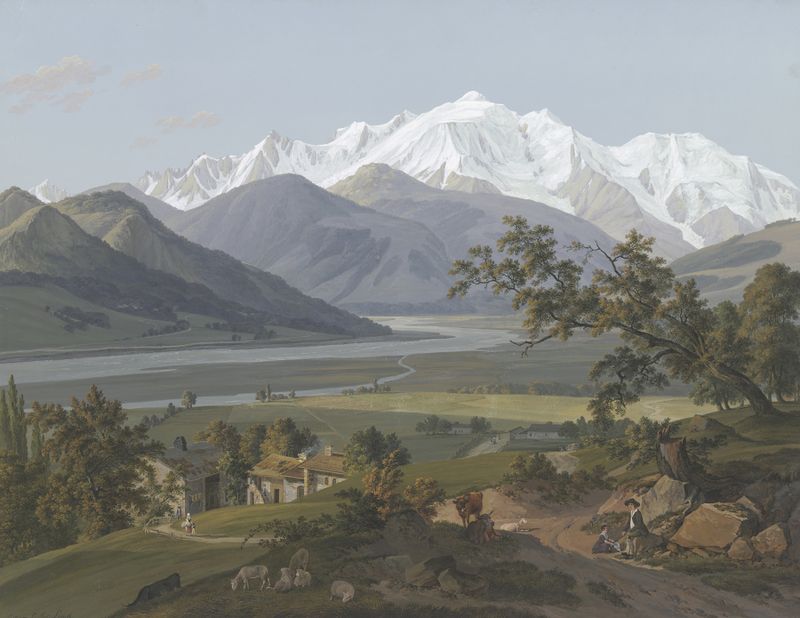
Vue du Mont-Blanc prise près de Salanche
Jean-Antoine Linck
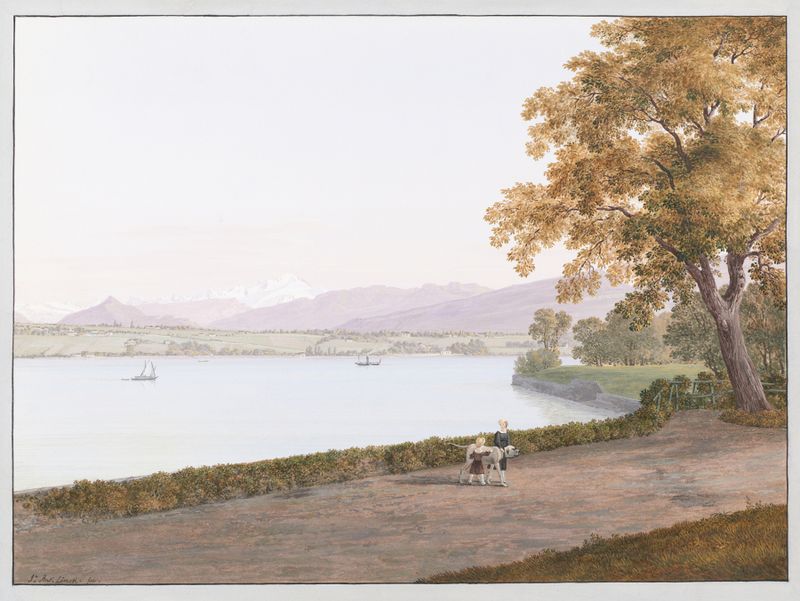
Vue du Lac Léman près de Genève
Jean-Antoine Linck
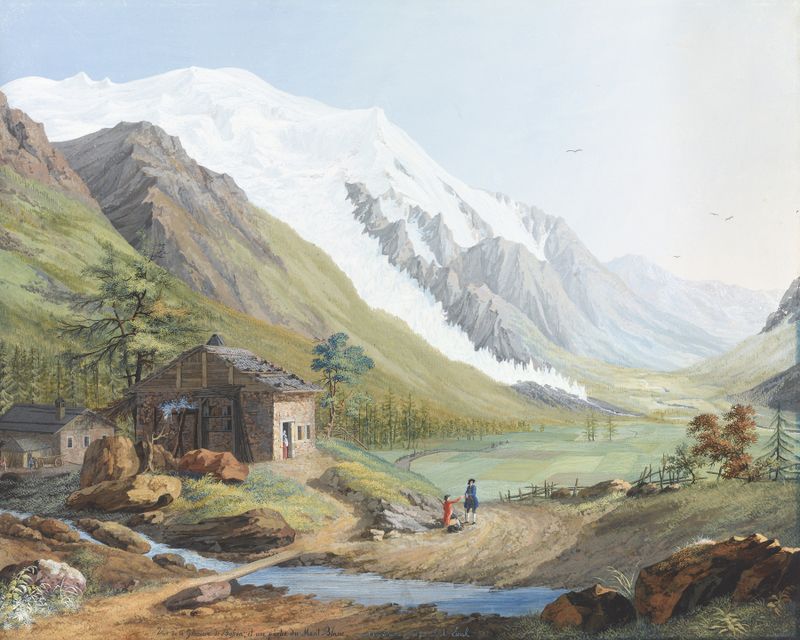
Vue de la Glaciere de Bosson, et une partie du Mont Blanc
Jean-Antoine Linck
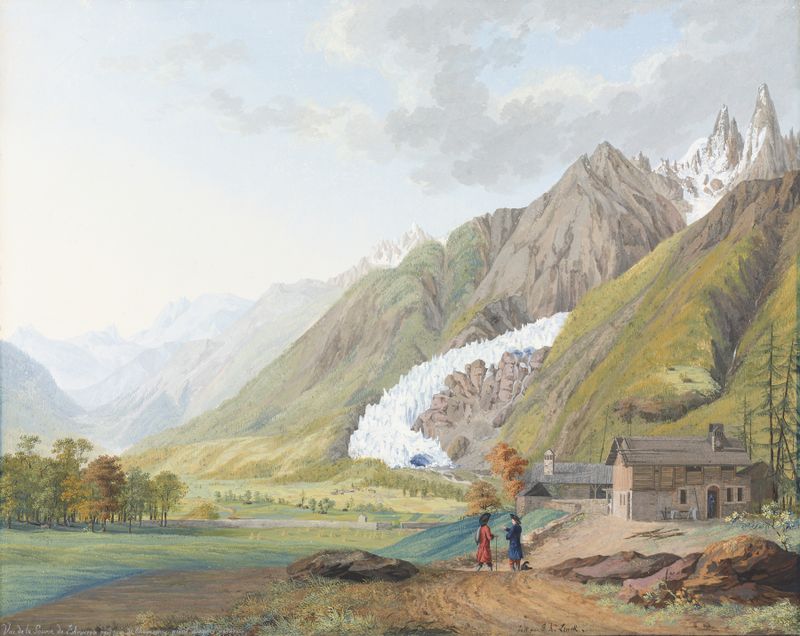
Vue de la Sourse de l’Arveron prit près de Chamouny peint d’après nature
Jean-Antoine Linck
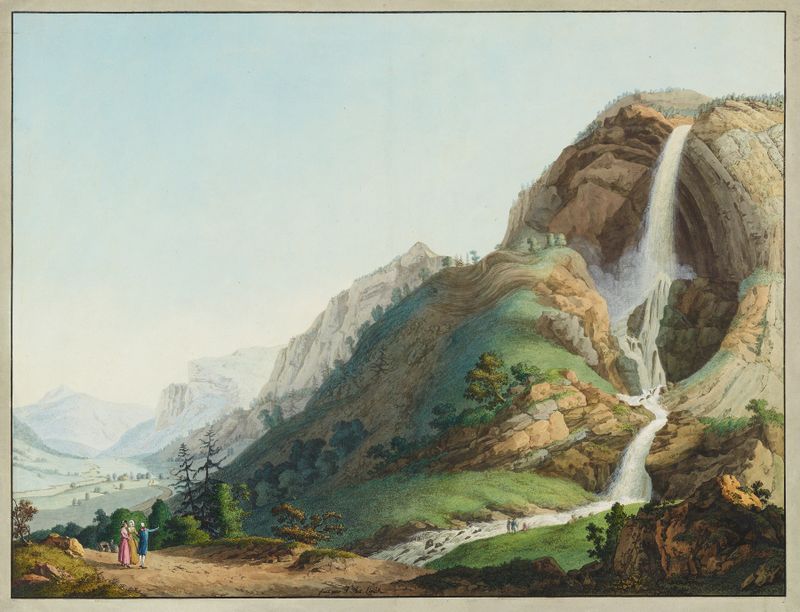
Vue de la Cascade de l’Arpenas
Jean-Antoine Linck
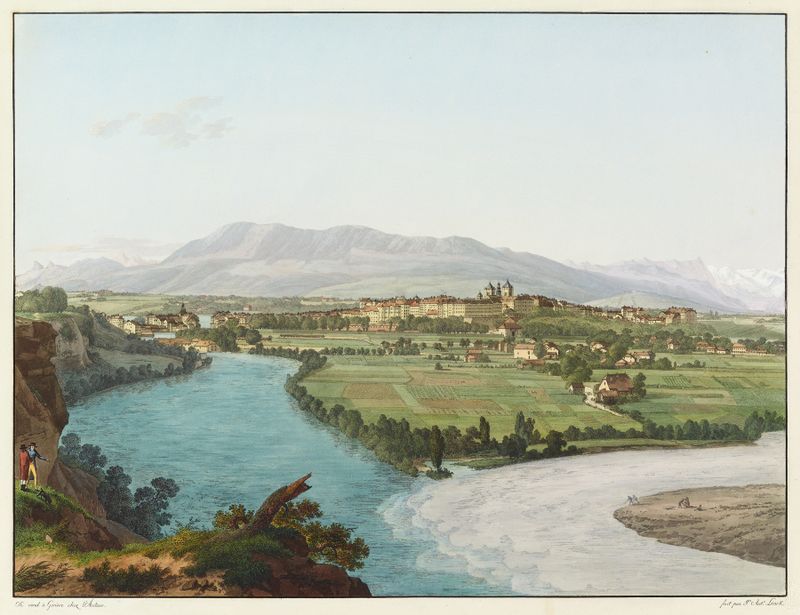
Vue de Genève & Jonction de l’Arve avec le Rhône
Jean-Antoine Linck
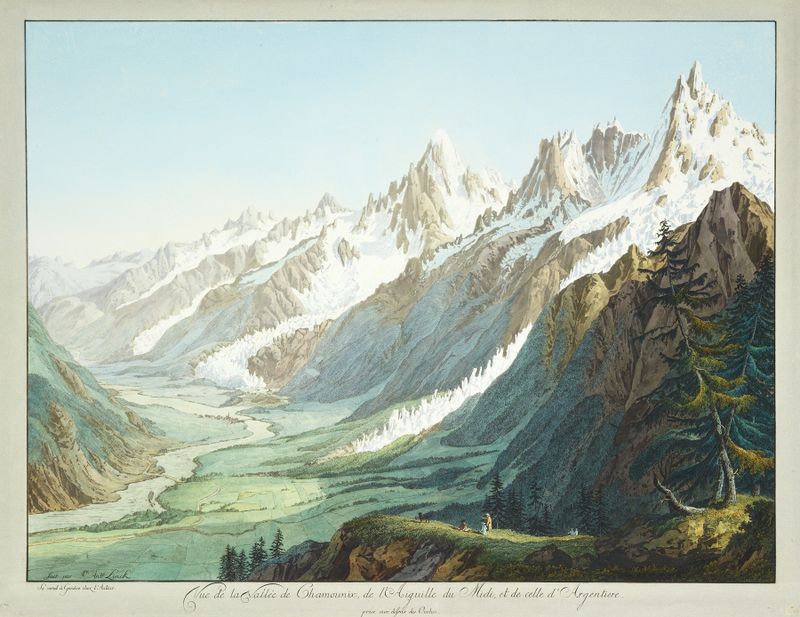
Vue de la Vallée de Chamounix, de l’Aiguille du Midi, et de celle d’Argentiere
Jean-Antoine Linck
Vue de St. Gervais, de l’Aiguille blance, & du bon homme
Jean-Antoine Linck





