
Vue du Village et du Lac de Brientz — History & Facts
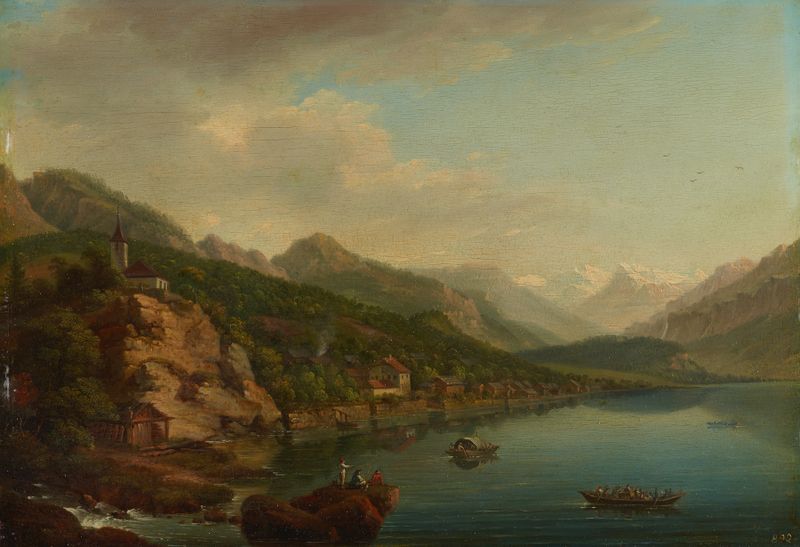
What if beauty was never meant to be finished? The fleeting essence of a moment, captured yet forever elusive, echoes through the landscapes of memory. Look to the sweeping vistas that dominate the canvas. The gentle undulations of hills cradle a serene village, while the shimmering lake reflects a sky awash in hues of blue and gold. Notice how the light dances upon the water’s surface, lending an ethereal quality that beckons viewers to linger.
The meticulous brushwork reveals a harmonious blend of natural elements, guiding the eye from the heart of the village outwards toward the horizon, where the mountains stand sentinel. Yet within this idyllic scene, contrasts arise. The tranquility of the village life juxtaposes the timelessness of the mountains, suggesting the passage of time both external and internal. Delve into the minute details—the rustic architecture, the scattered figures, and the vibrant greenery—all whisper stories of human existence intertwined with nature.
The laughter and toil of the villagers seem to resonate in the quietude, while the lake mirrors a deeper yearning, hinting at memories both cherished and lost. During the time Vue du Village et du Lac de Brientz was painted, Johann Ludwig Aberli was immersed in the picturesque movement of the 18th century, capturing the essence of Swiss landscapes. Working in the late 1700s, he sought to represent the sublime beauty of his homeland at a time when Romanticism began to flourish. As artists turned their gaze to nature's grandeur and the human spirit, Aberli’s work stands as a testament to a world where beauty is ephemeral yet immortalized in art.
More Artworks by Johann Ludwig Aberli
Browse all →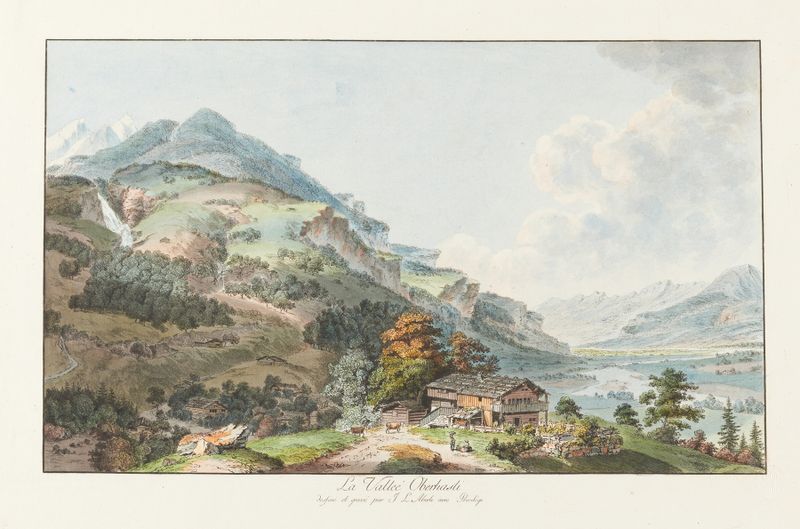
La Vallée Oberhasli
Johann Ludwig Aberli
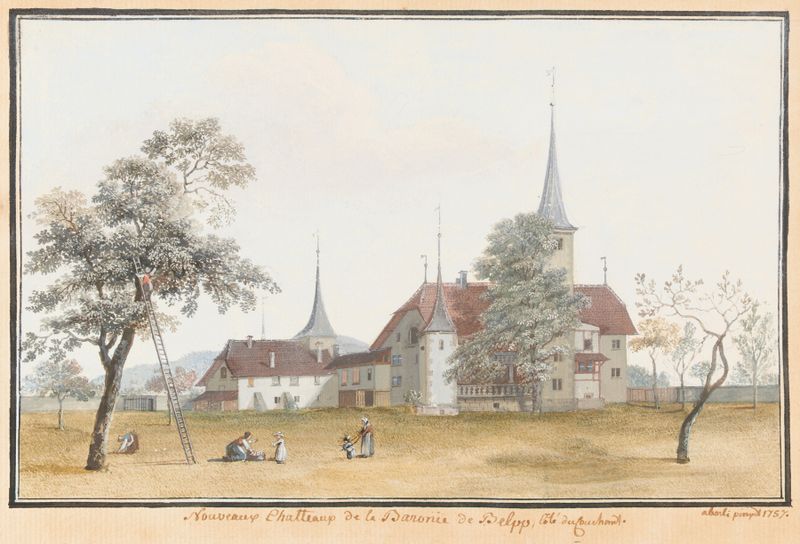
Nouveaux Chatteaux de la Baronie de Belpp; Côté du Couchant
Johann Ludwig Aberli
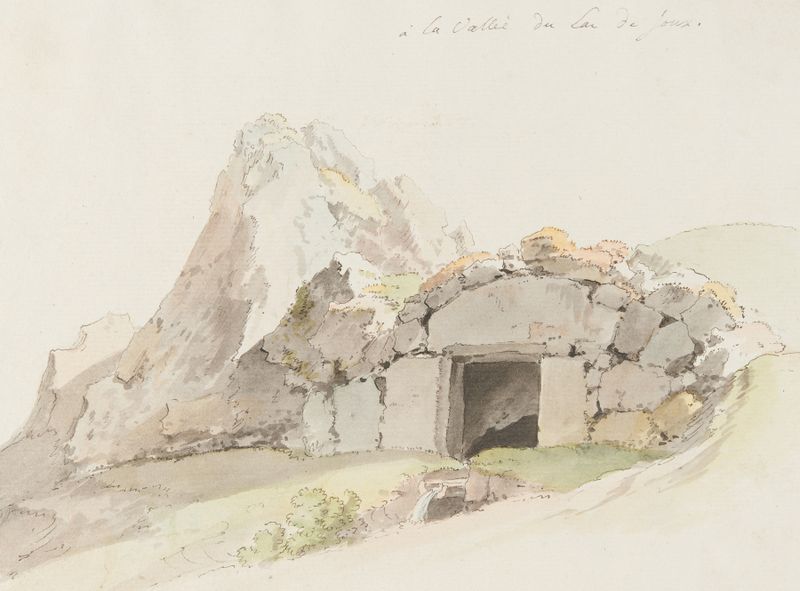
à la Vallèe du Lac de Joux
Johann Ludwig Aberli
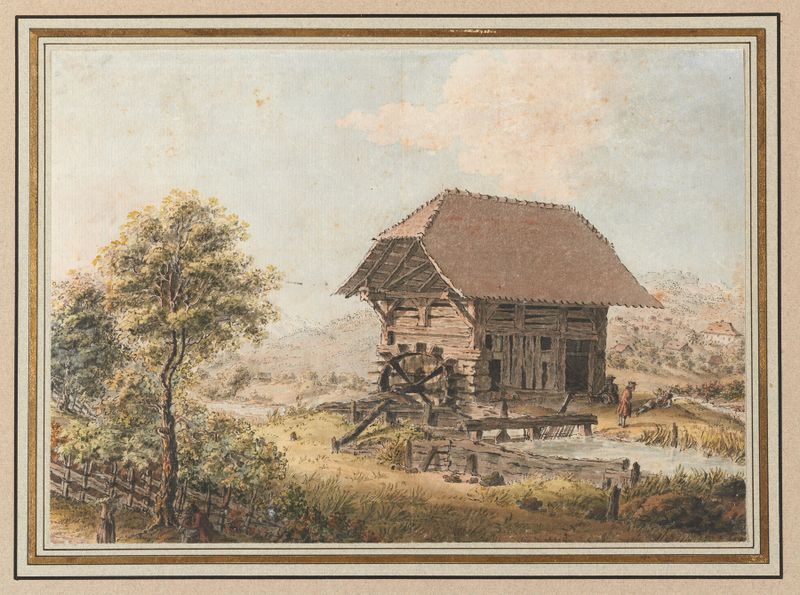
Ansicht einer Mühle im Berner Mittelland
Johann Ludwig Aberli
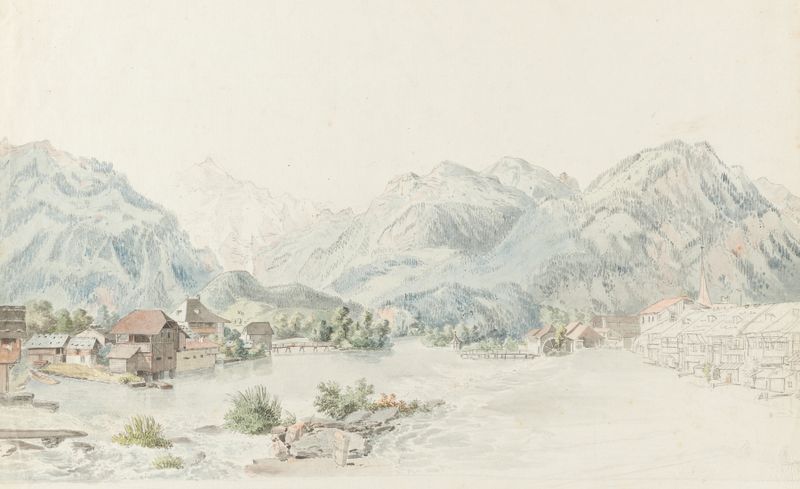
Ansicht von Unterseen
Johann Ludwig Aberli
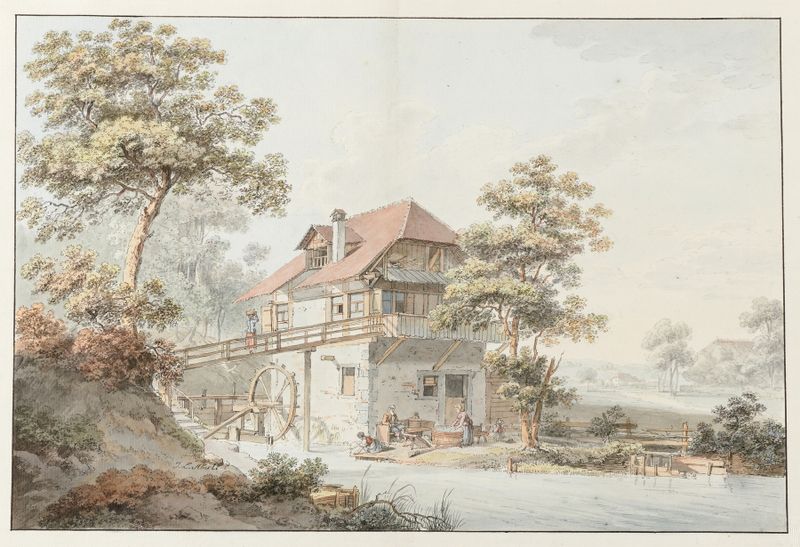
Ansicht einer Mühle im Berner Mittelland.
Johann Ludwig Aberli
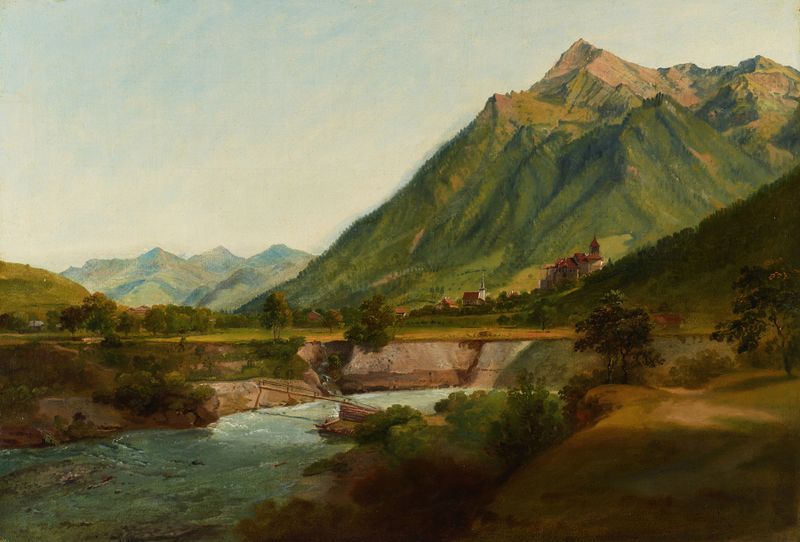
Vue du Château de Wimmis et des environs
Johann Ludwig Aberli
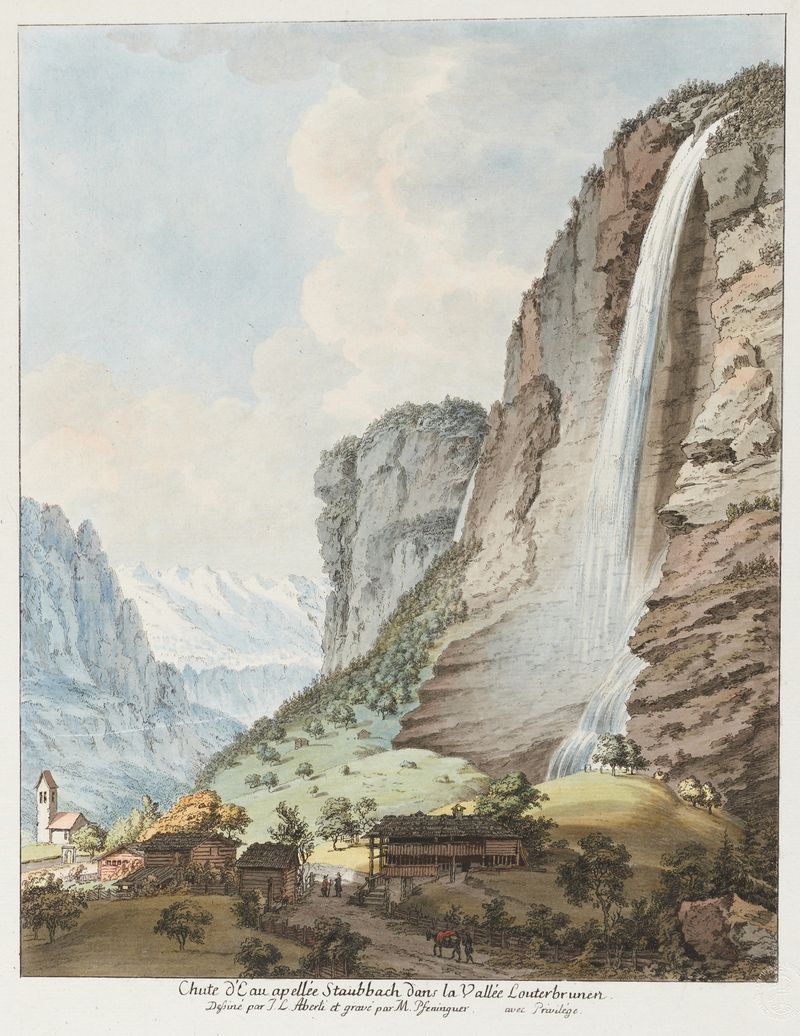
Chute d’Eau apellée Staubbach dans la Vallée Louterbrunnen
Johann Ludwig Aberli
Vue du Jungfrau-Horn
Johann Ludwig Aberli
Vue du Village et du Lac de Brientz
Johann Ludwig Aberli





