Vue Intérieure Du Panthéon — History & Facts
Under the brush, chaos becomes grace. The juxtaposition of vibrant colors reveals not just the physical space but an emotional resonance felt within. Each hue tells a story, transforming the viewer's perception and inviting introspection. Look to the left at the sweeping arches that cradle the grand interior, drawing the eye upward towards the luminous dome.
The play of light dances across the polished surfaces, creating a symphony of highlights and shadows. Notice how warm ochres and deep blues interlace within the architecture, suggesting a harmony that contrasts with the human figures bustling below, each absorbed in their pursuits. Deeper still, one may perceive the underlying commentary on society and the passage of time. The figures, though seemingly engaged in their own worlds, reflect a collective consciousness shaped by history, culture, and belief.
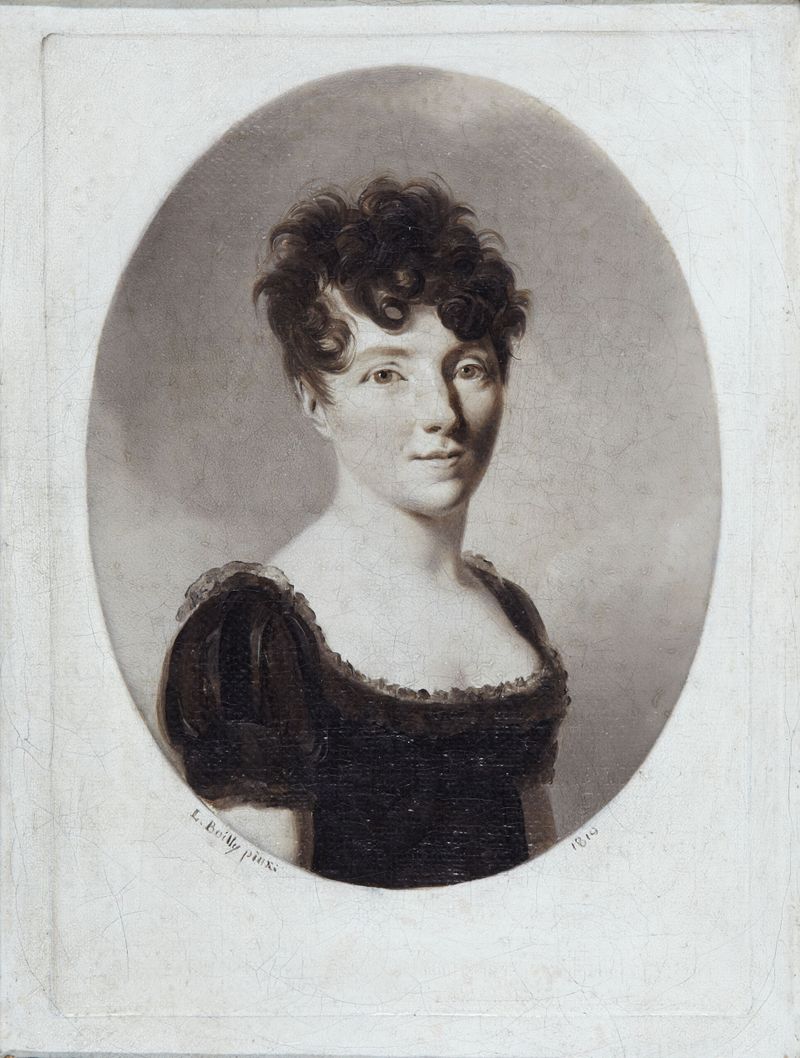
The juxtaposition of their mundane activities against the solemnity of the Pantheon speaks to the tension between the sacred and the everyday, inviting contemplation on legacy and human purpose. In 1810, Boilly painted this remarkable work during a period of artistic transition in France, where neoclassicism was giving way to romanticism. Living in Paris, he navigated the evolving landscape of art, influenced by both the revolutionary spirit of the age and the desires for individual expression. Vue Intérieure Du Panthéon embodies this shift, capturing a moment where past grandeur meets contemporary life, laid bare in colors that resonate long after the gaze has shifted.