La Prison Des Madelonnettes, Rue Des Fontaines — History & Facts
In a moment suspended between light and shadow, the canvas beckons us to confront our mortality. Focus first on the somber figures clustered around the entrance of a dilapidated prison. The artist employs a muted palette, with grays and browns dominating the scene, reminiscent of the oppressive confinement within. Notice the contrasting flickers of light filtering through the barred windows, illuminating the faces filled with a mix of resignation and defiance.
Each gaze tells a story, drawing the viewer into their muted despair and the harsh reality of their existence. The emotional tension lies in the juxtaposition of hope and hopelessness. One figure, a woman clasping her hands in prayer, stands as a beacon of yearning amidst the oppressive gloom. The careful detail of her worn clothing hints at a life of struggle, while the crumbling architecture serves as a metaphor for the fragility of the human spirit.
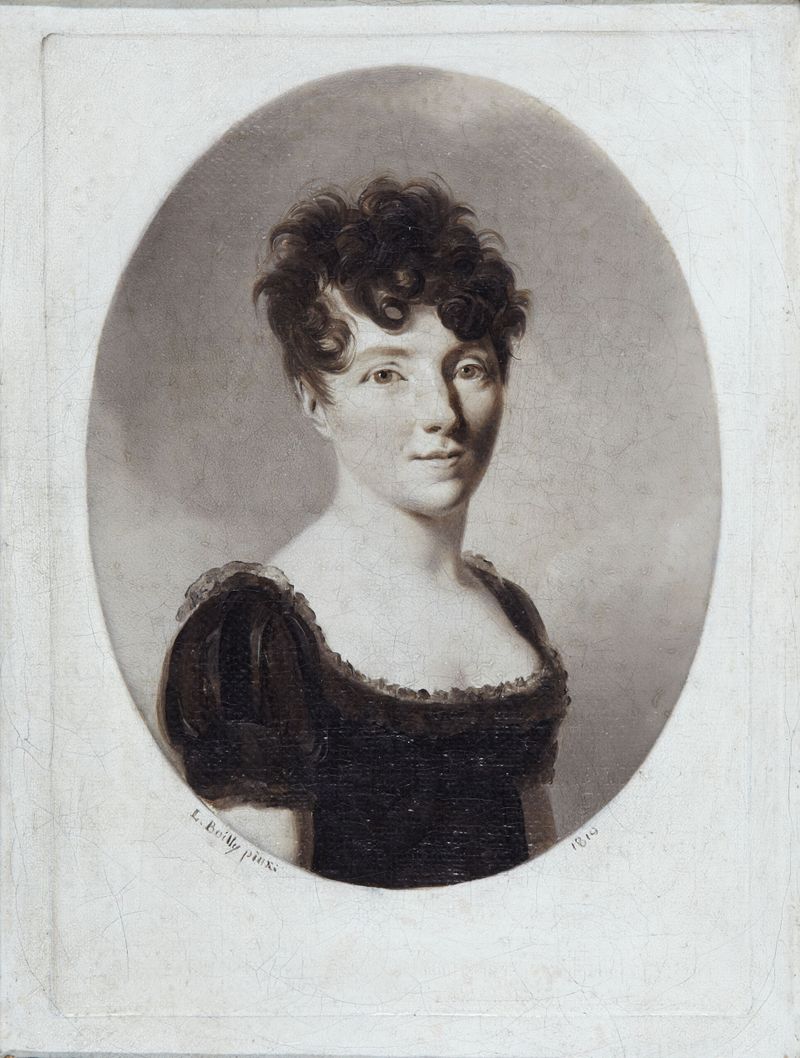
In this intertwining of light and darkness, Boilly weaves a narrative that transcends the immediate, inviting reflection on the broader themes of confinement and freedom. In 1810, while residing in Paris, the artist captured this poignant scene against a backdrop of social unrest and shifting artistic movements. As the Romantic era began to take hold, Boilly remained dedicated to depicting the everyday realities of life, often exploring themes of social justice. The work reflects both his commitment to realism and the turbulent atmosphere of a city grappling with its own moral dilemmas.