Vue Sur Venise View Of Venice — History & Facts
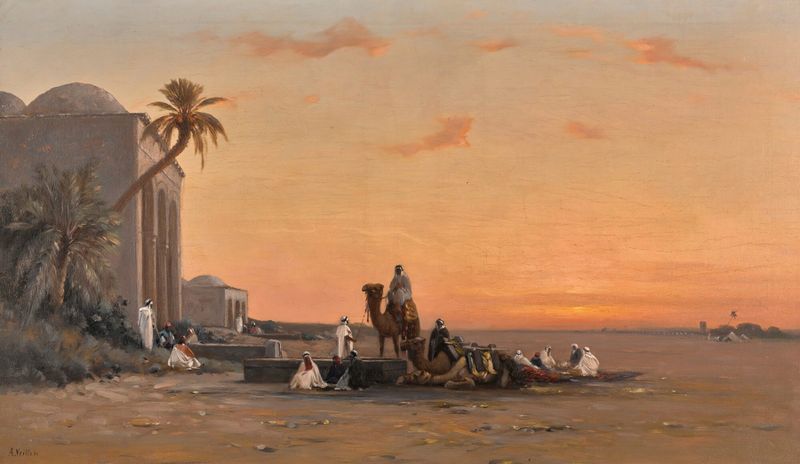
When did color learn to lie? In a world shaped by revolution, the hues that grace our eyes often tell stories of longing and deception. Look to the center of the canvas where the shimmering waters of the Grand Canal rise and fall, reflecting vibrant skies that oscillate between shades of azure and fiery orange. Notice how the buildings stand sentinel along the water's edge, their spires and arches rendered with an almost ethereal precision. The delicate brushwork breathes life into the scene, inviting the viewer to wander through the labyrinthine streets that stretch beyond the frame. Yet, beneath this picturesque veneer lies a more complex narrative.
The contrast between the tranquil waterways and the bustling activity of gondolas evokes a tension between serenity and chaos. The ethereal quality of the light, combined with the vivid colors, creates an almost dreamlike state, suggesting that this Venice is both a real place and a fantastical illusion. Each brushstroke is a whisper of the past, hinting at the stories carried by the waters – tales of love, loss, and revolution. The artwork was created during a period of great transformation, as Veillon navigated the shifting tides of art in the late 19th century.
While painting this view, he was likely influenced by the Impressionist movement, seeking to capture light and atmosphere over precise detail. His work reflected not only his personal evolution as an artist, but the broader cultural shifts occurring in Europe, where traditional norms were being challenged and reinvented.