
Waldlichtung mit grasenden Schafen — History & Facts
Can paint confess what words never could? In Waldlichtung mit grasenden Schafen, a serene pastoral scene unfolds, whispering legacies of nature and tranquility through soft brush strokes. Look to the foreground where a cluster of sheep grazes peacefully, their woolly forms contrasting gently against the vibrant greens of the meadow. The light filters through the trees, dappled and golden, inviting the viewer's eye to dance across the canvas. Notice how the artist’s meticulous attention to detail in the foliage provides depth, while the distant hills recede into a calming palette of blues and grays, creating a harmonious balance that feels both alive and timeless. Hidden within this idyllic landscape are emotional tensions between freedom and domestication, solitude and community.
The sheep, while part of a natural setting, also symbolize a tether to the human world, representing the delicate interplay between nature and nurture. The gentle ripples in the grass draw the viewer's gaze, evoking a sense of rhythm that mirrors the heartbeat of the earth itself—an invitation to reflect on our own relationship with the natural world. In 1905, Paul Wilhelm Keller-Reutlingen painted this work during a time when the art world was shifting towards Impressionism and a renewed appreciation for landscapes. Living in Germany, he was influenced by the burgeoning movement that celebrated the beauty of nature amidst the industrial changes of the era.
This painting stands as a testament to that legacy, encapsulating a moment of stillness and connection to the land that would resonate long after its creation.
More Artworks by Paul Wilhelm Keller-Reutlingen
Browse all →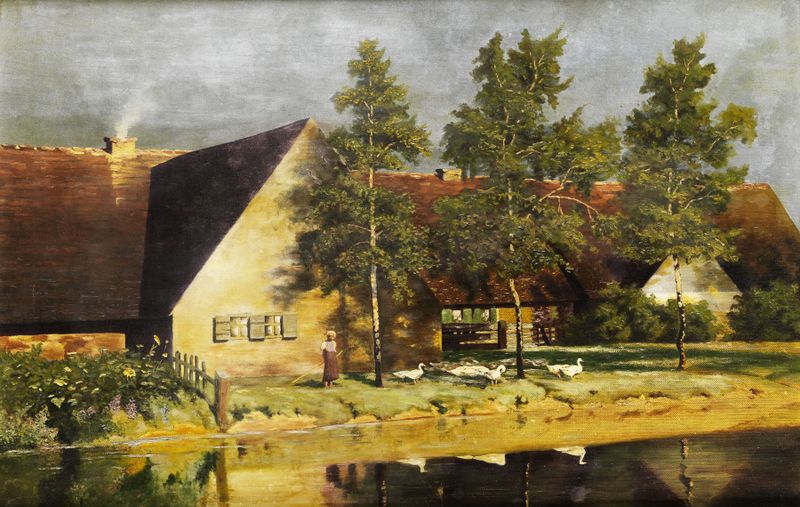
Gänsehirtin am Ufer
Paul Wilhelm Keller-Reutlingen
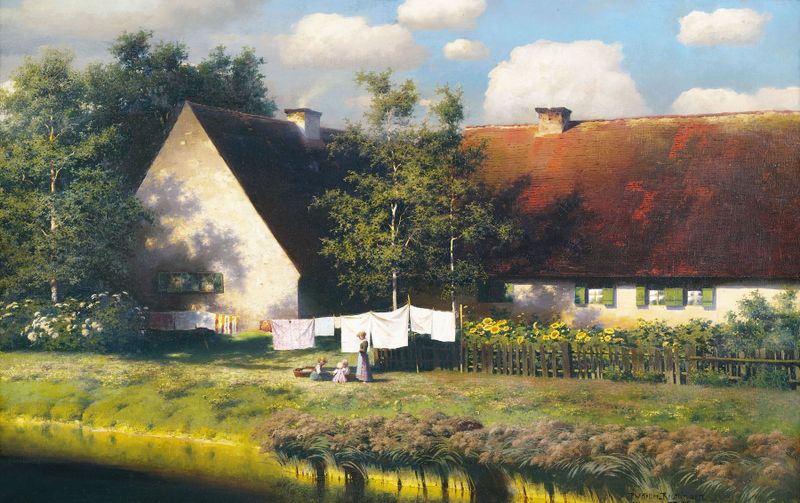
Sommeridyll am Bauernhof
Paul Wilhelm Keller-Reutlingen
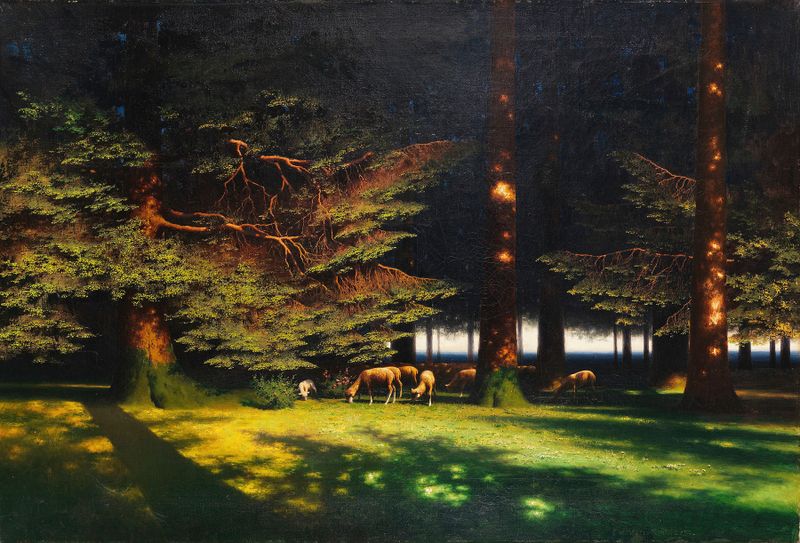
Grasende Schafe auf der Waldlichtung
Paul Wilhelm Keller-Reutlingen

Flusslauf mit Kapelle von Fürstenfeldbruck
Paul Wilhelm Keller-Reutlingen
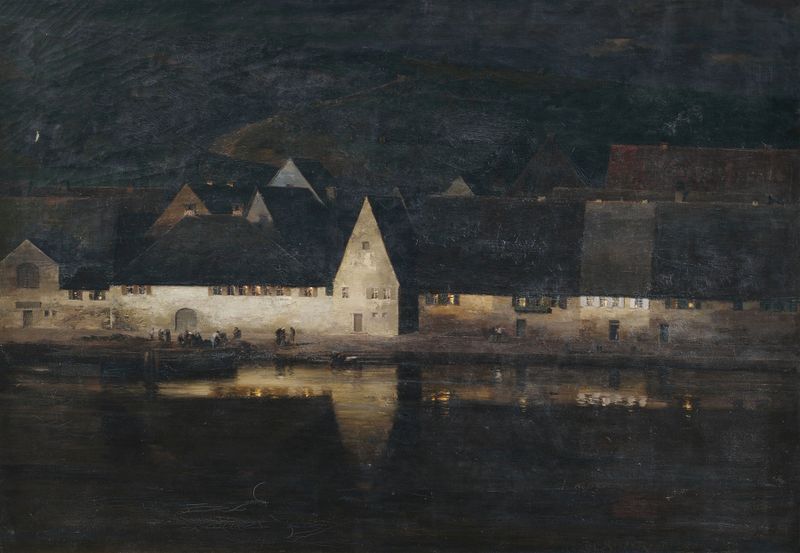
Abenddämmerung (Marktbreit am Main)
Paul Wilhelm Keller-Reutlingen

Die kleine Gänsehirtin
Paul Wilhelm Keller-Reutlingen
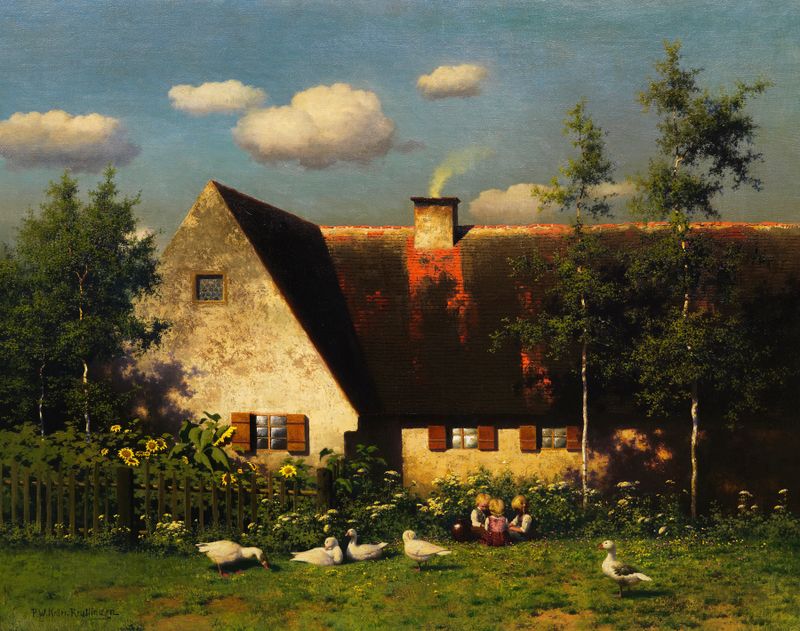
Spielende Kinder und Gänse vor dem Bauernhof
Paul Wilhelm Keller-Reutlingen
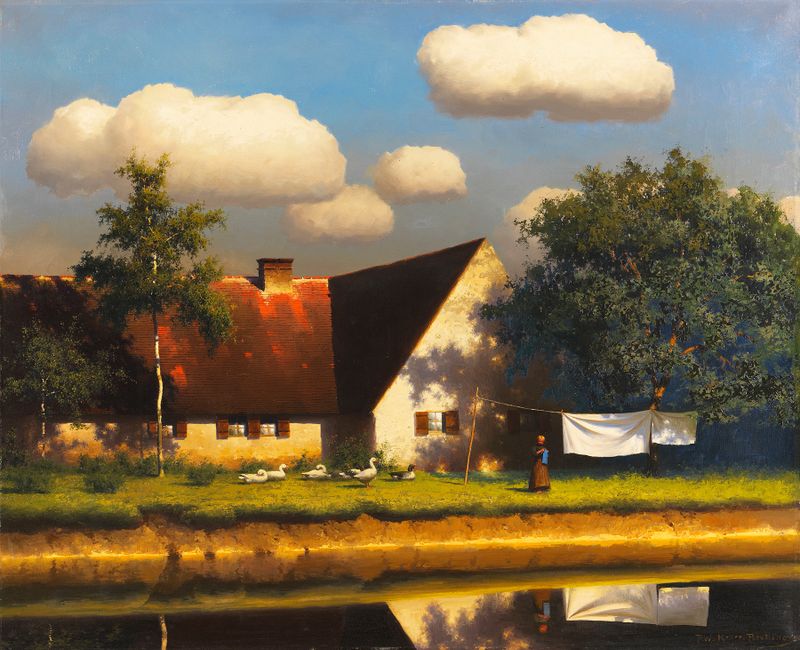
Strickende Gänseliesel hinterm Bauernhaus
Paul Wilhelm Keller-Reutlingen
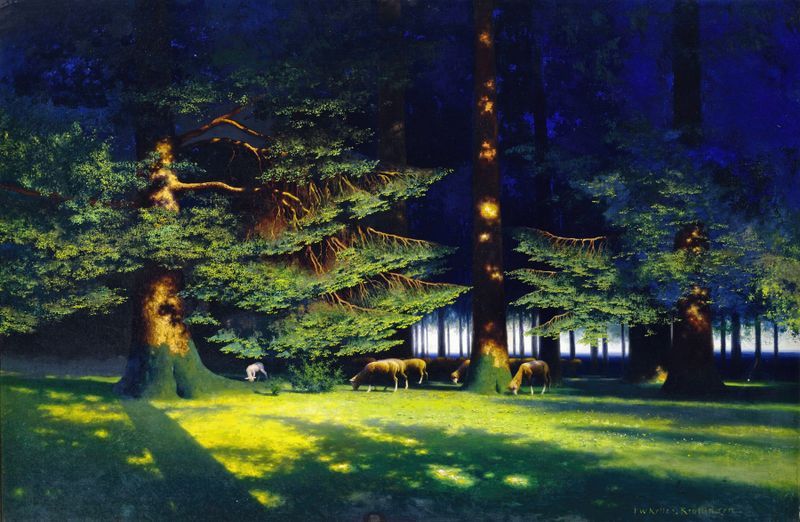
Waldinneres mit grasender Schafherde
Paul Wilhelm Keller-Reutlingen

Gehöft unter Wolken im Spätsommerlicht
Paul Wilhelm Keller-Reutlingen





