
Waldweg — History & Facts
Beneath a canopy of solitude, a path stretches toward an unseen horizon, inviting contemplation. The emptiness resonates, echoing the unvoiced thoughts and the stillness of the surrounding landscape — a poignant reminder of the spaces we often overlook. Focus on the gentle arch of the winding path, which draws your gaze toward the distance. Notice how the earthy palette of greens and browns creates a sense of harmony, while shadows lurk, hinting at unseen depths.
The brushstrokes are both deliberate and fluid, embodying a contrast between chaos and calm, suggesting a journey through both the physical world and the inner self. At the heart of this artwork lies an exploration of isolation and introspection. The absence of figures emphasizes a profound solitude, evoking feelings of both tranquility and melancholy. Each stroke is a reflection of emotional tension, as the path appears both inviting and daunting, symbolizing life's many choices and the inherent loneliness that accompanies them. In 1917, Giovanni Giacometti painted this piece during a tumultuous time in Europe, marked by the aftermath of World War I.
Living in Switzerland, he was increasingly influenced by the ideas of modernism and the emotional depth of expressionism. This period of personal and societal upheaval shaped his exploration of themes like emptiness and introspection, which resonate deeply within Waldweg.
More Artworks by Giovanni Giacometti
Browse all →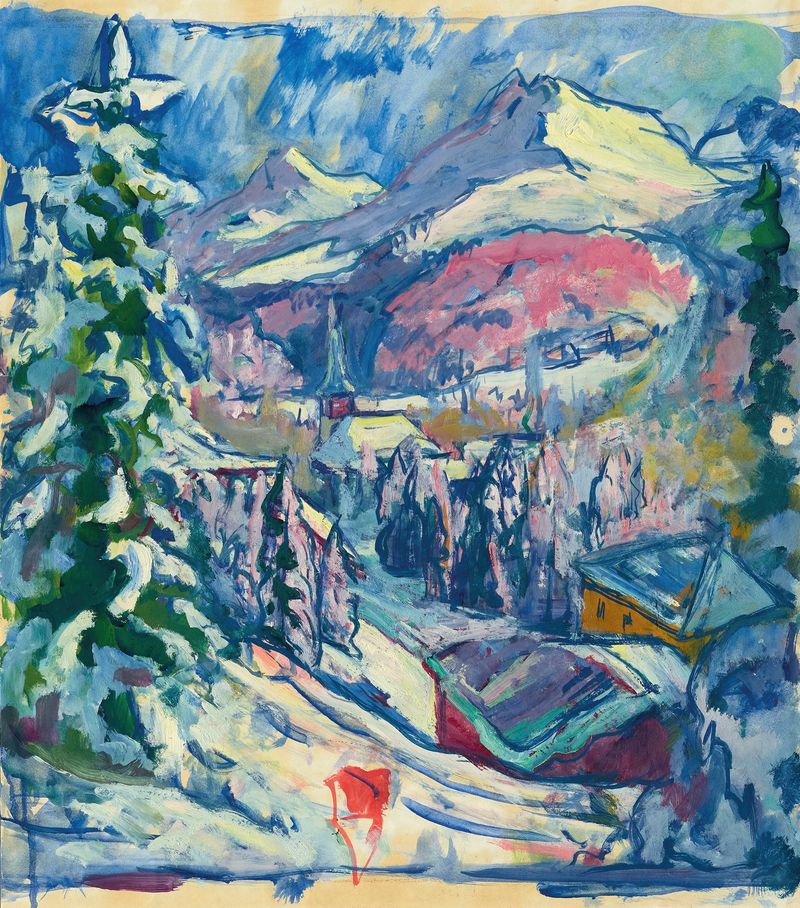
Davos im Winter
Giovanni Giacometti
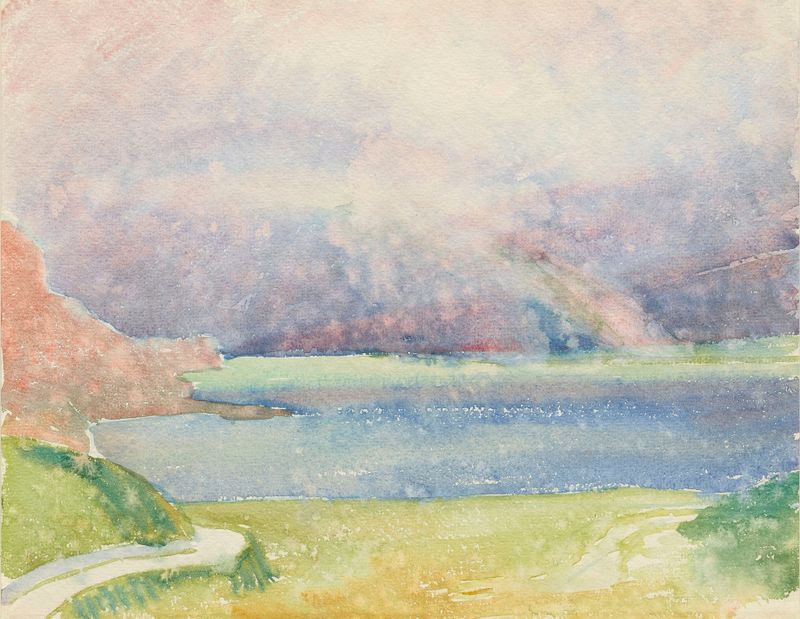
Blick von Maloja auf den Silsersee mit Regenbogen
Giovanni Giacometti
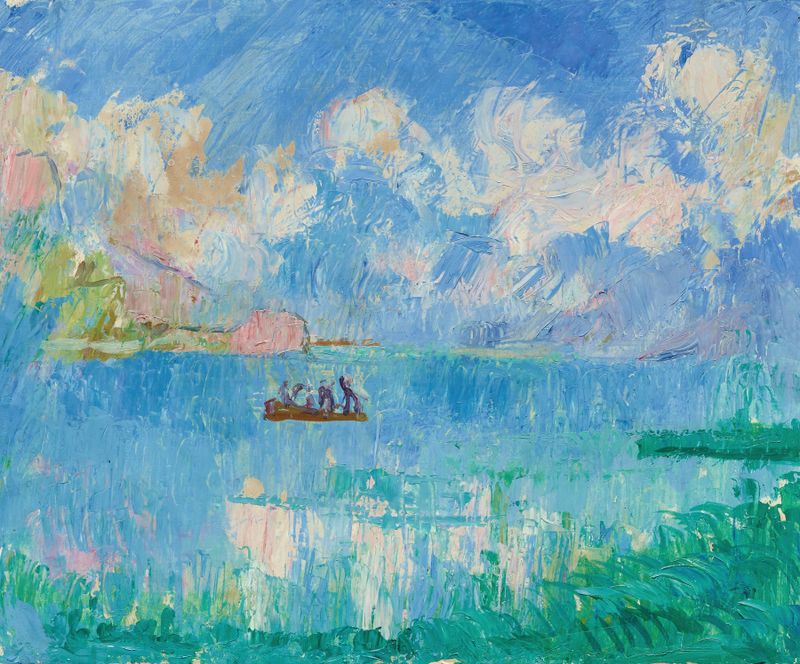
i Pescatori
Giovanni Giacometti
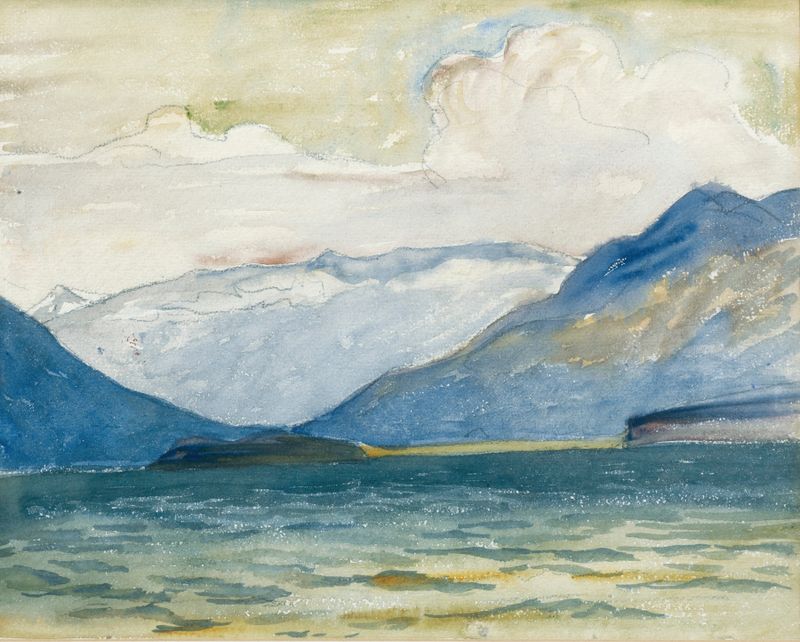
View From Plaun Da Lej Towards Chasté Peninsula
Giovanni Giacometti
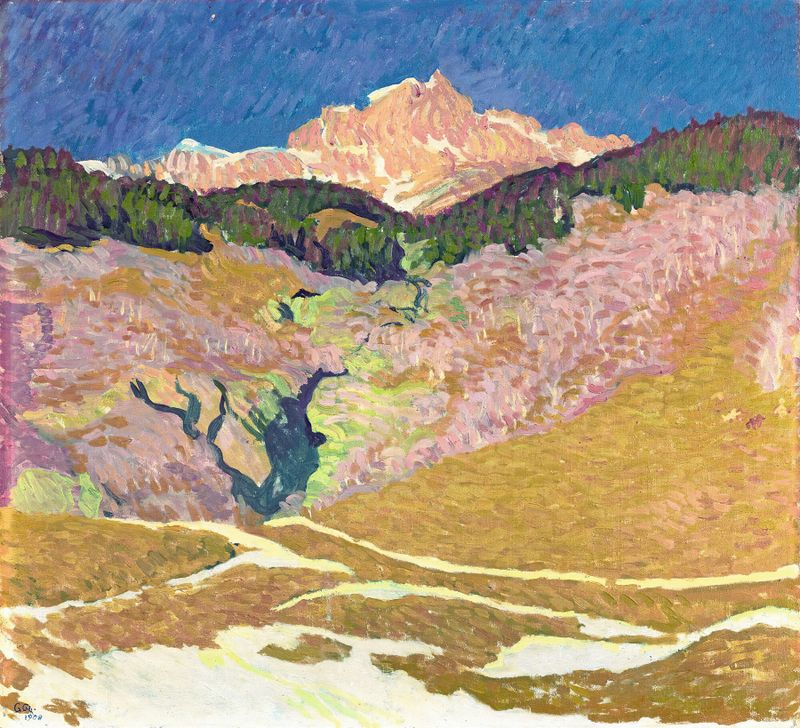
Piz Duan
Giovanni Giacometti
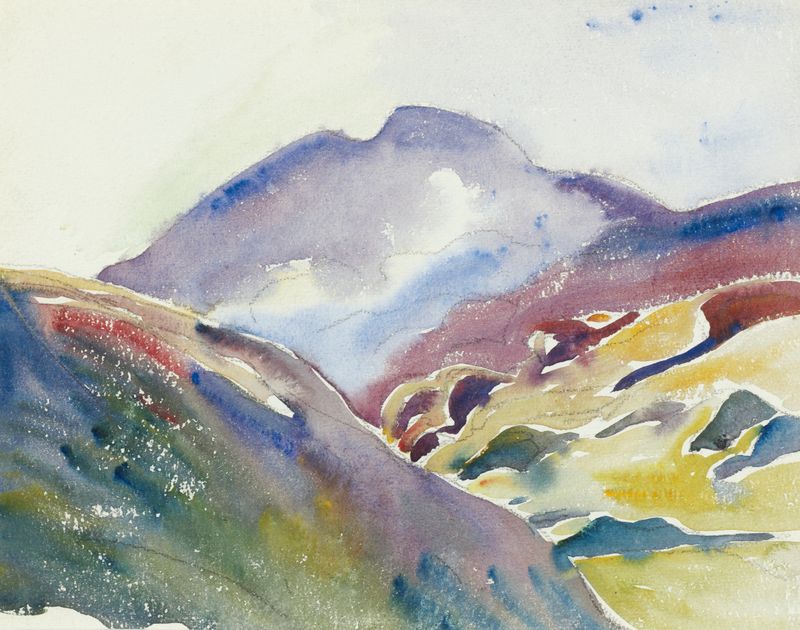
Alpine Landscape
Giovanni Giacometti
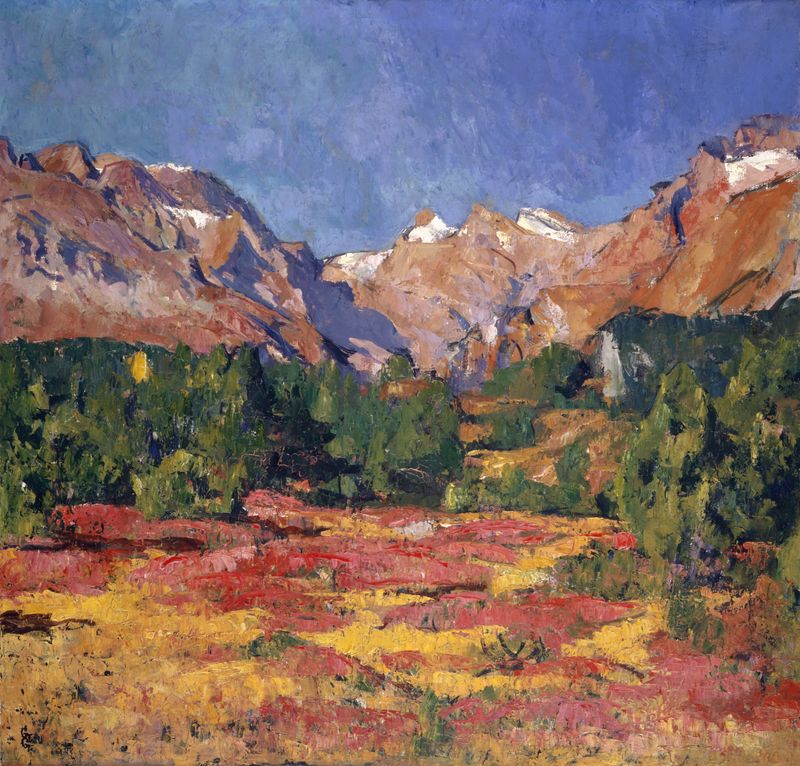
Autumn Landscape (Maroz Valley With Piz Duan And Gletscherhorn)
Giovanni Giacometti
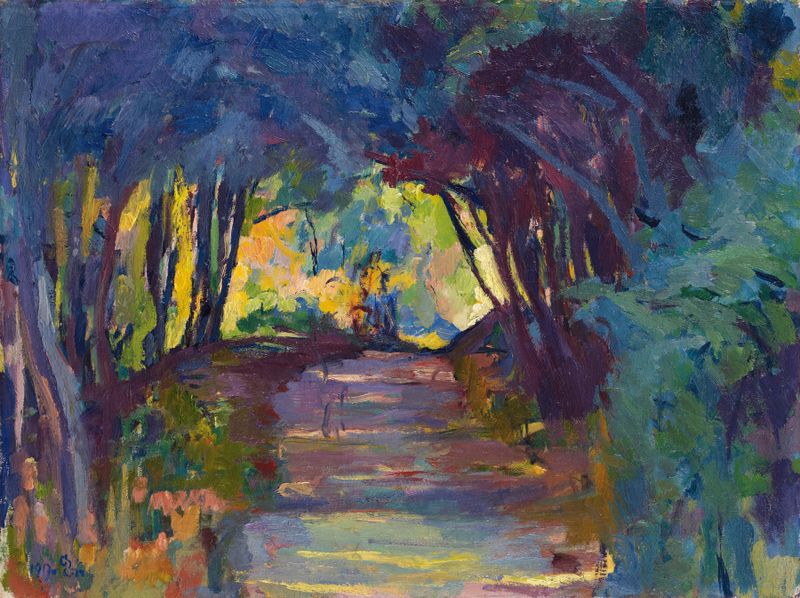
Forest Track
Giovanni Giacometti
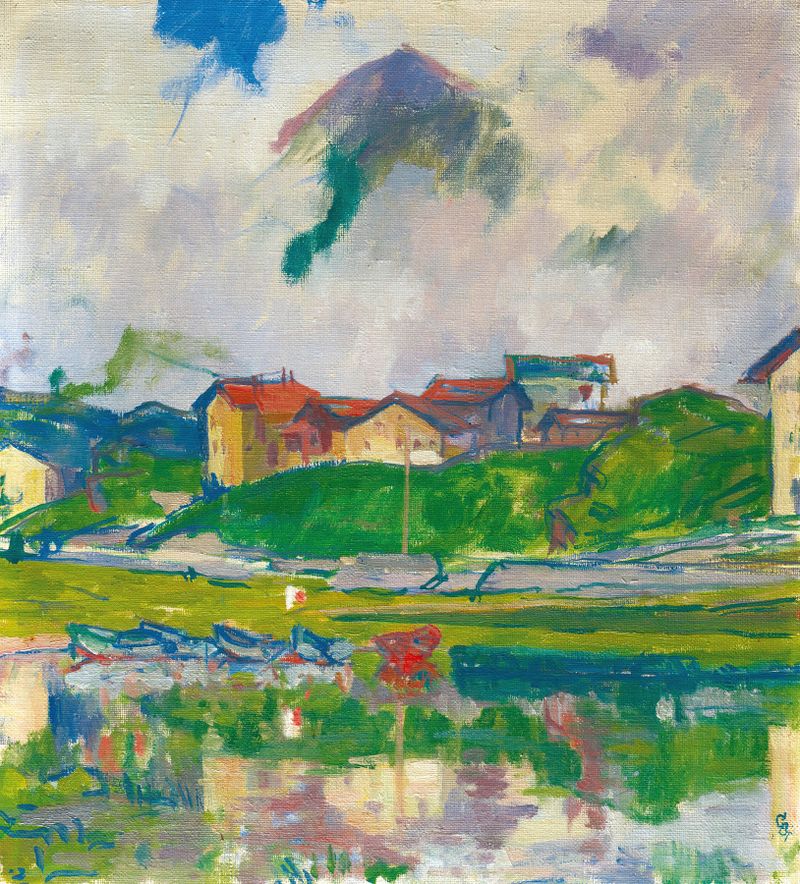
Maloja
Giovanni Giacometti
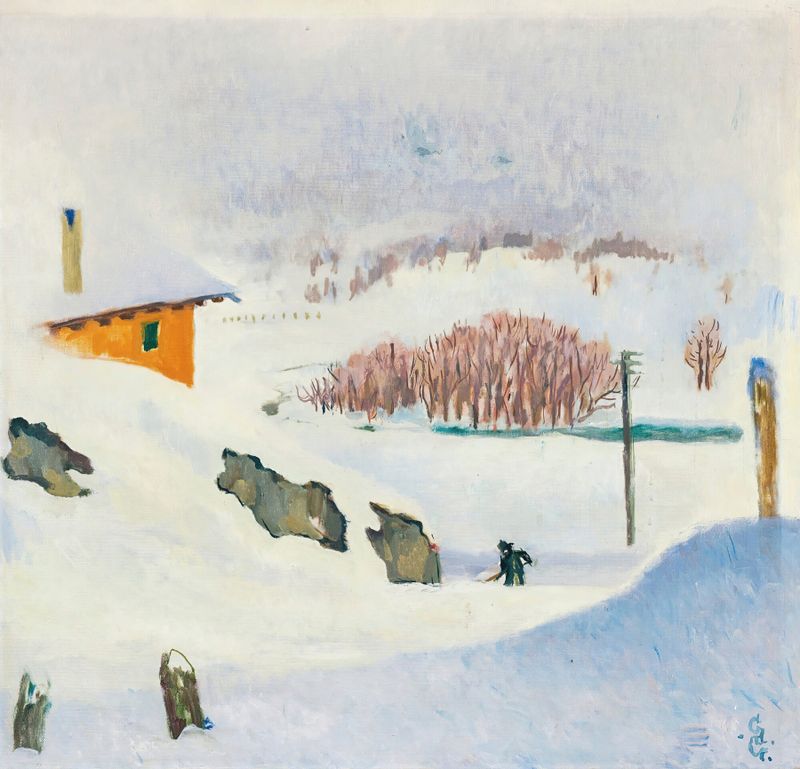
Inverno
Giovanni Giacometti





