
Walki uliczne na Placu Zamkowym w Warszawie 8 kwietnia 1861 roku — History & Facts
In the heart of Warsaw, where sorrow meets history, the air is thick with a longing for freedom, echoing through the streets. The swirl of vibrant life, captured in an instant, holds an eternal truth of resilience and nostalgia for a world grappling with change. Focus first on the center of the canvas, where figures emerge with fierce expressions, their bodies in dynamic poses that suggest movement and urgency. The artist employs a rich palette of earth tones, punctuated by bursts of red, evoking both the vibrancy of the crowd and an underlying tension.
Notice how the light dances across the scene, illuminating faces filled with determination, while shadows cling to their backs, hinting at the weight of their struggles. Every brushstroke seems to pulse with life, drawing you deeper into the collective spirit of the moment. The emotional depth of the work lies in the contrasts created by the artist. The juxtaposition of serenity and unrest is palpable; while some figures appear to rally with fervor, others are caught in quiet contemplation, revealing the duality of response amidst chaos.
The cobblestones beneath them, meticulously rendered, symbolize the foundation of a city and its history, suggesting that hope and despair intertwine in the same breath. This interplay ignites a powerful nostalgia, as viewers are reminded of the timeless human pursuit of freedom and identity. Adrian Głębocki painted this piece during a tumultuous time in Poland’s history, shortly before the outbreak of the January Uprising, when national aspirations were fervently stoked amid foreign oppression. In 1861, Głębocki, having established himself in Warsaw as an accomplished artist, reflected not just the political climate but also the emotional landscape of his compatriots.
This work serves as a historical document, capturing a moment when a city’s spirit was on the verge of transformation.
More Artworks by Adrian Głębocki
Browse all →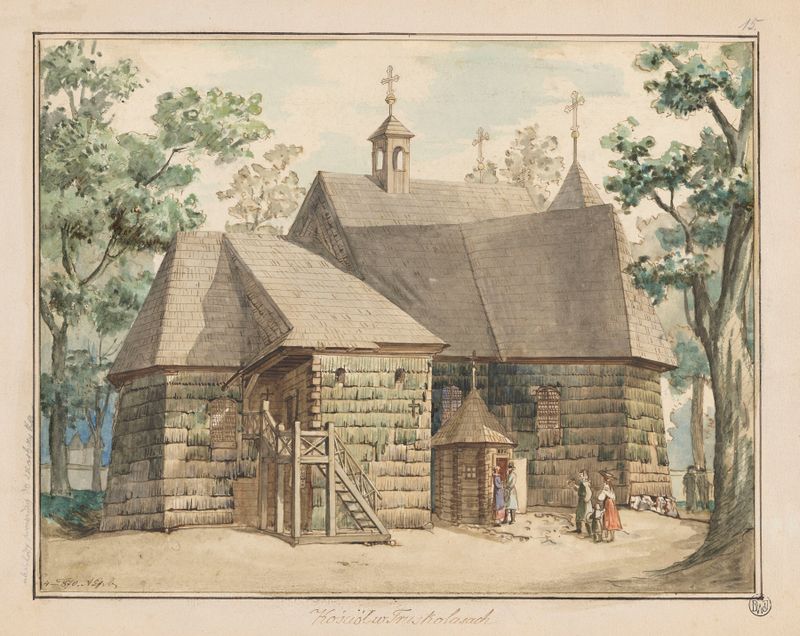
Church in Truskolasy [Exterior View of the Church of St Nicholas]
Adrian Głębocki
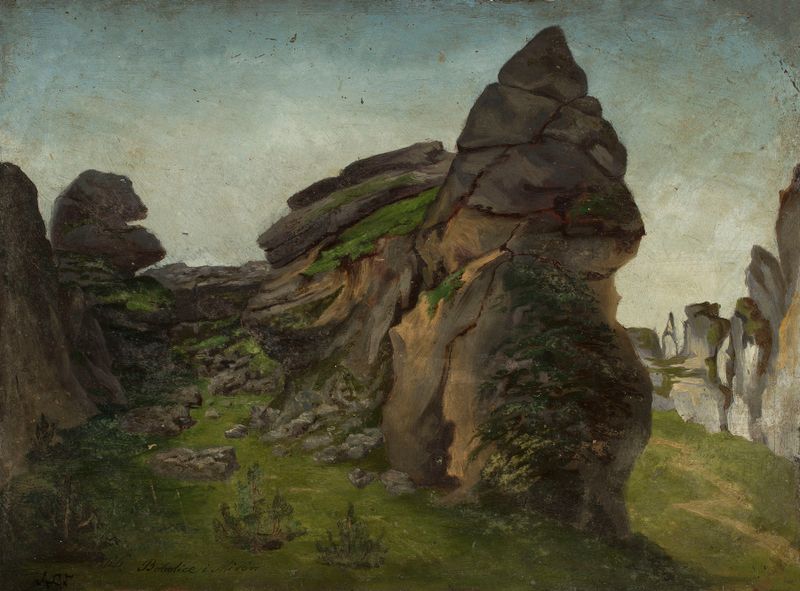
Landscape – Bobolice and Mirów
Adrian Głębocki
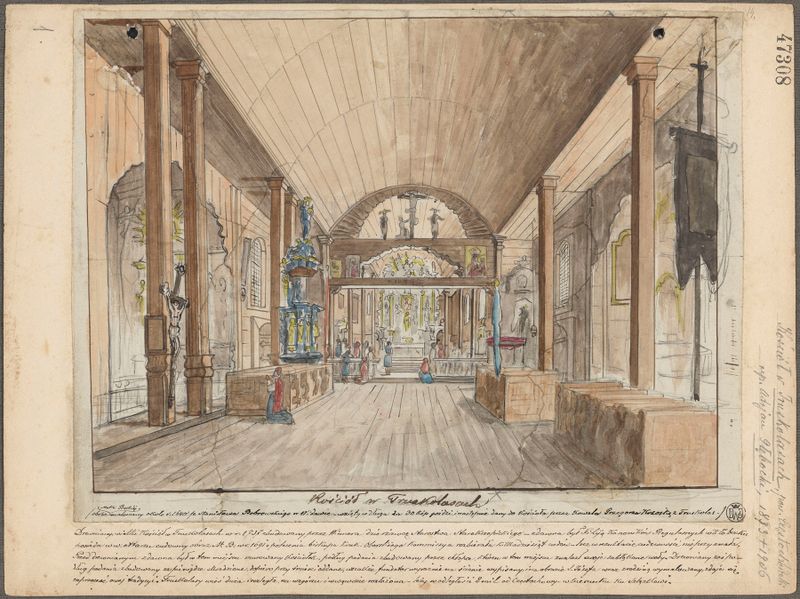
Church in Truskolasy [Interior of the Church of St Nicholas]
Adrian Głębocki
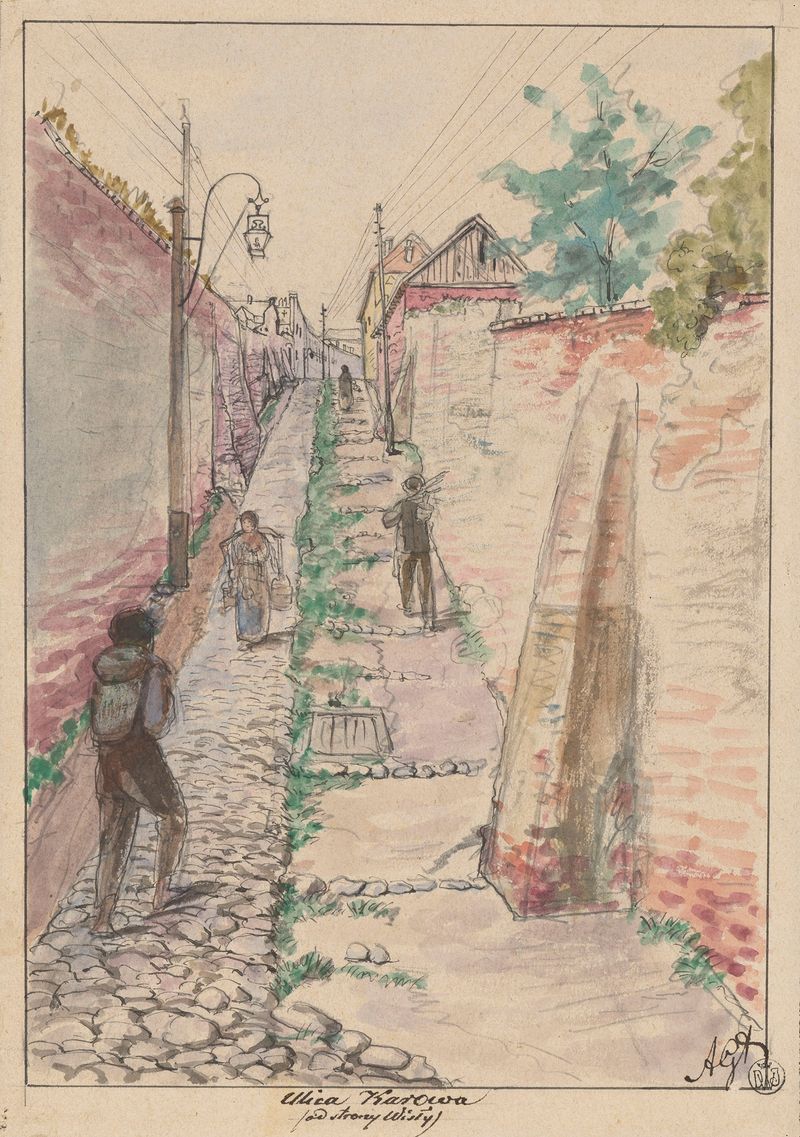
Karowa Street
Adrian Głębocki
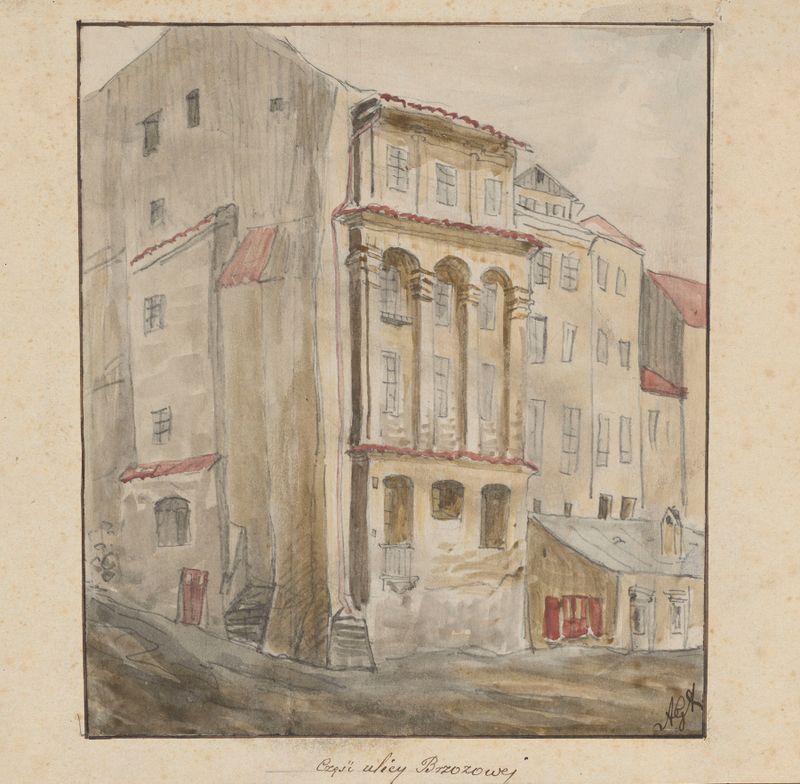
Part of Brzozowa Street
Adrian Głębocki
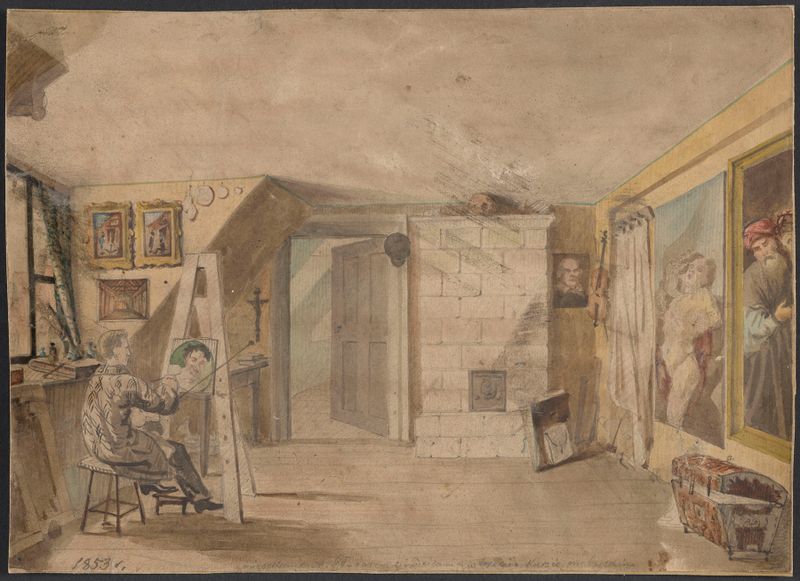
Artist in His Studio
Adrian Głębocki
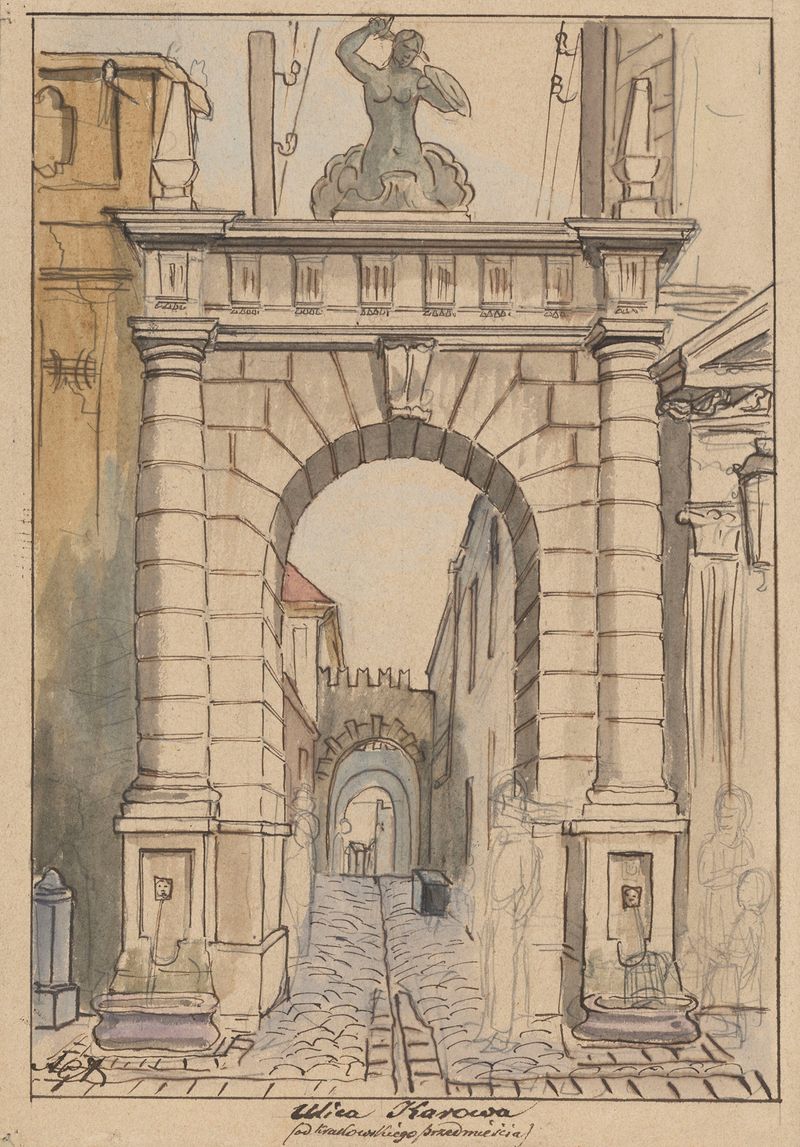
Karowa Street
Adrian Głębocki
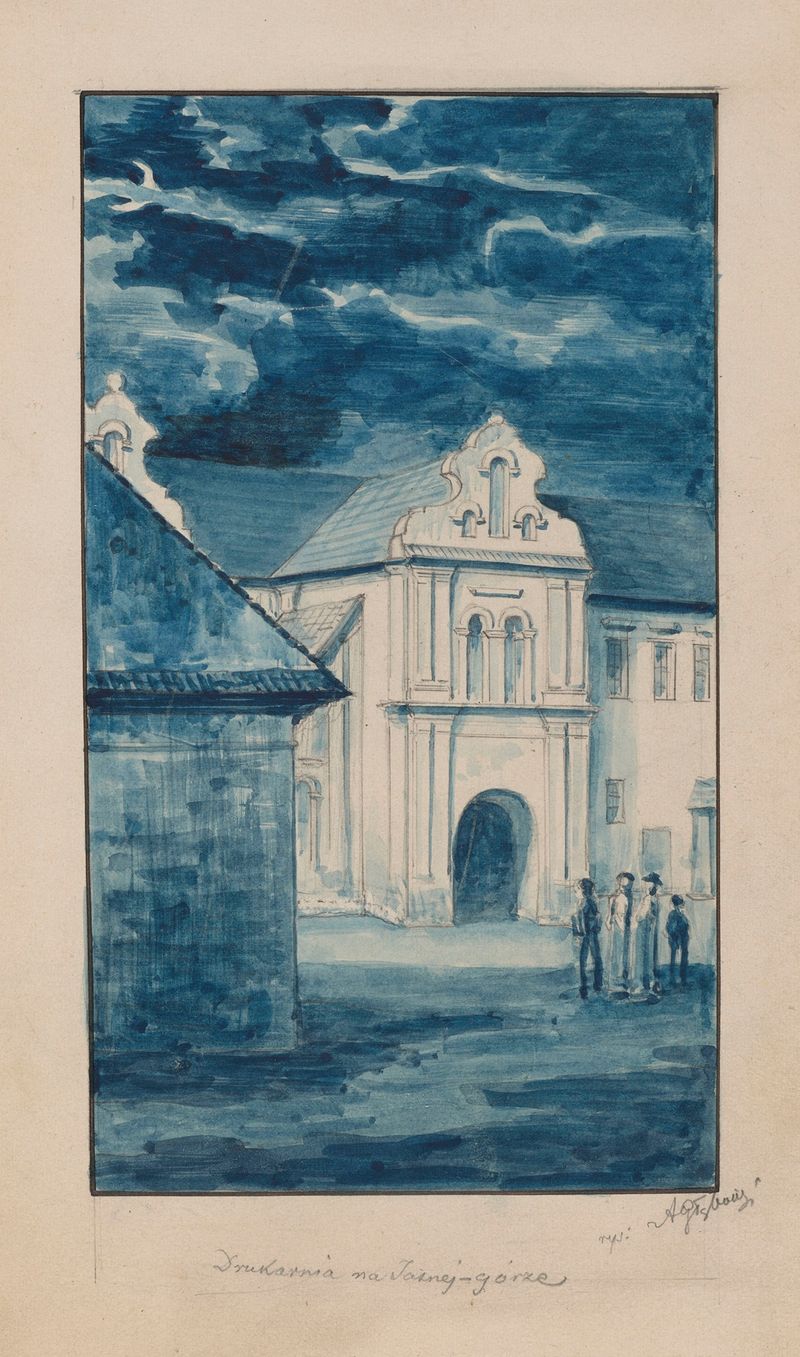
Printing House at Jasna Góra
Adrian Głębocki
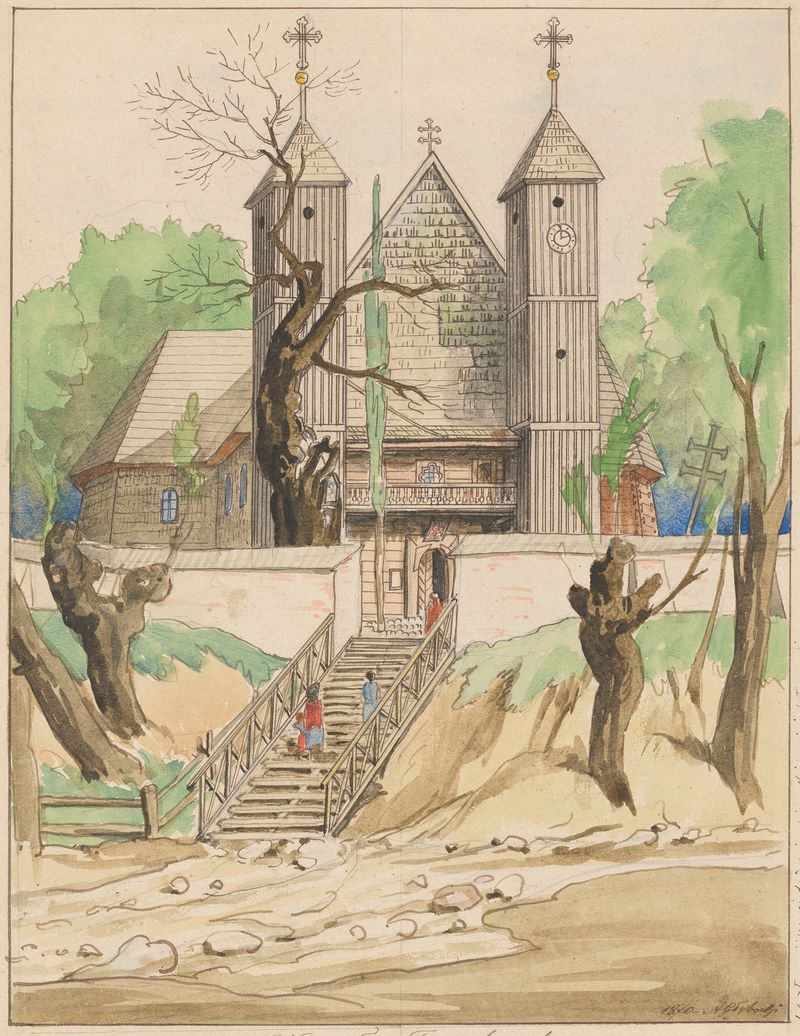
Church in Truskolasy [Exterior View of the Church of St Nicholas]
Adrian Głębocki
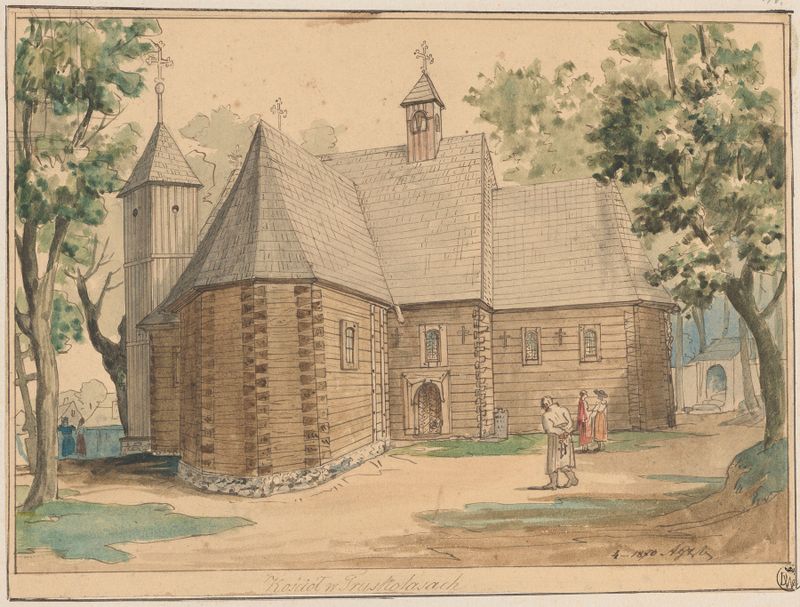
Church in Truskolasy [Exterior View of the Church of St Nicholas]
Adrian Głębocki
More Historical Art
Browse all →
The Night Watch Militia Company of District II under the Command of Captain Frans Banninck Cocq
Rembrandt van Rijn
Lincoln Memorial
Henry Bacon
The Third of May 1808
Francisco de Goya

Isaac and Rebecca, Known as ‘The Jewish Bride’
Rembrandt van Rijn
The Charge of the Mamelukes (1814)
Francisco de Goya

De vier ruiters van de apocalyps
Albrecht Dürer