
Church in Truskolasy [Interior of the Church of St Nicholas] — History & Facts
Who listens when art speaks of silence? In Church in Truskolasy, the stillness invites us to uncover layers of revelation hidden within a sacred space. Look to the left at the intricate wooden altar, where light streams through stained glass, casting vibrant colors across the otherwise muted tones of the interior. Notice the beams of sunlight filtering through, illuminating the dust motes that hang in the air, a testament to the passage of time within this hallowed ground. The artist’s meticulous attention to detail breathes life into the silence, revealing textures in the stone walls and the warmth of the pews, creating an atmosphere both reflective and reverent. Beneath the surface, the contrast between light and shadow speaks volumes.
Each soft glow hints at divine presence, while the dim corners remind us of the unseen struggles of faith. There is a tension between the ornate decoration and the simplicity of the wooden benches, suggesting a dialogue between the earthly and the spiritual. This duality invites contemplation, urging viewers to reflect on their personal connection to the sacred, as well as the universal search for meaning in silence. Adrian Głębocki painted this work in 1870, during a period marked by a growing interest in spirituality and tradition within art.
Situated in Poland, Głębocki was influenced by the Romantic movement, which emphasized emotional depth and an appreciation for the beauty of the natural and human-made world. Amidst the broader context of European art, his focus on sacred spaces reflects a longing for connection and understanding in a rapidly modernizing society.
More Artworks by Adrian Głębocki
Browse all →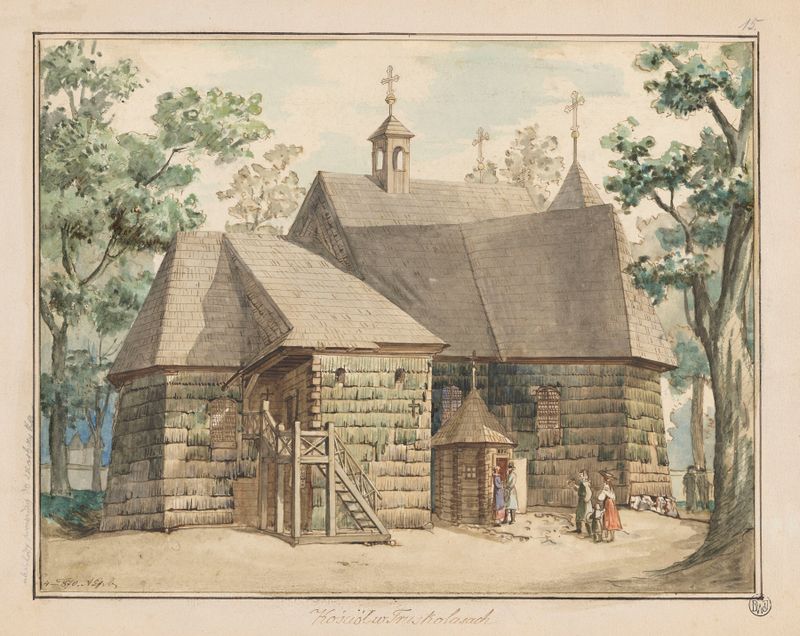
Church in Truskolasy [Exterior View of the Church of St Nicholas]
Adrian Głębocki
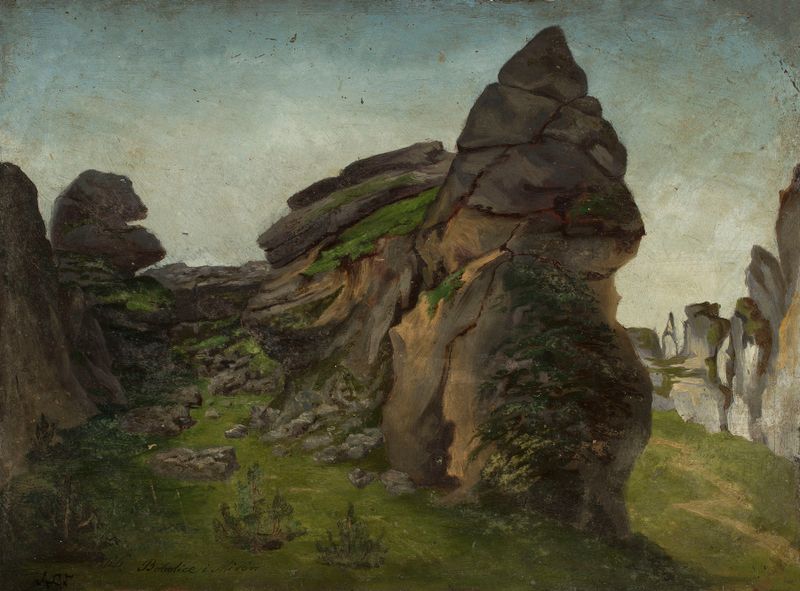
Landscape – Bobolice and Mirów
Adrian Głębocki
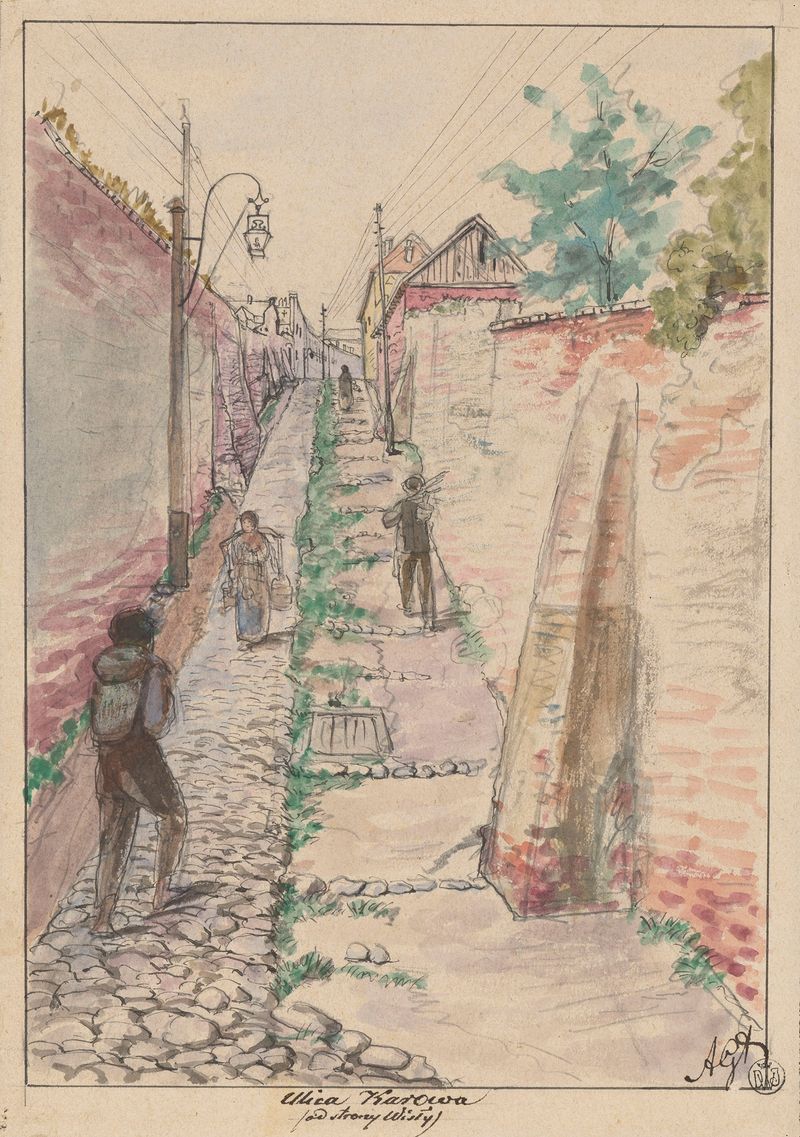
Karowa Street
Adrian Głębocki
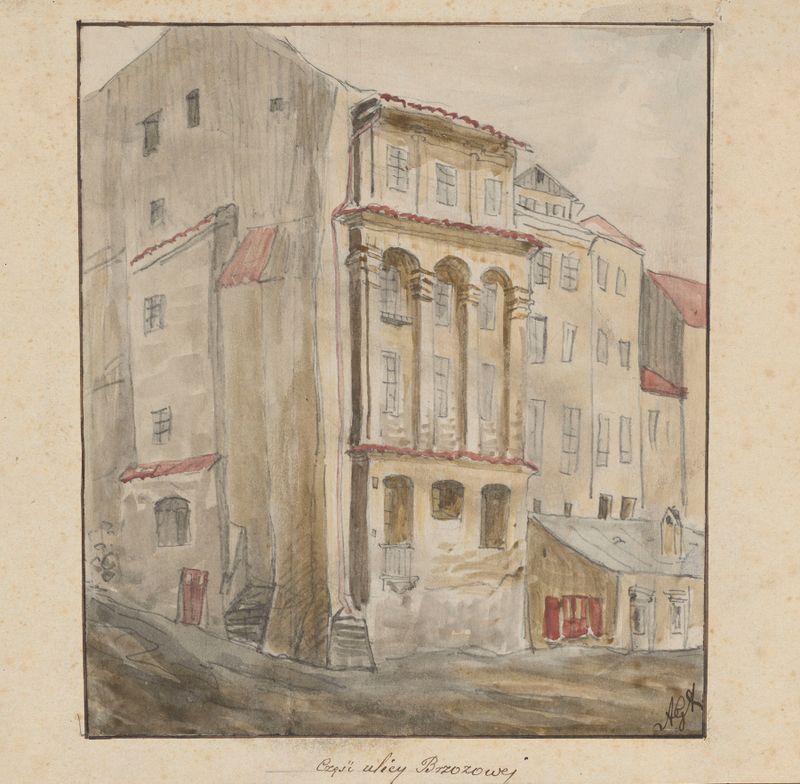
Part of Brzozowa Street
Adrian Głębocki
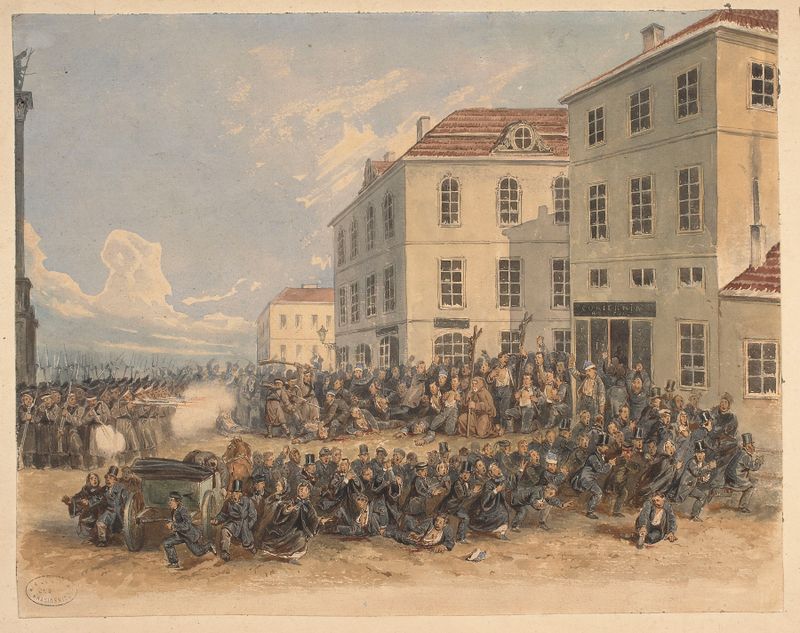
Walki uliczne na Placu Zamkowym w Warszawie 8 kwietnia 1861 roku
Adrian Głębocki
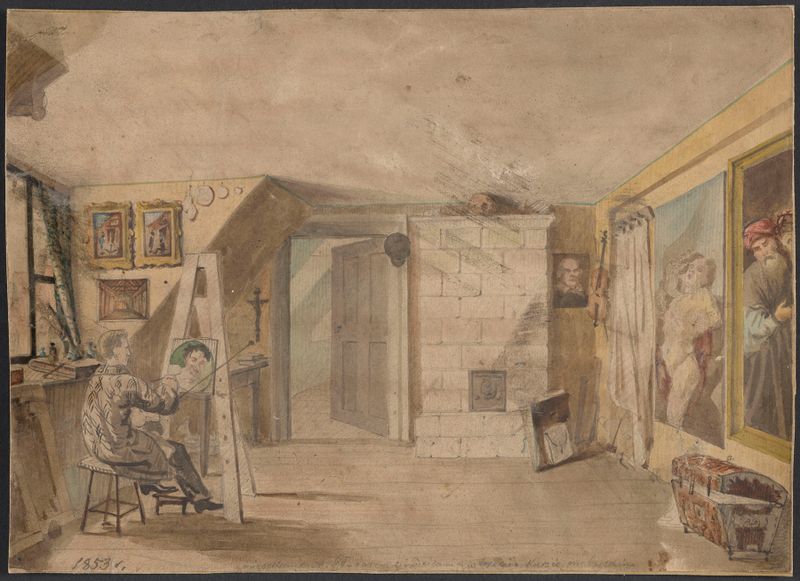
Artist in His Studio
Adrian Głębocki
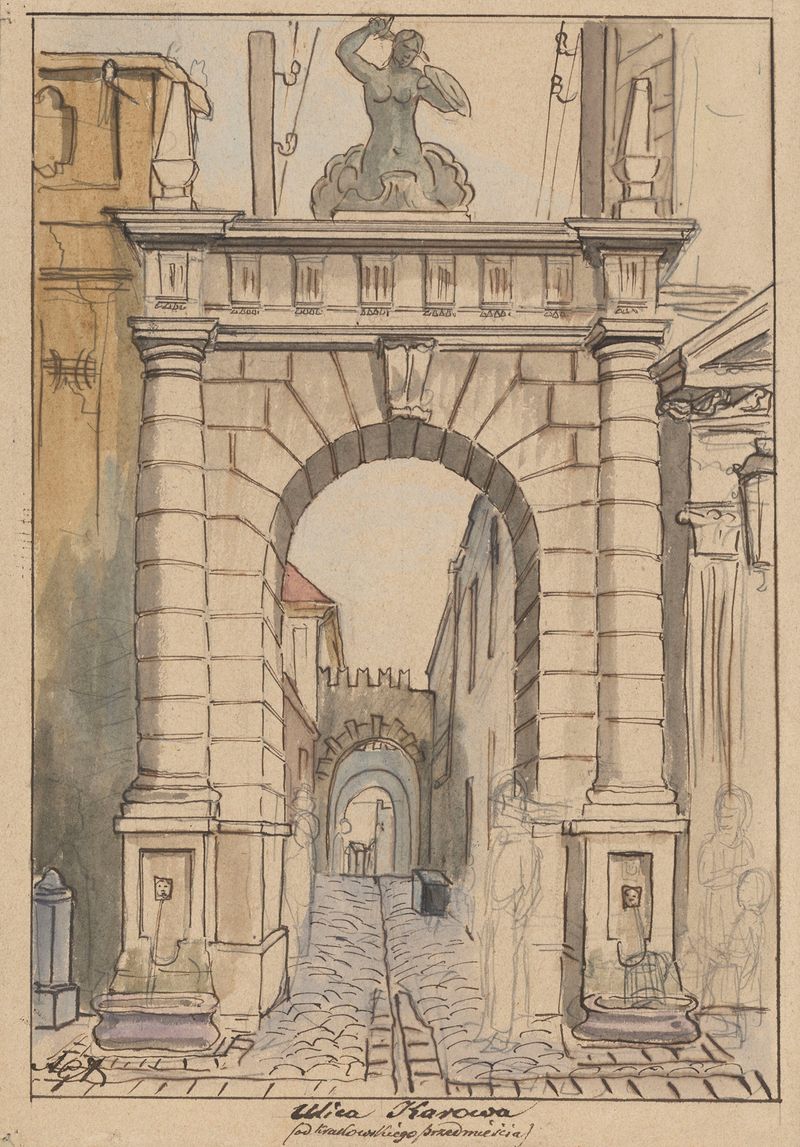
Karowa Street
Adrian Głębocki
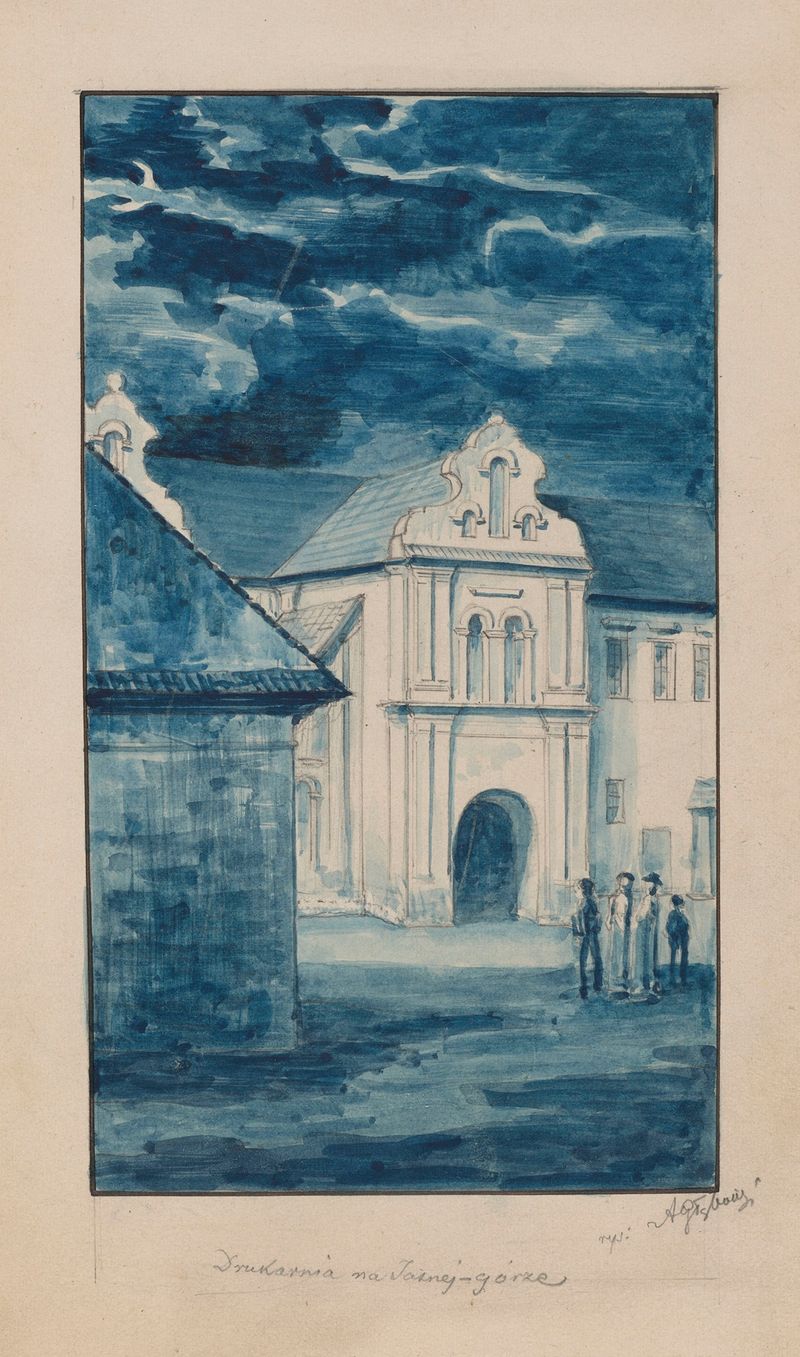
Printing House at Jasna Góra
Adrian Głębocki
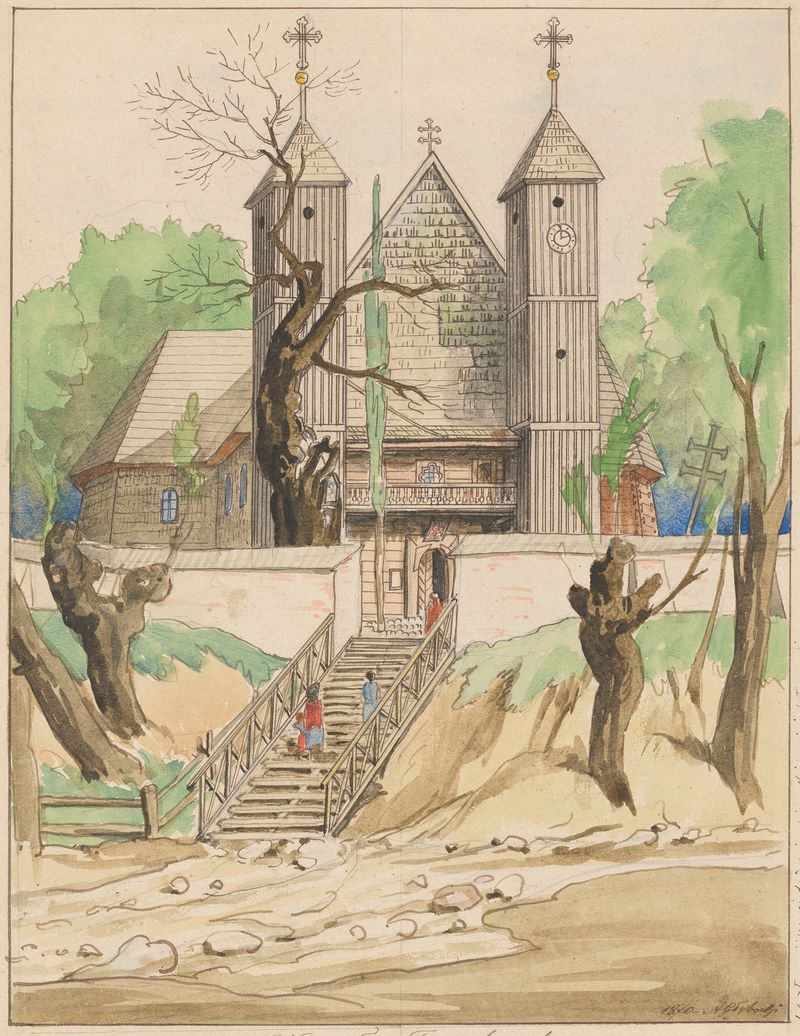
Church in Truskolasy [Exterior View of the Church of St Nicholas]
Adrian Głębocki
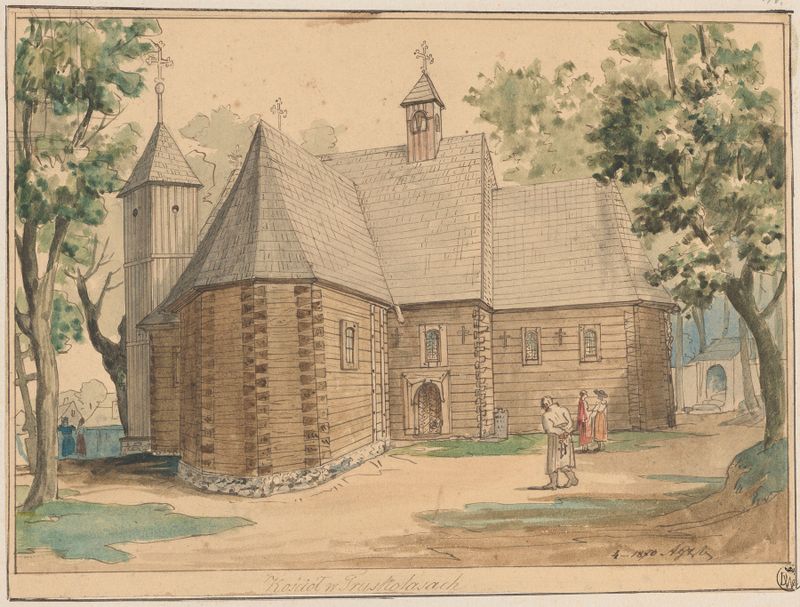
Church in Truskolasy [Exterior View of the Church of St Nicholas]
Adrian Głębocki





