
Artist's self-portrait with children — History & Facts
What first catches the eye in Artist's self-portrait with children is not the artist’s steady gaze, but the gentle, almost conspiratorial intimacy of the scene. Adrian Głębocki, seated in a richly patterned robe, turns from his work to engage his children in a quiet act of creativity—cutting colored paper into shapes. The children, caught in a moment of rapt attention, lean into the table, their faces lit with curiosity and trust.
The light falls softly across their faces, guiding the viewer’s attention from the artist’s hands to the eager expressions of his young companions. Behind them, a large canvas filled with sketched figures hints at the world of imagination and labor that surrounds their domestic moment, blurring the boundary between the artist’s professional and personal life. Painted in 1870, this work belongs to a period when artists across Europe were increasingly drawn to scenes of everyday intimacy, often using family members as models to explore the interplay between public identity and private affection. In the Poland of Głębocki’s day, such portraits were rare windows onto the artist’s home life, at a time when national identity and personal legacy were deeply intertwined.
Now housed in the National Museum in Warsaw, this painting stands as both a record of a vanished domestic world and a testament to the enduring power of small, shared acts of creation. The viewer is left to wonder what stories those paper cuttings might have inspired—and to look again at the unfinished figures on the easel, searching for echoes of the artist’s children in their outlines.
More Artworks by Adrian Głębocki

Church in Truskolasy [Exterior View of the Church of St Nicholas]
Adrian Głębocki
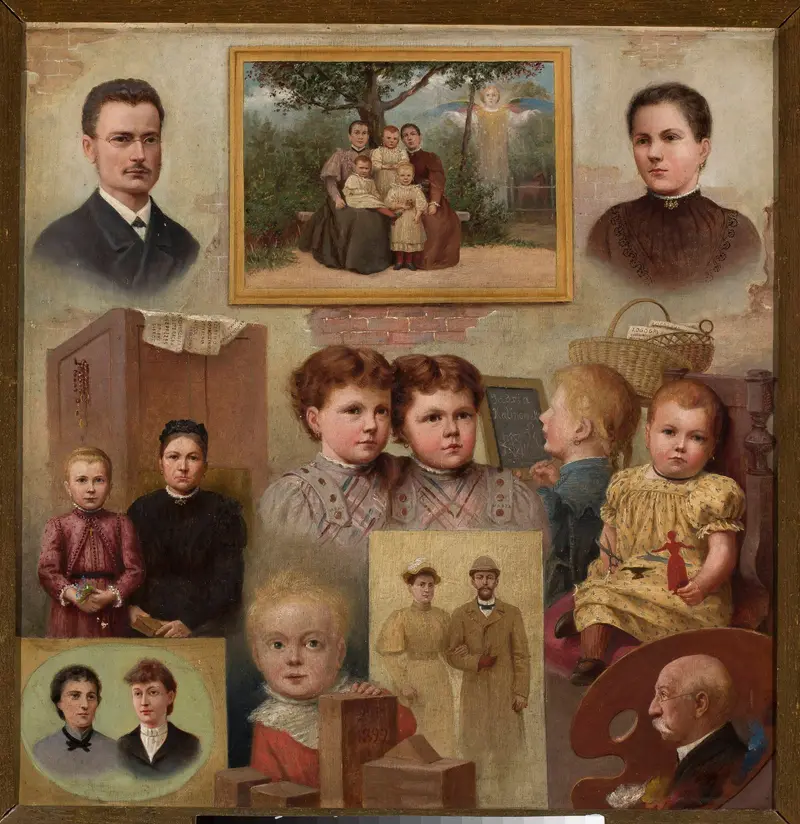
Collective portrait of the Kalinowski family with the painter's self-portrait
Adrian Głębocki
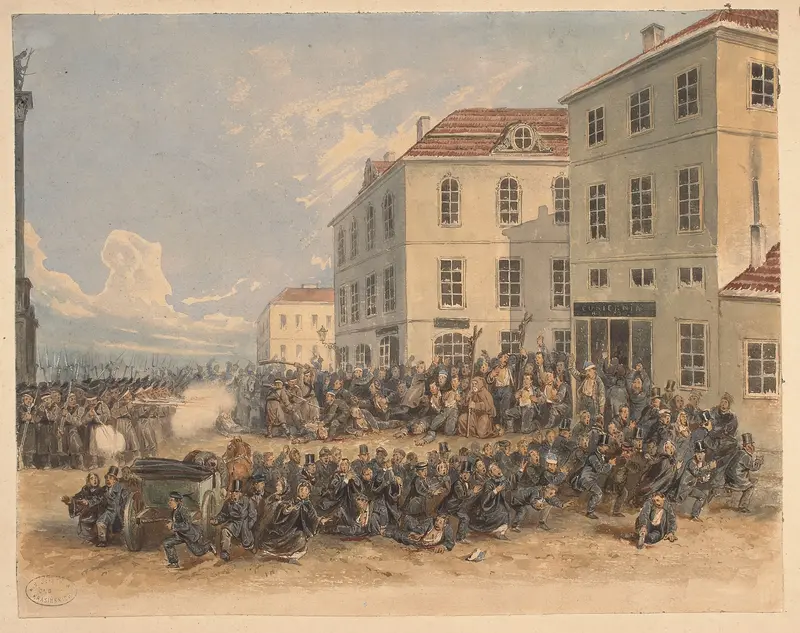
Walki uliczne na Placu Zamkowym w Warszawie 8 kwietnia 1861 roku
Adrian Głębocki
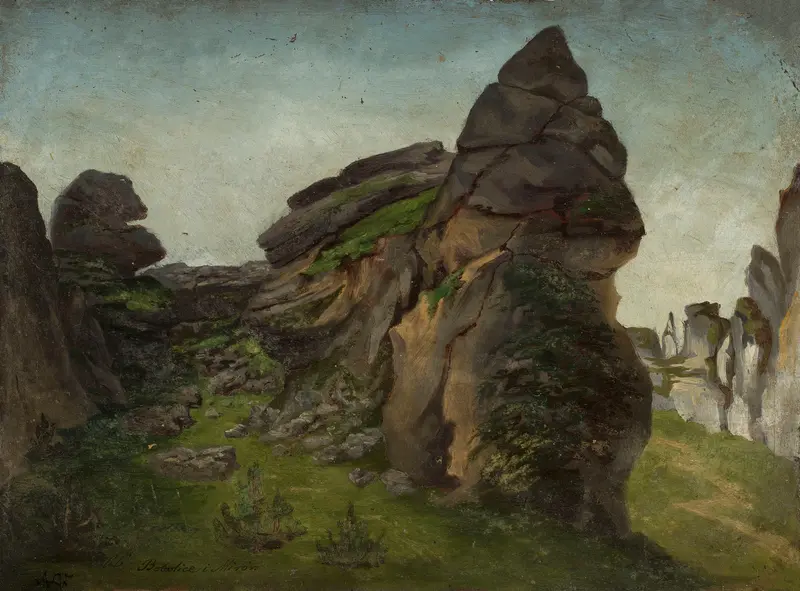
Landscape – Bobolice and Mirów
Adrian Głębocki
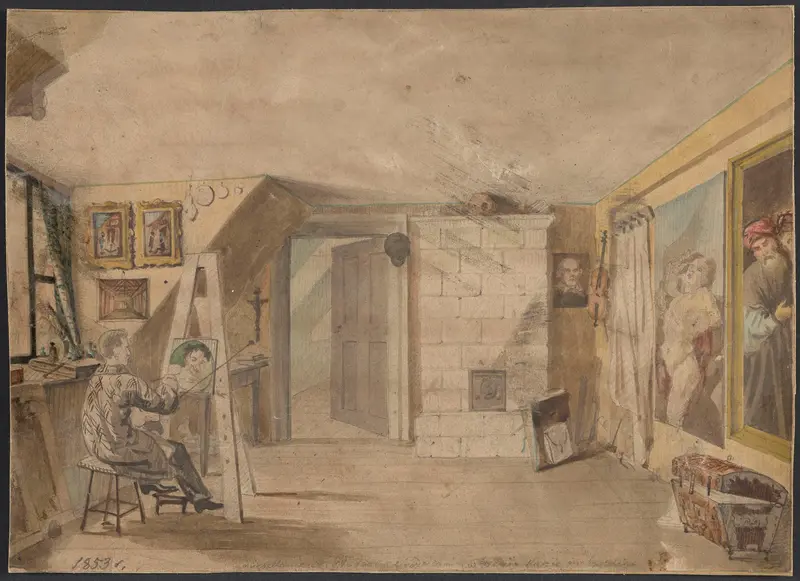
Artist in His Studio
Adrian Głębocki
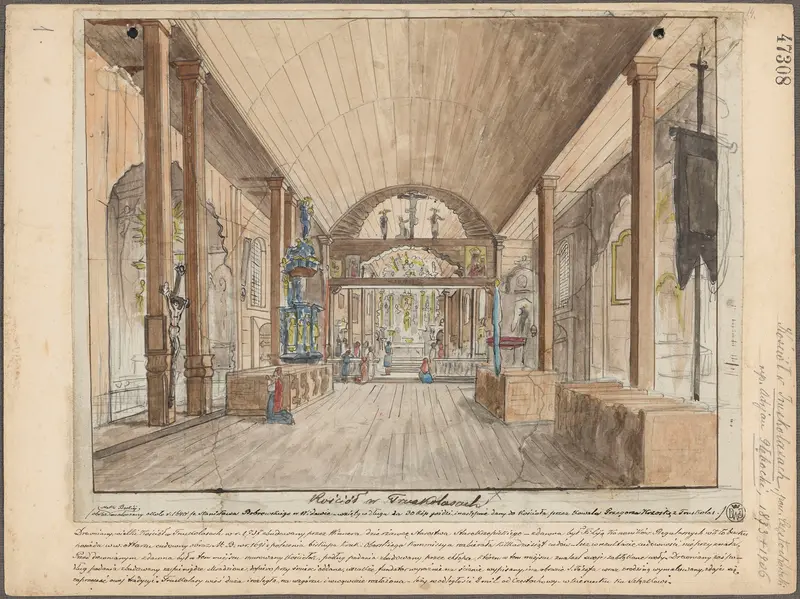
Church in Truskolasy [Interior of the Church of St Nicholas]
Adrian Głębocki
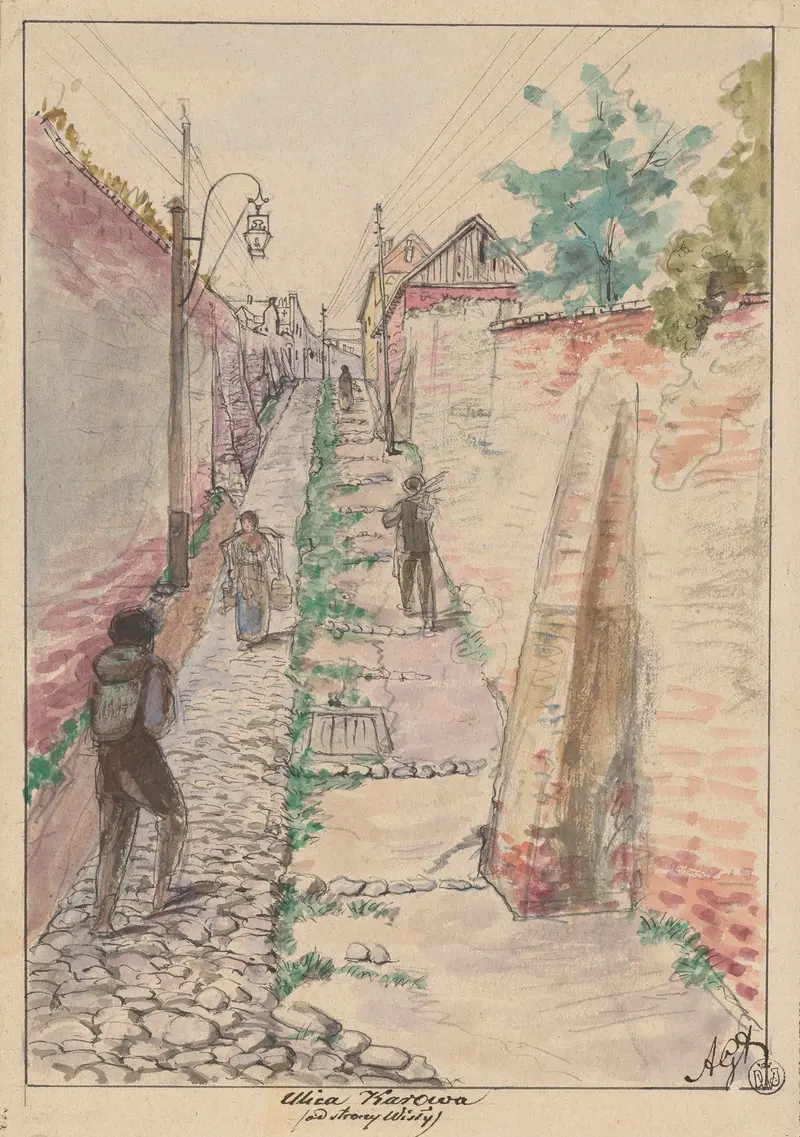
Karowa Street
Adrian Głębocki
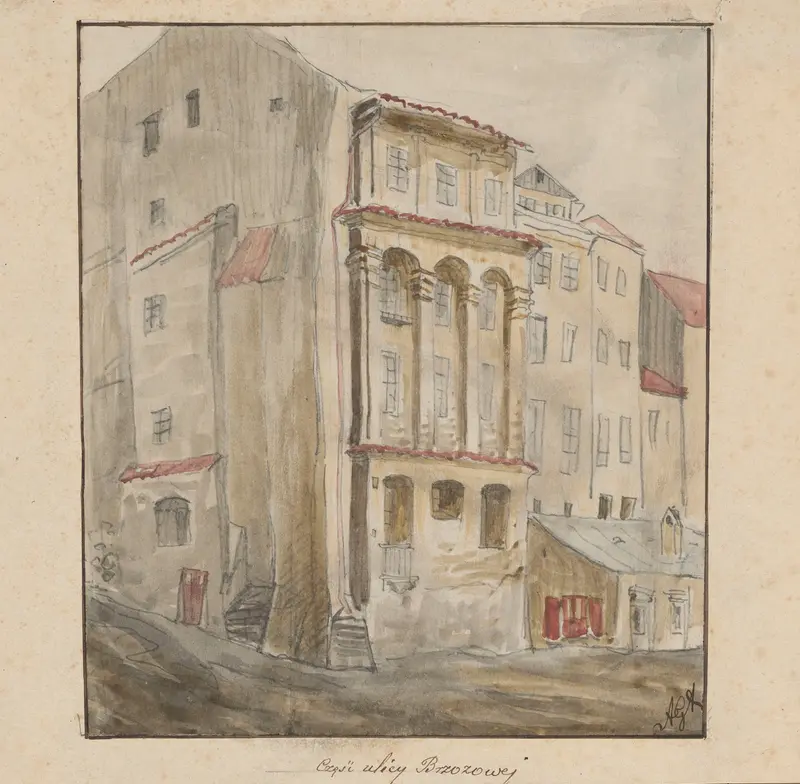
Part of Brzozowa Street
Adrian Głębocki
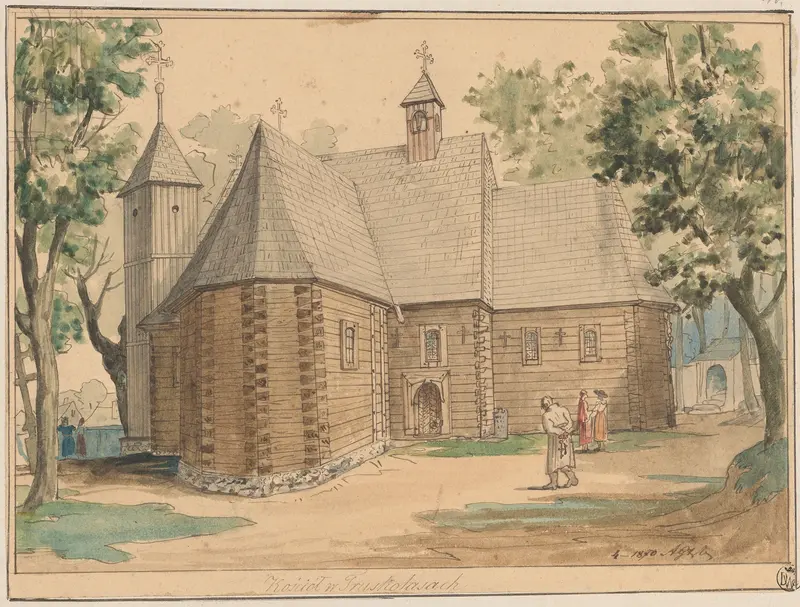
Church in Truskolasy [Exterior View of the Church of St Nicholas]
Adrian Głębocki
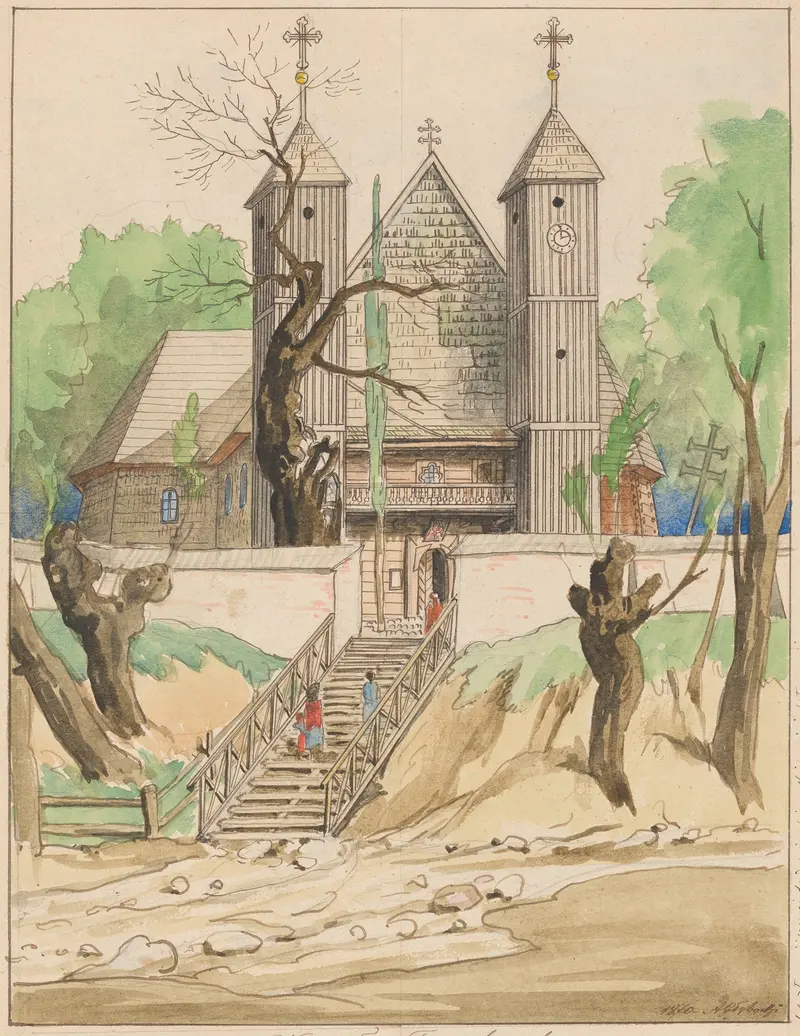
Church in Truskolasy [Exterior View of the Church of St Nicholas]
Adrian Głębocki
More Genre Scene Art

Banquet of the Officers of the St George Civic Guard
Frans Hals

Rembrandt and Saskia in the Scene of the Prodigal Son
Rembrandt van Rijn

Bal du moulin de la Galette
Pierre-Auguste Renoir

Quadrille at the Moulin Rouge
Henri de Toulouse-Lautrec

A Burial at Ornans
Gustave Courbet

When Will You Marry?
Paul Gauguin