
Landscape – Bobolice and Mirów — History & Facts
When did color learn to lie? In the soft embrace of the canvas, longing spills forth, whispering stories of what was and what could be. Focus on the horizon, where rolling hills kiss the sky, a delicate blend of greens and blues that seem to breathe. Notice how the warm ochres of the foreground beckon, drawing your gaze to the quiet ruins of Bobolice and Mirów, their crumbling stones embracing nature’s gentle reclamation. The play of light across the landscape creates a tender contrast, as if inviting the viewer to step into a memory suspended in time. Hidden within the tranquil beauty is a tension that speaks to nostalgia.
The ruins, half consumed by the encroaching greenery, echo the transient nature of existence, suggesting that even beauty is subject to decay. The wisps of clouds that float overhead evoke a sense of yearning for the past, while the vivid colors ignite a subtle conflict: the vibrant life of the landscape stands in stark contrast to the remnants of human endeavor, a poignant reminder of fragility. In 1866, Adrian Głębocki painted this work amidst a burgeoning interest in Romanticism's embrace of nature and emotion. Living in Poland during a time of political upheaval and nationalistic fervor, he channeled his longing for lost heritage and beauty into this piece.
The artist was influenced by the local landscapes that surrounded him, turning them into timeless reflections of both personal and collective memory.
More Artworks by Adrian Głębocki
Browse all →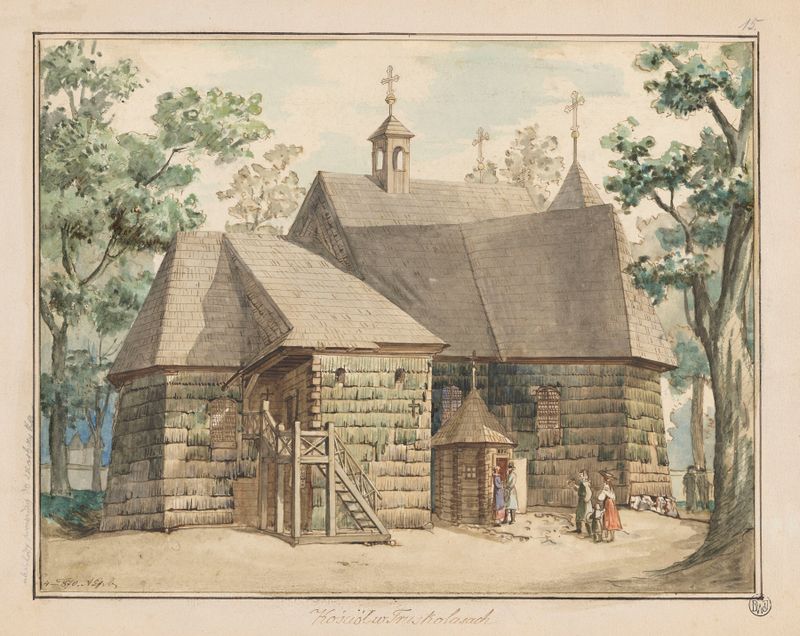
Church in Truskolasy [Exterior View of the Church of St Nicholas]
Adrian Głębocki
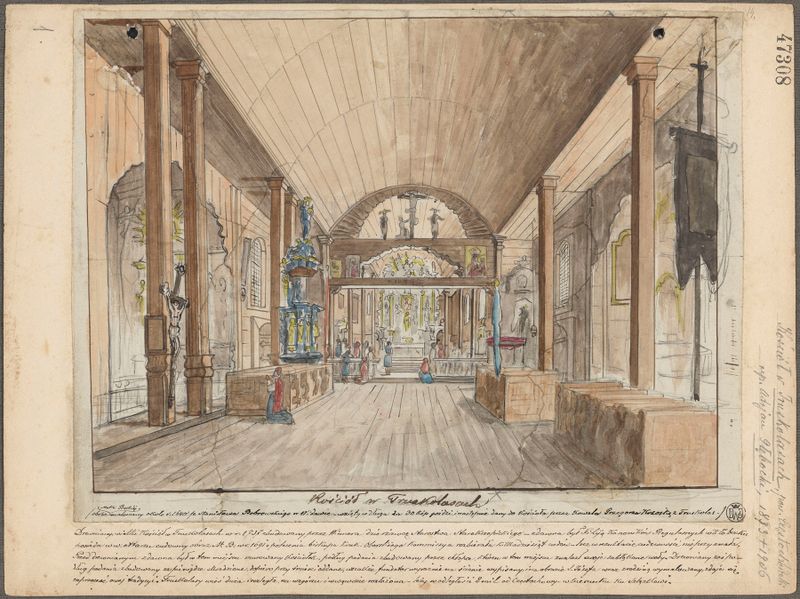
Church in Truskolasy [Interior of the Church of St Nicholas]
Adrian Głębocki
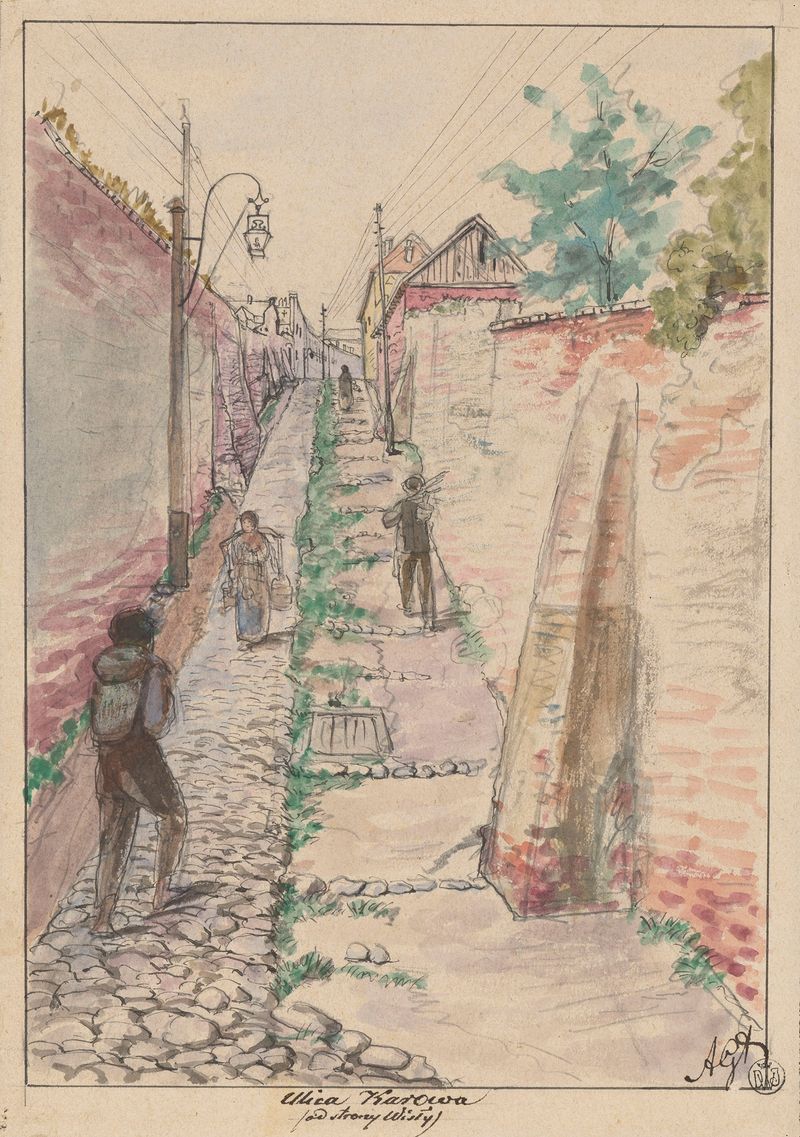
Karowa Street
Adrian Głębocki
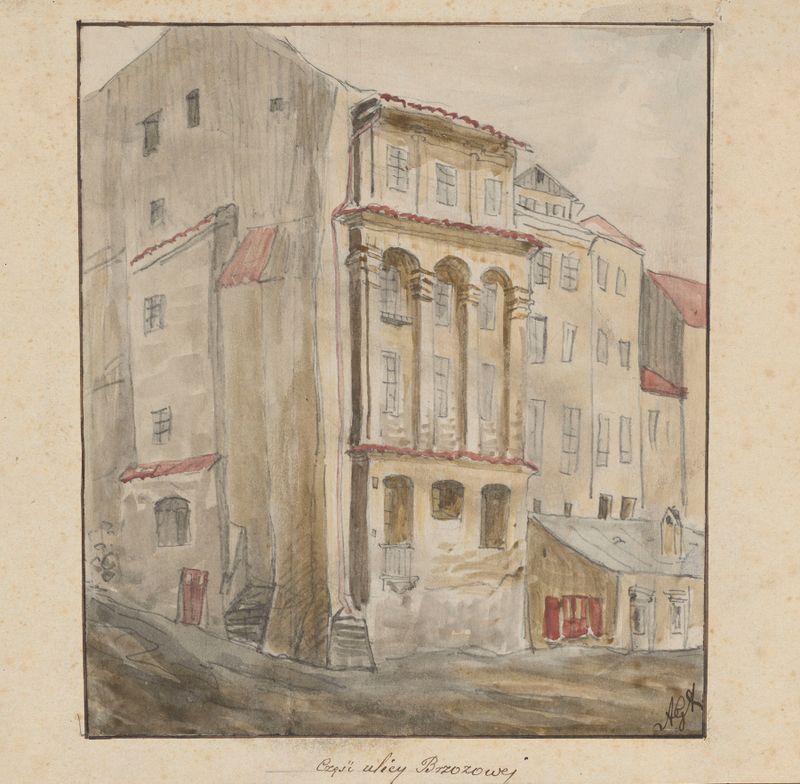
Part of Brzozowa Street
Adrian Głębocki
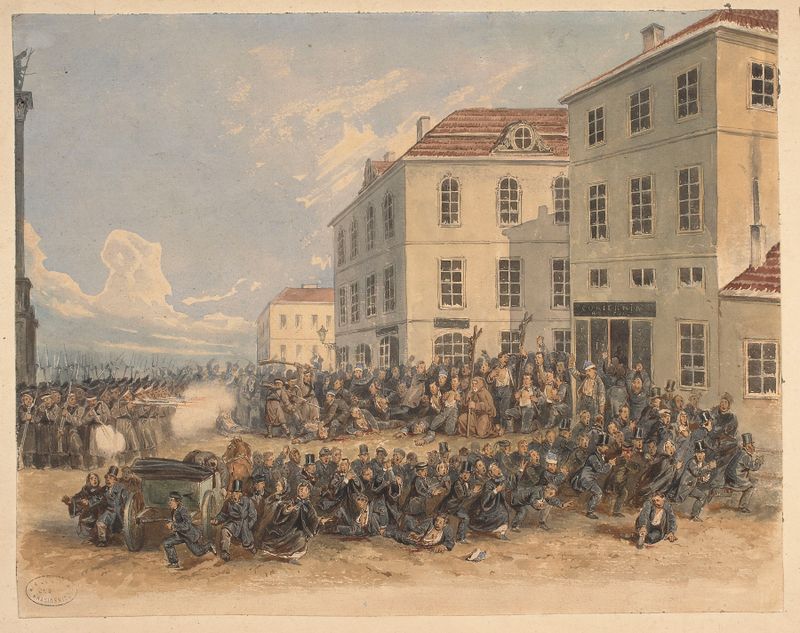
Walki uliczne na Placu Zamkowym w Warszawie 8 kwietnia 1861 roku
Adrian Głębocki
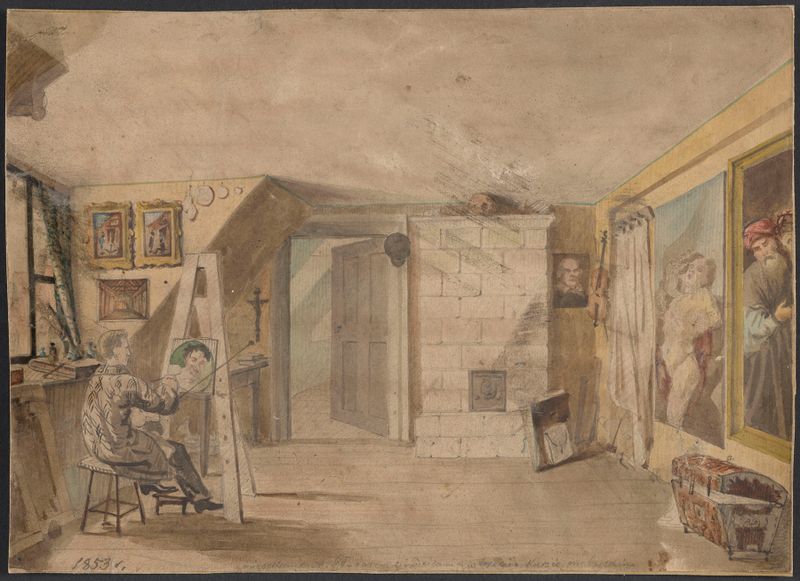
Artist in His Studio
Adrian Głębocki
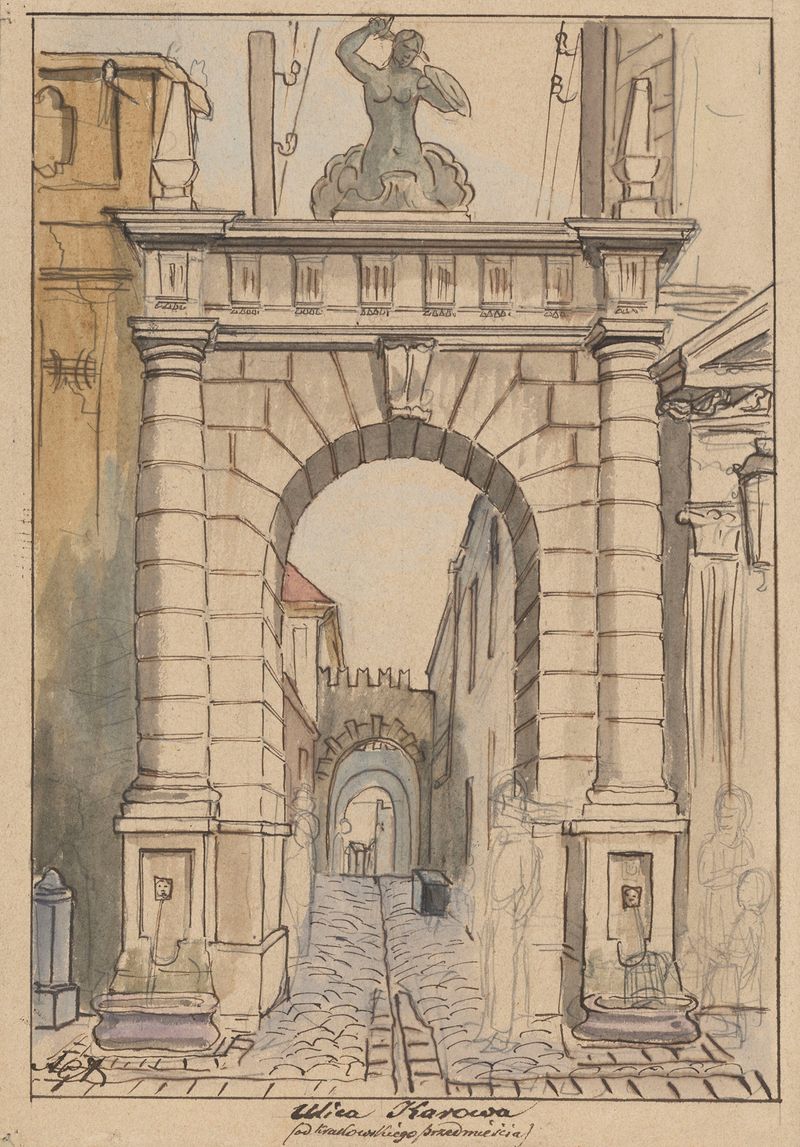
Karowa Street
Adrian Głębocki
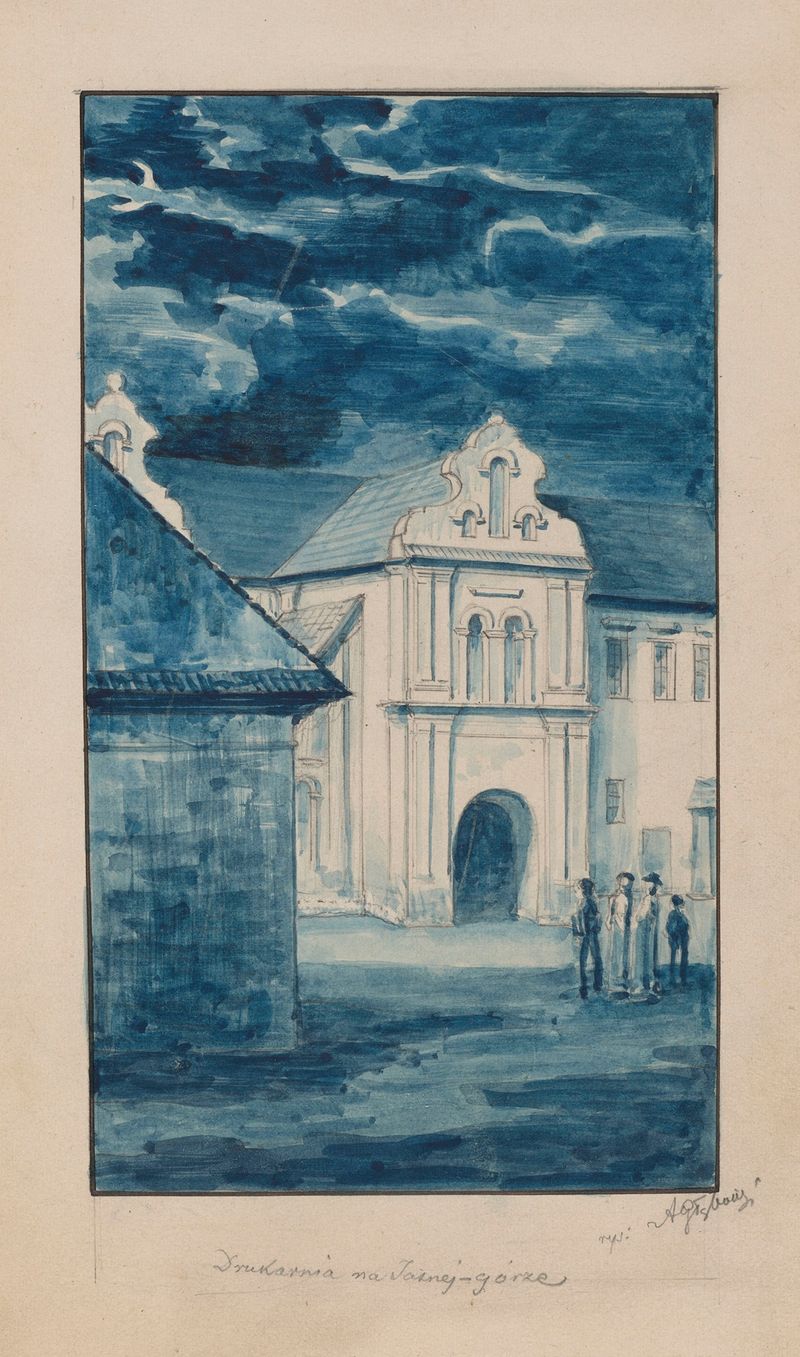
Printing House at Jasna Góra
Adrian Głębocki
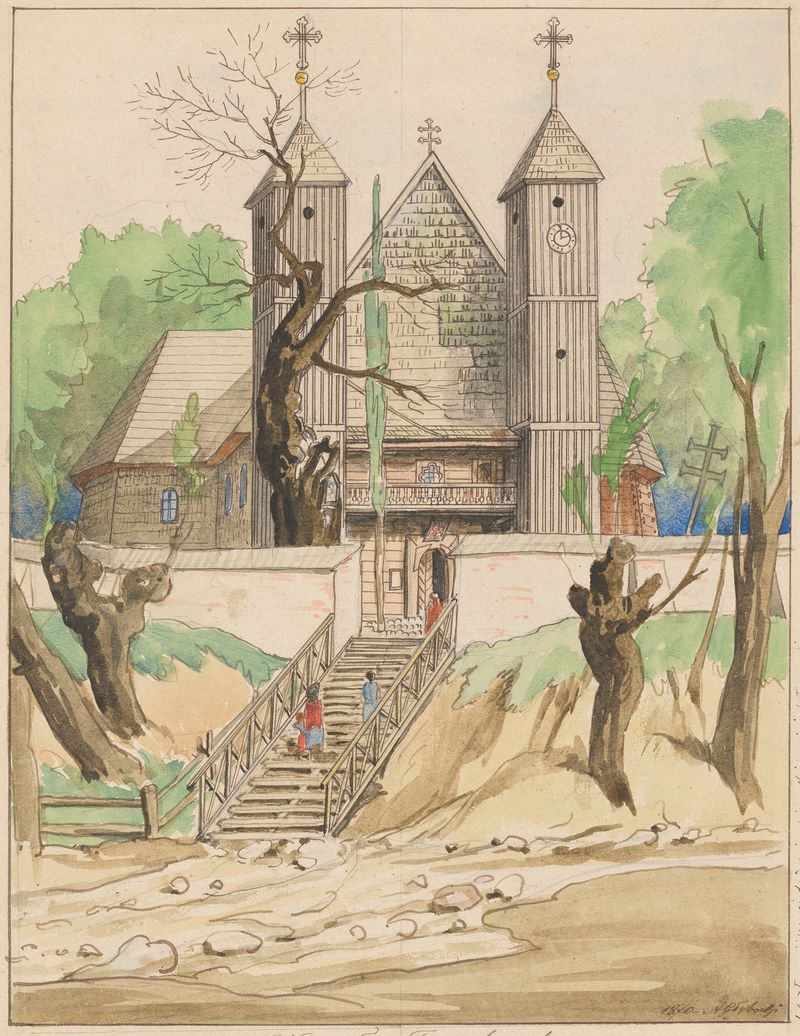
Church in Truskolasy [Exterior View of the Church of St Nicholas]
Adrian Głębocki
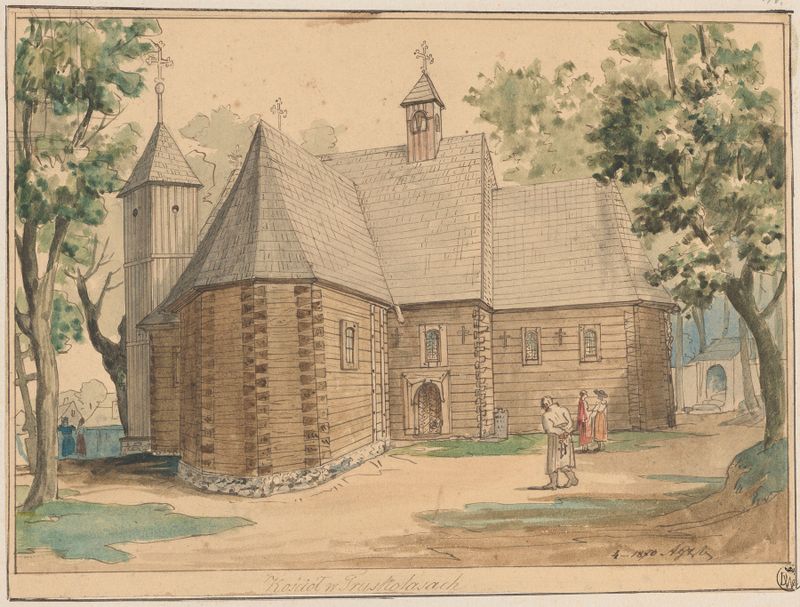
Church in Truskolasy [Exterior View of the Church of St Nicholas]
Adrian Głębocki





