
Walter Nelson — History & Facts
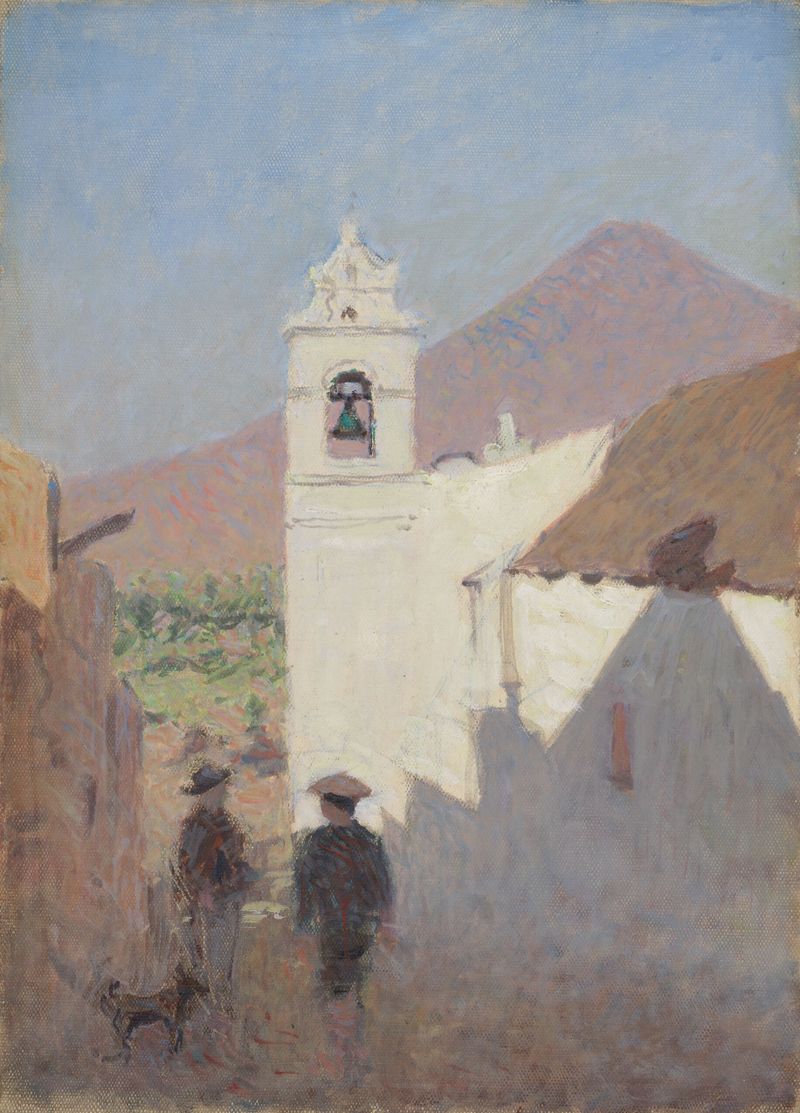
When did color learn to lie? In the realm of artistic expression, hues weave tales that blur the lines between reality and illusion, reflecting the complexities of time itself. To appreciate this piece, direct your gaze to the juxtaposition of deep ochres and soft blues that dance across the canvas. The vivid brushstrokes create a rhythm, leading your eyes to the central figure, bathed in a kaleidoscope of colors that pulsate with emotion. Notice how the interplay of light and shadow shapes the contours of the subject, giving depth to what might otherwise seem a flat depiction.
The careful application of paint reveals textures that invite touch, suggesting a warmth that contrasts with the coolness of the background. Delve deeper, and you may find an exploration of identity and memory. The figure, set against a backdrop of blurred forms, suggests a journey through time that is at once nostalgic and elusive. Each color choice evokes a different sentiment, as if the artist is questioning the nature of perception itself.
The dynamic tension between the vibrant foreground and the muted background alludes to the struggle of retaining one's essence amid the passage of time. In 1933, Denman Waldo Ross painted this work during a period of personal introspection, as he faced the challenges of the Great Depression. An influential figure in American art education, he sought to capture the emotional resonance of color and form. This painting stands as a testament to his evolving style, merging academic techniques with a modern sensibility, reflective of wider shifts in the art world at that time.
More Artworks by Denman Waldo Ross
Browse all →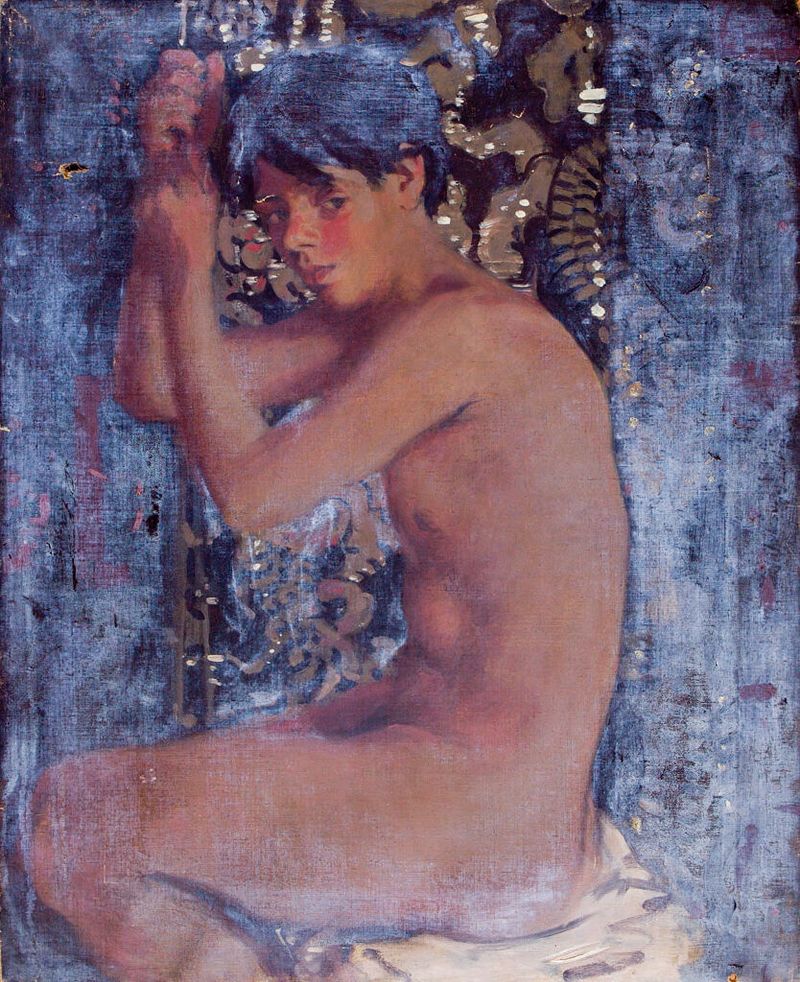
Portrait of a Seated Young Man
Denman Waldo Ross
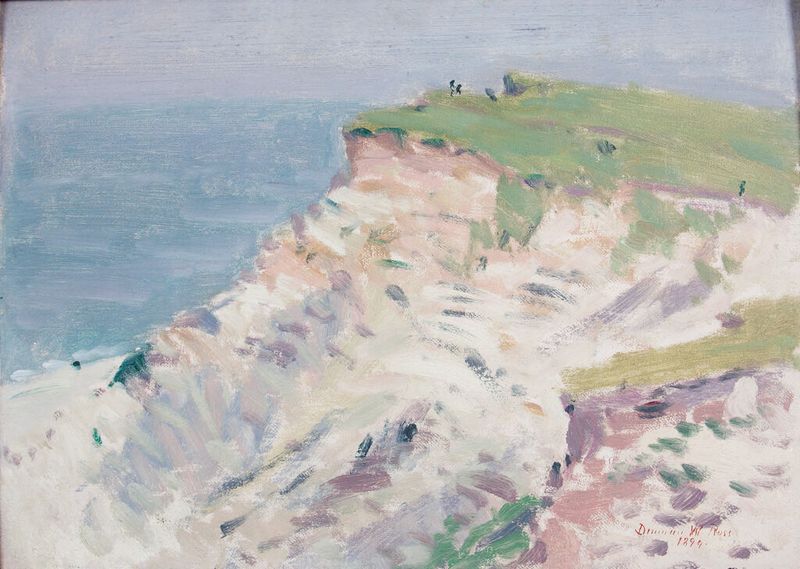
Highland Light, North Truro, Massachusetts
Denman Waldo Ross
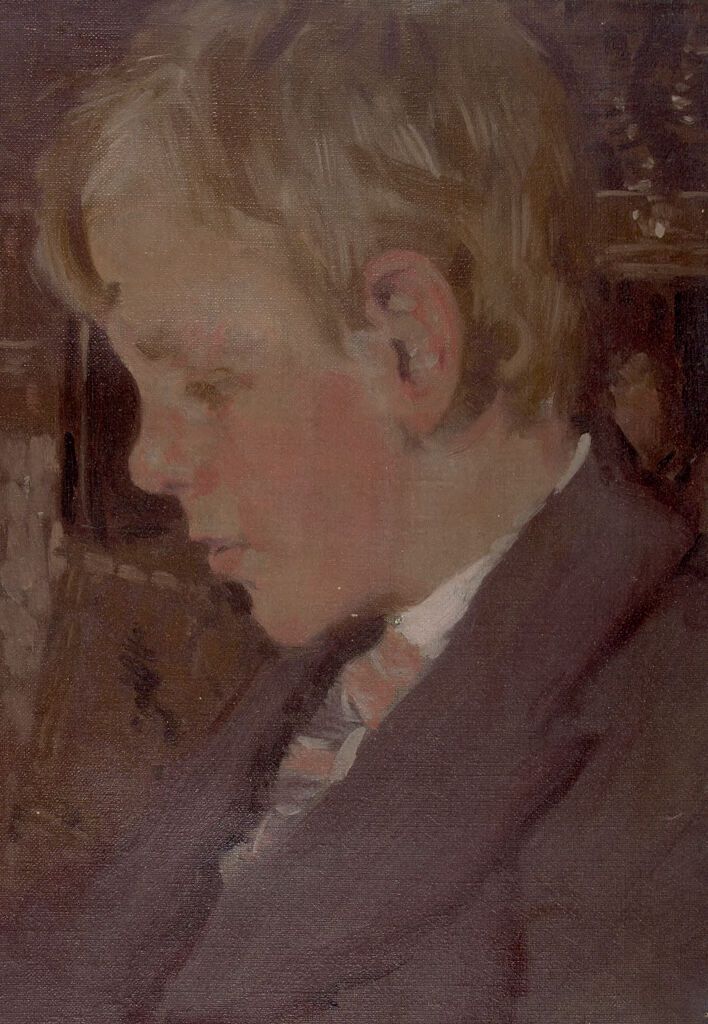
Profile Portrait of a Boy in Suit and Tie
Denman Waldo Ross
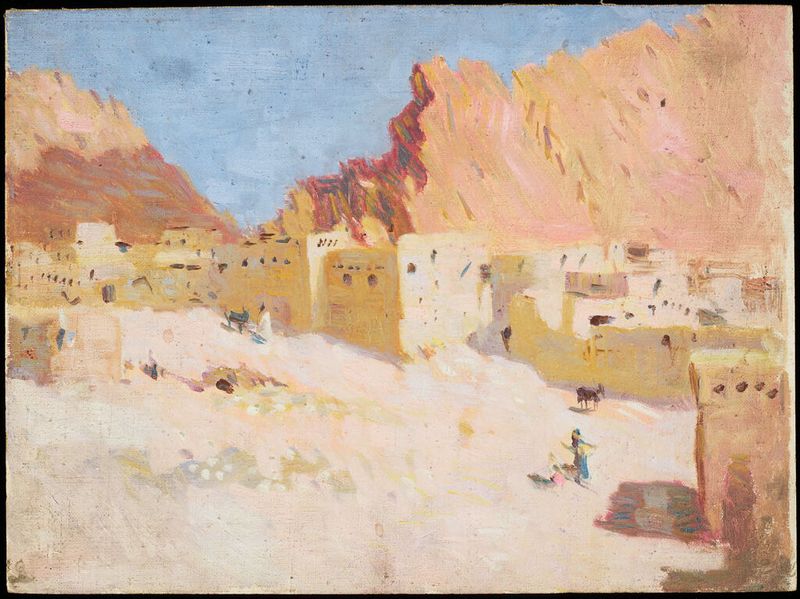
El Kantara, Near Biskra, Algeria
Denman Waldo Ross
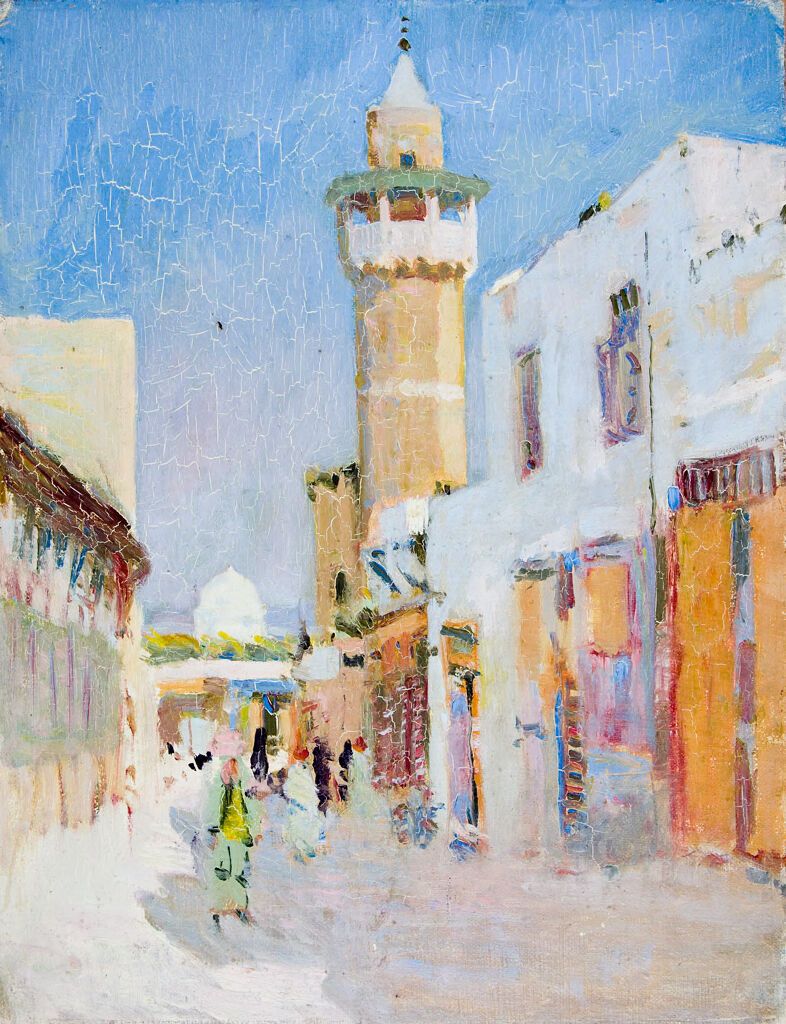
Tunis Street Scene
Denman Waldo Ross
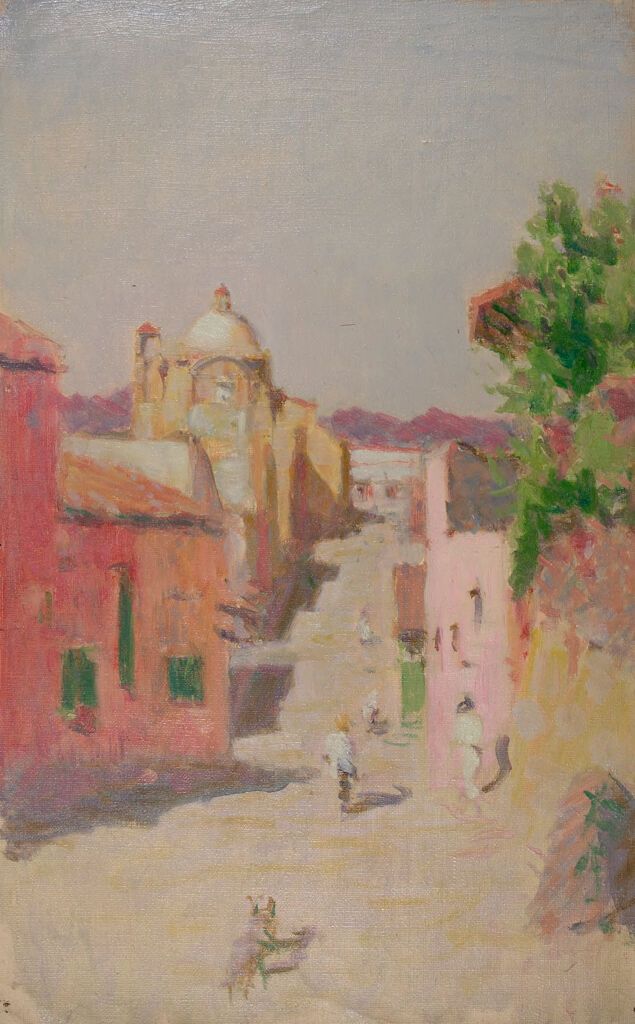
Street Scene with Animal and Figures
Denman Waldo Ross
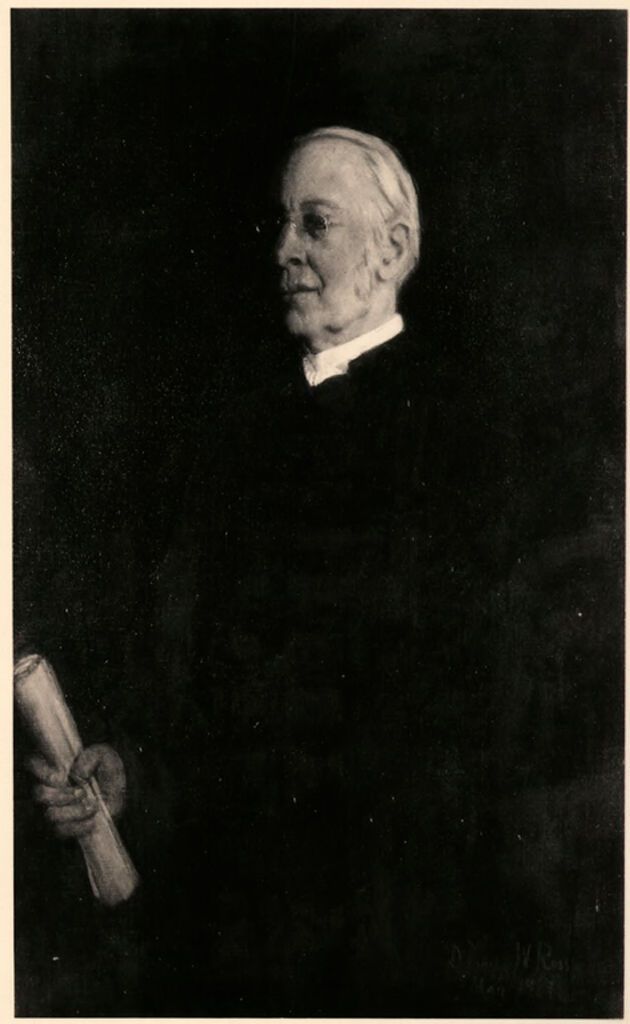
Charles William Eliot (1834-1926)
Denman Waldo Ross
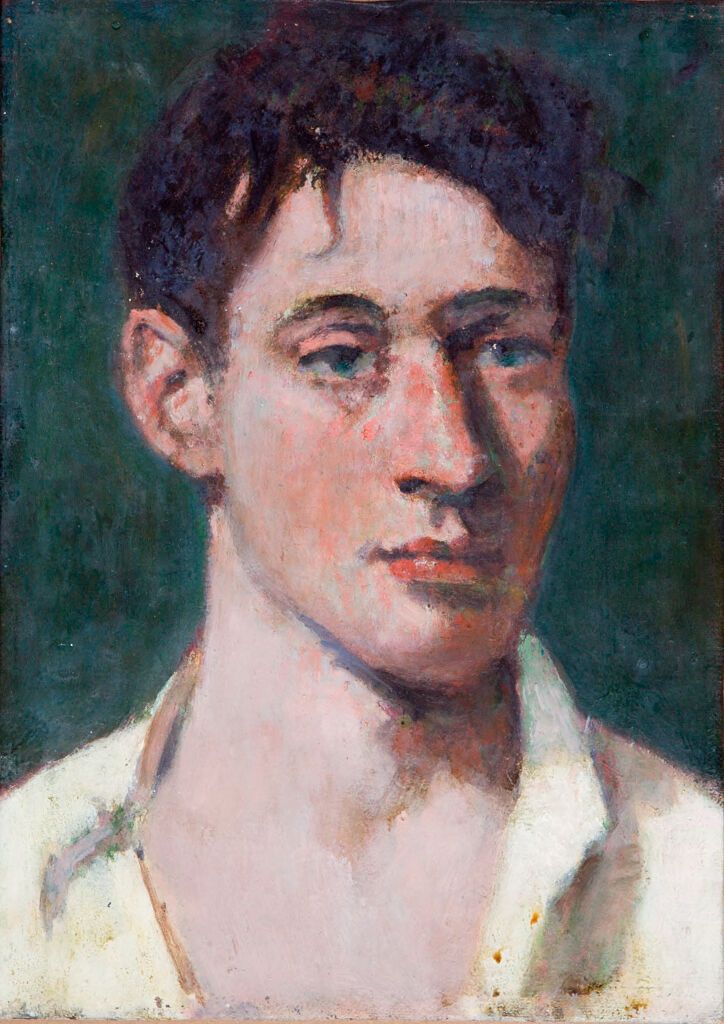
Portrait of a Young Man in White Shirt
Denman Waldo Ross
Village Near Arequipa, Peru
Denman Waldo Ross

York Harbor, Maine
Denman Waldo Ross





