
Wasserburg am Inn — History & Facts
Can beauty exist without sorrow? In Wasserburg am Inn, a serene landscape unfolds, inviting contemplation of the gentle yet tumultuous interplay between nature and humanity. Look to the center of the painting, where the calm waters of the Inn reflect the quaint architecture of the town. The soft blues and greens create a harmonious palette, while the pastel hues of the buildings provide a comforting contrast, drawing the eye to their intricate details. Notice how the artist employs brush strokes that combine meticulous precision with a fluidity that mimics the flowing water, creating a sense of movement within the stillness. Beneath this tranquil surface lies an undercurrent of tension.
The idyllic scenery is juxtaposed with the historical context of 1944—a time fraught with conflict and uncertainty. The looming mountains in the background might symbolize both a barrier and a sanctuary, suggesting the weight of external pressures even in a place of beauty. Further, the subtle hints of shadow that intrude upon the sunlight remind the viewer that joy is often tinged with nostalgia for what may be lost. Otto Geigenberger created this piece in 1944 while living in Germany during World War II.
This period marked a significant shift in the art world, as many artists grappled with the harsh realities of their times. Geigenberger's work reflects a desire to capture the ephemeral beauty of life, rooted in his deep love for the landscapes of his homeland, providing a poignant contrast to the turbulent world outside.
More Artworks by Otto Geigenberger
Browse all →
Hohe Munde bei Seefeld in Tirol
Otto Geigenberger
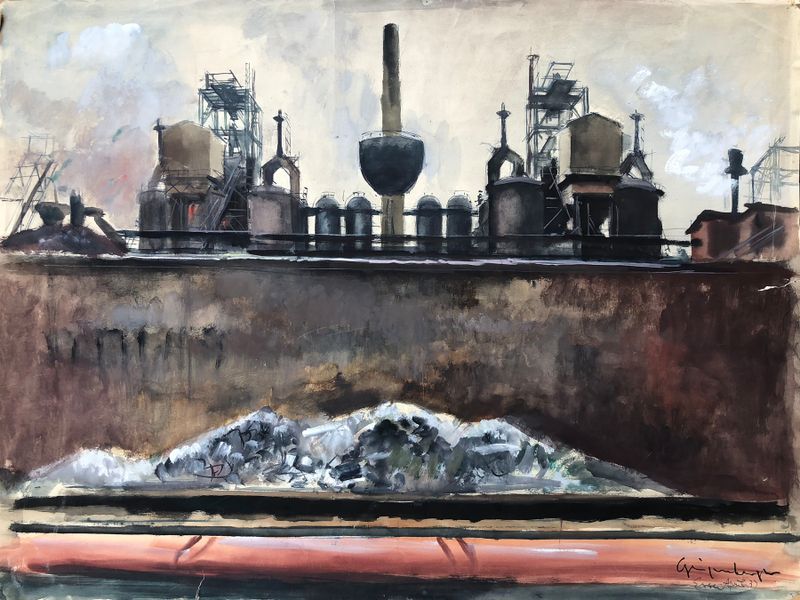
Stahlwerk Krupp in Essen
Otto Geigenberger

Landschaft mit Kirche
Otto Geigenberger

Passau am Inn 2
Otto Geigenberger
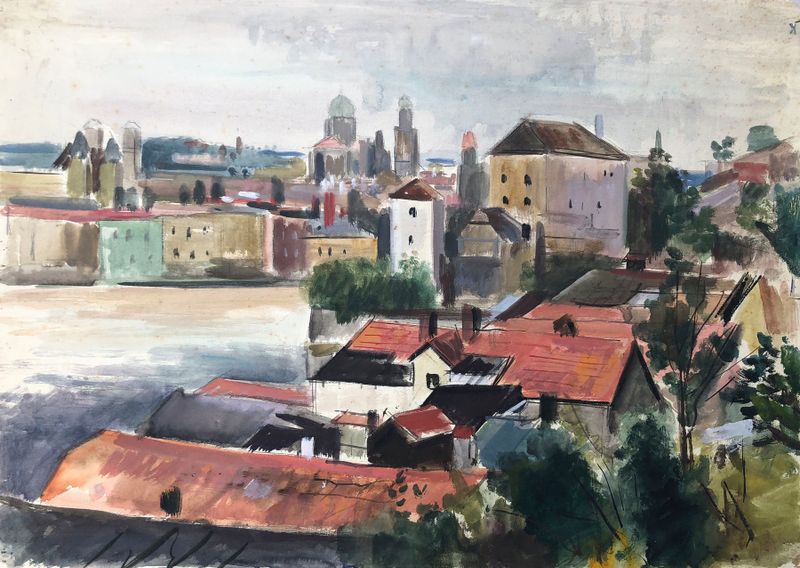
Passau am Inn
Otto Geigenberger
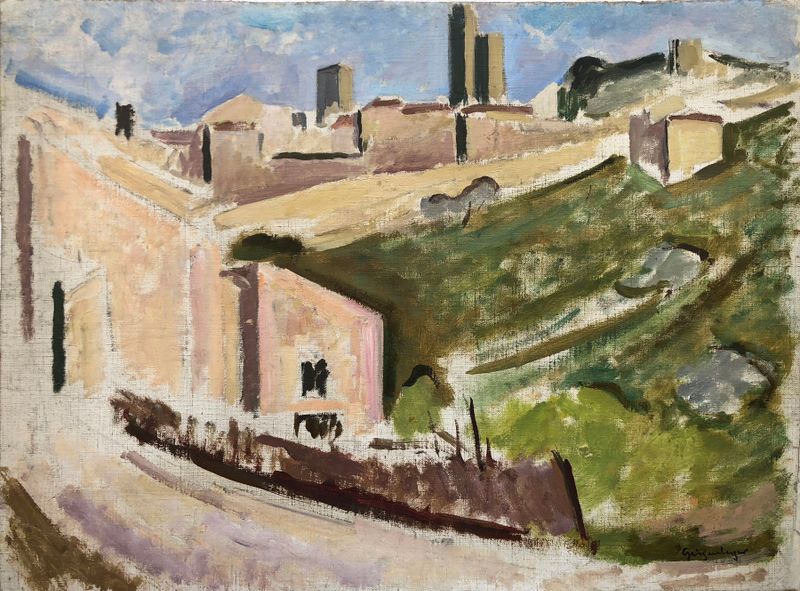
Südliche Stadt auf einem Hügel
Otto Geigenberger

Wasserburg am Inn – Häuserpartie am Inn
Otto Geigenberger

Wasserburg am Inn – Innfront
Otto Geigenberger
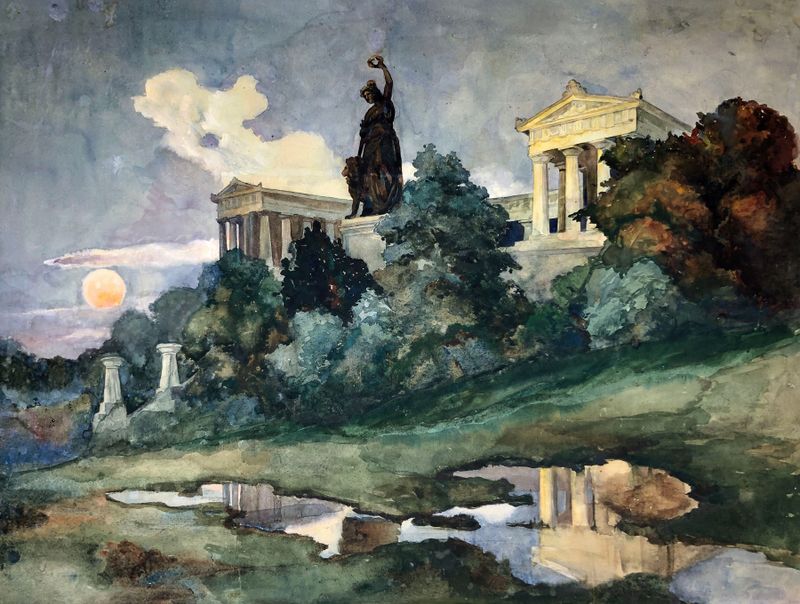
Sonnenuntergang an der Bavaria und Ruhmeshalle in München
Otto Geigenberger
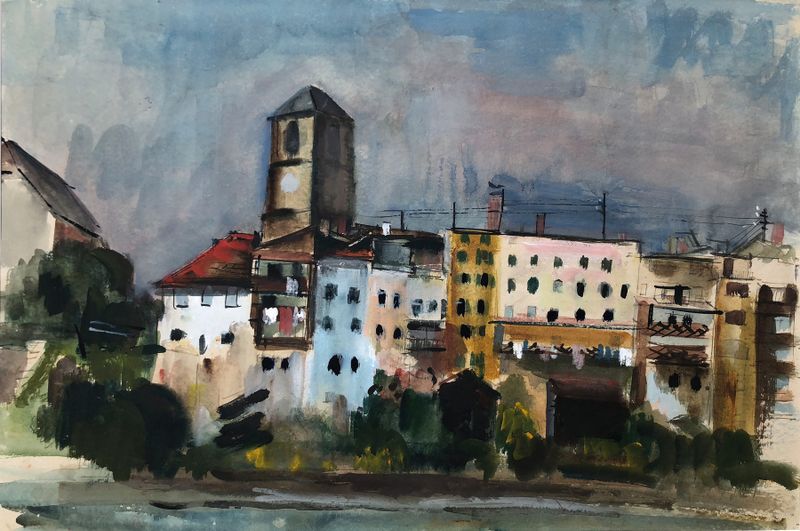
Wasserburg am Inn – Innfront.
Otto Geigenberger





