
Watanabe no tsuna to ibaraki — History & Facts
In Watanabe no tsuna to ibaraki, we see a dramatic scene filled with vibrant colors. The figures of Watanabe no Tsuna and Ibaraki are depicted in a tense confrontation. Tsuna, a heroic figure, is shown with a determined expression, while Ibaraki appears fierce and formidable.
The background features stylized clouds and a landscape that enhances the intensity of the moment. This artwork is a woodblock print, a traditional Japanese technique known for its precision and detail. The use of color is striking, with deep reds and blues dominating the palette. The lines are sharp, emphasizing the dynamic poses of the characters.
Viewers can appreciate the intricate patterns in the clothing and the flowing movement of the figures. Tsukioka Yoshitoshi was a prominent ukiyo-e artist in the late 19th century, known for his dramatic and often dark themes. Watanabe no tsuna to ibaraki is part of a series that explores legendary tales from Japanese folklore. An interesting fact about this work is that it reflects Yoshitoshi's mastery of storytelling through visual art, capturing a moment of tension and conflict.
This print showcases the blend of history and myth that characterizes much of his oeuvre.
More Artworks by Tsukioka Yoshitoshi

Frost fills the air and the autumn air is still/lines of returning geese cross the moon in the third hour-Kenshin, from the series Twelve Aspects of the Moon
Tsukioka Yoshitoshi
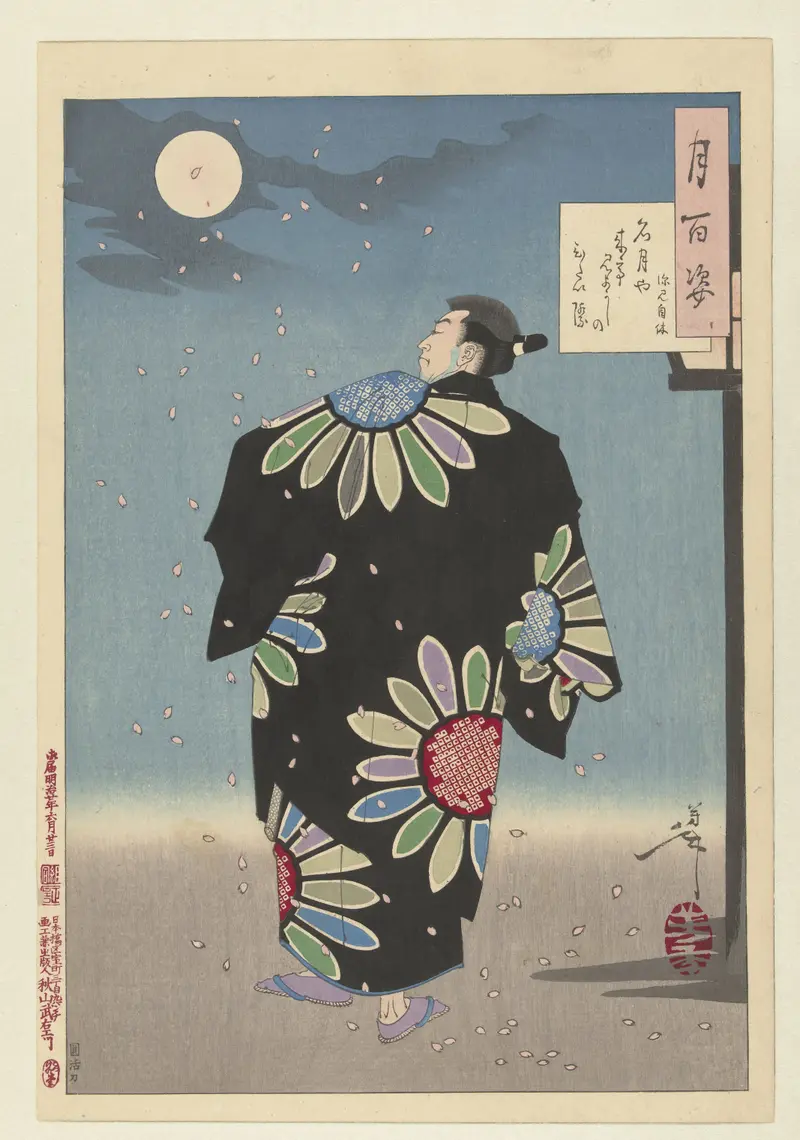
Fukami Jikyu in maanlicht
Tsukioka Yoshitoshi
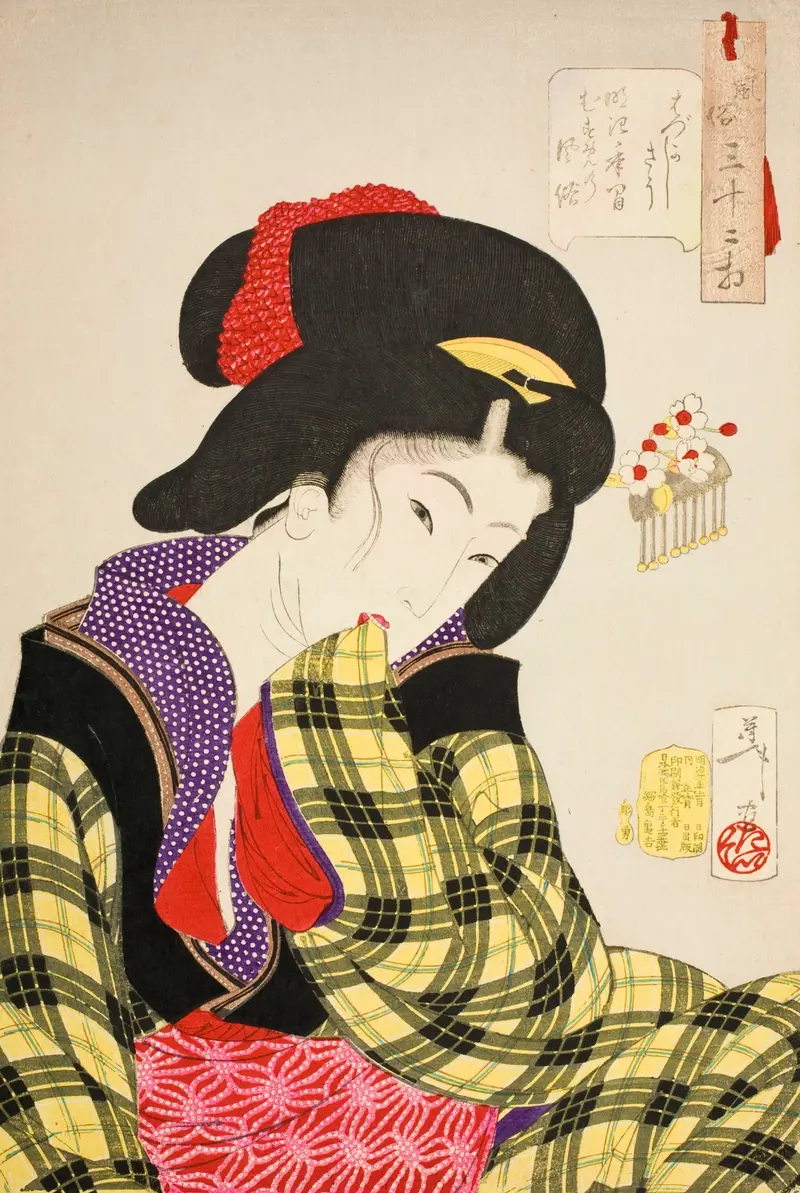
Looking Shy; The Manners of a Young Girl of the Meiji Era
Tsukioka Yoshitoshi
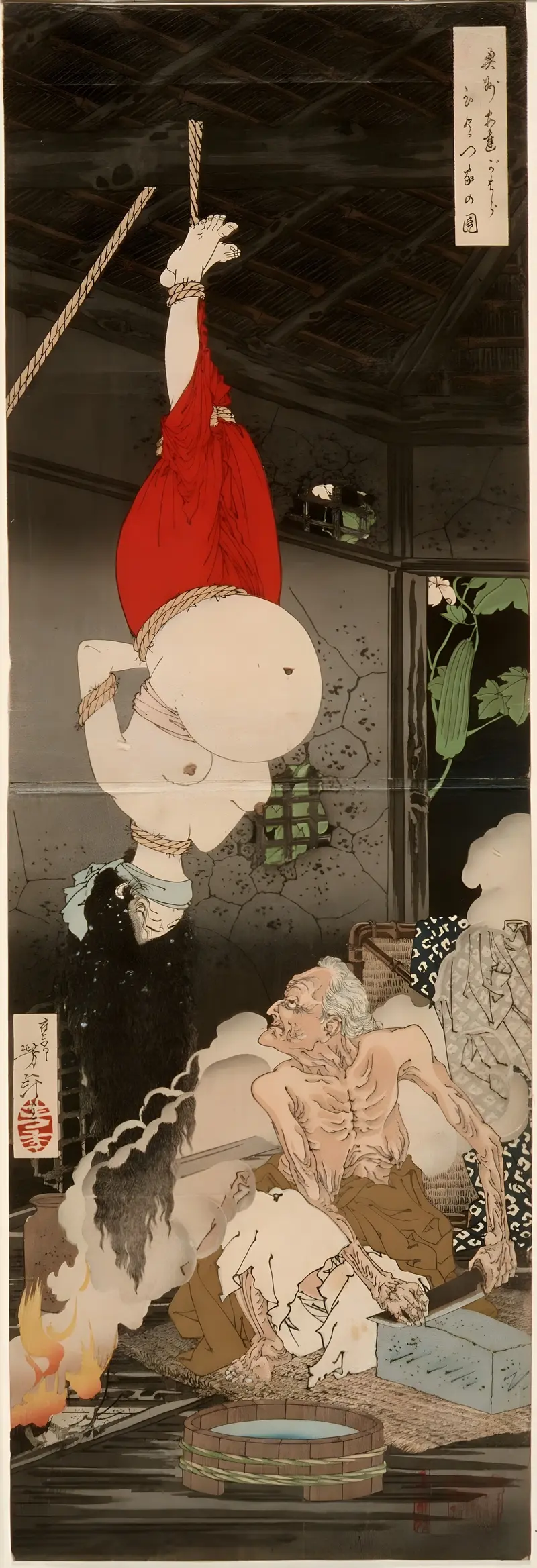
The Lonely House on Adachi Moor in Northern Japan
Tsukioka Yoshitoshi
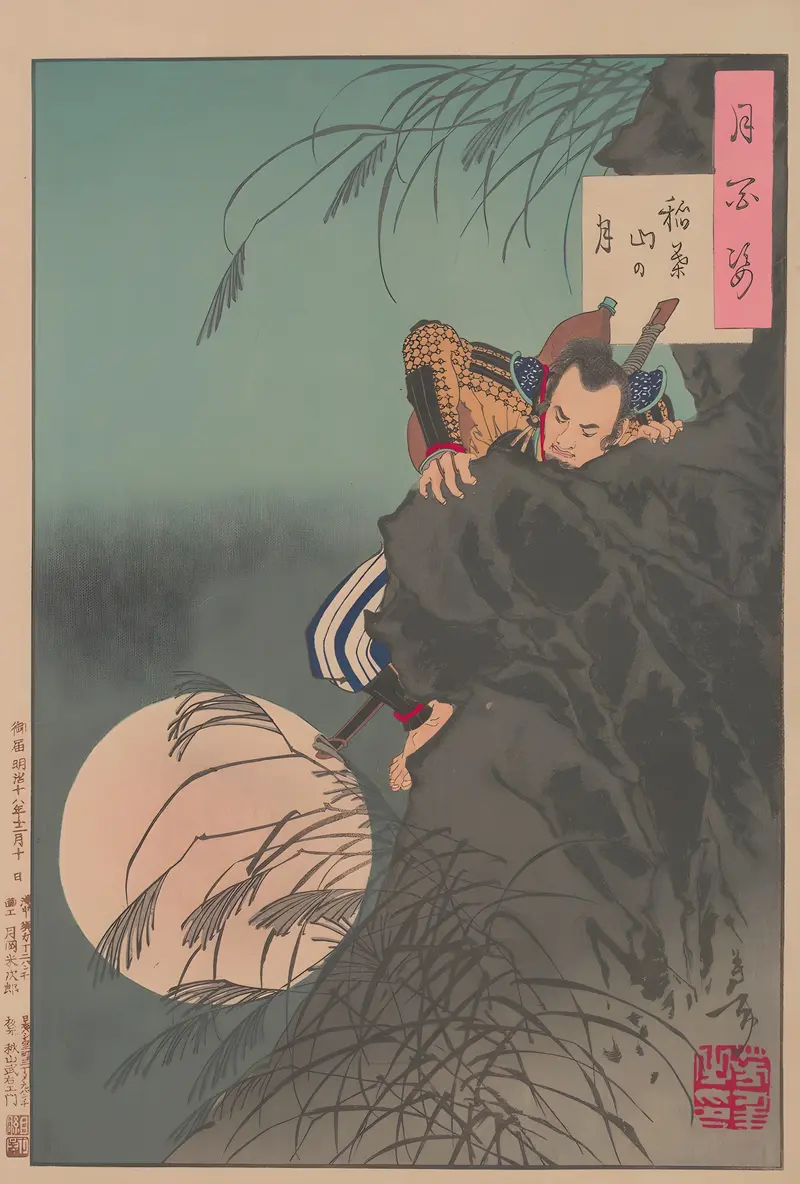
Inaba Mountain moon (Inabayama no tsuki)
Tsukioka Yoshitoshi
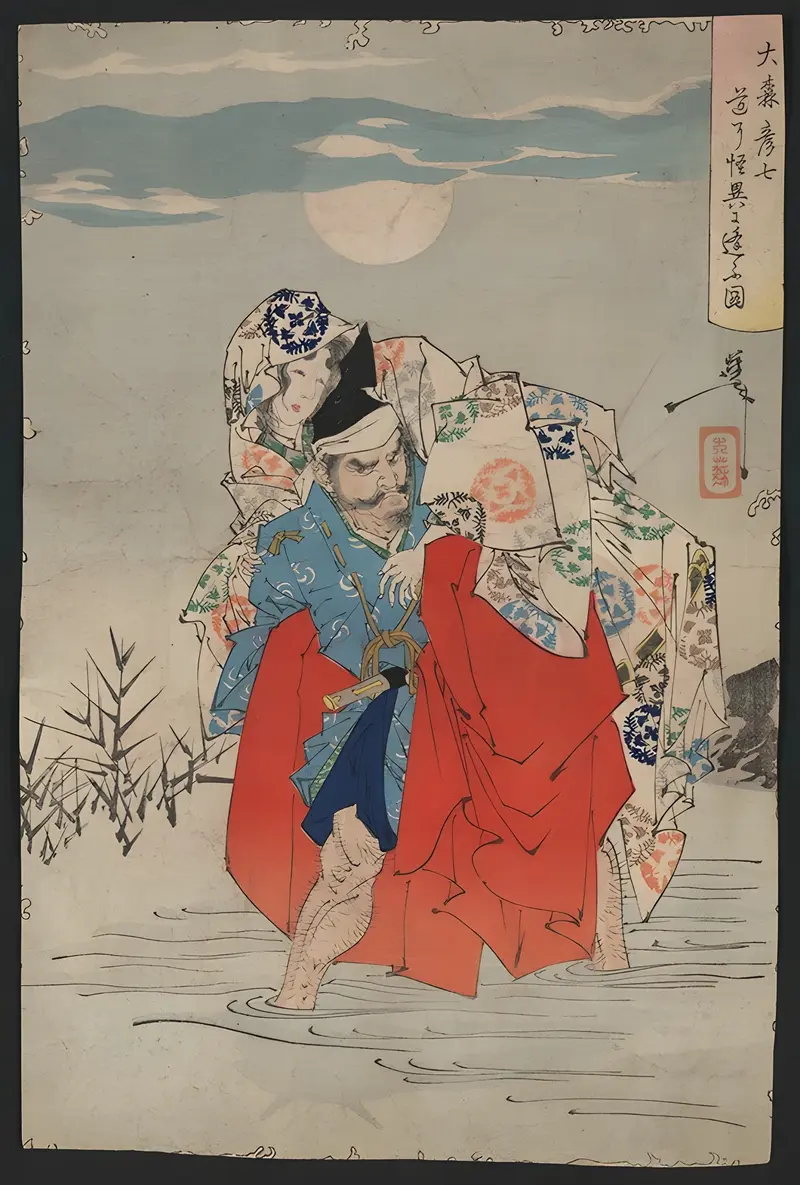
Omori Hikoshichi
Tsukioka Yoshitoshi
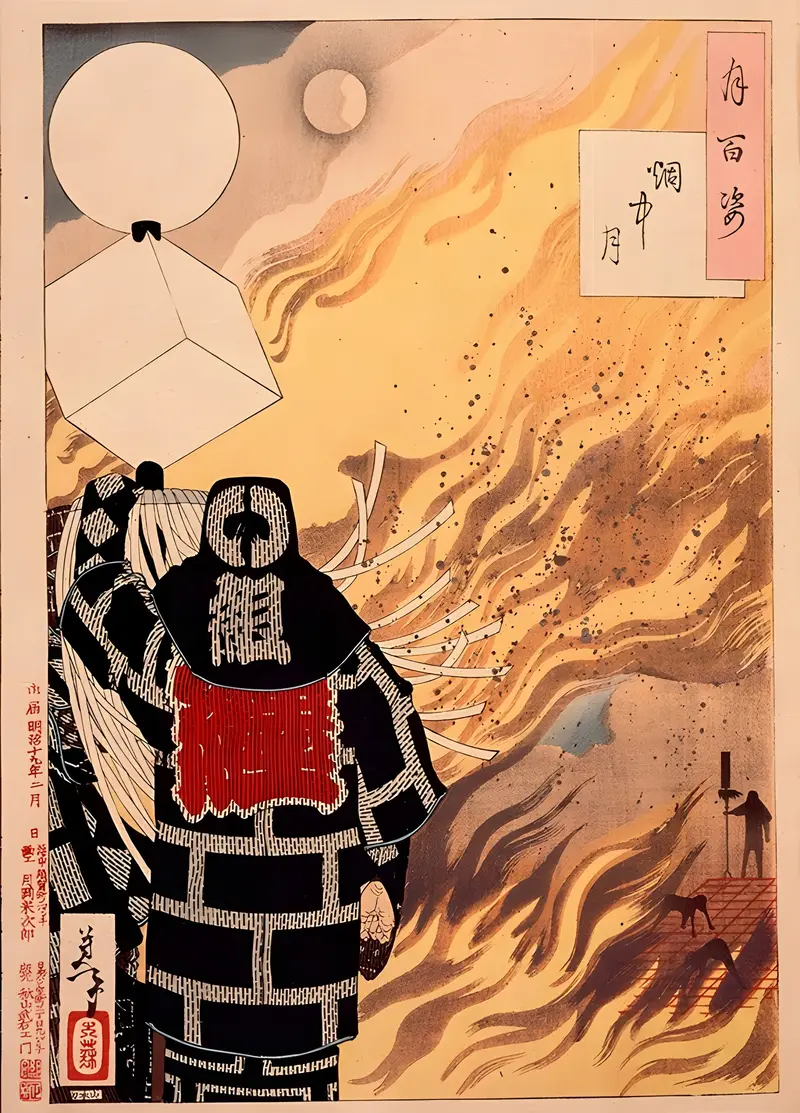
One Hundred Aspects of the Moon
Tsukioka Yoshitoshi
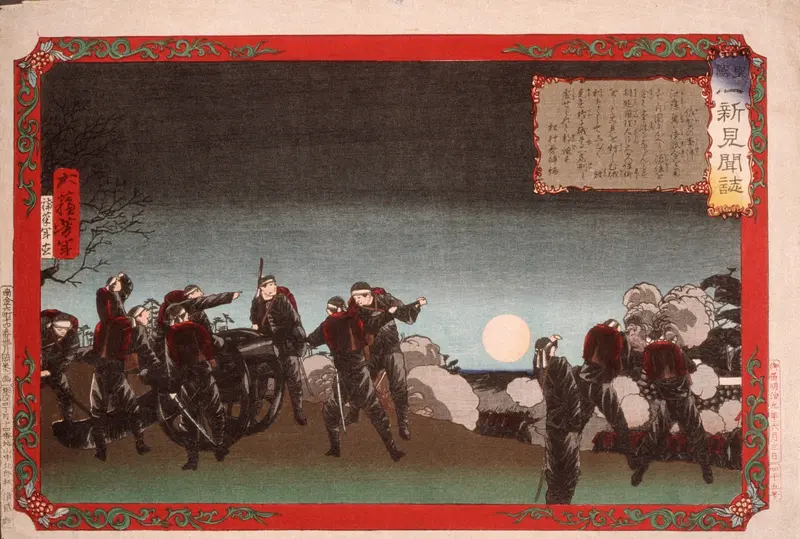
The Saga Incident
Tsukioka Yoshitoshi
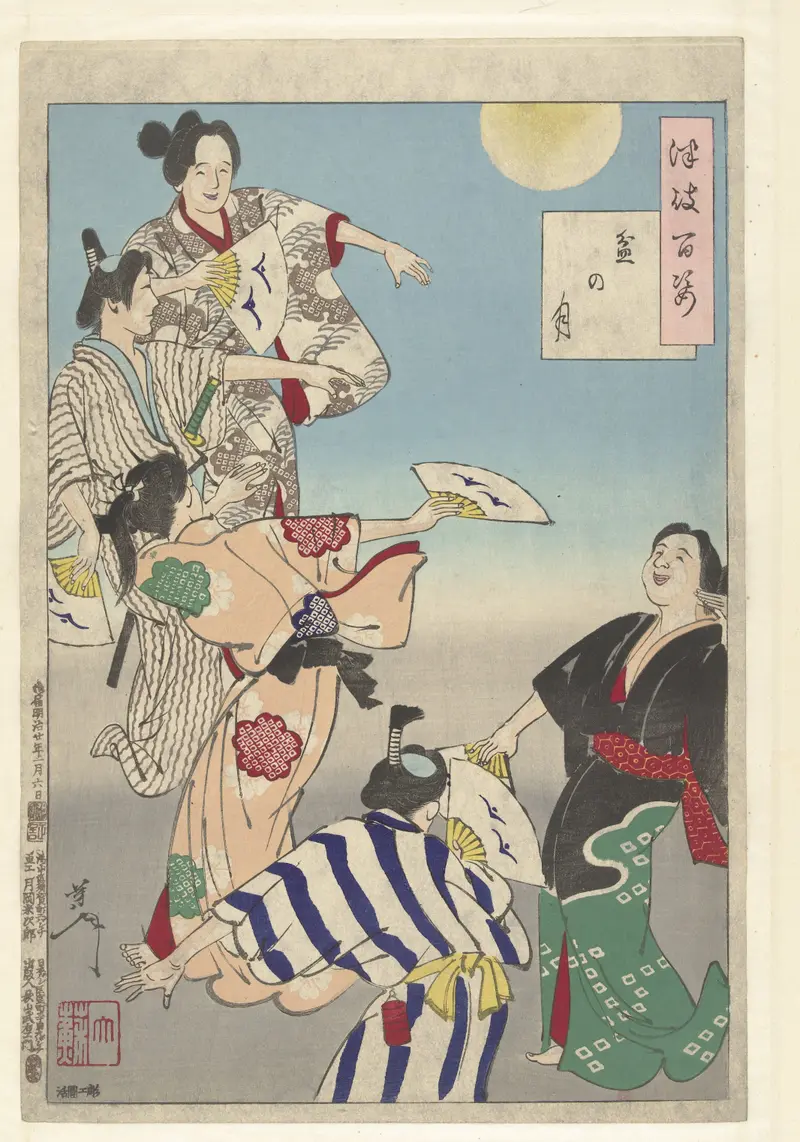
Bon Festival Moon (Bon no tsuki)
Tsukioka Yoshitoshi
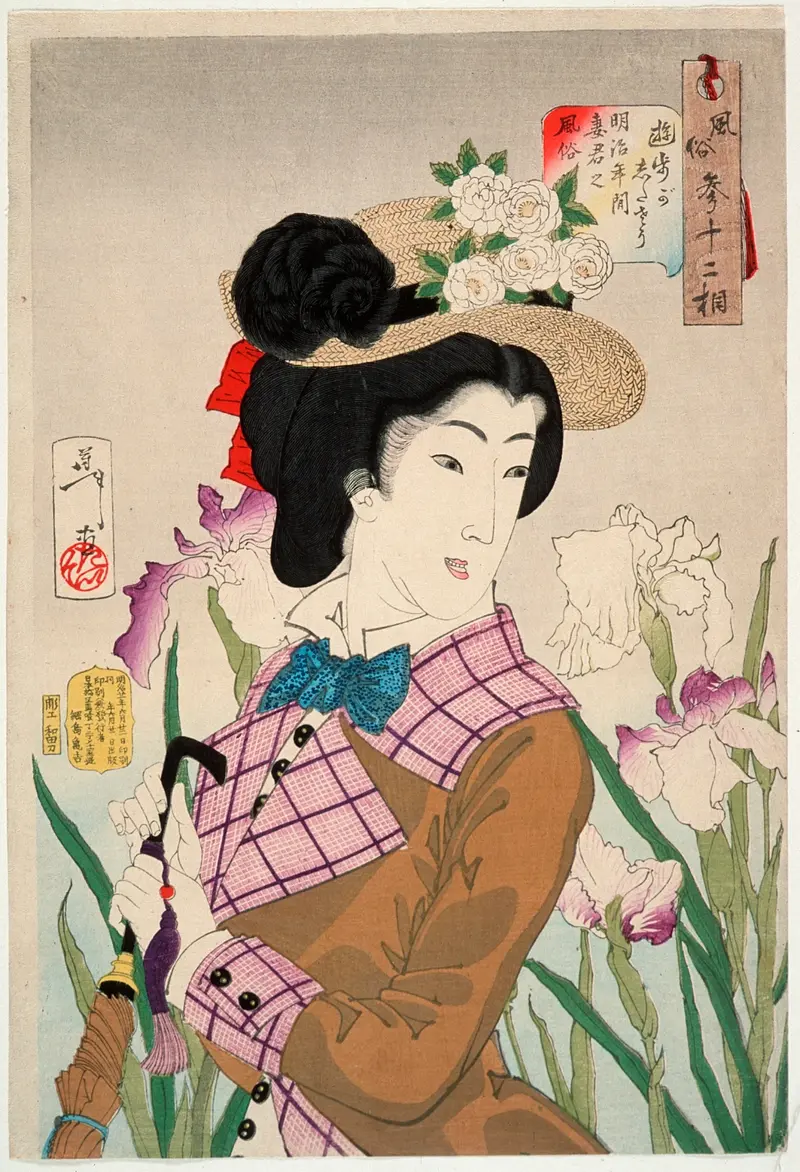
Preparing to Take a Stroll; The Wife of a Nobleman of the Meiji Period
Tsukioka Yoshitoshi





