
Waterfall–Tivoli, Italy — History & Facts
In the delicate shadows cast by nature, the ethereal dance of light reveals the mysteries behind every ripple and rock. Look to the foreground, where the waterfall cascades down with a silvery glisten, commanding immediate attention. Notice how the artist employs soft pastel hues to embody the serenity of this Italian landscape, while deeper greens and browns create a rich, textured backdrop. The delicate brushwork captures the gentle movement of water, contrasting sharply with the stillness of the surrounding trees and boulders, inviting the viewer's gaze to linger. The juxtaposition of light and shadow is striking; it creates an emotional tension that speaks to the duality of nature—both powerful and tranquil, relentless yet serene.
The play of shadows hints at untold stories etched into the rocks, whispering of time’s passage and nature’s resilience. In the background, the distant hills seem to loom, suggesting a world beyond the immediate beauty, a reminder that serenity often exists alongside hidden depths. Currier & Ives produced Waterfall–Tivoli, Italy during the mid-19th century, in a period known for its increased interest in natural landscapes. This era marked a shift in artistic focus towards capturing the sublime beauty of the American wilderness as well as European vistas.
The artists were responding to a growing appreciation for nature in art, reflecting both the romantic ideals of their time and the burgeoning tourism to picturesque locations like Tivoli.
More Artworks by Currier & Ives.
Browse all →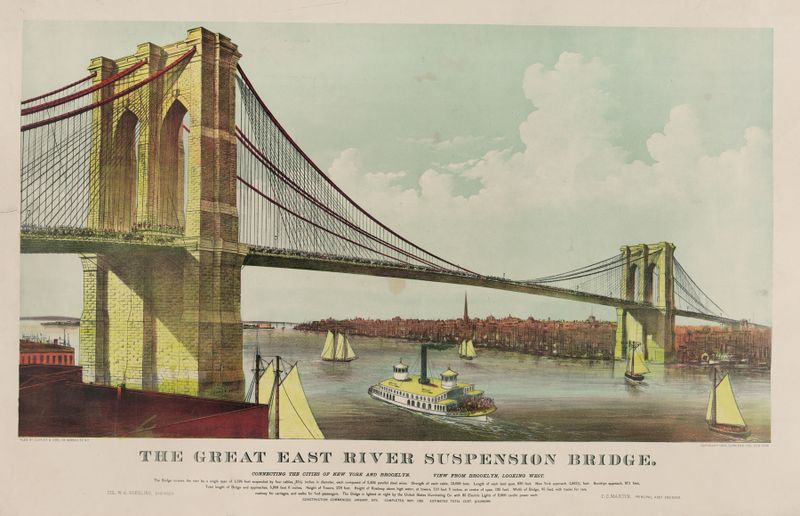
The great East River suspension bridge; connecting the cities of New York and Brooklyn View from Brooklyn, looking west.
Currier & Ives.
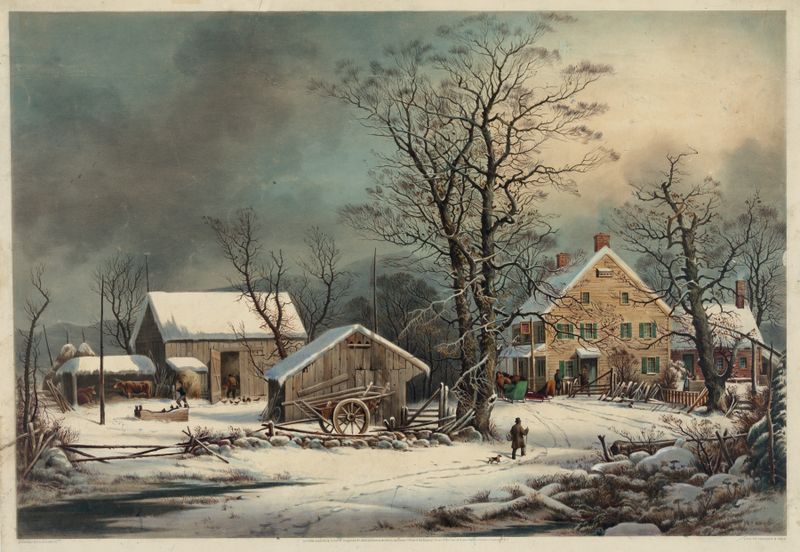
Winter in the country; a cold morning
Currier & Ives.
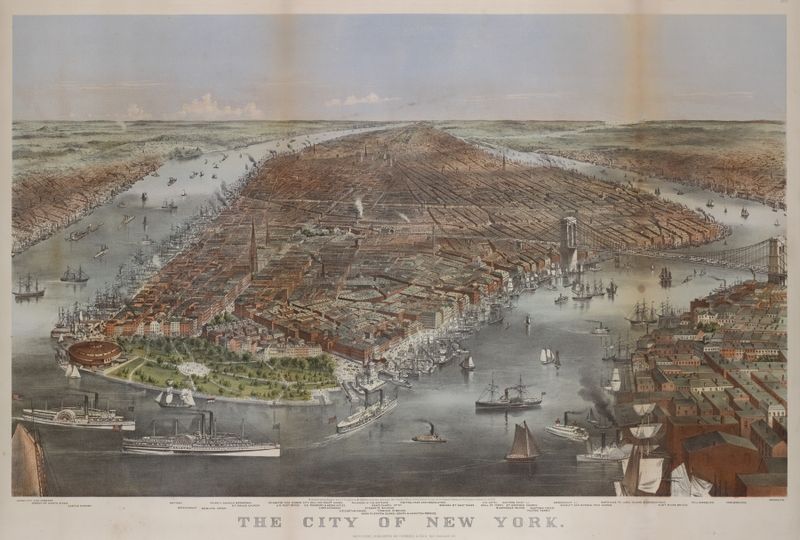
The City of New York
Currier & Ives.
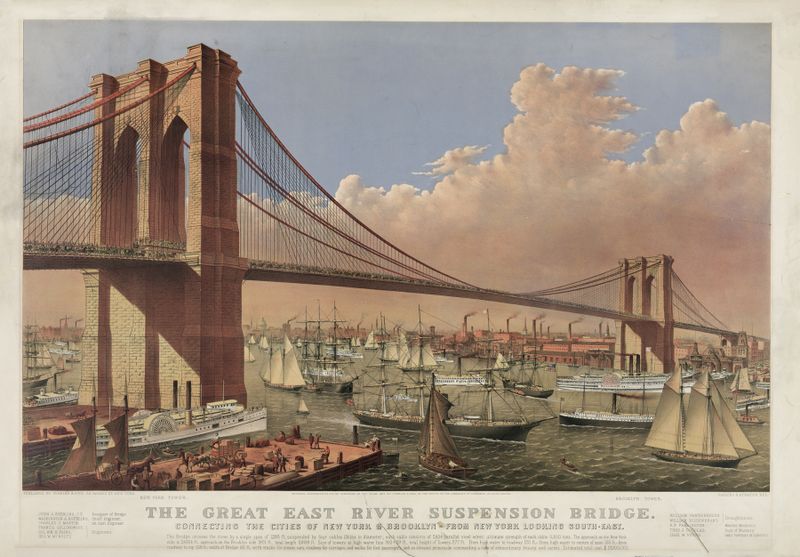
The great East River suspension bridge; connecting the cities of New York & Brooklyn From New York looking south-east.
Currier & Ives.
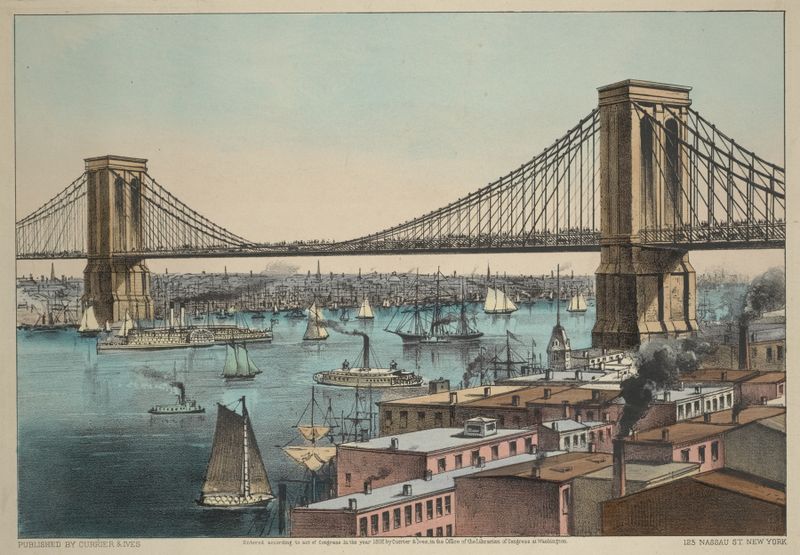
The Great East River Bridge. To connect the cities of New York & Brooklyn
Currier & Ives.
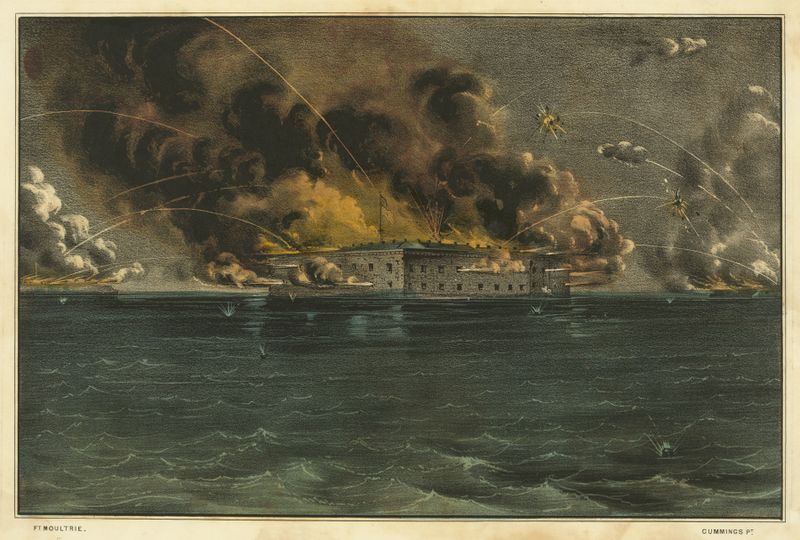
Bombardment of Fort Sumter, Charleston Harbor; 12th & 13th of April, 1861
Currier & Ives.
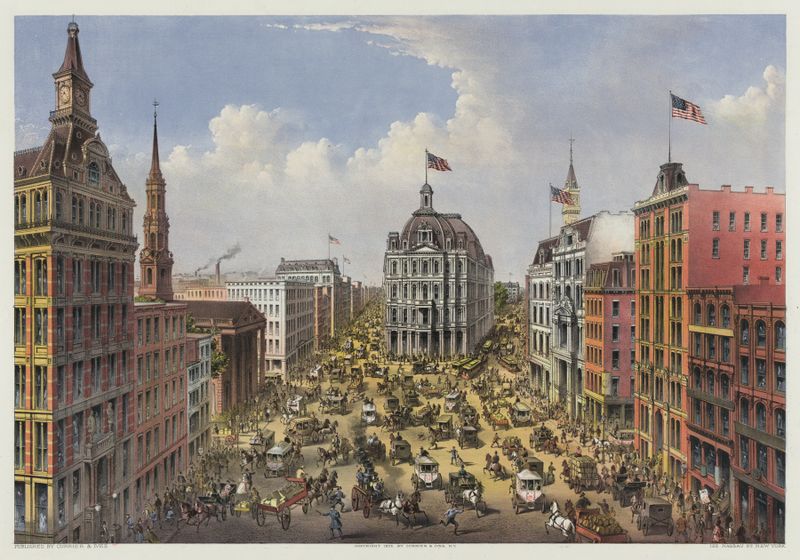
Broadway, New York; From the western union telegraph building looking north
Currier & Ives.
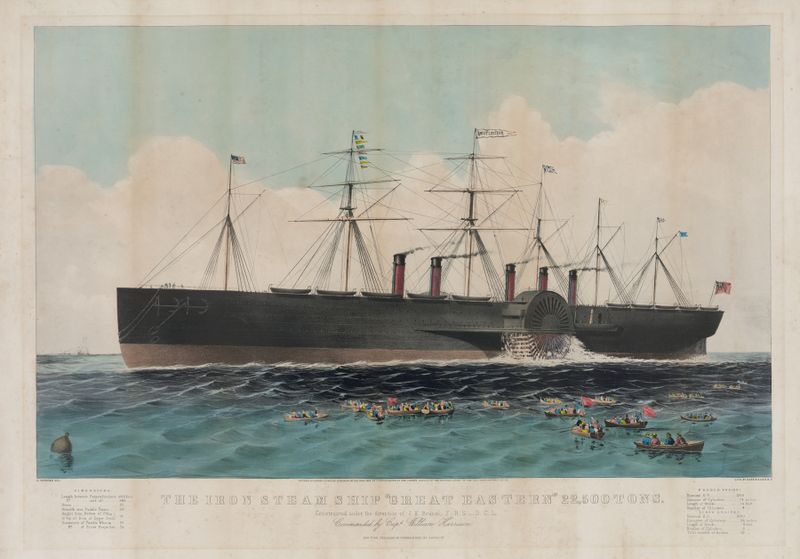
The iron steam ship ‘Great Eastern’ 22,500 tons; constructed under the direction of I.K. Brunel, F.R.S. — D.C.L. commanded by Capt. William Harrison
Currier & Ives.
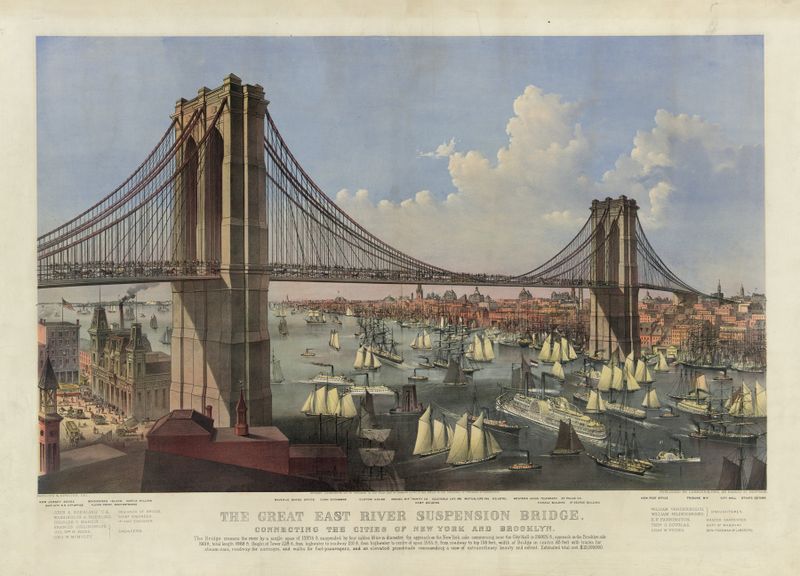
The great East River suspension bridge–Connecting the cities of New York and Brooklyn
Currier & Ives.
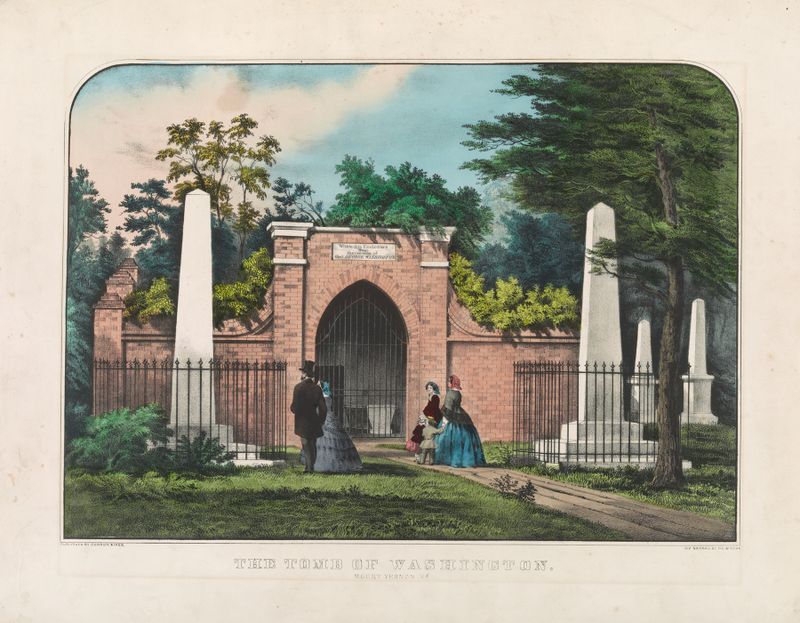
The tomb of Washington; Mount Vernon, Va.
Currier & Ives.





