
Watering place St. Mary’s of the Azores — History & Facts
What if beauty was never meant to be finished? The notion lingers in the air, as if whispered by the delicate brushstrokes that capture a fleeting moment of serene chaos. Look closely at the center of the composition, where vibrant greens blend seamlessly with soft blues, inviting you to explore the lush landscape. Notice how the figures, poised at the watering place, engage in a quiet dance of life amid nature's bounty. The play of light and shadow reveals texture in the foliage, lending depth to the scene—a skillful interplay that suggests breath and movement, even in stillness.
Each stroke feels deliberate yet instinctual, capturing the essence of a moment suspended in time. Contrasts abound in this piece, where tranquility meets the underlying tension of nature’s wildness. The gentle curves of the land envelop the figures, while the water's surface reflects both their actions and the tumultuous skies above, symbolizing the chaotic beauty of existence. The choice of palette, rich yet subdued, evokes a sense of both nostalgia and madness, hinting at the artist's inner turmoil as he sought to immortalize this ephemeral beauty. During the period he created this work, Charles Hamilton Smith was deeply immersed in the exploration of natural landscapes and cultural scenes.
Active in the early 19th century, he found inspiration in both the lush environments of the Azores and the romantic ideals of his time, seeking to merge observation with a personal, almost frenetic energy—this painting encapsulates that vision beautifully.
More Artworks by Charles Hamilton Smith
Browse all →
Situation of H.M.S. Hecla & Griper
Charles Hamilton Smith
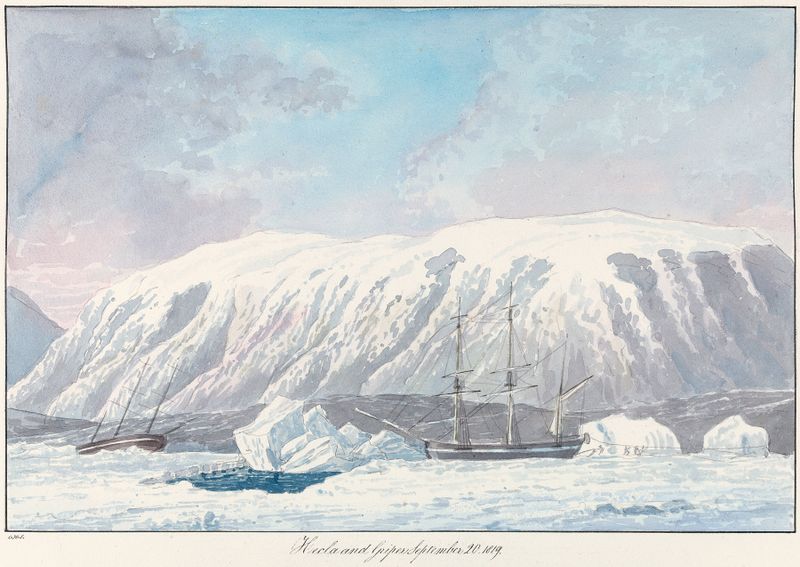
Hecla and Griper
Charles Hamilton Smith

Friendly Cove, Nootka Sound
Charles Hamilton Smith

Iceberg in Baffin’s Bay
Charles Hamilton Smith
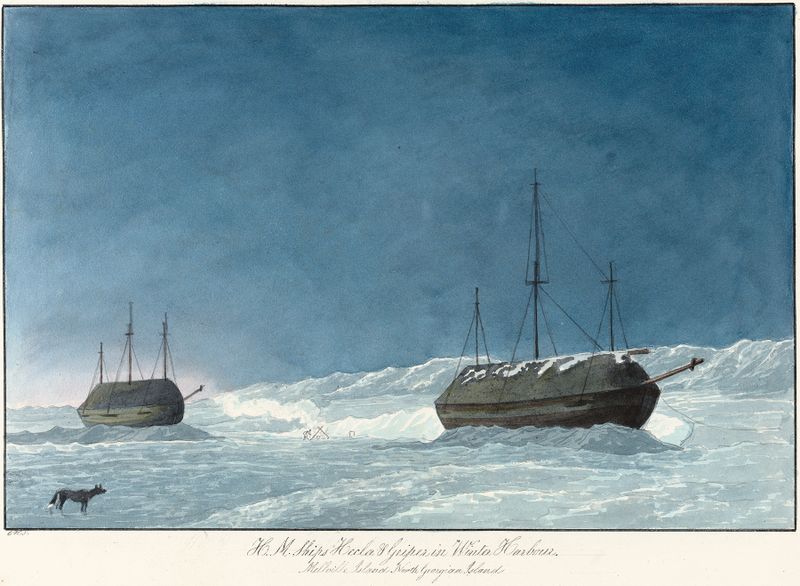
H. M. Ships Hecla and Griper in Winter Harbour
Charles Hamilton Smith

The Erebus & Terror in a Gale in the Pack of the Ice
Charles Hamilton Smith
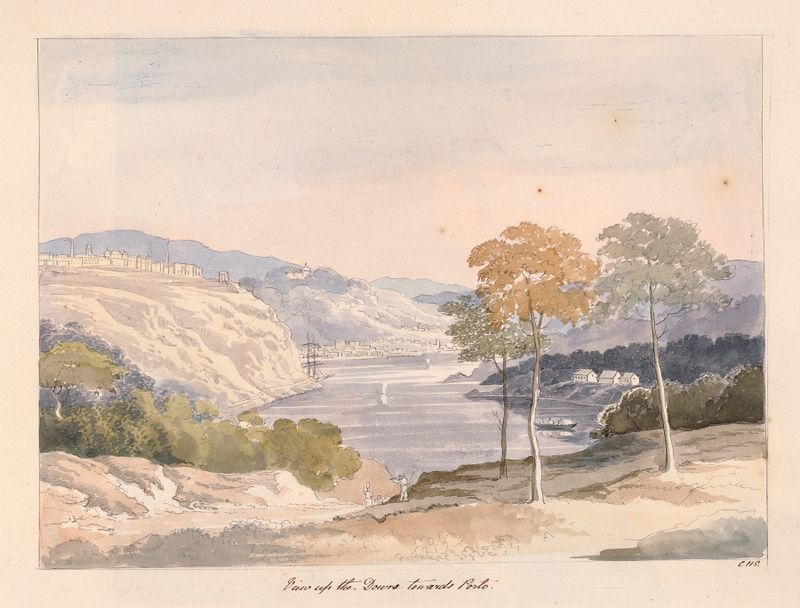
View of the Douro towards Porto
Charles Hamilton Smith
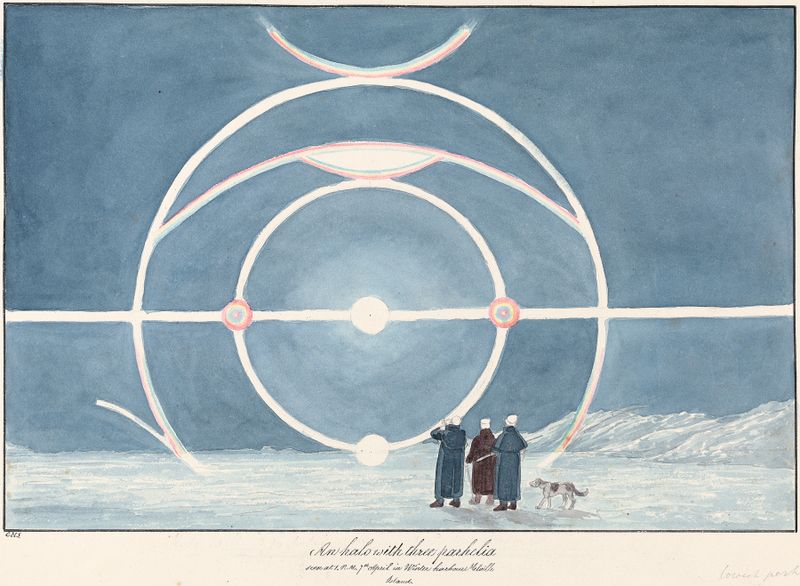
Halo with Three Parhelia, Winter Harbour Melville Island
Charles Hamilton Smith
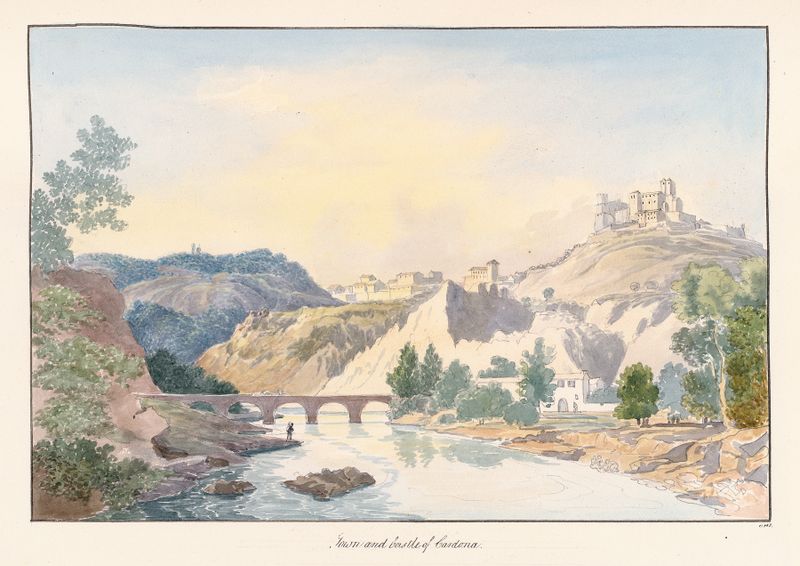
Town and Castle of Cardona
Charles Hamilton Smith
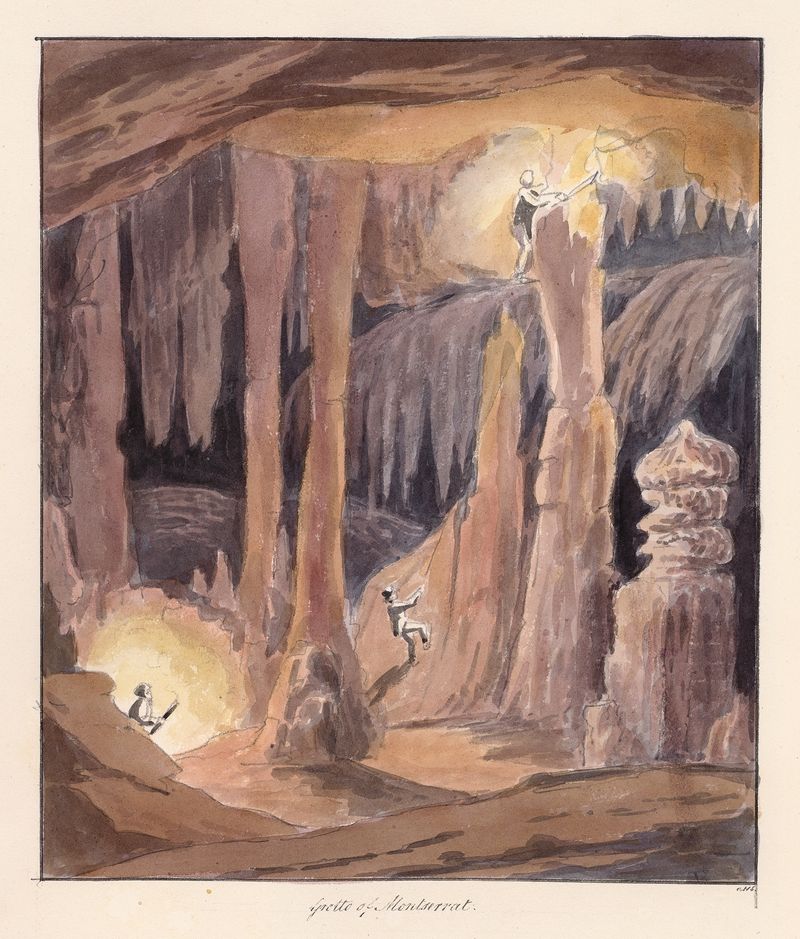
Grotto of Montserrat
Charles Hamilton Smith





