
Weibliche Akte, Frauen am Tisch — History & Facts
What first catches the eye in Weibliche Akte, Frauen am Tisch is the restless energy of the page itself—a surface alive with overlapping studies, as if August Macke were chasing the fleeting shapes of thought. Here, the human figure is not a static object but a subject in motion, explored from every angle. The lines are quick, almost searching, with backs, limbs, and torsos rendered in various attitudes of repose or subtle tension.
Amid these nude studies, a clothed woman at a table anchors the composition, her gesture suggesting conversation or perhaps a moment of reflection. The arrangement draws the viewer into the artist’s process, inviting us to follow the sweep of his pencil and the rhythm of his observation. Created in 1912, this work belongs to a moment when artists across Europe were breaking away from academic conventions, seeking a more immediate and personal response to the world. August Macke, a key figure of German Expressionism, was known for his vibrant color and bold forms, yet here he pares everything back to the essentials—line, pose, and the play of light on skin.
Such sketches were often made for private study or preparation, rarely intended for public display, and their survival is a reminder of the intimate, experimental side of early twentieth-century art. The sheet comes to us from the collection at lempertz.com, a fragment of a larger story about how artists learned, experimented, and found their voice. Look again, and you may sense the quiet urgency of a hand racing to keep up with the mind.
More Artworks by August Macke
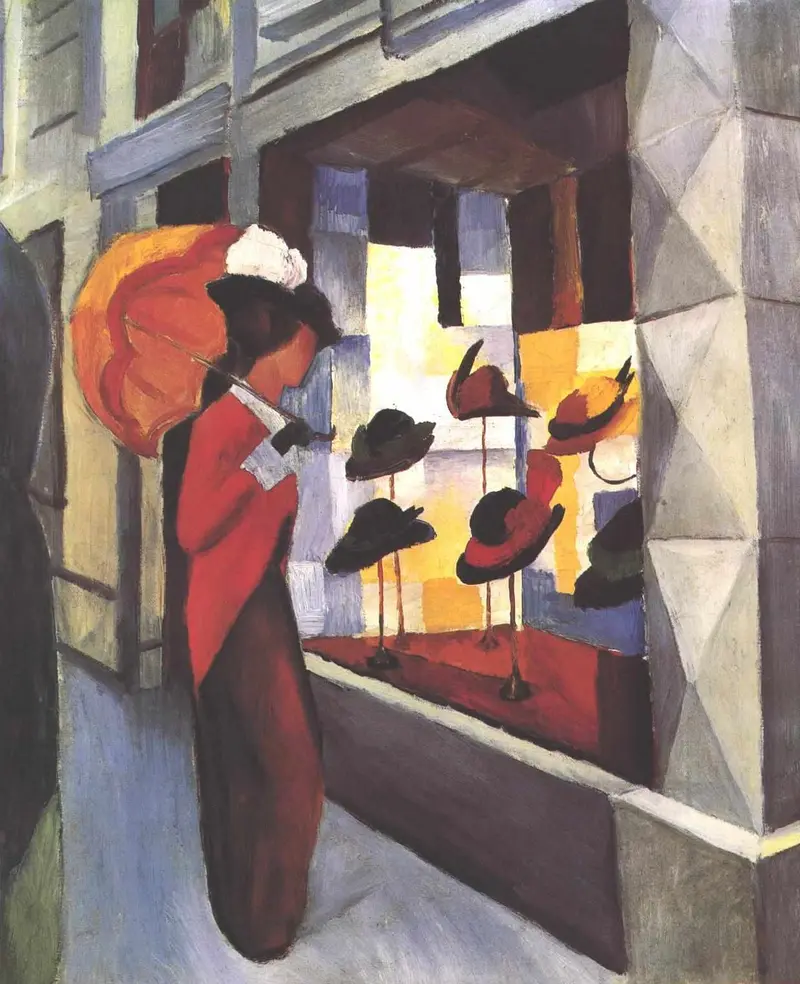
Woman with a Parasol in Front of a Hat Shop
August Macke

Street with Church in Kandern
August Macke
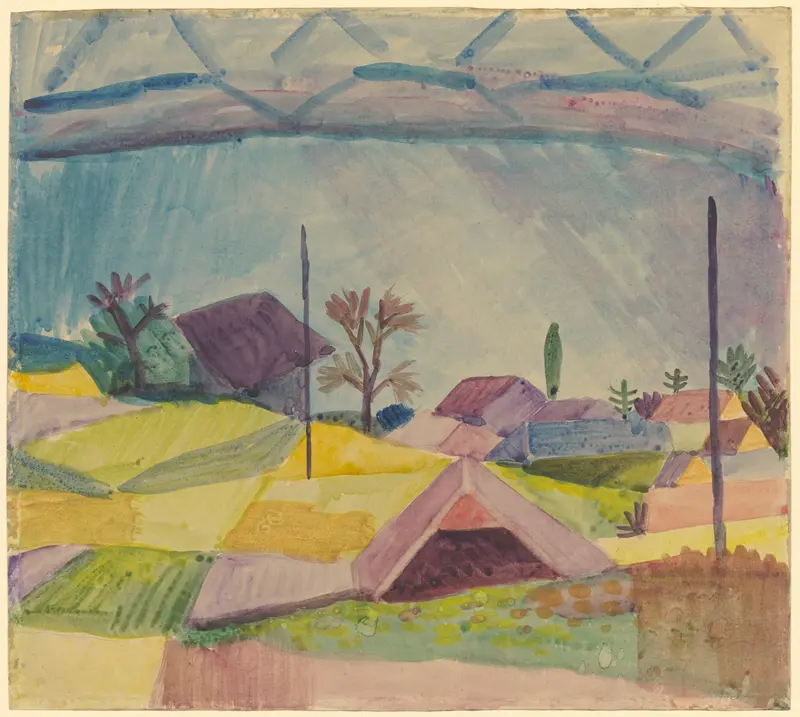
View of Hilterfingen
August Macke

Paar im Nachen
August Macke
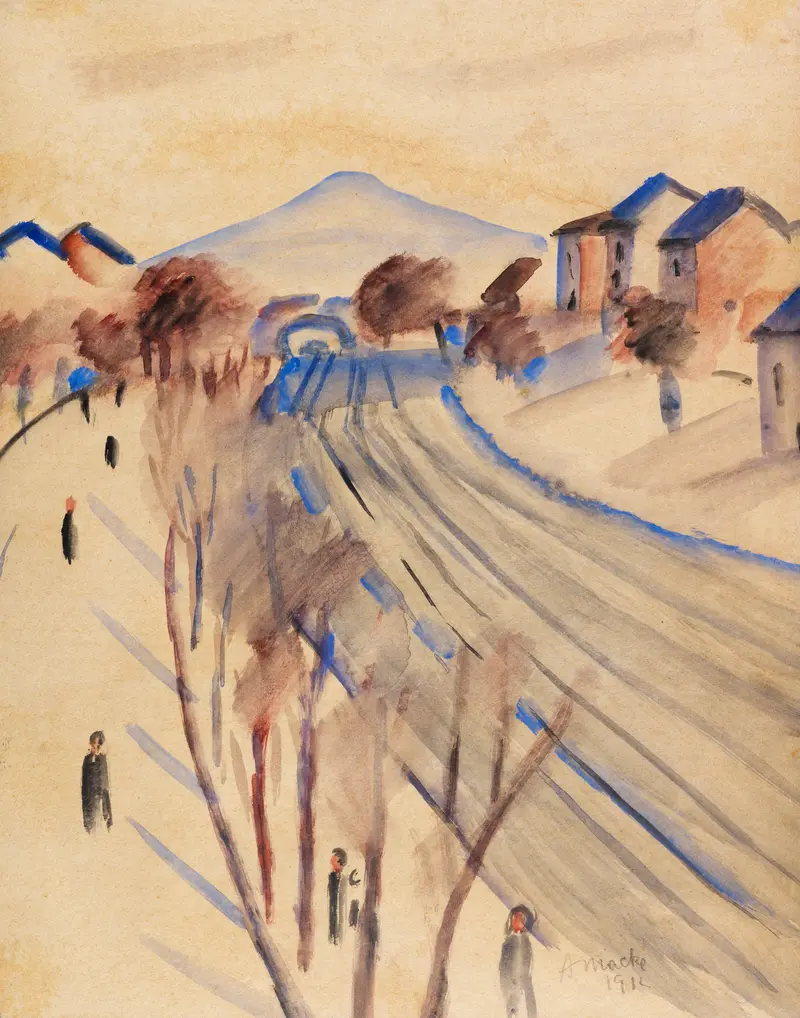
Ölberg mit Bahngleisen II
August Macke
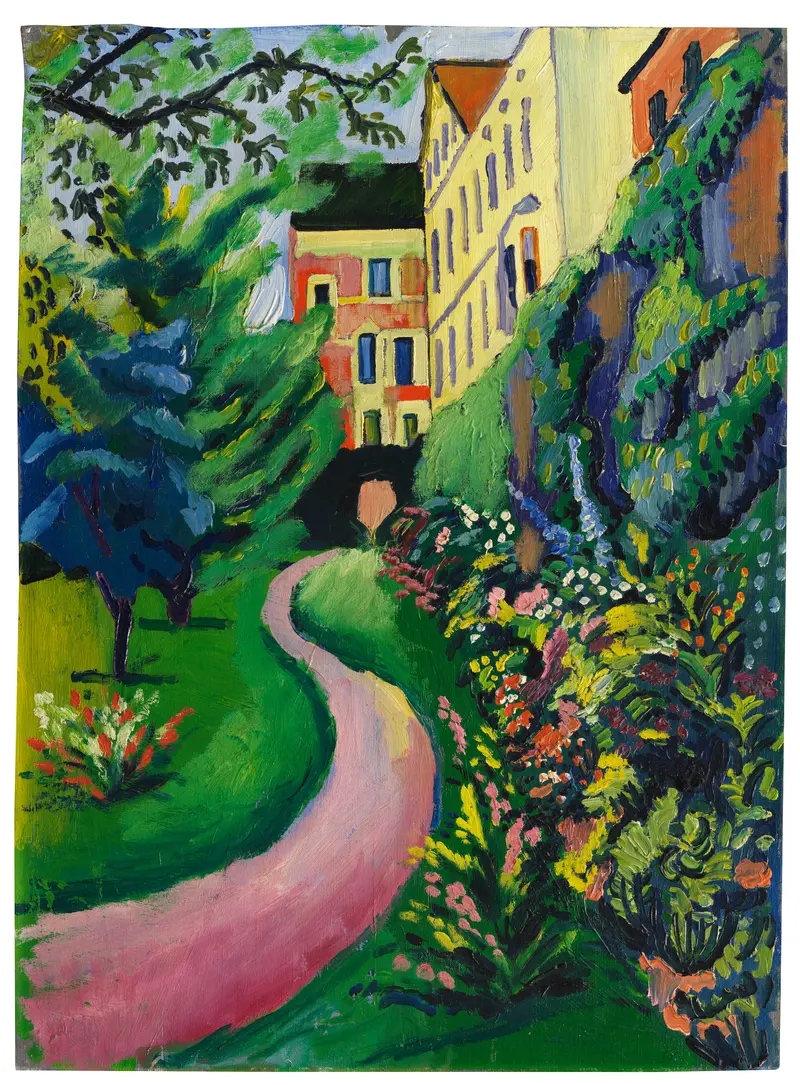
Unser Garten mit blühenden Rabatten
August Macke
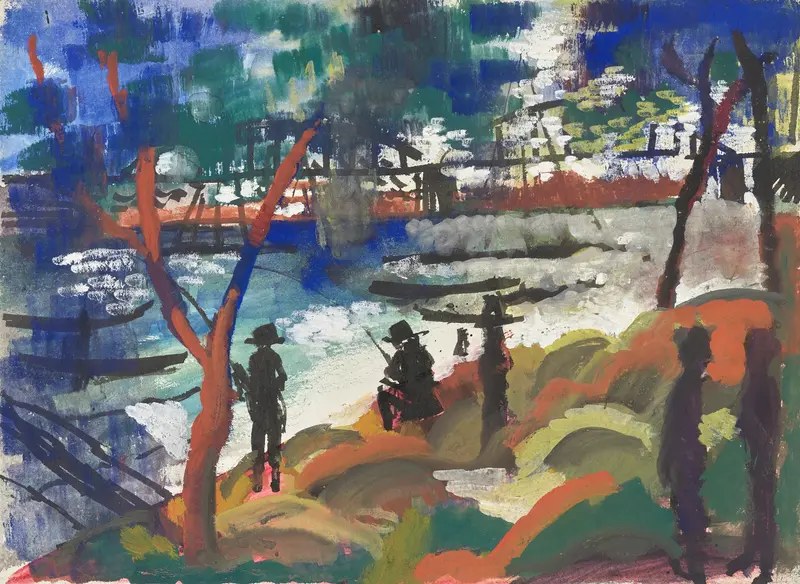
Angler am Fluss
August Macke
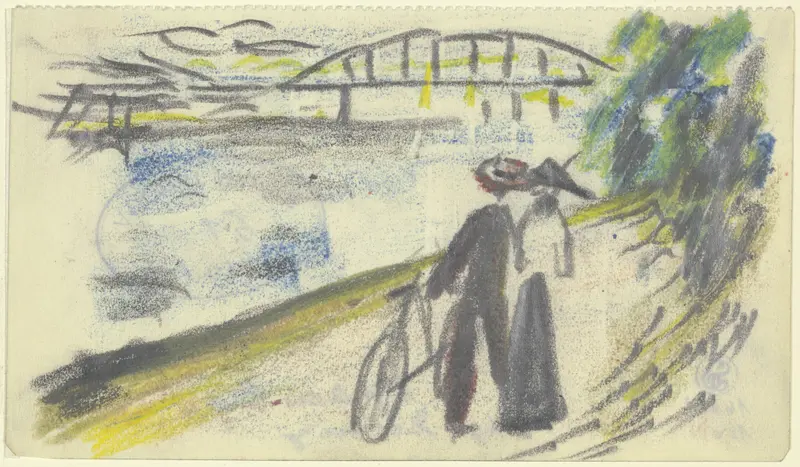
Path at the Rhine
August Macke
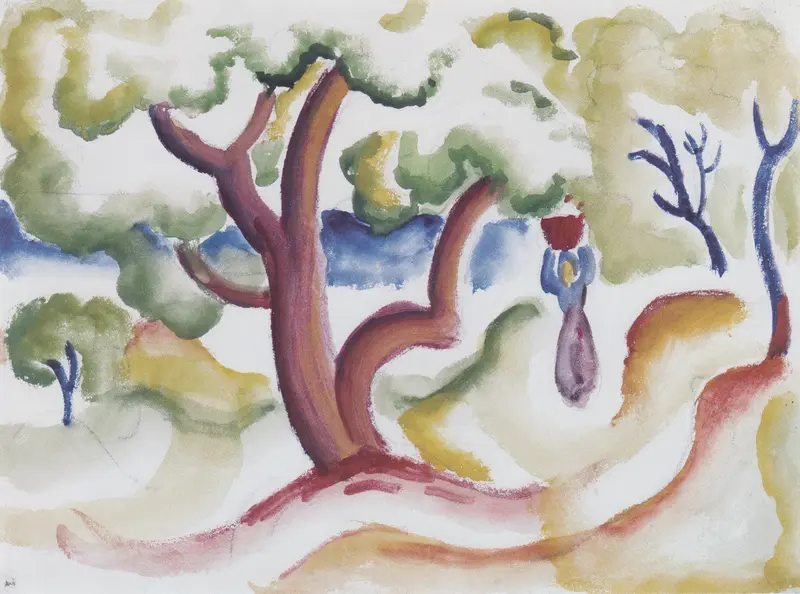
Frau mit Krug unter Bäumen
August Macke
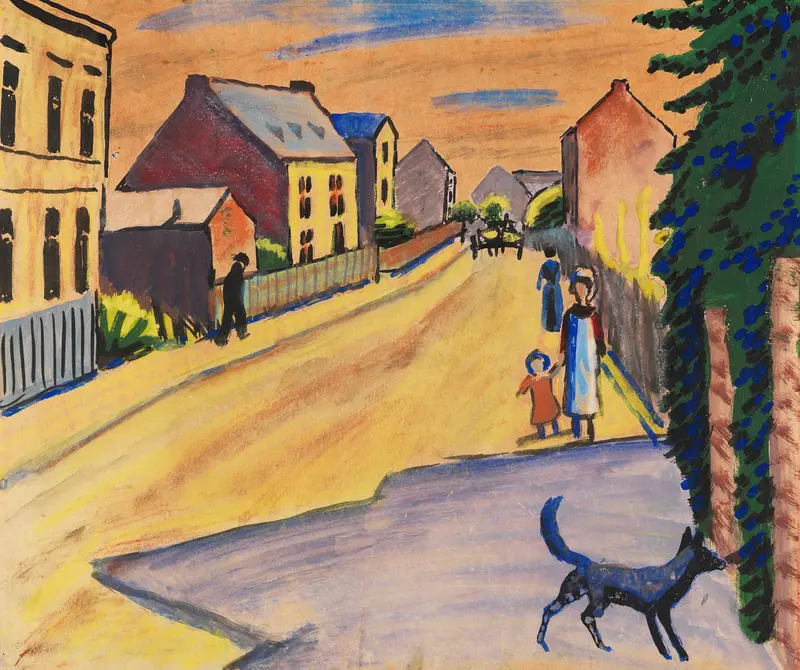
Sonnige Straße mit Hund
August Macke



